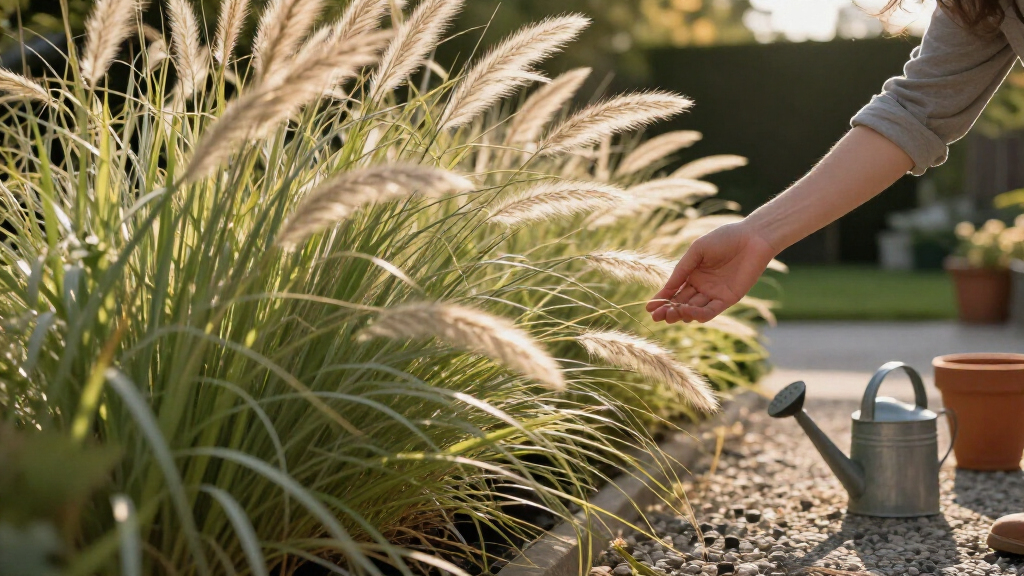
The Karl Foerster Feather Reed Grass takes the top spot among the best ornamental grasses because it combines four-season interest, cold hardiness across most zones, and a tidy vertical habit that works in almost any landscape. Two other standouts: Pink Muhly Grass delivers unmatched autumn color when its pink cloud-like plumes appear, and Elijah Blue Fescue offers compact, low-maintenance texture for borders and small gardens. The main tradeoff you’ll face in this category is between seed versus live plants — seeds cost less but take a full season or more to establish, while live plants cost more but deliver impact in the first year. You’ll also need to weigh hardiness (some favorites like purple fountain grass are annuals in most zones) against mature size, since grasses like pampas and Giant Miscanthus can overwhelm a small yard. Keep reading for the full breakdown of all 15 options and which one fits your garden best.

Get garden gear delivered free — and shop member deals
- Fast, free delivery on millions of items
- Access to Prime Big Deal Days deals on October 6–7
- Prime Video, Amazon Music and more included
Complete the kit


Key Takeaways
- Karl Foerster Feather Reed Grass earned the top spot because it’s the only option on this list that reliably survives cold winters (Zone 5 and below) while still delivering vertical structure and year-round interest.
- Pink Muhly Grass appears three times in this roundup in different formats — plug, small live plant, and 3-pack — and the format you choose dramatically affects first-year impact versus cost.
- Every fountain grass option (red, purple, and black varieties) is only perennial in Zones 9–10, making them effectively colorful annuals for most buyers — a tradeoff the product listings don’t make obvious.
- Seed options (Purple Love Grass, Mexican Feather Grass, Blue Fescue, and pampas) are the cheapest route per plant but typically require patience, stratification, or a full growing season before they look like anything.
- Giant Miscanthus and pampas grass demand the most planning ahead — both reach 6–10 feet and spread aggressively, so they suit large properties and privacy screens, not foundation plantings.
| Outsidepride Purple Love Grass Seeds, 500 Count |  | Best Seed Pick for Tough Soil | Scientific name: Eragrostis spectabilis | Seed count: 500 seeds | Plant type: Perennial ornamental grass | VIEW LATEST PRICE | See Our Full Breakdown |
| Red Purple Fountain Grass Live Plants, 3 Clumps, 4–8 Inches |  | Best for Bold Container Color | Quantity: 3 live clumps | Shipped size: 4–8 inches | Mature height: 3–5 feet | VIEW LATEST PRICE | See Our Full Breakdown |
| 2 Big Blue Liriope Grass Plants Live, 4-8″ Tall (No Pot) |  | Best for Beginners and Borders | Quantity: 2 plants | Shipped height: 4–8 inches | Plant type: Perennial ornamental grass (border/ground cover) | VIEW LATEST PRICE | See Our Full Breakdown |
| Black Fountain Grass Live Plants, 2-Pack, 4–8 Inches Tall |  | Best for Modern Contrast | Quantity: 2 live plants | Shipped height: Approximately 4 inches | Foliage: Dark-toned, arching | VIEW LATEST PRICE | See Our Full Breakdown |
| Karl Foerster Feather Reed Grass Live Plant, 1-Gallon Grower Pot |  | Best Vertical Structure | Scientific name: Calamagrostis × acutiflora ‘Karl Foerster’ | Plant type: Perennial, cool-season ornamental grass | Mature height: 5 feet | VIEW LATEST PRICE | See Our Full Breakdown |
| Clovers Garden Blue Fescue (Festuca Elijah Blue), 2 Live Plants in 4-Inch Pots |  | Best for Blue Foliage Edging | Plant variety: Blue Fescue (Festuca Elijah Blue) | Quantity: 2 live plants | Pot size: 4 inches | VIEW LATEST PRICE | See Our Full Breakdown |
| Outsidepride Mexican Feather Grass Seeds, 1,000 Count |  | Best for Fine-Textured Seed Plantings | Botanical name: Stipa tenuissima | Seed count: 1,000 | Plant type: Perennial ornamental grass | VIEW LATEST PRICE | See Our Full Breakdown |
| Red Fountain Grass Live Starter Plants, Pack of 2, 5–9 Inches Tall |  | Best for Dramatic Burgundy Color | Scientific name: Pennisetum setaceum ‘Rubrum’ | Quantity: 2 bare-root starter plants | Plant height: 5–9 inches | VIEW LATEST PRICE | See Our Full Breakdown |
| 1000+ Mixed Pampas Grass Seeds (Cortaderia Selloana) – Heirloom Ornamental Plants for Garden Decor |  | Best for Large-Scale Screening | Botanical name: Cortaderia selloana | Seed count: 1,000+ | Seed type: Heirloom | VIEW LATEST PRICE | See Our Full Breakdown |
| Pink Muhly Grass Live Plant (4-8 Inch Tall) |  | Best for Airy Pink Plumes | Botanical name: Muhlenbergia capillaris | Plant height: 4–8 inches | Plant type: Perennial ornamental grass | VIEW LATEST PRICE | See Our Full Breakdown |
| Pink Muhly Grass Live Plant Plug |  | Best Native Pick | Plant type: Native perennial ornamental grass | Plant form: Starter plug | Bloom color: Pink | VIEW LATEST PRICE | See Our Full Breakdown |
| 50+ Blue Fescue Ornamental Grass Seeds |  | Best Budget Option and Best for Small Spaces | Plant type: Perennial ornamental grass | Seed count: 50+ | Mature height: 10-12 inches | VIEW LATEST PRICE | See Our Full Breakdown |
| White Ornamental Pampas Grass (Cortaderia selloana), 2 Live Plants |  | Best for Cut Flowers and Statement Plumes | Plant type: Live perennial ornamental grass | Quantity: 2 plants | Pot size: 1.5 qt | VIEW LATEST PRICE | See Our Full Breakdown |
| Giant Miscanthus Ornamental Grass, 2 Plants in 3-Inch Pots | 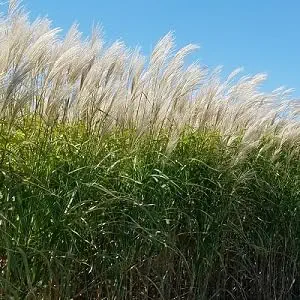 | Best Tall Privacy Screen | Plant count: 2 | Pot size: 3 inches | Mature height: 10-12 feet | VIEW LATEST PRICE | See Our Full Breakdown |
| ornamental grasse | Plant type | Mature height |
|---|---|---|
| Outsidepride Purple Love Grass | Perennial ornamental grass | Up to 20 inches |
| Red Purple Fountain Grass Live | — | 3–5 feet |
| 2 Big Blue Liriope Grass Plant | Perennial ornamental grass (border/ground cover) | — |
| Black Fountain Grass Live Plan | — | — |
| Karl Foerster Feather Reed Gra | Perennial, cool-season ornamental grass | 5 feet |
| Clovers Garden Blue Fescue | — | — |
| Outsidepride Mexican Feather G | Perennial ornamental grass | — |
| Red Fountain Grass Live Starte | — | 3–4 feet |
| 1000+ Mixed Pampas Grass Seeds | — | — |
| Pink Muhly Grass Live Plant | Perennial ornamental grass | — |
| Pink Muhly Grass Live Plant Pl | Native perennial ornamental grass | — |
| 50+ Blue Fescue Ornamental Gra | Perennial ornamental grass | 10-12 inches |
| White Ornamental Pampas Grass | Live perennial ornamental grass | 6-10 ft |
| Giant Miscanthus Ornamental Gr | — | 10-12 feet |
More Details on Our Top Picks
Outsidepride Purple Love Grass Seeds, 500 Count
Gardeners fighting sandy, low-fertility soil where most ornamental grasses struggle will find their match here. Purple Love Grass actually prefers lean conditions, which makes it the opposite of fussier picks like the Karl Foerster Feather Reed Grass, which needs richer moisture retention to look its best. The payoff comes late in the season: rosy purple blooms in late summer followed by bronze fall foliage, plus butterfly and ground-bird habitat that purely decorative options like Black Fountain Grass can’t offer. The tradeoff is patience — seeds take about 21 days to germinate, and you’re starting from scratch rather than planting established clumps like the live Liriope or fountain grass options in this lineup. It also demands full sun without compromise.
Pros:- Thrives in sandy, low-nutrient soils where other grasses fail
- Late-summer purple flowers plus bronze fall foliage for two-season color
- Supports butterflies and provides cover for ground birds
- Perennial that slowly fills in via rhizomes and self-seeding
Cons:- Slow start — roughly 21 days to germinate from seed
- Full sun is non-negotiable; it thins out in shade
Best for: Native-plant gardeners and anyone with poor, sandy soil who wants pollinator value and doesn’t mind growing from seed
Not ideal for: Impatient gardeners or those wanting instant height — expect bare ground for weeks and a full season before the purple display arrives
- Scientific name:Eragrostis spectabilis
- Seed count:500 seeds
- Plant type:Perennial ornamental grass
- USDA hardiness zones:5–10
- Mature height:Up to 20 inches
- Sunlight:Full sun
- Germination time:About 21 days at 68–72°F
- Water needs:Little to no watering
Our verdict“A smart buy for anyone who values ecological payoff over instant landscape impact and has the sun and patience to grow it from seed.”
Red Purple Fountain Grass Live Plants, 3 Clumps, 4–8 Inches
When the goal is immediate dramatic color, this three-clump set delivers what seed packets like the Mixed Pampas Grass Seeds can’t offer for a year or more. The multicolor red-purple foliage eventually reaches an impressive 3–5 feet tall and 2–4 feet wide, making it a natural thriller plant for large containers or a mass planting anchor. The catch is geography: it’s truly perennial only in Zones 9–11, so everyone else is buying an annual and should plan accordingly. Compared with the Black Fountain Grass two-pack, you get one extra plant and warmer coloration, but the same container-friendly flexibility to overwinter or replant. Give it full sun and sharp drainage — soggy soil is where fountain grasses decline fastest.
Pros:- Vibrant multicolor foliage with no waiting for blooms
- Substantial mature size of 3–5 feet creates real garden presence
- Three plants per order covers a container or border section
- Works equally well in-ground or in planters
Cons:- Perennial only in Zones 9–11; an annual purchase elsewhere
- Arrives small at 4–8 inches and needs a full season to size up
Best for: Warm-climate gardeners (Zones 9–11) and container gardeners anywhere who treat grasses as annual color
Not ideal for: Cold-climate gardeners wanting a permanent planting — it won’t survive winters north of Zone 9 without indoor overwintering
- Quantity:3 live clumps
- Shipped size:4–8 inches
- Mature height:3–5 feet
- Mature spread:2–4 feet
- Hardiness zones:USDA Zones 9–11
- Light requirements:Full sun, 6+ hours daily
- Soil needs:Well-drained
Our verdict“The strongest pick for instant, saturated color — provided you live where it survives winter or accept replanting each spring.”
2 Big Blue Liriope Grass Plants Live, 4-8″ Tall (No Pot)
This is the friendliest entry point in the lineup for new gardeners. Unlike the sun-demanding fountain grasses, Big Blue Liriope tolerates full sun to partial shade across a wide Zones 5–10 range, and its evergreen blue-green foliage keeps edging and borders looking finished year-round — something deciduous picks like Karl Foerster simply can’t do in winter. The tradeoff is effort at the front end: plants arrive bare-root without pots, so you need to transplant promptly, and at 4–8 inches they’ll need a season to fill into proper border material. Compared with the Clovers Garden Blue Fescue, Liriope offers taller, denser coverage better suited to long pathway runs, while fescue wins for compact accent spots.
Pros:- Evergreen foliage provides year-round structure in borders
- Accepts both sun and partial shade — rare among ornamental grasses
- Very low maintenance once established
- Hardy across a broad Zones 5–10 range
Cons:- Bare-root shipping means no buffer — transplant immediately on arrival
- Small starter size takes a full growing season to mature
Best for: Beginners and shade-challenged yards needing low-maintenance border edging or ground cover
Not ideal for: Gardeners wanting immediate visual impact — bare-root starts are small and require prompt planting plus patience
- Quantity:2 plants
- Shipped height:4–8 inches
- Plant type:Perennial ornamental grass (border/ground cover)
- USDA hardiness zones:5–10
- Sunlight exposure:Full sun to partial shade
- Blooming period:Spring to summer
- Moisture needs:Regular watering
Our verdict“The most forgiving pick here for novices and partially shaded gardens, as long as you’re willing to plant promptly and wait for it to fill in.”
Black Fountain Grass Live Plants, 2-Pack, 4–8 Inches Tall
If your garden reads as a wall of green, this two-pack is the texture and contrast specialist. The dark, arching foliage plays the same design role as the Clovers Garden Blue Fescue — a color break against conventional plantings — but with softer, fountain-like movement rather than spiky mounds. As the plants mature they send up brush-like flower spikes, though buyers should know these arrive with time, not in the box. Compared with the Red Purple Fountain Grass set, you trade warm color and an extra plant for deeper, moodier tones that suit contemporary and minimalist landscapes. Requirements are predictable: full sun and well-drained soil with light watering, and no tolerance for shaded placements.
Pros:- Deep dark foliage creates strong contrast in mixed beds
- Flexible for borders, accent plantings, or outdoor containers
- Arching habit adds movement and softness
- Low-maintenance light to moderate watering needs
Cons:- Full sun required — shade produces leggy, washed-out growth
- Flower spikes take time to develop on young plants
Best for: Design-focused gardeners building contemporary beds who want dark foliage contrast against green and silver plants
Not ideal for: Shaded properties or gardeners expecting decorative plumes immediately — flower spikes develop as the plant grows
- Quantity:2 live plants
- Shipped height:Approximately 4 inches
- Foliage:Dark-toned, arching
- Sunlight:Full sun
- Soil:Well-drained
- Watering:Light to moderate
- Uses:Beds, borders, outdoor planters
Our verdict“A niche but valuable pick for gardeners prioritizing foliage contrast over flowers, provided the planting site gets reliable sun.”
Karl Foerster Feather Reed Grass Live Plant, 1-Gallon Grower Pot
For architectural height, nothing else in this batch competes. Karl Foerster hits 5 feet of tight, upright growth while staying just 2 feet wide — a vertical exclamation mark that the mounding Pink Muhly Grass and low Liriope can’t replicate. Its golden wheat-like plumes persist into fall and winter, extending interest across three seasons, and it’s one of the few ornamental grasses that tolerates heavy clay soil, a dealbreaker issue for most fountain grasses in this roundup. It’s also drought-tolerant once established and hardy down to Zone 4, making it the most cold-reliable pick here. The tradeoff: full sun is required for the strongest form, and at 5 feet it can overwhelm small foundation beds where the compact Big Blue Liriope would be the wiser choice.
Pros:- Tall, narrow habit delivers strong vertical structure without hogging width
- Golden plumes persist through fall and winter
- One of the few ornamental grasses tolerating heavy clay soil
- Cold-hardy to Zone 4 with drought tolerance once established
Cons:- Requires full sun for upright form and best plume production
- 5-foot height overwhelms small-scale plantings
Best for: Gardeners in cold climates or clay soil who want tall, narrow vertical structure with multi-season interest
Not ideal for: Small courtyard or foundation beds where 5-foot height dominates — compact grasses fit better
- Scientific name:Calamagrostis × acutiflora ‘Karl Foerster’
- Plant type:Perennial, cool-season ornamental grass
- Mature height:5 feet
- Mature width:2 feet
- Growth habit:Upright, clumping
- Hardiness zones:4–8
- Sunlight:Full sun
- Pot size:1 gallon
Our verdict“The definitive pick for cold-climate gardeners who want reliable four-season height and structure from a single established plant.”
Clovers Garden Blue Fescue (Festuca Elijah Blue), 2 Live Plants in 4-Inch Pots
Blue Fescue earns its place for foliage color and compact scale: its silvery blue-green clumps suit borders, rock gardens, slopes, and containers where taller grasses would crowd the space. Compared with the Pink Muhly Grass Live Plant, this pair makes a lower, foliage-led accent rather than a seasonal plume display. The two potted plants also give a gardener a more immediate start than seed options such as Outsidepride Mexican Feather Grass, though they cover less ground.
Full sun and sandy soil match its stated growing preferences, and established plants tolerate heat and drought. The tradeoff is that regular watering is still listed, so it is not a plant-and-forget choice while settling in. Plan to trim it to about 2 inches before fresh spring growth; buyers seeking tall screening or vivid flowers should choose another grass.
Pros:- Silvery blue-green foliage adds color beyond flowering season.
- Low clumping habit fits edging, containers, slopes, and rock gardens.
- Two live plants provide a quicker garden start than seed.
- Tolerates heat and drought once established.
Cons:- Regular watering is specified despite its established drought tolerance.
- Requires trimming to about 2 inches before new spring leaves emerge.
Best for: Gardeners who want compact blue-toned edging or rock-garden accents and can water plants as they establish.
Not ideal for: Buyers seeking tall screening, prominent seasonal plumes, or a grass that needs no spring trimming.
- Plant variety:Blue Fescue (Festuca Elijah Blue)
- Quantity:2 live plants
- Pot size:4 inches
- Plant height:4–8 inches
- Growth habit:Low-growing, clumping
- Hardiness:USDA zones 4–11
- Sun and soil:Full sun; sandy soil
- Care:Regular watering; trim to about 2 inches before new spring growth
Our verdict“Choose this pair for compact, blue-foliage accents; pick Pink Muhly instead if airy seasonal blooms matter more.”
Outsidepride Mexican Feather Grass Seeds, 1,000 Count
Mexican Feather Grass is the seed pick for soft movement: its fine leaves form mounding clumps, while plumes shift from green toward gold. It offers a lighter, more flowing look than the compact silvery foliage of Clovers Garden Blue Fescue, and its stated mature height of 16 inches keeps it far below the 8–12-foot scale described for the mixed Pampas Grass seeds. That makes it better suited to modest borders and containers than to screening.
The packet lists 1,000 seeds, but that count is not the same as 1,000 established plants. Germination usually takes about 21 days, with consistent moisture needed until seedlings emerge; after establishment, the grass needs little to no watering according to the supplied specs. Its USDA zones 6–10 also narrow its climate fit, so buyers in colder areas should favor a more suitable option.
Pros:- Fine foliage and green-to-gold plumes create a softer look than blue-foliage grasses.
- Listed for both container and garden planting.
- Little to no watering is specified after establishment.
- Germination usually occurs within about 21 days under suitable conditions.
Cons:- Seeds need consistent moisture until they germinate.
- Hardiness is limited to USDA zones 6–10.
- Growing from seed takes longer than starting with live plants.
Best for: Gardeners in USDA zones 6–10 who want to raise fine-textured, mounding grass from seed for borders or containers.
Not ideal for: Gardeners outside zones 6–10 or anyone who needs an instant screen or fully grown plants.
- Botanical name:Stipa tenuissima
- Seed count:1,000
- Plant type:Perennial ornamental grass
- Expected height:Up to 16 inches
- Hardiness:USDA zones 6–10
- Sunlight:Full sun
- Soil:Loam
- Germination:Usually within 21 days at 68–72°F
- Spacing and sowing:12-inch spacing; 5–6 seeds per plant
Our verdict“Choose these seeds for a fine, moving texture in a compatible climate if you are willing to manage germination.”
Red Fountain Grass Live Starter Plants, Pack of 2, 5–9 Inches Tall
Red Fountain Grass brings the strongest foliage contrast in this group, pairing burgundy leaves with rose-colored plumes. Its 3–4-foot mature height makes it a bolder bed or patio-container focal point than compact Clovers Garden Blue Fescue, while Pink Muhly Grass offers a softer cloud of pink blooms rather than dark foliage. The two bare-root starters give you a live-plant beginning, but their 5–9-inch shipping height leaves the mature display to come.
This grass needs full sun and at least six hours of direct light, and the listing calls for daily watering during the first week after planting. It tolerates drought once established, but that early attention matters. Its climate behavior is another tradeoff: it is perennial in zones 9–11 and typically an annual in zones 3–8, so cooler-climate buyers should treat it as a seasonal accent rather than a lasting planting.
Pros:- Burgundy foliage and rose-colored plumes create a high-contrast display.
- Mature height of 3–4 feet gives it more presence than compact Blue Fescue.
- Suitable for garden beds and patio containers.
- Drought-tolerant once established and listed as deer-resistant.
Cons:- Typically grown as an annual in zones 3–8.
- Bare-root starters need daily watering during the first week after planting.
- Needs at least six hours of direct sunlight.
Best for: Gardeners wanting a sunlit patio-container or bed focal point with burgundy foliage and rose plumes, especially in zones 9–11.
Not ideal for: Buyers seeking a reliably perennial grass in zones 3–8 or a compact, low-growing edging plant.
- Scientific name:Pennisetum setaceum ‘Rubrum’
- Quantity:2 bare-root starter plants
- Plant height:5–9 inches
- Mature height:3–4 feet
- Sun exposure:Full sun; at least 6 hours of direct sunlight
- Hardiness:Perennial in zones 9–11; typically annual in zones 3–8
- Plume color:Rose
- Foliage color:Burgundy
Our verdict“Pick this for a dramatic, sunny seasonal focal point, with perennial return expected only in warm zones 9–11.”
1000+ Mixed Pampas Grass Seeds (Cortaderia Selloana) – Heirloom Ornamental Plants for Garden Decor
Mixed Pampas Grass is the scale pick: the listing describes plants reaching 8–12 feet, making them a very different choice from 16-inch Mexican Feather Grass or compact Blue Fescue. That height can help fill a broad landscape or screen an unwanted view, and the seed mix is described as producing blue, white, pink, red, and yellow feathery blooms. Buyers should treat those colors as a mixed offering, rather than expect a single uniform planting.
The packet contains more than 1,000 seeds, so it suits a large planting project better than a small container accent. Spring sowing and full sun are specified, with moderate watering; the listing also says the grass grows in most soils and can be sheared in winter. The tradeoff is time: seeds must establish before they deliver height or screening, and the product data does not specify hardiness zones, leaving climate suitability unclear.
Pros:- Listed mature height of up to 12 feet suits large-scale planting and screening.
- Mixed-color feathery blooms offer more color variety than the single-color Pink Muhly listing.
- Described as growing in most soils.
- Winter shearing is listed as a way to prepare for spring growth.
Cons:- Growing from seed delays the height and screening effect.
- Full sun is required.
- The product data does not provide a hardiness-zone range.
Best for: Owners of large, sunny landscapes who want to grow tall ornamental grass for broad coverage or a visual screen.
Not ideal for: Small-yard or container gardeners, and buyers who need known hardiness-zone guidance or an immediate screen.
- Botanical name:Cortaderia selloana
- Seed count:1,000+
- Seed type:Heirloom
- Plant height:Up to 12 feet
- Color:Mixed: blue, white, pink, red, and yellow blooms
- Sunlight:Full sun
- Moisture:Moderate watering
- Planting period:Spring
- Blooming period:Spring and winter
Our verdict“Choose this seed mix for a large sunny planting where tall coverage is the goal and you can wait for it to establish.”
Pink Muhly Grass Live Plant (4-8 Inch Tall)
Pink Muhly is the plume-focused choice for borders and grouped plantings: its airy pink blooms create a softer look than the burgundy foliage and rose plumes of Red Fountain Grass. Compared with Clovers Garden Blue Fescue, it gives up that compact blue-leaf accent in favor of a taller seasonal display. The young plant arrives at 4–8 inches, so it takes time to fill out; buyers who want immediate mass should plan on grouping plants rather than relying on one starter.
The listing describes it as a low-maintenance perennial for full sun, well-draining soil, and regular watering, with uses ranging from planters to mass planting. Its stated USDA zones 5–9 offer a defined climate range, unlike the mixed Pampas Grass seed listing, whose supplied data gives no zone range. Bloom timing is listed as spring to summer, so choose it for that stated display window rather than year-round color.
Pros:- Airy pink plumes create a softer effect than Red Fountain Grass’s burgundy-and-rose contrast.
- Suitable for borders, decorative planters, accents, and mass plantings.
- Listed as a perennial for USDA zones 5–9.
- Low maintenance once established.
Cons:- The 4–8-inch starter needs time to mature.
- Regular watering is specified.
- Full sun and well-draining soil are needed for the stated growing conditions.
Best for: Gardeners in USDA zones 5–9 who want soft pink seasonal plumes for sunny borders, planters, or grouped landscape plantings.
Not ideal for: Buyers who need a mature, filled-in display right away or want a foliage-led accent without regular watering.
- Botanical name:Muhlenbergia capillaris
- Plant height:4–8 inches
- Plant type:Perennial ornamental grass
- Hardiness:USDA zones 5–9
- Sunlight:Full sun
- Soil:Well-draining soil
- Moisture:Regular watering
- Blooming period:Spring to summer
Our verdict“Choose Pink Muhly for a soft plume display in a sunny zone 5–9 garden if you can wait for the starter to mature.”
Pink Muhly Grass Live Plant Plug
Pink Muhly Grass earns its place here as the roundup’s most pollinator-friendly option, thanks to its native status and support for beneficial insects — something imported grasses like Giant Miscanthus simply can’t claim. The airy pink plumes deliver that cotton-candy effect gardeners chase, but this single-plug format makes the most sense for someone testing the look in one spot before committing to a mass planting. Compared with the 3-plant Pink Muhly set from the veteran-owned nursery, you get one plant instead of three, so a border or drift planting will take longer and cost more to fill in. The tradeoff for that native resilience is specificity: it wants full sun and sharp drainage, and clay-heavy or shaded yards will leave it floppy and sparse.
Pros:- Native perennial that supports beneficial insects
- Airy pink plumes add reliable late-season color
- Drought tolerant and heat tolerant once established
- Low maintenance after the first season
Cons:- Single plug fills space slowly compared to multi-plant sets
- Performs poorly without full sun and well-drained soil
Best for: Eco-minded gardeners in Zones 6-10 who want native, pollinator-supporting color in a hot, dry sunny spot
Not ideal for: Gardeners with shade, heavy clay soil, or anyone wanting instant coverage from a single plant
- Plant type:Native perennial ornamental grass
- Plant form:Starter plug
- Bloom color:Pink
- Mature size:2-4 ft. tall and wide
- Sun exposure:Full sun
- USDA hardiness zones:6-10
- Drought tolerance:Once established
- Count:1 plant
Our verdict“Buy this if you want the most ecologically valuable grass in the lineup and have the sunny, dry conditions it demands.”
50+ Blue Fescue Ornamental Grass Seeds
Every roundup needs a low-cost entry point, and this seed packet is it — 50+ seeds for less than one live plant anywhere else in this guide. At a mature 10-12 inches, blue fescue is also the only truly small-scale option here, making it the right call for edging, rock gardens, and containers where Pampas Grass or Giant Miscanthus would be absurd. Compared with the Clovers Garden live Blue Fescue plants, seeds cost far less but demand patience and effort: germination is uneven, and you’ll wait a full season or more for tidy mounds. The unusual sun-or-shade flexibility and winter-green foliage are genuine advantages, but the required early-spring cutback is annual homework you can’t skip without the clumps turning ragged.
Pros:- Extremely low cost per plant when grown from seed
- Compact 10-12 inch size suits edging, containers, and rock gardens
- Grows in full sun or full shade
- Stays green through winter in Zones 4-9
Cons:- Slow and uneven compared to buying live plants
- Requires annual cutting back in early spring to stay tidy
Best for: Patient gardeners and budget buyers who want many small edging plants for the price of one
Not ideal for: Anyone wanting instant structure this season, or gardeners unwilling to start grass from seed
- Plant type:Perennial ornamental grass
- Seed count:50+
- Mature height:10-12 inches
- Sun exposure:Full sun or full shade
- USDA hardiness zones:4-9
- Soil type:Sandy soil
- Planting period:Spring
Our verdict“Choose seeds over live plants when quantity and budget matter more than immediate results.”
White Ornamental Pampas Grass (Cortaderia selloana), 2 Live Plants
Pampas grass plays a different role than everything else here: its cream-colored plumes are the classic dried-arrangement material, and no other pick in this roundup doubles as a cut-flower crop. Compared with Giant Miscanthus, which is purely a screening plant, pampas delivers the same 6-10 ft drama with softer, feathery plumes that hold up indoors for months. Two plants arriving in 1.5 qt pots are further along than the 3-inch Miscanthus starters, so you’ll see substantial growth faster. The catches are real, though: it demands full sun and drainage, and at up to 10 feet tall with sharp-edged foliage, it overwhelms small yards and can be unpleasant to handle bare-handed. It’s also limited to Zones 7-11, the warmest range of the tall grasses here.
Pros:- Feathery plumes work in fresh or dried arrangements
- 6-10 ft height creates privacy and vertical drama
- Drought-tolerant once established
- Larger 1.5 qt pots establish faster than small starter cubes
Cons:- Mature size up to 10 feet is unmanageable for small spaces
- Requires full sun, well-drained soil, and Zone 7+ winters
Best for: Warm-climate gardeners who want dramatic plumes for fresh and dried arrangements plus a living privacy accent
Not ideal for: Small yards, cold-winter regions below Zone 7, or gardeners with children — the foliage edges are sharp
- Plant type:Live perennial ornamental grass
- Quantity:2 plants
- Pot size:1.5 qt
- Mature height:6-10 ft
- Plume color:White / cream
- Blooming season:Summer and fall
- USDA hardiness zone:7-11
- Sun exposure:Full sun
Our verdict“Pick pampas over Miscanthus when you want harvestable plumes as well as height — and have the warm, sunny room for it.”
Giant Miscanthus Ornamental Grass, 2 Plants in 3-Inch Pots
If the goal is a living fence rather than a garden accent, Giant Miscanthus outguns everything else in this guide — 10-12 feet of dense growth that Pampas Grass approaches but Pink Muhly never will. Its Zone 5-9 hardiness also covers colder climates where pampas fails outright, making it the tall-grass choice for northern gardeners. The seasonal arc is a quiet selling point: green summer foliage shifts to golden-bronze in fall, and plumes persist through winter, giving structure when the rest of the garden is bare. Be honest about the tradeoffs, though — a 10-12 foot grass with a dense root system needs space you can commit to permanently, because digging out established Miscanthus is genuinely hard work. The 3-inch pots also mean a slower start than the pampas pair’s quart pots.
Pros:- Reaches 10-12 ft for effective privacy screening
- Hardy in cold Zone 5 climates where pampas grass fails
- Fall golden-bronze color and winter plumes extend interest
- Drought-tolerant and deer-resistant
Cons:- Needs substantial room; not suited to compact yards
- Dense mature roots are very difficult to remove
- Small 3-inch pots mean a slower start than larger potted alternatives
Best for: Homeowners in Zones 5-9 who want a tall, deer-resistant natural privacy screen with four-season structure
Not ideal for: Small or tightly edited gardens — the mature size and dense roots make it nearly permanent once established
- Plant count:2
- Pot size:3 inches
- Mature height:10-12 feet
- Spread:3 feet
- USDA hardiness zones:5-9
- Blooming period:Fall
- Special features:Drought-tolerant, deer-resistant
- Sun exposure:Full sun
Our verdict“The definitive pick for screening large properties in cold climates — just be sure you’ll never want that space back.”
How We Picked
I evaluated each ornamental grass against the criteria that actually determine satisfaction in the landscape: hardiness zone range, mature size and growth rate, first-year visual impact, maintenance demands, and format value (seeds, plugs, or established plants). Cold hardiness carried the most weight because the single most common complaint in this category is a grass that dies over winter — several popular varieties, including all the fountain grasses, are only perennial in warm zones. I also prioritized options that look good in multiple seasons, since ornamental grasses are often bought specifically for winter interest when everything else in the garden has gone dormant.
The ranking logic favors versatile perennials over niche annuals, live plants over seeds for buyers who want results in one season, and compact habits over sprawling giants unless a large-scale use case justifies the size. Within varieties that appear multiple times, I compared formats on establishment speed and cost per plant. The ordering reflects who each grass serves best: reliable all-around performers first, statement plants next, and specialized or higher-effort options later in the list.
| ornamental grasse | Plant type |
|---|---|
| Outsidepride Purple Love Grass | Perennial ornamental grass |
| Red Purple Fountain Grass Live | — |
| 2 Big Blue Liriope Grass Plant | Perennial ornamental grass (border/ground cover) |
| Black Fountain Grass Live Plan | — |
| Karl Foerster Feather Reed Gra | Perennial, cool-season ornamental grass |
| Clovers Garden Blue Fescue | — |
| Outsidepride Mexican Feather G | Perennial ornamental grass |
| Red Fountain Grass Live Starte | — |
| 1000+ Mixed Pampas Grass Seeds | — |
| Pink Muhly Grass Live Plant | Perennial ornamental grass |
| Pink Muhly Grass Live Plant Pl | Native perennial ornamental grass |
| 50+ Blue Fescue Ornamental Gra | Perennial ornamental grass |
| White Ornamental Pampas Grass | Live perennial ornamental grass |
| Giant Miscanthus Ornamental Gr | — |
Factors to Consider When Choosing Best Ornamental Grasses
Choosing an ornamental grass comes down to matching the plant’s mature behavior to your space and patience level. Before buying any of the 15 options above, work through these six factors — they prevent the most common disappointments in this category.Know Your Hardiness Zone Before Anything Else
The most expensive mistake in this category is buying a grass that isn’t perennial in your zone, and listings often bury this detail. Fountain grasses are the classic trap: they’re sold everywhere as ornamental landscape plants but only survive winters in Zones 9–10, so most buyers in the country are purchasing an annual. Check the USDA zone map for your area and confirm the plant’s listed range before ordering — not the seller’s marketing copy. Perennial options like Karl Foerster Feather Reed Grass, Pink Muhly Grass, and Blue Fescue cover a much wider range and return for years without replanting. If you love the look of an annual grass, plan for it as a container plant you can overwinter indoors or accept the yearly replacement cost. This single check separates a long-term landscape investment from a recurring expense.
Seeds, Plugs, or Established Plants — Match the Format to Your Patience
Format matters as much as variety, and it’s where most buyers miscalibrate expectations. Seeds are the cheapest per plant but ornamental grass seed is notoriously slow: expect stratification requirements, patchy germination, and a full season before a seedling resembles the photo on the packet. Plugs and small starter plants split the difference — they establish in one growing season and cost moderately more. Established plants in gallon pots, like the Karl Foerster option in this roundup, deliver near-immediate structure but carry the highest price per plant. If you’re filling a large meadow area, seeds make sense; if you’re planting a visible foundation bed, pay for established plants. Buying seeds and expecting first-year impact is the most common one-star-review pattern in this category, so set expectations before you order.
Mature Size Determines Whether a Grass Is a Feature or a Problem
Ornamental grasses are deceiving at purchase size — a 6-inch starter can become a 8-foot colony. Pampas grass and Giant Miscanthus both reach 6–10 feet tall and several feet wide, which is spectacular as a privacy screen and disastrous against a foundation or near a walkway. Compact grasses like Elijah Blue Fescue stay under a foot tall and suit borders, edging, and rock gardens where anything larger would swallow its neighbors. Before buying, look up the mature height and spread, not the shipped size in the listing. Also account for the space needed around the clump for air circulation, which reduces fungal issues and keeps the habit upright. The right size at maturity matters more than how the plant looks on arrival.
Invasiveness and Self-Seeding Are Real Risks
Some ornamental grasses don’t stay where you plant them. Pampas grass is invasive in several states, including California and parts of the Southeast, where it escapes into natural areas and is restricted or discouraged. Mexican Feather Grass self-seeds readily and can spread beyond its intended spot in dry Western gardens. Before ordering, check your state’s invasive plant list — a quick search can save you from a plant you’ll spend years removing. Clumping grasses like Karl Foerster, Blue Fescue, and Liriope are well-behaved by comparison and stay contained to their original footprint with occasional division. If you want a big grass but worry about spread, Giant Miscanthus is sterile in many cultivated forms, making it a safer large-scale choice than pampas. Responsible selection here protects both your garden and your neighbors’.
Sun, Soil, and Water Requirements Vary Widely
Grasses are often marketed as bulletproof, but their site preferences differ meaningfully. Blue Fescue and Mexican Feather Grass thrive in lean, dry, full-sun conditions and actually decline in rich, wet soil — overwatering kills more of these than drought. Feather Reed Grass tolerates the widest range, handling clay, wet feet, and part shade better than most. Liriope is the shade option in this category, filling the spot under trees where true grasses struggle. Fountain grasses want consistent warmth and regular water to produce their richest color. Matching the grass to your existing conditions beats amending your soil to fit the plant, especially for low-maintenance plantings. Plant a dry-loving grass in a soggy spot and no amount of care will save it.
Plan for Seasonal Maintenance Before You Buy
Every ornamental grass on this list needs cutting back once a year, but the timing and effort differ. Cool-season grasses like Blue Fescue and Feather Reed Grass green up early and should be cut back in late winter before new growth starts. Warm-season grasses like Muhly and Miscanthus should stay standing through winter for interest and wildlife cover, then get sheared in early spring — a bigger job on a 7-foot Miscanthus than on a 10-inch Fescue. Divider maintenance matters too: clumping grasses need division every few years to prevent a dead center, which is free plants if you have space for them. Decide whether you’re willing to handle annual shearing of a large grass before committing to one. Low maintenance doesn’t mean no maintenance — it means the right maintenance at the right time.
Frequently Asked Questions
Which ornamental grasses on this list will survive cold winters?
Karl Foerster Feather Reed Grass is the cold-hardiness champion, thriving down to Zone 4, which covers most of the northern United States. Blue Fescue and Blue Liriope also handle Zone 4–5 winters, and Giant Miscanthus is reliable through Zone 5. Pink Muhly Grass is hardy to about Zone 6, so it works across much of the mid-Atlantic, Midwest, and Pacific Northwest. The fountain grasses — red, purple, and black varieties — are the weak point, surviving winters only in Zones 9–10 or warmer microclimates. If you live anywhere with real winters and choose a fountain grass, treat it as an annual or plan to grow it in a container you can bring indoors.
Is it better to buy ornamental grass seeds or live plants?
It depends entirely on your timeline and scale. Seeds win on cost per plant, which matters if you’re filling a large drift or meadow planting, but ornamental grass seed is slow: some varieties need cold stratification, germination can be spotty, and you’ll rarely see the plant’s characteristic form until the second season. Live plants and plugs win on speed and reliability — a gallon-pot grass like Karl Foerster makes a visible landscape statement the season you plant it. For a small border or foundation planting, buy live plants; the premium is small when you only need three or four. For a quarter-acre meadow, seeds are the only economical route. Just don’t buy seeds expecting the photo on the packet in year one.
Why does Pink Muhly Grass appear three times, and which format should I buy?
Multiple sellers ship Pink Muhly in different formats, and the differences affect your first-year show. Single plugs are the cheapest but smallest, needing a full season of root establishment before the pink plumes appear at their best. Individual live plants in the 4–8 inch range are a step up and may bloom lightly the first fall. The 3-pack of 2.5-inch cube plants offers the best balance for most buyers, since Muhly is a mass-planting grass — a group of three or more creates the pink cloud effect the variety is famous for. If your budget allows one purchase, the 3-pack is the smartest way to get the drift look without buying multiple single plants.
Are any of these ornamental grasses invasive or risky to plant?
Pampas grass is the main concern — Cortaderia selloana is listed as invasive in California, Hawaii, and parts of the Southeast, where it escapes cultivation into coastal and riparian areas. Check your state’s invasive plant list or county extension office before ordering either the mixed seed packet or the white live plants. Mexican Feather Grass also self-seeds aggressively in dry Western climates and can spread beyond its planting site. The rest of the lineup is well-behaved: clumping grasses like Feather Reed, Muhly, and Blue Fescue stay put and only spread when you divide them. If you want big-grass drama without the invasiveness risk, Giant Miscanthus is generally the safer large-scale choice, though it’s worth confirming local guidance since some Miscanthus species are also regulated in a few states.
Which ornamental grass is best for shade or difficult spots?
Blue Liriope is the clear shade pick in this lineup — technically a grass-like perennial rather than a true grass, it thrives under trees and in dry shade where genuine grasses fail, making it the go-to for those impossible bare strips along foundations and fence lines. If your difficult spot is wet rather than shady, Karl Foerster Feather Reed Grass tolerates heavy clay and consistently moist soil better than anything else on the list. For hot, dry, poor-soil spots, Blue Fescue or Mexican Feather Grass are the survivors — they actually prefer neglect. Fountain grasses are the least forgiving, needing warmth, sun, and decent moisture to look their best. Matching the grass to the problem spot is what separates a thriving planting from a replacement project next spring.
Conclusion
The right choice comes down to what your landscape needs and how patient you’re willing to be. For best overall, the Karl Foerster Feather Reed Grass in its 1-gallon pot is the most reliable all-around performer — cold-hardy, fast to establish, and structurally useful in every season. For best value, the Outsidepride Mexican Feather Grass Seeds deliver the lowest cost per plant for anyone filling a large sunny area and willing to wait a season. The 3-pack of Pink Muhly Grass cube plants is the smartest mid-range buy, combining live-plant reliability with the mass planting this variety needs.
For beginners, the Blue Liriope 2-pack is the most forgiving introduction to ornamental grasses — it handles shade, poor soil, and neglect while filling borders reliably. For premium impact, the Giant Miscanthus offers architectural scale and screening no compact grass can match, provided you have the room. And for specific needs: Elijah Blue Fescue for compact borders and rock gardens, Purple Fountain Grass for warm-zone seasonal color, and White Pampas Grass only if it’s not restricted in your region. Whatever you pick, confirm your hardiness zone and mature size first — those two checks prevent nearly every disappointment in this category.
Fall yard work Picks
leaf blowers
As an affiliate, we earn on qualifying purchases.