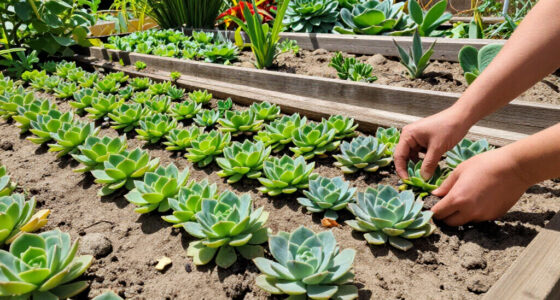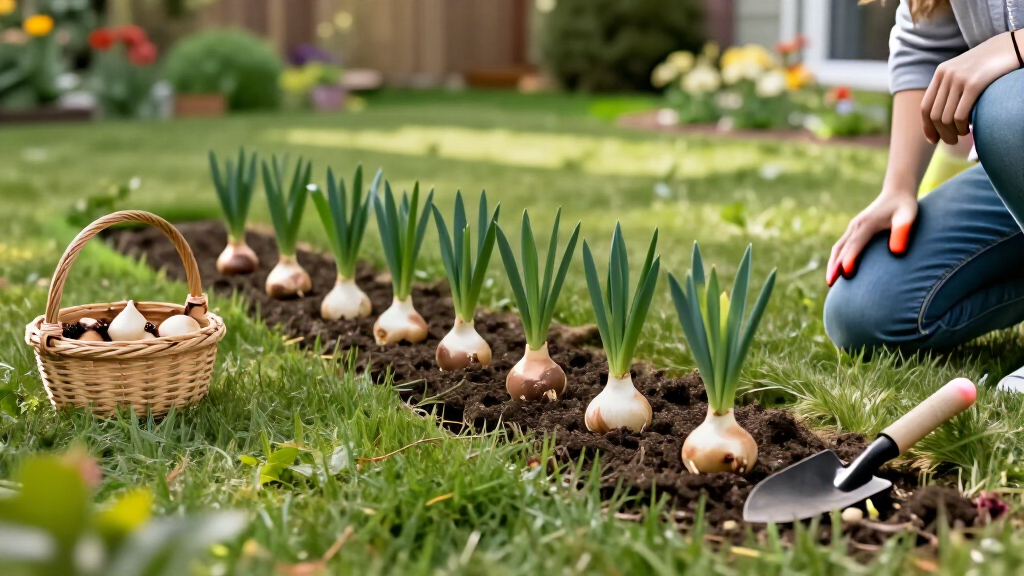
The best bulbs for lawn planting are spring bloomers that flower before regular mowing begins and can grow back in the same spot. My best overall pick is Tended Bloom 40 Mixed Flowering Crocus Bulbs, which suits naturalized patches and gives more variety than a single-color pack. For a bold early display, Orange Monarch Crocus offers a focused splash of color, while the 50 Spring Flower Bulbs collection combines several bulb types for a broader seasonal mix. The main tradeoff is between a coordinated look and varied blooms, along with how much lawn area you want to plant and how long you can delay mowing. Read on for the full comparison, selection criteria, and practical planting advice.

Get garden gear delivered free with Prime
- Fast, free delivery on millions of items
- Prime Video, Amazon Music and more included
- Member-only deals all year
Complete the kit


Key Takeaways
- Mixed crocus packs lead for lawn use: Crocuses flower early and suit small drifts where buyers want color before spring mowing becomes routine.
- The 40-count mixed crocus pack is my best overall pick: It balances a varied display with a manageable planting project, unlike the much larger 50-count options.
- Single-color crocus packs favor a deliberate design: Pickwick’s purple-and-white stripes and Orange Monarch’s orange blooms create a more coordinated effect than mixed colors.
- Large collections trade control for breadth: Packs containing tulips, daffodils, allium, squill, or hyacinths can extend the display, but mixed bloom timing and plant heights make them less uniform in a lawn.
- Allium and gladiolus need more careful placement: Their taller flower forms are better suited to lawn edges or unmown areas than short, frequently cut turf.
| 10 Blue Allium Caeruleum Bulbs for Planting |  | Best for Distinctive Blue Color | Quantity: 10 bulbs | Flower color: Sky blue to azure | Plant height: Approximately 18–32 inches | VIEW LATEST PRICE | See Our Full Breakdown |
| Tended Bloom 100 Mixed Spring Flower Bulbs for Fall Planting |  | Best for a Varied Lawn Display | Brand: Tended Bloom | Quantity: 100 bulbs | Varieties: Crocus, grape hyacinth, Puschkinia, Camassia quamash, and wild hyacinth | VIEW LATEST PRICE | See Our Full Breakdown |
| 12 Pickwick Giant Crocus Bulbs, Purple and White Striped |  | Best for Low-Growing Lawn Color | Quantity: 12 bulbs | Plant type: Large-flowering Dutch crocus | Flower color: Silvery white and pale lilac petals with deep purple stripes and golden orange centers | VIEW LATEST PRICE | See Our Full Breakdown |
| 10 Purple Sensation Allium Bulbs for Planting |  | Best for Tall Purple Accents | Quantity: 10 bulbs | Flower color and shape: Deep-purple globe-shaped clusters of star-shaped florets | Expected plant height: 18 inches | VIEW LATEST PRICE | See Our Full Breakdown |
| Orange Monarch Crocus Bulbs – 10 Count, Brilliant Orange Spring Blooms, Early-Blooming Fall Planting |  | Best for a Warm-Color Lawn Accent | Bulb count: 10 | Color: Orange | Expected bloom period: Summer to winter in the spec data; product description says early spring | VIEW LATEST PRICE | See Our Full Breakdown |
| Mixed Color Crocus Bulbs for Planting, 10 Bulbs |  | Best for Small, Varied Lawn Pockets | Quantity: 10 bulbs | Flower colors: Purple, lavender, white, yellow, striped, and multicolored | Planting time: Fall | VIEW LATEST PRICE | See Our Full Breakdown |
| Tended Bloom 40 Mixed Flowering Crocus Bulbs |  | Best for Naturalizing a Lawn | Quantity: 40 bulbs | Bulb size: 8/9 | Blooming period: Early spring | VIEW LATEST PRICE | See Our Full Breakdown |
| 50 Spring Flower Bulbs: Tulips, Daffodils, Allium, Crocus, and Squill |  | Best for a Longer Spring Display | Bulb count: 50 | Varieties: 10 each of Dutch Master daffodils, mixed tulips, assorted allium, mixed crocus, and squill | Blooming period: Early to late spring | VIEW LATEST PRICE | See Our Full Breakdown |
| 10 Mixed-Color Gladiolus Bulbs (Sword Lilies) |  | Best for Summer Lawn Borders | Quantity: 10 bulbs | Plant type: Perennial flower | Colors: Mixed | VIEW LATEST PRICE | See Our Full Breakdown |
| Garden State Bulb Wild About Mixed Allium Flower Bulbs, 10/12 cm, Fall Planting, 25 Bulbs |  | Best for Pollinator-Friendly Lawn Edges | Quantity: 25 bulbs | Bulb size: 10/12 cm circumference | Hardiness zones: 4–9 | VIEW LATEST PRICE | See Our Full Breakdown |
| Tended Bloom Blue Moon Crocus Bulbs, 50 Count |  | Best for Early Lawn Color | Quantity: 50 bulbs | Bulb size: 8/9 | Bloom colors: Blue, purple, white, and striped | VIEW LATEST PRICE | See Our Full Breakdown |
| Willard & May Mixed Tulip Flower Bulbs, 100-Pack |  | Best for Large Lawn Displays | Quantity: 100 bulbs | Bulb size: 11/12 cm | Color: Mixed | VIEW LATEST PRICE | See Our Full Breakdown |
| 50-Piece Spring Flower Bulb Collection |  | Best for Successional Variety | Bulb count: 50 | Varieties: Darwin Hybrid tulip, botanical crocus, miniature daffodil, Purple Sensation allium, and grape hyacinth | Bloom season: Spring, early to late | VIEW LATEST PRICE | See Our Full Breakdown |
| Willard & May Dutch Master Yellow Daffodil Bulbs, 50 Count |  | Best for a Bold Yellow Accent | Quantity: 50 bulbs | Bulb size: 10/12 cm | Flower color and form: Yellow trumpet blooms | VIEW LATEST PRICE | See Our Full Breakdown |
| Spring Flower Bulb Garden Mix: 75 Tulip, Daffodil, and Hyacinth Bulbs |  | Best for a Deer-Resistant Mixed Display | Bulb count: 75 | Flower types: Tulips, daffodils, and hyacinths | Blooming period: Spring to fall, as listed | VIEW LATEST PRICE | See Our Full Breakdown |
| bulbs for lawn planting | Quantity | USDA hardiness zones |
|---|---|---|
| 10 Blue Allium Caeruleum Bulbs | 10 bulbs | 4–8 |
| Tended Bloom 100 Mixed Spring | 100 bulbs | 4–8 |
| 12 Pickwick Giant Crocus Bulbs | 12 bulbs | — |
| 10 Purple Sensation Allium Bul | 10 bulbs | 3–10 |
| Orange Monarch Crocus Bulbs | — | 4–8 |
| Mixed Color Crocus Bulbs for P | 10 bulbs | — |
| Tended Bloom 40 Mixed Flowerin | 40 bulbs | 3–8 |
| 50 Spring Flower Bulbs: Tulips | — | 3–8 |
| 10 Mixed-Color Gladiolus Bulbs | 10 bulbs | 7–10 |
| Garden State Bulb Wild About M | 25 bulbs | — |
| Tended Bloom Blue Moon Crocus | 50 bulbs | 3–8 |
| Willard & May Mixed Tulip Flow | 100 bulbs | 3–8 |
| 50-Piece Spring Flower Bulb Co | — | 4–7 |
| Willard & May Dutch Master Yel | 50 bulbs | — |
| Spring Flower Bulb Garden Mix: | — | 3–8 |
More Details on Our Top Picks
10 Blue Allium Caeruleum Bulbs for Planting
I’d choose Allium caeruleum when the lawn needs a color few spring bulbs provide: rounded clusters of sky-blue, star-shaped flowers. At 18–32 inches, it stands well above compact lawn crocuses such as Pickwick Giant, so it suits a border edge or a defined planting pocket more than a closely mown expanse. Its late-spring to early-summer bloom also follows the early display from Pickwick, extending the season rather than competing for the same moment. The 10-bulb quantity favors a focused group, and the flowers can attract butterflies and be cut for arrangements. The tradeoff is a narrower site match: it needs full sun and well-drained soil, and its seasonal color is brief.
Pros:- Sky-blue globe clusters offer a distinctive color among the lineup’s crocuses and purple alliums.
- Adds late-spring to early-summer flowers after early-blooming crocuses.
- Can attract butterflies and provide stems for cut flowers.
- Can naturalize in suitable conditions.
Cons:- Requires full sun and well-drained soil.
- The late-spring to early-summer bloom window is limited.
- At 18–32 inches, it is less suited to a closely mown lawn than compact crocus.
Best for: Gardeners with a sunny, well-drained lawn border who want a less common blue accent and can plant bulbs in a grouped pocket.
Not ideal for: Buyers planting shaded, damp lawn areas or seeking low flowers that blend into turf; these alliums grow taller and need suitable drainage.
- Quantity:10 bulbs
- Flower color:Sky blue to azure
- Plant height:Approximately 18–32 inches
- Flower head size:Approximately 1.5 inches across
- Bloom period:Late spring to early summer
- Sunlight:Full sun
- USDA hardiness zones:4–8
- Planting season:Fall
Our verdict“Pick these alliums for a sunny lawn edge where distinctive blue flowers and added height matter more than a low, turf-level display.”
Tended Bloom 100 Mixed Spring Flower Bulbs for Fall Planting
For buyers who want more than one flower shape or color, Tended Bloom’s 100-bulb mix offers five varieties: crocus, grape hyacinth, Puschkinia, Camassia quamash, and wild hyacinth. That variety gives it a broader planting role than the single-color Orange Monarch Crocus, while the listed staggered blooms can spread spring interest across the season. The mix is intended to return as a perennial planting with proper care, making it a better fit for a naturalized drift than a one-season accent. Its 13-inch expected height is also more lawn-friendly than the taller Blue Allium Caeruleum. The tradeoff is less control over a uniform look: buyers choose a mixed display, not a single species or color, and results depend on soil, drainage, and care.
Pros:- Includes five spring-blooming varieties for a more varied display than single-variety crocus or allium packs.
- Staggered bloom timing can extend seasonal color.
- Perennial bulbs may return each spring with suitable care.
- Planting instructions are included on each pack.
Cons:- Fall planting and well-drained soil are required.
- A mixed collection offers less control over the appearance of each lawn area.
- Bloom performance depends on local growing conditions and proper care.
Best for: Homeowners planning a larger naturalized lawn patch who want several spring-blooming varieties and are comfortable with a mixed-color display.
Not ideal for: Gardeners seeking one consistent flower color, exact species placement, or a spring-ready planting without fall preparation.
- Brand:Tended Bloom
- Quantity:100 bulbs
- Varieties:Crocus, grape hyacinth, Puschkinia, Camassia quamash, and wild hyacinth
- Expected bloom season:Spring
- Planting season:Fall
- Sun exposure:Full sun
- USDA hardiness zones:4–8
- Expected plant height:13 inches
- Material feature:GMO-free
Our verdict“Choose this large mixed pack for a varied, naturalized spring display, but choose a single-variety pack if you want a uniform lawn planting.”
12 Pickwick Giant Crocus Bulbs, Purple and White Striped
Pickwick Giant Crocus is the strongest fit here for a low lawn planting: its 4–6-inch height keeps the striped flowers close to the ground, unlike the 18–32-inch Blue Allium Caeruleum. Silvery white to pale lilac petals, deep purple stripes, and golden centers make the flowers easy to distinguish without relying on height. It blooms in early spring, giving it a different job from the later Purple Sensation allium, which flowers in late spring to early summer. The 12 corms can suit a small drift, border, or rock garden, and the plants may naturalize over time. The limitations are timing and site prep: fall planting is needed for spring flowers, and the soil must drain well.
Pros:- Compact 4–6-inch growth suits low lawn edges better than taller alliums.
- Purple-striped petals and golden centers create a distinctive flower pattern.
- Blooms early in spring, ahead of late-spring alliums.
- Can naturalize and multiply under favorable conditions.
Cons:- Corms need fall planting for spring blooms.
- Well-drained soil is needed to reduce the risk of poor performance.
- The 12-corm pack is less suited to covering a large lawn area than the 100-bulb mixed collection.
Best for: Gardeners who want early, low-growing flowers in a sunny-to-partly-shaded lawn edge, rock garden, or naturalized drift.
Not ideal for: Buyers wanting tall flowers, a late-spring display, or planting material that can go in the ground outside the fall season.
- Quantity:12 bulbs
- Plant type:Large-flowering Dutch crocus
- Flower color:Silvery white and pale lilac petals with deep purple stripes and golden orange centers
- Height:4–6 inches
- Bloom period:Early spring
- Sun exposure:Full sun to partial shade
- Hardiness zones:3–9
- Planting season:Fall
Our verdict“Choose Pickwick crocus for a compact early-spring lawn drift; skip it if you want tall stems or a later bloom period.”
10 Purple Sensation Allium Bulbs for Planting
I’d favor Purple Sensation Allium when a lawn planting needs height and strong color rather than a low carpet of flowers. Its deep-purple globes on upright stems can reach 24–36 inches according to the typical growth range, making it a more prominent accent than the 4–6-inch Pickwick Giant Crocus. It blooms in late spring to early summer, so it can carry color after the crocus display fades. Pollinators may visit the flowers, and the blooms can be used fresh or dried. There is a data wrinkle worth factoring into a layout: the listing also gives an expected height of 18 inches, which conflicts with its typical range. It needs full sun, fall planting, and space for foliage to yellow after flowering.
Pros:- Deep-purple globe flowers create more vertical presence than compact crocus.
- Late-spring to early-summer bloom can extend the lawn display beyond early crocus flowers.
- Flowers attract bees and other pollinators.
- Blooms can be used in fresh or dried arrangements.
Cons:- Requires full sun and well-drained soil.
- Foliage should remain until it yellows naturally after flowering.
- The listed 18-inch expected height conflicts with the stated typical 24–36-inch growth range.
Best for: Gardeners with sunny lawn borders who want tall purple flower globes, pollinator appeal, and stems for fresh or dried arrangements.
Not ideal for: Those seeking low flowers within regularly mown turf, or gardeners who cannot leave foliage in place as it yellows after flowering.
- Quantity:10 bulbs
- Flower color and shape:Deep-purple globe-shaped clusters of star-shaped florets
- Expected plant height:18 inches
- Typical growth height:24–36 inches
- Blooming period:Late spring to early summer
- Sunlight exposure:Full sun
- USDA hardiness zones:3–10
- Planting depth:4–6 inches
- Planting season:Fall
Our verdict“Pick Purple Sensation for a sunny border where tall purple globes are welcome, but not for a frequently mown, low-profile lawn planting.”
Orange Monarch Crocus Bulbs – 10 Count, Brilliant Orange Spring Blooms, Early-Blooming Fall Planting
Orange Monarch Crocus is the color-led choice in this group: its orange-to-golden-orange cups offer a warm alternative to Pickwick Giant Crocus’s purple-striped petals and the purple alliums’ globe-shaped flowers. Its compact crocus form is suited to lawn edges, pathways, rock gardens, and naturalized drifts, where a small planting can add early-season contrast. The listing describes the flowers as early spring bloomers, but its spec field says “summer to winter”; that inconsistency makes bloom timing less dependable on the available information than Pickwick’s clearly stated early-spring period. It also calls for full sun and moderate watering, with a stated hardiness range of zones 4–8. This is a focused color choice, not the broad variety of Tended Bloom’s 100-bulb mix.
Pros:- Orange-gold flowers bring a warm color distinct from the lineup’s purple and blue options.
- Compact crocus growth suits borders, pathways, and rock gardens.
- Fall planting fits a naturalized bulb plan.
- Heirloom variety listed as suitable for mass plantings.
Cons:- The bloom description says early spring, while the spec field lists summer to winter.
- Listed for USDA zones 4–8, limiting its stated climate range.
- Full sun is required for best performance.
Best for: Gardeners in USDA zones 4–8 who want a compact orange accent for sunny lawn edges, paths, or small naturalized groups.
Not ideal for: Buyers who need clear, consistent bloom-period information, garden in warmer zones, or want a mixed-color collection with more varieties.
- Bulb count:10
- Color:Orange
- Expected bloom period:Summer to winter in the spec data; product description says early spring
- Sunlight exposure:Full sun
- USDA hardiness zones:4–8
- Soil type:Loam
- Soil moisture needs:Moderate watering
- Material feature:Heirloom
Our verdict“Choose Orange Monarch for a compact orange accent in a sunny zone 4–8 planting, but favor Pickwick if dependable early-spring timing is your priority.”
Mixed Color Crocus Bulbs for Planting, 10 Bulbs
This 10-bulb crocus mix suits a small lawn edge or a few naturalized pockets where color variety matters more than coverage. Purple, lavender, white, yellow, striped, and multicolored flowers offer a less uniform look than the 40-count Tended Bloom crocus mix, but the smaller quantity is easier to place in a limited area. Crocuses bloom in early spring, bringing color before many taller spring flowers emerge, and these perennial bulbs can build into larger colonies over time. The tradeoff is scale: ten bulbs make accents, not a broad lawn display. Colors can also vary within the assortment, so I would skip this if you want a coordinated, single-color planting. Fall planting and well-drained soil are needed for spring flowers.
Pros:- Mix includes several colors and flower patterns for a varied display
- Suitable for naturalized areas as well as beds, borders, and containers
- Perennial bulbs can establish larger colonies over time
Cons:- Ten bulbs provide only a small accent planting
- Flower colors may vary within the assortment
- Must be planted in fall for spring blooms
Best for: Gardeners adding a few varied early-spring crocus clusters to a lawn edge, border, or container.
Not ideal for: Anyone seeking broad lawn coverage or a predictable, uniform flower color; this pack has only 10 bulbs and its color mix varies.
- Quantity:10 bulbs
- Flower colors:Purple, lavender, white, yellow, striped, and multicolored
- Planting time:Fall
- Sunlight exposure:Full sun
- Hardiness zones:4–8
- Soil type:Loam
- Soil moisture:Moderate watering
- Product type:Heirloom perennial bulbs
Our verdict“Choose this small mixed-color pack for scattered early-spring accents, but pick Tended Bloom’s 40-count crocuses for a fuller lawn display.”
Tended Bloom 40 Mixed Flowering Crocus Bulbs
For a lawn planting that should read as a broad sweep rather than a handful of dots, this 40-bulb crocus mix offers a useful middle ground between the 10-bulb mixed crocus pack and much larger mixed-flower collections. Its 5-inch height keeps the early-spring blooms close to the ground, while the 1–2-inch spacing supports compact groupings. The bulbs are suited to lawns, and their range of colors can bring a more informal look than a single-color planting. They can return year after year, but only if their foliage is left to mature; that means delaying mowing in the planted area. Compared with the small 10-count crocus option, this requires more room and care after flowering, but it is better suited to establishing a visible colony.
Pros:- Forty bulbs allow a more noticeable grouping than a 10-bulb crocus pack
- Compact 5-inch plants suit lawn edges and low-growing displays
- Tolerates full sun to partial shade
- Listed as deer resistant and attractive to pollinators
Cons:- Foliage must mature naturally for bulbs to return
- Requires fall planting in well-drained soil
- Mixed colors offer less control over the final color arrangement
Best for: Homeowners with a sunny or partly shaded lawn area who can leave the crocus foliage unmown until it matures.
Not ideal for: People who mow their entire lawn soon after spring flowers fade, or gardeners seeking a tall, summer-blooming display.
- Quantity:40 bulbs
- Bulb size:8/9
- Blooming period:Early spring
- Planting period:Fall
- Planting depth:2–4 inches
- Plant spacing:1–2 inches
- Expected plant height:5 inches
- USDA hardiness zones:3–8
- Sun exposure:Full sun to partial shade
Our verdict“Pick this mix for a low, colorful lawn colony if you can postpone mowing until its foliage has matured.”
50 Spring Flower Bulbs: Tulips, Daffodils, Allium, Crocus, and Squill
This collection is the broadest choice here for buyers who want a lawn-adjacent planting to change as spring progresses: its five bulb varieties are described as flowering from early to late spring. It includes crocus for a low early start, along with daffodils, tulips, allium, and squill for greater variety than either dedicated crocus pack. The bulbs are packed separately, which helps identify the types when planning placement. That variety comes with a lawn-specific compromise: taller tulips, daffodils, and allium are less suited to an area that needs regular mowing than short crocuses. Compared with the 40-count Tended Bloom crocuses, this is a better fit for a mixed bed bordering a lawn, not a simple, mowable turf planting.
Pros:- Combines five bulb varieties for a more varied spring planting
- Blooming period spans early to late spring
- Bulb types are packed separately for easier identification
- Hardiness range covers USDA zones 3–8
Cons:- Mixed heights and varieties are less suited to a uniform lawn planting
- Requires fall planting in well-drained soil
- Needs moderate watering and thorough watering after planting
Best for: Gardeners planning a mixed spring border beside a lawn who want several flower types across an extended season.
Not ideal for: Anyone planting directly into frequently mown turf or wanting one consistent, low-growing flower across the lawn.
- Bulb count:50
- Varieties:10 each of Dutch Master daffodils, mixed tulips, assorted allium, mixed crocus, and squill
- Blooming period:Early to late spring
- Sunlight exposure:Full sun to partial sun
- USDA hardiness zones:3–8
- Planting instructions:Plant in fall in sun and well-drained soil; water thoroughly after planting
- Colors:Yellow, purple, blue, white, and mixed tulip colors
- Soil type:Loam
Our verdict“Choose this collection for a diverse spring border beside the lawn, rather than for a low planting in turf that needs regular mowing.”
10 Mixed-Color Gladiolus Bulbs (Sword Lilies)
Gladiolus are a different kind of lawn planting from the spring crocuses in this roundup: these bulbs produce summer flower spikes up to 48 inches tall, making them a better choice for a sunny border or container beside the lawn than for planting within mowable turf. Their mixed colors and tall stems can also supply cut flowers, while the 10-bulb quantity works for a modest vertical accent rather than a large display. Compared with Garden State Bulb’s 25 mixed alliums, gladiolus offer greater height but bloom later and are limited to zones 7–10. Plant after the last frost in full sun and well-drained soil. This pick is a poor match for cool-climate lawn naturalizing or anyone seeking low, early-spring flowers.
Pros:- Tall spikes add vertical color along a lawn border
- Mixed blooms can be used as cut flowers
- Can be grown in gardens or containers
Cons:- Reaches up to 48 inches, making it unsuitable for low lawn coverage
- Planting must wait until after the last frost
- Hardiness is limited to USDA zones 7–10
Best for: Gardeners in USDA zones 7–10 who want tall summer color in a sunny lawn border or container and may cut flowers for indoor use.
Not ideal for: Buyers seeking early-spring blooms, low flowers within mowable turf, or bulbs for regions outside zones 7–10.
- Quantity:10 bulbs
- Plant type:Perennial flower
- Colors:Mixed
- Maximum height:48 inches
- Blooming period:Summer
- Sunlight:Full sun
- USDA hardiness zones:7–10
- Planting depth:1–2 inches
Our verdict“Choose these gladiolus for a sunny summer border in a warm climate, not for an early-blooming lawn carpet.”
Garden State Bulb Wild About Mixed Allium Flower Bulbs, 10/12 cm, Fall Planting, 25 Bulbs
These 25 mixed allium bulbs are best treated as a tall, late-spring-to-early-summer accent along a lawn edge, not as flowers to scatter through grass that needs frequent mowing. At 24–36 inches tall with blooms 4–6 inches wide, they create a more architectural display than the short, early-flowering Tended Bloom crocuses. Their purple and white flowers attract pollinators, and the bulbs are listed as deer and squirrel resistant and tolerant of dry conditions. The tradeoff is a narrower planting role: they need fall planting, well-drained soil, and enough space for their height and large flower heads. If you want early color close to the ground, the 40-count crocus mix fits lawn naturalizing better.
Pros:- Twenty-five bulbs support a substantial border grouping
- Flowers attract pollinators and are suitable for cutting
- Listed as deer and squirrel resistant
- Tolerates dry conditions
Cons:- Mature height of 24–36 inches makes it unsuitable for low lawn coverage
- Color assortment can vary by package
- Requires fall planting in well-drained soil
Best for: Gardeners creating a sunny-to-partly-shaded lawn border who want late-spring flowers, pollinator interest, and stems for cutting.
Not ideal for: Anyone seeking short flowers within regularly mown turf, early-spring blooms, or a fixed purple-and-white color ratio.
- Quantity:25 bulbs
- Bulb size:10/12 cm circumference
- Hardiness zones:4–9
- Light requirements:Full sun to partial shade
- Planting time:Fall
- Bloom time:Late spring to early summer
- Mature height:24–36 inches
- Bloom size:4–6 inches wide
- Colors:Purple and white
Our verdict“Pick these alliums for a taller, pollinator-friendly lawn edge, but choose crocuses if you need a low early-spring planting.”
Tended Bloom Blue Moon Crocus Bulbs, 50 Count
For a lawn planting that prioritizes low spring color over tall stems, I’d choose this 50-count crocus mix. Its blue, purple, white, and striped flowers reach about five inches, so they sit close to the ground rather than creating the taller display offered by the Willard & May Mixed Tulips. Crocuses can suit naturalized areas, and this mix is also listed for beds, containers, and indoor forcing. The tradeoff is timing and site preparation: you need to plant in fall, and the soil must drain well. Its 2–4-inch planting depth and fall schedule make it a more specific lawn project than a ready-to-plant spring option, while moderate watering is part of its care profile. I’d favor it for a colorful, compact early-spring effect, not for a bold, high-reaching display.
Pros:- Four bloom color patterns add variety across a lawn planting.
- Five-inch expected height keeps flowers low compared with tulips and daffodils.
- Can be used outdoors, in containers, or for indoor forcing.
- Listed as low maintenance and pollinator-attracting.
Cons:- Fall planting is required for spring blooms.
- Well-drained soil is needed, which can limit planting in soggy lawn areas.
Best for: Gardeners planting a sunny or partly shaded lawn patch who want compact, mixed-color spring flowers and are comfortable planting corms in fall.
Not ideal for: Buyers seeking tall flowers for cutting or gardeners with persistently wet, poorly drained lawn soil.
- Quantity:50 bulbs
- Bulb size:8/9
- Bloom colors:Blue, purple, white, and striped
- Expected bloom season:Spring
- Expected height:5 inches
- Planting season and depth:Fall; 2–4 inches
- Sun exposure:Full sun to partial shade
- USDA hardiness zones:3–8
Our verdict“Choose this mix for low-growing, colorful spring flowers in a well-drained lawn, rather than for height or cut-flower stems.”
Willard & May Mixed Tulip Flower Bulbs, 100-Pack
If the goal is to fill a broad lawn edge or naturalized planting with spring color, I’d shortlist this 100-bulb tulip pack. It combines assorted colors with early-, mid-, and late-season types, so the display is designed to span more of spring than the Tended Bloom Blue Moon Crocus, which stays low and focuses on crocus blooms. Tulips also bring sturdy stems suited to cutting, giving this pack more use beyond the lawn. The scale has a tradeoff: tulips stand taller than crocuses, so they create a more visible, formal-looking patch rather than a subtle carpet. The listing calls for fall planting in well-drained soil and describes low watering needs; it does not specify planting depth or a precise flower-color mix. I’d pick it for coverage and a longer tulip season, not for a low-profile lawn.
Pros:- 100 bulbs offer broad coverage for mass planting.
- Early-, mid-, and late-season varieties extend the spring display.
- Mixed colors create a less uniform planting than a single-color bulb selection.
- Sturdy stems are suited to cutting.
Cons:- Requires fall planting in well-drained soil.
- Tulips create a taller display than lawn-friendly compact crocuses.
- Exact colors and planting depth are not provided in the supplied product details.
Best for: Gardeners with a larger lawn border or open planting area who want a substantial, mixed-color tulip display and stems for cutting.
Not ideal for: Buyers seeking tiny, low-growing flowers that blend into turf, or those who need exact color counts and detailed planting-depth guidance.
- Quantity:100 bulbs
- Bulb size:11/12 cm
- Color:Mixed
- Bloom timing:Early-, mid-, and late-season spring varieties
- Planting period:September to December
- Sun exposure:Partial sun
- USDA hardiness zones:3–8
- Watering:Little to no watering
Our verdict“Pick this pack for a large, season-spanning tulip display, but choose crocuses if you want flowers that stay close to the lawn.”
50-Piece Spring Flower Bulb Collection
I’d choose this collection when a lawn planting needs more than one kind of spring flower. Its five varieties—crocus, miniature daffodil, grape hyacinth, allium, and Darwin Hybrid tulip—are intended to bloom in succession from early to late spring, giving it broader variety than the single-type Blue Moon Crocus. That mix can make a naturalized area feel less uniform and adds pollinator appeal. The tradeoff is that the listing gives one expected height of 12 inches even though the collection contains several bulb types, so it offers less certainty about the shape and height of each patch. It also suits USDA zones 4–7, a narrower range than the Willard & May tulip pack’s zones 3–8. I’d favor it for gardeners who want a varied sequence and can plan around a mixed planting.
Pros:- Five bulb varieties provide more visual variety than a single-species planting.
- Bloom succession is described as lasting from early to late spring.
- Pollinator-attracting flowers add more than color to the garden.
- Suitable for naturalized areas as well as beds, borders, and containers.
Cons:- The mixed varieties make the planting’s exact appearance less predictable.
- The listed zone range of 4–7 is narrower than the 3–8 range for the Willard & May mixed tulips.
- Fall planting and well-drained soil are required.
Best for: Gardeners in USDA zones 4–7 who want a varied lawn or border planting with different flower types appearing across spring.
Not ideal for: Buyers who need a uniform flower height, a single-color lawn effect, or hardiness beyond zones 4–7.
- Bulb count:50
- Varieties:Darwin Hybrid tulip, botanical crocus, miniature daffodil, Purple Sensation allium, and grape hyacinth
- Bloom season:Spring, early to late
- Planting season:Fall
- Expected height:12 inches
- Sun exposure:Full sun
- Soil type and moisture:Loam; moderate watering
- USDA hardiness zones:4–7
Our verdict“Choose this collection for a varied, staggered spring display in zones 4–7, rather than a consistent single-flower lawn planting.”
Willard & May Dutch Master Yellow Daffodil Bulbs, 50 Count
For a lawn planting where a clear block of yellow matters more than a mixed palette, I’d pick these Dutch Master daffodils. Their large trumpet blooms and roughly 45-centimeter height create a stronger vertical accent than the five-inch Blue Moon Crocus, while the single yellow color gives the planting a more coordinated look than the multi-variety spring collection. The bulbs are listed for gardens, borders, beds, pots, and containers, so they can anchor a lawn edge as well as a dedicated bed. Their main tradeoff is that this is a taller, more deliberate display rather than a low carpet that blends into grass. Planting is recommended from September to December, and the supplied details call for sandy soil and little to no watering without offering much further care guidance. I’d reserve them for visible planting zones with suitable drainage.
Pros:- Large yellow trumpet blooms create a distinct, coordinated color block.
- Expected height of about 45 cm adds more visual presence than compact crocuses.
- Can be planted in borders, beds, pots, or containers.
- Listed as hardy and easy to grow.
Cons:- Fall planting is recommended for spring flowering.
- The taller growth is less suited to a low-profile lawn effect.
- Care information is limited, particularly beyond the stated low watering needs.
Best for: Gardeners who want a defined yellow feature along a lawn edge or in a nearby bed and have fall planting space in sandy, well-drained soil.
Not ideal for: Buyers seeking low-growing flowers within turf or gardeners who need detailed care instructions for soil and watering.
- Quantity:50 bulbs
- Bulb size:10/12 cm
- Flower color and form:Yellow trumpet blooms
- Expected height:45 cm
- Planting period:September to December
- Sun exposure:Full sun or partial shade
- Soil type:Sandy soil
- USDA hardiness zone:3
Our verdict“Choose these daffodils for a bold yellow lawn-edge accent, not for flowers intended to stay close to the grass.”
Spring Flower Bulb Garden Mix: 75 Tulip, Daffodil, and Hyacinth Bulbs
This 75-bulb mix is the broad-coverage choice for buyers who want tulips, daffodils, and hyacinths together rather than a single flower type. The listing describes the mix as cold-hardy and deer-resistant, a useful distinction from the Blue Moon crocuses, which offer a more compact profile but no stated deer resistance. The taller tulips and daffodils, listed at 12–20 inches, suit a lawn border or bed better than flowers meant to disappear into turf; hyacinths add a shorter layer. The main compromise is limited planning detail: the specific colors and number of each bulb type are not stated, making the final layout harder to predict than the clearly defined varieties in the 50-Piece Spring Flower Bulb Collection. I’d choose this for a larger mixed border, not for a precise color scheme.
Pros:- 75 bulbs provide material for a larger border or flowerbed.
- Combines tulips, daffodils, and hyacinths in one planting.
- Listed for USDA zones 3–8.
- Described as cold-hardy and deer-resistant.
Cons:- Specific flower colors and quantities by type are not stated.
- Fall planting is required for spring blooms.
- Tulips and daffodils reach 12–20 inches, making the mix taller than crocus-focused lawn plantings.
Best for: Gardeners filling a larger lawn border who want three flower types, cold-hardy bulbs, and a mix described as deer-resistant.
Not ideal for: Buyers who need exact color proportions, a known count of each flower type, or a low-growing display within frequently mown turf.
- Bulb count:75
- Flower types:Tulips, daffodils, and hyacinths
- Blooming period:Spring to fall, as listed
- Planting period:September to December
- USDA hardiness zones:3–8
- Tulip and daffodil height:12–20 inches
- Hyacinth height:8–12 inches
- Special features:Cold-hardy and deer-resistant
Our verdict“Choose this mix for a substantial, deer-resistant flowerbed or lawn border, but skip it if you need a predictable color plan.”
How We Picked
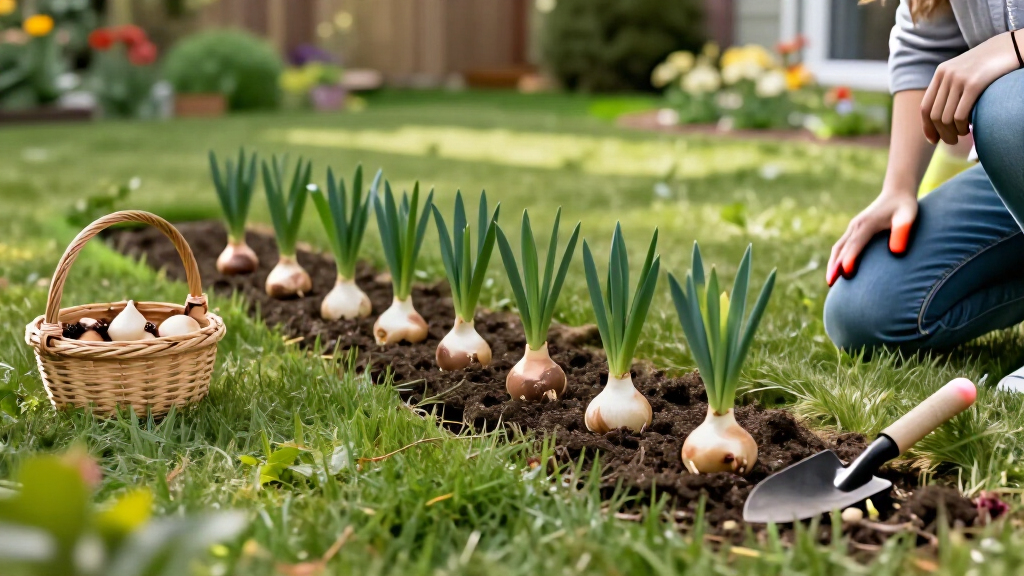
I ranked these options for the particular demands of planting bulbs in a lawn, rather than treating them as interchangeable garden flowers. I considered whether the named bulb types suit naturalizing among grass, how bloom timing and plant height affect mowing, and whether a single-color or mixed pack makes it easier to plan a coherent patch. Pack size and the range of included bulbs also mattered: a larger count can cover more ground, but a collection with several species may produce a less even display.
The leading spots go to crocus options because their early spring blooms are a strong fit for lawn areas that will later be mown. The mixed 40-count crocus pack ranks ahead of the single-color options for buyers seeking variety without a sprawling project; the striped and orange packs serve narrower design preferences. Broad collections and tulips offer more species or color potential, but their mix, height, or bloom schedule can make lawn placement and mowing plans more involved. Allium and gladiolus rank lower for open turf because their taller forms call for more deliberate placement. Product names and pack descriptions guide this comparison; exact bloom dates and performance can vary with local conditions.
Factors to Consider When Choosing Best Bulbs For Lawn Planting
A bulb pack that looks appealing on its own may not suit a lawn that gets cut on a regular schedule. I’d choose by matching bloom timing, mowing habits, and the size of the planting area before deciding between a focused crocus drift and a broader mixed collection.
Match bloom timing to your mowing routine
For lawn planting, the practical question is not only when flowers appear, but how long the leaves need to remain after blooms fade. Bulb foliage helps replenish the bulb, so cutting it while it is still green can weaken future flowering. Early crocuses are often easier to fit around spring mowing than a collection with several bulb types and staggered bloom periods. Before buying, think about when you usually make the first few cuts and whether you can leave planted patches uncut for a while. If your lawn must be kept short throughout spring, keep bulbs to an edge or a clearly marked island rather than scattering them across the turf. A longer mowing pause makes a wider range of bulbs practical.
Decide between a naturalized drift and a designed pattern
Mixed colors can give a relaxed, informal effect, while a single variety creates a clearer band or repeated cluster. A mixture may also bloom unevenly, so it can look less coordinated than its packaging suggests. For a naturalized lawn, plant groups in loose drifts rather than in a rigid grid; repeated small clusters usually blend more naturally into grass. For a formal look, repeat one color or variety in several spots so the planting reads as intentional from a distance. Avoid combining too many colors in a small area, where different bloom shapes can compete rather than form a unified patch. Choose the visual plan before selecting pack size.
Use height and flower form to pick the right lawn location
Low-growing bulbs are easier to integrate into open turf than taller flower stems, which can look out of scale in a closely cut lawn. Alliums and gladiolus are better candidates for lawn margins, borders, or sections that stay unmown than for a path used for routine mowing. A tall flower can also be more exposed to foot traffic and may be harder to keep upright in a frequently used area. Crocuses make more sense for open lawn patches where an early display is the priority. Check the named varieties and expected mature height before mixing bulb types. A placement plan can prevent a varied pack from becoming a mix of flowers that need different care.
Buy for the area you can actually plant and maintain
A high bulb count is useful only if you have enough suitable lawn and time to plant the bulbs at a consistent depth and spacing. Estimate the planting patch first, then decide whether one larger pack or several small packs gives you more control over the layout. Large collections can simplify buying but may include species you would rather place elsewhere. Smaller packs are easier to assign to separate color blocks or test patches, though they may cover less ground. Do not spread bulbs too thinly simply to use every bulb across a large lawn; sparse, random flowers can look accidental. Leave room for the plants to return and for their foliage to mature after flowering.
Check local growing conditions before choosing a mix
Bulb suitability depends on more than the product label: drainage, sunlight, winter conditions, and local climate all affect results. Waterlogged soil can be a poor fit for many bulbs, so a naturally soggy lawn may need a raised edge planting or a different site. A sunny lawn and a shaded lawn can also support different bloom performance, and a varied collection may contain bulbs with different preferences. Look for planting and climate information for each named bulb type rather than assuming every item in a mixed pack shares the same needs. If the pack gives limited detail, choose a simpler variety whose requirements you can verify. Matching the site first can save effort that no pack size can make up for.
Treat bulb foliage as part of the lawn plan
Flowers are brief; the leaves often remain after the display and need time to fade naturally. That means the planting design should include how you will handle untidy foliage, not just how the lawn looks in bloom. Place bulbs where you can tolerate a temporary patch of longer grass, or where later-growing plants can soften the fading leaves. Resist tying or cutting foliage early to make the area look neat, since this can limit the bulb’s ability to store energy. If a fully uniform lawn is non-negotiable, use a small dedicated planting island instead of naturalizing bulbs through the main mowing area. This maintenance reality can matter more than choosing between two similar color options.
Frequently Asked Questions
Which bulbs in this roundup are easiest to fit into a lawn that gets mown in spring?
The crocus options are the most lawn-focused choices in this lineup because they provide early color and suit small patches in grass. The mixed 40-count crocus pack is my all-around choice; Pickwick and Orange Monarch are better if you want a defined color effect. Even early bloomers need their leaves left to fade after flowering, so they are not a way to keep every part of the lawn on a normal mowing schedule. Plant them where you can delay cutting or mow around the patch. If that is not possible, use an edge or a separate bed instead.
Can I mow over bulbs once the flowers have disappeared?
Not just because the flowers are gone: the green leaves still help the bulb store energy for later seasons. Wait until foliage has yellowed and died back before cutting the area normally. The waiting period varies with the bulb and local growing conditions, so a mixed collection can be harder to manage than a single early-flowering type. Mark the planting area or set it aside from your routine mowing route so it is not cut by habit. If keeping the lawn uniformly short is a priority, limit bulbs to a small patch you can leave alone.
Should I choose a mixed bulb collection or one variety for planting in grass?
Choose one variety if you want a predictable look and a simpler mowing plan; a single crocus type is easier to group and maintain as one patch. A mixed collection adds more flower forms or colors, but can produce uneven bloom timing and height. The 50-bulb collection with tulips, daffodils, allium, crocus, and squill offers breadth, while the mixed crocus packs keep the selection within one broad bulb group. For open lawn, simplicity is usually easier to coordinate with mowing. A mixed collection makes more sense when you can assign different types to borders or separate islands.
Are allium and gladiolus good choices for planting directly in a lawn?
They can work in a lawn setting, but their taller forms make placement more important than with crocuses. I would favor lawn edges, borders, or areas left longer over a central patch that gets cut often. This is especially relevant for the Purple Sensation and Blue Allium options, as well as the mixed gladiolus pack. A tall bloom can be visually striking, but it may interrupt a low, naturalized look and complicate mowing. If you want a uniform carpet of early flowers, choose crocuses instead.
Is a larger bulb pack always better value for a lawn project?
No; a larger count helps only when the planting area and bulb mix suit your plan. The 50-count crocus options may cover a broader patch than a 10-bulb pack, but a 100-bulb tulip pack or a multi-species collection asks for more space and a longer-term care plan. Unused bulbs or a mix that does not fit your site can make a large pack a poor match. Measure the area, check the bulb types, and decide whether you want a dense drift or several smaller clusters. Buying a manageable quantity is often the better choice for a first lawn planting.
Conclusion
For most lawn projects, I’d start with Tended Bloom 40 Mixed Flowering Crocus Bulbs as the best overall pick: it offers a varied early display without the scope of the larger packs. For best value by coverage, compare the 50-count crocus choices, especially Blue Moon if you want a blue-focused patch, while recognizing that count alone does not determine fit. There is no clear premium pick based on the supplied product details; if you want a distinctive focal look, 10 Purple Sensation Allium Bulbs are a more specialized choice for an edge or unmown area. For beginners, a simple crocus pack such as Orange Monarch or Pickwick makes color and placement easier to plan than a multi-species collection. For a broader seasonal display, choose the 50-bulb spring collection or the 75-bulb tulip, daffodil, and hyacinth mix, but reserve separate spaces for different flower types. Whichever option you choose, match the planting to a lawn area where you can let foliage fade before mowing normally.
Halloween Picks
halloween
As an affiliate, we earn on qualifying purchases.