TL;DR

Get garden gear delivered free with Prime
- Fast, free delivery on millions of items
- Prime Video, Amazon Music and more included
- Member-only deals all year
A Homes & Gardens report recommends mulching perennials, shallow-rooted or newly planted shrubs, dormant strawberries in colder climates, and fall-planted garlic in October. It advises against organic mulch around Mediterranean herbs, succulents and cacti, which prefer drier conditions; the right choice depends on local soil and weather.
Homes & Gardens’ October 2026 gardening report recommends fall mulch for four plant groups—perennials, shrubs, strawberries and garlic—while advising gardeners to avoid thick organic mulch around Mediterranean herbs, succulents and cacti. The guidance matters because mulch can insulate roots and conserve soil moisture, but in plants that prefer dry conditions it may trap moisture around stems and crowns.
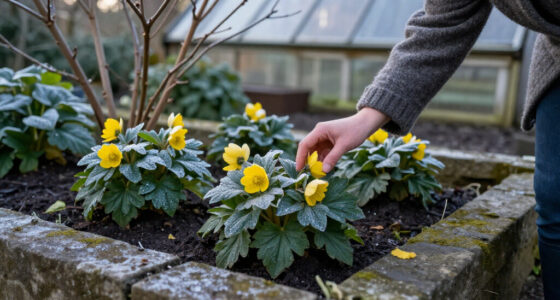
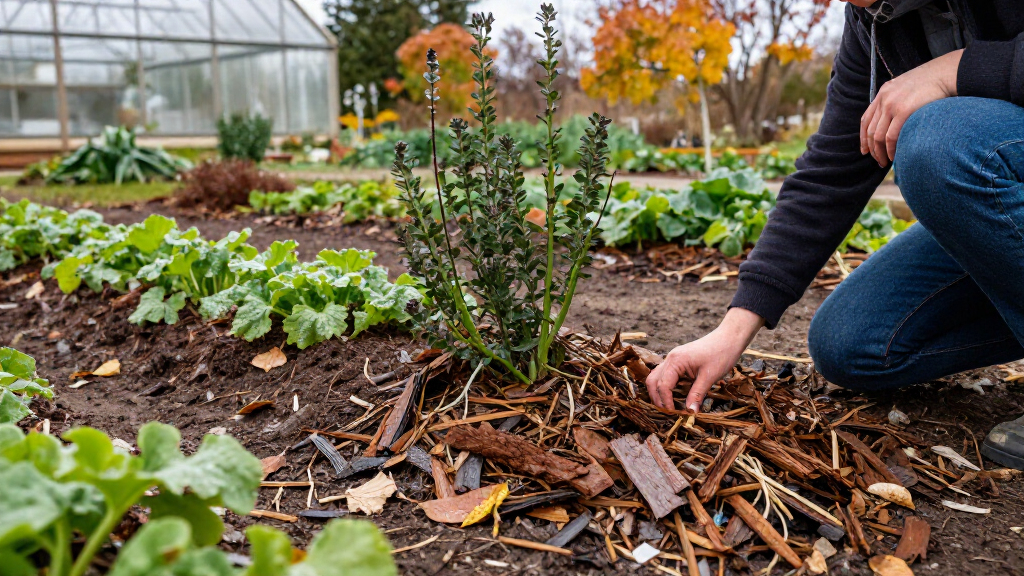
The report says a layer of organic mulch can help retain residual warmth in the soil, reduce moisture loss and protect roots from cold. It recommends materials such as compost, chopped leaves, bark and pine straw. For perennial beds, it suggests a 2–3-inch layer after weeding. Examples include hostas, coneflowers, daylilies, black-eyed Susans, peonies, salvias and coral bells. The article says leaving perennial stems and seed heads over winter can also provide food and habitat for wildlife.
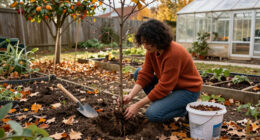
Shallow-rooted shrubs, including azaleas, hydrangeas, spireas and euonymus, are listed as candidates, as are shrubs planted during the current season. The report recommends 2–3 inches of wood chips or shredded bark, kept a few inches away from trunks and stems. It also recommends mulching strawberries in colder areas, particularly U.S. hardiness zones 6 and below, after the plants become dormant. Remove dead or diseased foliage first, use a couple of inches of straw, and leave each plant’s crown uncovered.
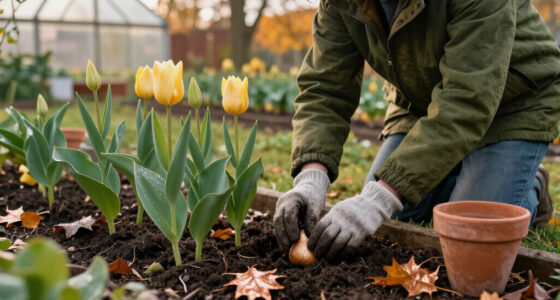
For fall-planted garlic, the article suggests a light covering of straw or chopped leaves to reduce exposure to cold and repeated freezing and thawing. By contrast, it warns that organic mulch around rosemary, lavender, sage and oregano can retain the moisture these herbs do not prefer. It makes a similar caution for succulents and cacti. Horticultural gravel is offered as an alternative around Mediterranean herbs.
How Mulch Helps—and Can Harm
The report’s practical point is that fall mulching is not a one-size-fits-all task. A protective layer can reduce temperature swings around roots and help newly planted or shallow-rooted plants face winter conditions. But the same moisture-retaining effect may create conditions favorable to rot around plants adapted to dry, well-drained soil.
Placement and timing matter as much as material. Mulch piled against woody stems can provide rodents with cover and access to bark, while mulch covering a strawberry crown can hold excess moisture. For gardeners, following the plant-specific advice may help avoid damage caused by applying a uniform layer across the whole garden.
natural straw mulch for strawberries and garlic
As an affiliate, we earn on qualifying purchases.
As an affiliate, we earn on qualifying purchases.
October Mulching by Plant Type
The Homes & Gardens article frames its recommendations around the conditions plants face as temperatures fall: frost, freezing and thawing, and changing soil moisture. The four groups it identifies are not interchangeable. Perennials and shrubs are discussed in relation to root protection and frost heave; strawberries are tied to dormancy and colder climates; garlic is addressed as a crop planted in fall that establishes roots before winter.
The report’s advice is conditional rather than universal. It says whether to mulch depends on the soil, local conditions and the plant. It does not provide a single mulch schedule suitable for every region, nor does it specify a separate date for each hardiness zone. Gardeners should therefore treat the October timing as seasonal guidance, not a fixed instruction detached from local weather.
“When mulch is piled directly against trunks or stems, it provides both protection and easy access for rodents, which can ultimately lead to the decline or death of the plant.”
— Wendy Hanson Mazet, plant diagnostician for the University of Nevada, Reno Extension, as quoted by Homes & Gardens
shredded bark mulch for shrubs and perennial garden beds
As an affiliate, we earn on qualifying purchases.
As an affiliate, we earn on qualifying purchases.
Local Conditions Still Matter
The source does not give region-by-region dates, local temperature thresholds beyond its strawberry guidance for zones 6 and below, or detailed adjustments for different soil types. It also does not quantify how much protection a particular mulch provides in a given climate. The recommendations are general seasonal guidance, and the report itself says the decision depends on plant and site conditions.
It is also not clear from the article how deep mulch should be around succulents and cacti, or whether any particular species in those groups would benefit from a different approach. Gardeners should avoid treating the warning about thick organic mulch as a species-by-species assessment.
horticultural gravel for lavender rosemary and Mediterranean herbs
As an affiliate, we earn on qualifying purchases.
As an affiliate, we earn on qualifying purchases.
Check Plants Before Applying Mulch
For October garden work, first identify which plants are entering dormancy and which need dry conditions. Apply the recommended mulch only after checking the plant’s needs: keep shrub stems clear, wait for strawberries to become dormant before covering them, and leave strawberry crowns exposed. For herbs, succulents and cacti, avoid heavy organic layers and maintain the drainage conditions they require.
As temperatures and soil conditions vary by location, gardeners should adjust the timing and amount to local weather and their plants’ condition. The report gives no further announcement or follow-up timetable; its guidance is aimed at the current fall gardening season.
garden leaf mulch compost for winter plant protection
As an affiliate, we earn on qualifying purchases.
As an affiliate, we earn on qualifying purchases.
Key Questions
Which four plant groups does the report recommend mulching in October?
It names perennials, shrubs, strawberries and garlic. The advice varies by plant and climate, particularly for strawberries, which the article highlights for colder areas.
How deep should mulch be around perennials and shrubs?
The report recommends 2–3 inches for perennial beds and shrubs. Keep mulch a few inches away from shrub trunks and stems rather than piling it against them.
When should strawberries be mulched?
Wait until strawberry plants are dormant, which the article describes as a point when they lose their bright green color and begin to look reddish and wilted. Use straw around the plants, but do not cover the crowns.
Which plants should not receive thick organic mulch?
The report cautions against heavy organic mulch around lavender, rosemary, sage, oregano, succulents and cacti, because retained moisture may contribute to rot in plants that prefer dry conditions.
Source: rss
Fall Picks
fall essentials
As an affiliate, we earn on qualifying purchases.