
TL;DR

Get garden gear delivered free with Prime
- Fast, free delivery on millions of items
- Prime Video, Amazon Music and more included
- Member-only deals all year
Javelina-proof fencing needs to be at least 5-6 feet tall, made from heavy-duty, chew-proof materials, and include secure gates. Combining these elements with habitat management offers the best protection for your garden.
If you’ve ever watched a javelina squeeze through a tiny gap or scale a fence, you know they’re more determined than they look. These wild pig-like animals are experts at finding weak spots and turning your garden into their buffet. Protecting your plants and landscaping means understanding what it takes to build a fence they can’t breach.
This guide gives you the straightforward facts on fence height, materials, and gate design that actually hold up against these clever, stubborn critters. No fluff, just practical advice rooted in real-world experience and expert tips. Ready to turn your yard into a javelina-proof zone? Let’s get started.
Build fences at least 5-6 feet tall—javelinas are capable of climbing lower structures.
Use heavy-gauge welded wire or galvanized steel panels to stand up to chewing and digging.
Extend fencing 12-18 inches underground to prevent digging underneath.
Design gates with secure latches, tight seals, and no gaps—these are weak points for javelinas.
Combine fencing with habitat management—eliminate water sources and attractants for better protection.
Javelina-Proof Fencing: Heights, Materials & Gates That Hold
Javelinas are expert climbers, diggers, and gap-squeezers. A 4-foot fence is an invitation; a tall, buried, chew-proof barrier with sealed gates is a real defense. Here are the facts on height, materials, and gate design that actually hold up.
Why Your Fence Needs to Be Taller Than You Think
What Javelinas Can’t Chew Through
| Material | Chew-proof | Dig-proof rigidity | Lifespan | Verdict |
|---|---|---|---|---|
| Chicken wire | ✗ | ✗ | Poor | Avoid |
| Plastic / poly fencing | ✗ | ✗ | Poor | Avoid |
| Composite materials | ~ | ✓ | Fair | Situational |
| 14-gauge welded wire | ✓ | ✓ | Good | Best value |
| Galvanized steel panels | ✓ | ✓ | Excellent | Gold standard |
A Fence They Can’t Climb, Chew, or Dig Under
Go 5–6 ft high
Taller fences defeat climbing attempts and deter even persistent visitors.
Use heavy-duty wire or steel
Heavy-gauge welded wire or galvanized panels — no gaps or holes anywhere.
Bury 12–18 inches
Extend fencing underground to block their natural digging strategy.
Angle the top outward
An overhang, slope, or barbed wire top makes climbing extremely difficult.
Add electric wires
Low-voltage wires along the top or base add a surprising, non-lethal shock.
“A homeowner installed a 6-foot welded wire fence with an outward slant at the top, buried 18 inches deep. The javelinas tried to dig and climb — the design held firm.”
Real-world case · Sonoran Desert regionSeal the Weak Points
Gates That Won’t Let Javelinas Slip In
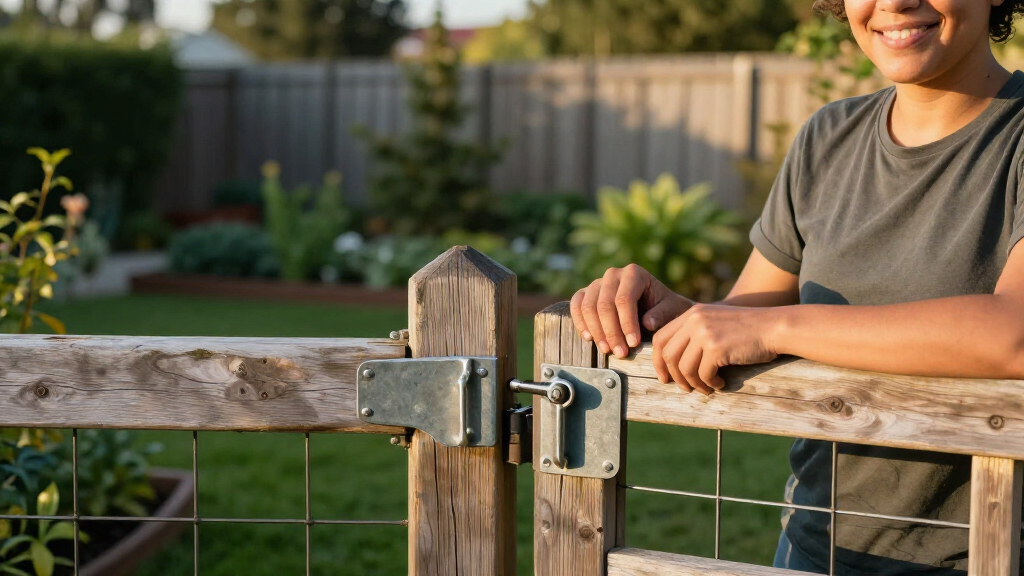
Match gate height and sturdiness to the fence. Use heavy-duty hinges, a tight bottom seal, and a lockable double latch. Even a ¼-inch gap is an entry point — inspect regularly.
A Powerful Extra Layer of Defense
Low-voltage shock wires along the top or inside the fence. Test regularly and keep vegetation clear. One desert gardener’s 2-wire strip stopped climbing attempts altogether.
Know Your Local Rules First
Some counties require permits for fences over 6 feet — a Tucson homeowner had to adjust her design. Contact your wildlife agency or zoning office before building.
Habitat Management Cuts Visits in Half
Food scraps are a major javelina attractant.
Troughs and pet bowls draw them in, especially in dry months.
One gardener cut visits nearly in half by removing both.
Choose less appealing, desert-adapted plants for landscaping.
“Think of your fence as a stubborn guard dog — if it’s high, strong, and secure, those clever critters will look elsewhere for their next snack.”
The bottom lineWhy Your Fence Needs to Be Taller Than You Think
Javelinas are surprisingly agile and determined—they can climb fences if they’re not tall enough. A standard 4-foot fence might seem like enough, but in reality, they often hurdle or squeeze through with ease. Experts recommend building fences at least 5 feet tall, with some even suggesting 6 feet for peace of mind.
Imagine a javelina eyeing your garden, then spotting a gap or a fence just tall enough to tempt a leap. Once they see a way over or through, they’ll try. The taller your fence, the more effort it takes for them to breach it—sometimes enough to deter even the most persistent.
As an affiliate, we earn on qualifying purchases.
Best Materials That Javelinas Can’t Chew Through
Javelinas have strong teeth and claws, so flimsy fencing is a quick ticket to failure. The best options include heavy-gauge welded wire, galvanized steel panels, or tough composite materials. These resist their chewing and digging efforts better than chicken wire or plastic fencing.
For example, a gardener in Arizona replaced her sagging chicken wire with 14-gauge welded wire fencing. It held up against her neighbors’ javelinas, who tried digging under and climbing over without success. The key is using materials that are not just sturdy but also resistant to their sharp teeth and persistent digging.
heavy-duty welded wire fencing for wildlife
As an affiliate, we earn on qualifying purchases.
As an affiliate, we earn on qualifying purchases.
How to Design a Fence That Javelinas Can’t Climb or Squeeze Through
- Build at least 5-6 feet high. Taller fences are harder for javelinas to scale.
- Use heavy-duty welded wire or steel panels, with no gaps or holes.
- Extend fencing 12-18 inches underground to prevent digging.
- Add an overhang or sloped top—angle the fence outward or top it with barbed wire to make climbing difficult.
- Consider electric wires for extra deterrence, especially along the top or base.
For instance, a homeowner added a 6-foot welded wire fence with an outward slant at the top and buried it 18 inches deep. The javelinas tried to dig and climb, but the design held firm, turning their usual tricks into failures.
6-foot garden fence with secure gates
As an affiliate, we earn on qualifying purchases.
As an affiliate, we earn on qualifying purchases.
Gates That Won’t Let Javelinas Slip In
Gates are often weak links—javelinas will squeeze through gaps or try to climb around them if not secured properly. A gate should match your fence’s height and sturdiness. Use heavy-duty hinges, a tight seal, and a lockable latch to prevent sneaky entry.
Imagine a gate with a 1/4-inch gap—perfect size for a javelina to slip through. Instead, opt for a tight-fitting, lockable latch and check for gaps regularly. A homeowner in Arizona reported that installing a secure, double-latched gate with a bottom seal kept her javelinas out for good.
buried fencing for animal protection
As an affiliate, we earn on qualifying purchases.
As an affiliate, we earn on qualifying purchases.
Electric Fencing: A Powerful Extra Layer of Defense
Electric fencing isn’t just for cattle. When installed correctly, it becomes a powerful javelina deterrent. Use low-voltage, shock-producing wires along the top or inside the fence. It should be tested regularly and kept clear of vegetation.
A gardener in the desert added a 2-wire electric strip along her tall fence’s top and found her javelinas stopped trying to climb altogether. The shock isn’t lethal—just enough to surprise and deter.
Habitat Management to Keep Javelinas Away
Fencing alone isn’t enough. Javelinas are drawn to gardens, water sources, and food scraps. Removing attractants reduces their motivation to come close. Keep compost bins sealed, water troughs covered, and plant native, less appealing vegetation.
In one case, a gardener cleared brush piles and removed fallen fruit, which cut down javelina visits by nearly half. Combining habitat management with fencing makes your efforts more effective.
Legal and Local Tips for Installing Javelina Fences
Check local wildlife rules before installing fences. Some areas require permits or have restrictions. Contact your local wildlife agency or zoning office. They can also offer advice on the best practices for your specific region.
For example, a homeowner in Tucson learned that her county required a special permit for fence heights over 6 feet—so she adjusted her design accordingly. Knowing the rules saves headaches later.
Frequently Asked Questions
What is the ideal height for javelina-proof fencing?
Most experts recommend a fence height of at least 5 feet, with 6 feet offering even more security against climbing or squeezing through.What materials are best for resisting javelina damage?
Heavy-gauge welded wire, galvanized steel panels, or tough composite fencing resist their teeth and claws much better than plastic or chicken wire.Can javelinas climb fences?
Yes, they can climb low fences or squeeze through gaps, so a taller, sloped, or overhanging design is essential for keeping them out.How deep should fencing be buried to prevent digging?
When properly installed and maintained, low-voltage electric wires are a strong, reliable deterrent for javelinas trying to breach your fence.Conclusion
Your best bet for keeping javelinas out? Make your fence tall, tough, and smartly designed. Then, seal the deal with habitat tweaks that make your yard less tempting.
Think of your fence as a stubborn guard dog—if it’s high, strong, and secure, those clever critters will look elsewhere for their next snack. Protect your garden, and enjoy the peace of mind that comes with knowing your plants are safe from these persistent visitors.
Fall yard work Picks
leaf blowers
As an affiliate, we earn on qualifying purchases.