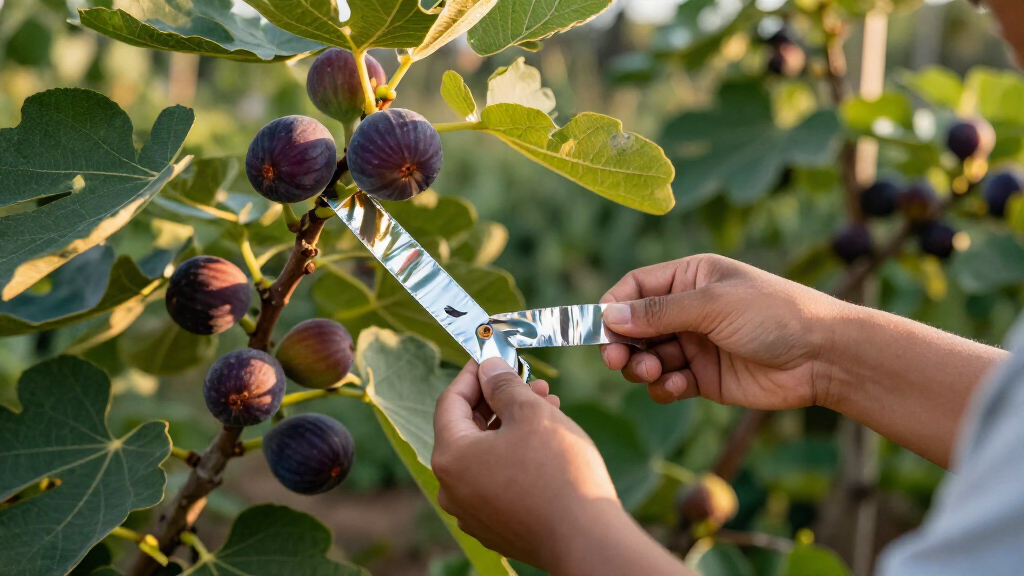
Keeping Birds Off Ripening Figs Without Trapping Them in Netting
AIThis post was created with the assistance of artificial intelligence (AI).

TL;DR

Before you orderOffer from Amazon

Get garden gear delivered free with Prime

  • Fast, free delivery on millions of items
  • Prime Video, Amazon Music and more included
  • Member-only deals all year
Start your free Prime trial Free trial for eligible customers · Cancel anytime
As an affiliate, we earn on qualifying purchases.

Protect figs as they begin to soften, before birds learn that your tree is a dependable food stop. Use breathable individual fruit bags or taut mesh on a frame, inspect barriers often, and pick ripe figs promptly; reflective scare devices can help briefly when you move them around.

A fig can look untouched at breakfast and show a neat beak-sized bite by lunch. In a hot desert garden, fruit can soften quickly, so waiting until you see damage may give birds several days to learn when your tree serves its sweetest meal. You can protect the crop without draping a loose net over the whole tree. Start before the figs turn soft, choose a barrier that fits where your fruit grows, and check it often. You’ll also learn when visual deterrents help, why fallen fruit matters, and how to keep barriers from holding heat and moisture against the figs.
At a glance
Keeping Birds Off Ripening Figs Without Netting Traps
Key insight
A bird barrier’s safety depends on how you install and maintain it: loose netting can entangle wildlife, while securely fastened breathable bags or taut mesh over a frame can keep birds out.
Key takeaways
1

Start protecting figs as they soften or change color, before birds form a feeding routine.

2

Use securely fastened breathable bags for a few branches, or taut mesh over a rigid frame for a larger area.

3

Inspect coverings often for loose folds, gaps, trapped wildlife, mold, and fruit pressing against mesh.

4

Rotate reflective tape or moving streamers for brief help; don’t rely on a stationary scare device all season.

5

Pick ripe figs promptly and remove fallen or damaged fruit so the tree offers fewer easy meals.

Step by step
1
Set up mesh so birds stay outside
A safe barrier keeps birds away from the fruit without creating loose loops or pockets where they can get caught.
Keeping Birds Off Ripening Figs Without Trapping Them in Netting
Garden field guide · Bird-safe harvest

Keep Birds Off Ripening Figs—Without Trapping Them

Protect figs as they begin to soften, before birds learn your tree is a dependable food stop. Use breathable fruit bags or taut mesh on a frame, inspect barriers often, and pick ripe figs promptly.

3Practical methods
2Barrier options
DailyHarvest habit
BreathableMaterial priority

Start before the first peck

Watch the fruit as it enlarges. Put protection in place when figs begin changing color or yield slightly to gentle touch. In hot weather, ripening can move quickly; a bird that finds one sweet fig may return to inspect the rest.

01 · Timing

Protect at first signs of ripening

Do not wait for visible damage. Once birds get a reliable food reward, they may keep checking the tree.

02 · Routine

Check and pick regularly

Inspect reachable branches each morning as fruit nears ripeness. Harvest ready figs without delay; figs generally do not ripen well after picking.

03 · Clean-up

Remove easy food signals

Collect fallen, split, or pecked fruit beneath the canopy so the garden offers fewer easy meals.

Choose a barrier that fits the tree

Fruit on a few reachable branches is often easiest to protect with individual sleeves. A broad canopy may call for taut mesh over a rigid frame. In either case, leave space for airflow and fruit growth.

ApproachWorks well whenWatch for
Breathable bags or sleevesFruit is concentrated on a few reachable branchesLoose closures, tight contact, or poor airflow
Taut mesh on a frameYou need to cover a larger section of the treeGaps, sagging edges, or wildlife caught inside
Moving visual deterrentsYou want a short-term extra layerBirds may get used to predictable, stationary objects

Set up mesh so birds stay outside

Loose, draped netting can create loops and pockets where birds become entangled. Stretch larger mesh taut over a rigid frame, secure every edge, and inspect the setup often. For individual bags, fasten each opening firmly while leaving room for airflow and growth.

1

Choose a small area

Cover a fruiting branch or framed section instead of spreading slack netting across the canopy.

2

Secure the barrier

Anchor edges and close openings so wind cannot lift mesh or let birds slip inside.

3

Inspect frequently

Look for gaps, snags, loose ties, trapped wildlife, fruit touching mesh, and signs of mold.

4

Remove after harvest

Take coverings down when picking ends and store them out of the sun for next season.

Use visual deterrents as a brief assist

Reflective tape, moving streamers, and decoys may interrupt a feeding routine for a while. Birds can become accustomed to stationary objects, so move them often and pair them with a physical barrier and regular picking.

Rotate

Change position

Move reflective tape or a decoy to another side of the tree every day or two.

Observe

Watch the birds

If birds keep landing, shift effort toward exclusion and timely harvest instead of adding more fixed objects.

Combine

Keep fruit inaccessible

A moving deterrent can buy time while you pick figs or install a secure sleeve on the ripest cluster.

Your quick safety check

Fine mesh can reduce airflow and hold moisture against fruit. Choose breathable material, avoid tight wrapping, and check more often after wind or irrigation—especially in desert heat.

✓Edges secure: ties and anchors hold; no openings invite birds inside.
✓Mesh stays taut: no slack folds, loops, or pockets that can entangle wildlife.
✓Fruit has room: figs do not press against mesh, and air can circulate.
✓Harvest is prompt: remove ripe, fallen, or damaged figs from the tree and ground.

Protect figs before birds make your tree a daily stop

Keeping birds off ripening figs starts before the fruit becomes soft and inviting. Watch the figs as they enlarge, then put your chosen barrier in place when they begin changing color or yielding slightly to a gentle touch. In a desert yard, check more often during hot weather: ripening can move quickly, and a bird that finds one sweet fig may return to inspect the rest. A simple routine beats a frantic response. For example, if your tree has a few branches near a patio, inspect those branches every morning as the fruit approaches ripeness. You can spot a change in color, a split skin, or the first peck before the whole crop draws a crowd. The most important aspects are timing and consistency: protect fruit before it becomes attractive, then pick ripe figs promptly.

Start protection at the first signs of ripening. Once birds get a reliable food reward, they may keep checking the tree even after you add a deterrent.

Frequent picking also limits the reward. Figs generally do not ripen well after harvest, so leave them on the tree until they are ripe, then collect them without delay. A fallen fig can be a bright, fragrant signal on the ground. Remove damaged fruit, too, rather than letting it advertise an easy meal.

As an affiliate, we earn on qualifying purchases.

Choose a barrier that fits your fig tree

Individual bags or sleeves are often the simplest way to protect figs when fruit grows on a few accessible branches. Choose breathable mesh with openings small enough to block the birds in your yard, fasten it so a bird cannot slip inside, and leave enough room for the figs to grow. A bag that hugs fruit tightly can rub the skin or hold moisture against it. For a small example, say your young tree has three fruiting branches within reach. Covering those branches with secure sleeves may take less time than building a full enclosure, and you can still reach in to harvest. If figs fill a broad canopy, a rigid frame with taut mesh may cover more fruit with fewer separate bags. The right choice depends on tree size, where the fruit sits, and how often you can inspect it.
ApproachWorks well whenWatch for
Individual bags or sleevesFruit is concentrated on a few reachable branchesLoose closures, tight contact, or poor airflow
Taut mesh on a frameYou need to cover a larger section of the treeGaps, sagging edges, and wildlife caught inside
Visual deterrentsYou want a short-term extra layerBirds may get used to predictable, stationary objects
Mesh is not automatically safe just because it is fine or sold for gardens. Inspect any covering for gaps and snags, and take it down when the harvest ends. Fine mesh can reduce airflow and trap moisture near fruit, so choose breathable material and avoid tight wrapping. If your tree is too large to cover safely, focus on reachable fruit and regular harvesting rather than spreading slack netting over the canopy.

Set up mesh so birds stay outside

A safe barrier keeps birds away from the fruit without creating loose loops or pockets where they can get caught. If you use a larger covering, stretch it taut over a rigid frame, secure every edge, and check for gaps where birds could enter. For individual bags, fasten the opening firmly around the branch while leaving room for fruit growth and airflow. Imagine a gardener who drapes netting over a fig tree and goes inside for the weekend. A corner loosens in the wind, and a bird can flutter into the folds while trying to reach a fig. A taut frame changes the setup: the mesh stays away from fruit and does not hang in long, slack folds. The difference comes from installation and upkeep, not merely from the word “netting.”
  1. Choose the smallest practical area to cover, such as a fruiting branch or a framed section of canopy.
  2. Install breathable mesh securely. Close openings and anchor the edges so wind cannot lift them.
  3. Inspect the barrier often for loose sections, gaps, snags, trapped wildlife, fruit touching the mesh, or signs of mold.
  4. Remove the covering after harvest. Store it out of the sun so it stays ready for next season.
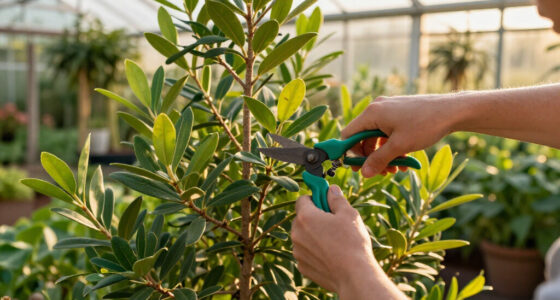
In desert heat, check more often after windy afternoons or irrigation. A branch can shift, a tie can loosen, and dense mesh can hold dampness around a ripe fig. If you find an animal caught in a covering, respond promptly and follow local wildlife guidance. Don’t leave barriers unchecked just because they looked secure yesterday.

Use shiny and moving deterrents as a short-term helper

Reflective tape, moving streamers, or a decoy can make birds hesitate, especially when you move them often, but no visual scare device works reliably for every species or for a full season. Birds watch patterns. If the same shiny strip hangs in the same place day after day, it can become part of the scenery. For instance, you might hang a short length of reflective tape beside the ripest branch, then move it to another side of the tree after a day or two. If you use a decoy, change its position instead of leaving it perched in one spot all month. These tactics can buy time while you pick figs or install a barrier; they are less dependable than keeping birds physically away from the fruit. Think of a moving deterrent as a neighbor waving from the porch: it can interrupt a bird’s routine, but it cannot guard the pantry all day. Pair it with a secure sleeve on the most tempting cluster and a morning harvest check. Watch what happens in your own yard. If birds keep landing despite the movement, shift your effort to exclusion and timely picking rather than adding more stationary objects. Birds may also visit a garden for water or other food. Removing fallen fruit and tidying easy food sources may make the yard less rewarding, though it will not replace a barrier once birds are feeding on figs. Keep useful water for wildlife only where it suits your garden and local conditions, and don’t expect one change to solve every visitor problem.

Keep harvesting so ripe figs don’t stay on the menu

Picking ripe figs promptly reduces the food reward that brings birds back. Check the tree regularly as fruit softens, collect ready figs, and remove fallen or pecked fruit from beneath the canopy. Since figs generally do not continue ripening well after harvest, pick each one when it is ready instead of stripping the branch early. Picture a small backyard tree with a dozen figs ripening at different speeds. One or two may be ready today while the rest still feel firm. A quick daily pass lets you take the soft, ripe fruit without leaving it hanging for birds, and removing a split fig keeps its sweet smell from drawing attention. In peak heat, a second check later in the day may make sense if the fruit is changing fast. A harvest routine also helps you judge whether the barrier is doing its job. If bags stay intact but fruit disappears from exposed branches, protect those branches next. If birds still find covered fruit, inspect closures and gaps before changing materials. Don’t use sticky substances, poison, or glue traps; they can injure wildlife and other animals. Pesticides and herbicides do not belong in a bird deterrent plan, and any pesticide use elsewhere in the garden must follow its label, including protective equipment directions. The practical rhythm is simple: inspect, pick what is ripe, remove fallen fruit, and check the barrier. It takes a few minutes, but it prevents a steady supply of easy meals from keeping birds on a daily schedule.

Adjust your plan for tree size, heat, and other visitors

The best bird-safe setup depends on how large your fig tree is, where the fruit grows, and which animals visit. A compact tree with fruit at arm’s reach may suit individual bags; a broad, mature canopy may need a sturdy frame or a focus on the most accessible branches. Larger or climbing animals can defeat light mesh, so match the material and structure to the visitors you actually see. In a hot, dry garden, airflow matters. Dense covering can shade fruit and slow drying, while mesh pressed against a fig may leave a damp spot that invites mold or skin damage. Keep breathable material loose enough around fruit to allow growth, but secure enough that birds cannot slip inside. After a dusty wind, inspect the mesh and fruit; dust and debris can obscure damage or block ventilation. A gardener with a tall tree might protect only the lower branches that are easy to reach and harvest those figs every day, rather than attempting an unsafe climb to wrap the entire canopy. Someone with a young tree can cover a handful of clusters more completely. If squirrels or other animals are part of the problem, a sturdier enclosure may be needed, and local wildlife rules can affect what deterrents you may use. Check current local guidance for protected species and species-specific restrictions. Figs and their leaves can be irritating or toxic if eaten by children or pets, and the sap may irritate skin. Keep picked fruit, cut branches, and any plant debris away from curious pets and young children, and wash sap from skin promptly. Choose a setup that you can inspect safely from the ground whenever possible.

Frequently Asked Questions

When should I protect figs from birds?

Start when figs begin to soften or change color, before birds find ripe fruit. In hot weather, inspect the tree regularly because several figs can ripen between checks.

Can I cover just a few fig branches?

Yes. Individual bags or sleeves work well when fruit sits on a few reachable branches. Fasten them so birds cannot slip in, leave room for the figs to grow, and check that airflow remains good.

Will shiny tape or a fake owl keep birds away all season?

Usually not by itself. Birds can get used to objects that stay in one place, so move or rotate visual deterrents and pair them with a secure barrier and frequent harvests.

Is netting safe for birds?

Loose, slack netting can entangle birds. Taut mesh over a frame or securely fastened individual bags can exclude them more safely, but inspect barriers often for gaps, loose sections, and trapped wildlife.

Can I pick figs early and let them ripen indoors?

Figs generally do not ripen well after harvest, so pick them when they are ripe. Check often and remove each ready fig promptly instead of leaving it on the tree.

What should I do if birds are already eating the figs?

Cover the accessible fruit promptly with secure, breathable mesh, pick ripe figs more often, and remove fallen or damaged fruit. Avoid poison, glue traps, sticky substances, and other methods that can harm wildlife.

Conclusion

Protect figs early, keep every barrier secure and breathable, and harvest ripe fruit as soon as it’s ready. A few minutes of regular checking can save more fruit than a loose net stretched over the whole tree. Let birds find their next meal elsewhere, while your figs ripen cleanly in the desert sun.
You May Also Like

Spekboom, Mpumalanga, South Africa Surges In Global Coverage

Spekboom in Mpumalanga, South Africa, experiences a sharp increase in global media mentions, indicating rising international interest in this plant species.

An Englishwoman Who Sketched India Before Photography Took Hold

A recently discovered collection reveals an English woman’s sketches of India before photography became widespread, offering new insights into colonial-era perceptions.

Bees, Wasps, and Desert Pollinators: Which to Leave Alone

Learn how to identify, protect, and coexist with desert pollinators like bees and wasps. Practical tips to keep safe and support vital ecosystems.

1,300 Beautiful Wildlife Illustrations From The 19Th Century Now Restored

Over 1,300 vintage wildlife illustrations from the 19th century have been fully restored, making them accessible to the public for the first time in decades.