
TL;DR

Get garden gear delivered free with Prime
- Fast, free delivery on millions of items
- Prime Video, Amazon Music and more included
- Member-only deals all year
Monsoon-proofing your patio means reinforcing against wind, managing dust, and installing durable coverings. Proper drainage and regular maintenance keep your outdoor space safe and comfy no matter the weather.
Ever had your outdoor coffee table fly across the patio during a gust? Or watched dust swirl into your space like a mini tornado? Monsoons can turn your peaceful patio into a chaos zone in minutes. But with a bit of planning, you can turn it into a fortress that laughs at wind, dust, and sudden storms.
This guide is about real, practical steps. No fluff, just straightforward advice to keep your outdoor oasis safe, clean, and usable through the worst weather Mother Nature throws at you.
Secure lightweight furniture and install windbreaks like screens or hedges to resist gusts up to 100 km/h.
Use dust-resistant materials and barriers, plus regular cleaning, to keep your patio dust-free during monsoon.
Choose waterproof, durable roofing options like retractable awnings or polycarbonate covers for quick storm protection.
Reinforce structures with corrosion-proof materials and ensure proper drainage for heavy rains.
Perform routine inspections and keep emergency repair supplies ready to handle unexpected weather events.
Monsoon-Proofing Your Patio
Wind, dust, and sudden storms can turn a calm outdoor space into a hazard in minutes. The answer is a layered defense: anchor what can move, filter what blows in, cover what must stay dry, and give rain a clear route out.
Monsoon winds can topple lightweight furniture and stress weak structures.
Sealed surfaces paired with well-placed screens can sharply reduce dust intrusion.
Reinforce against wind, block dust, add durable coverage, and keep every drain clear.
Anchor, filter, cover, drain.
Stop loose objects becoming projectiles.
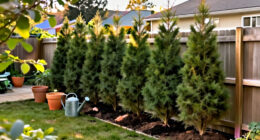
Potential dust reduction from a dense native hedge.
Inspect, clear, tighten, and repair promptly.
Three forces. One resilient patio.
A monsoon-ready patio does not depend on a single product. Each weather threat needs a specific response, and the strongest result comes from making those responses work together.
Anchor the movable
Choose heavy, corrosion-resistant furniture. Add stakes, weights, wall mounts, steel braces, and windbreaks so chairs, planters, and décor stay grounded during violent gusts.
Filter the airborne
Use mesh screens, bamboo fencing, or dense native hedges. Pair those barriers with sealed stone, textured concrete, and washable furniture surfaces to prevent persistent buildup.
Cover, slope, release
Deploy waterproof awnings or polycarbonate roofing, then direct runoff through sloped surfaces, gutters, drains, and splash blocks before water can pool or flood.
Storm-ready in six practical moves
Work in sequence. Finding weak points first prevents expensive upgrades from being attached to rusted fittings, cracked slabs, or unstable supports.
Inspect
Find rust, cracks, loose bolts, weak joints, and clogged outlets.
Upgrade
Choose corrosion-proof metal, composites, and UV-resistant fabric.
Anchor
Weight, stake, brace, or wall-mount anything that can lift or slide.
Shield
Add screens, hedges, or a pergola engineered for wind exposure.
Drain
Slope surfaces and connect gutters, drains, and splash blocks.
Maintain
Clear debris, tighten hardware, dry mechanisms, and repair damage.
A solid barrier can create turbulence. Angled pergola posts, permeable screens, and layered planting help slow and redirect gusts instead of taking the full force.
Retractable systems deliver flexibility but need mechanical maintenance. Fixed roofs offer dependable coverage but require permanent drainage and stronger structural support.
Choose protection that survives the season
Prioritize resistance to corrosion, moisture, UV exposure, and repeated cleaning. The highlighted column identifies options that combine strong protection with practical everyday use.
| Solution | Monsoon fit | Wind | Rain | Dust | Maintenance | Best use |
|---|---|---|---|---|---|---|
| Polycarbonate roof | ✓ Excellent | ✓ | ✓ | ✓ | ~ Medium | Permanent storm coverage |
| Retractable awning | ✓ Flexible | ~ Retract | ✓ | ~ | ~ Medium | Fast-changing weather |
| Sealed stone | ✓ Durable | ✓ | ✓ | ✓ | ✓ Low | Washable patio flooring |
| Composite furniture | ✓ Reliable | ✓ | ✓ | ✓ | ✓ Low | Year-round outdoor seating |
| Light plastic furniture | ✗ Weak | ✗ | ✓ | ~ | ✓ Low | Storage before storms |
| Native hedge | ✓ Sustainable | ✓ | ~ | ✓ | ~ Seasonal | Natural wind and dust filter |
Put effort where failure costs most
Loose objects create the fastest safety risk, while blocked drainage can cause the most persistent damage. Both deserve attention before cosmetic improvements.
Priority defense index
Relative planning priority for a patio exposed to severe monsoon conditions.
Design for gusts up to 100 km/h or more where local monsoon exposure demands it. Confirm structural loads, anchors, and roof systems with qualified local professionals.
After-storm reset
A short inspection keeps small faults from becoming expensive failures.
Check posts, braces, roof edges, anchors, cracks, and corrosion.
Remove leaves and sediment from gutters, drains, and splash blocks.
Wash away dust, dry fabrics, and prevent trapped moisture.
Fix loose fittings immediately and replace damaged restraints.
Keep tarps, weights, fasteners, sealant, and basic tools ready.
The resilience chain
Every link supports the next. A gap anywhere in the chain can undermine an otherwise well-designed patio.
Build for durability and lighter impact
Natural barriers and automated systems can work together. Balance installation cost, ongoing maintenance, local ecology, and the severity of your weather exposure.
Bamboo screens and native hedges
Permeable natural barriers slow gusts, capture airborne dust, add shade, and blend into the landscape. Allow space for trimming, drainage, and seasonal growth.
Weather-responsive awnings
Automated retractable covers can deploy when conditions change. Include manual operation, wind-safe retraction, and routine checks of motors and sensors.
Sensors, pumps, and overflow routes
Water-level sensors can trigger pumps or diversion systems, but passive slope and drainage should remain the dependable first line of defense.
Tarps, weights, hardware, and tools
Store rapid-repair supplies in a dry, accessible place. Preparation reduces downtime and lets you secure a developing problem before the next storm arrives.
How to Make Your Patio Wind-Resistant Without Turning It Into a Fortress
Strong winds can turn your patio furniture into projectiles. To stop that, start with sturdy, wind-resistant pieces. Secure lightweight items with stakes or weights. Install windbreaks like screens, hedges, or pergolas with wind-resistant design features. Think of it as giving your patio a shield against gusts that can reach 100 km/h during monsoon storms.
For example, a solid pergola with angled posts can divert wind and prevent furniture from toppling. Replacing flimsy chairs with heavier, corrosion-resistant metal or composite options also makes a big difference. Remember: the goal is to anchor everything so it stays put, no matter how fierce the wind.
Understanding the importance of wind resistance helps you recognize that not all materials are created equal. Light, flimsy furniture may be attractive but is vulnerable during storms. Investing in sturdier options and securing loose items reduces the risk of damage and injury, thereby protecting your investment and safety.
windproof outdoor furniture covers
As an affiliate, we earn on qualifying purchases.
As an affiliate, we earn on qualifying purchases.
Dust-Busting Tips for a Cleaner, Cooler Patio in the Monsoon
Dust is a sneaky enemy during monsoon. It settles on surfaces, sneaks into gaps, and makes your outdoor space grimy fast. To fight back, choose dust-resistant flooring and furniture, like textured concrete or sealed stone. Install barriers such as mesh screens or bamboo fences to block dust from blowing in.
Regular cleaning becomes your best friend—sweeping, hosing down surfaces, and wiping furniture keeps dust at bay. For example, a pitched, sealed stone patio with a few bamboo screens can cut dust infiltration by over 60%, according to Gardener AZ observations. It’s simple but makes a noticeable difference in comfort and cleanliness.
Deep understanding of dust management highlights that dust can carry allergens and pollutants, impacting health and comfort. Barriers reduce the amount of dust entering your space, but routine cleaning prevents buildup that can degrade furniture and surfaces over time. Combining barriers with regular maintenance ensures a healthier, cooler outdoor environment even during heavy dust storms.
As an affiliate, we earn on qualifying purchases.
The Best Roofing and Coverings to Handle Sudden Storms
When storms hit, you need a roof that responds. Retractable awnings or waterproof pergola covers are your best bets. They shield you from rain and hail, and can be quickly deployed or retracted as weather changes. Solid, waterproof fabric or polycarbonate panels are durable and easy to clean.
For instance, a homeowner installed a motorized retractable awning that covers half the patio. During monsoon, they extend it instantly, keeping furniture dry and avoiding water pooling. Properly sloped roofing helps runoff water, preventing puddles and flooding.
Understanding the importance of adaptable roofing means recognizing the tradeoff between convenience and durability. While retractable options offer flexibility, they require maintenance to prevent mechanical failure. Fixed roofs provide consistent protection but lack adaptability. The choice depends on your specific climate severity and how often you want to adjust coverage during storms.
As an affiliate, we earn on qualifying purchases.
How to Reinforce Your Patio for Stormy Weather in Easy Steps
- Inspect existing structures for weak points—look for rust, cracks, or loose fittings.
- Upgrade to weather-resistant materials—think corrosion-proof metals and UV-resistant fabrics.
- Secure furniture and decor—use stakes, weights, or wall mounts.
- Install or improve windbreaks—add screens, hedges, or pergolas designed for durability.
- Set up proper drainage—sloped surfaces, gutters, and splash blocks prevent flooding.
- Regularly check and maintain—look for damage after storms and fix issues promptly.
For example, a homeowner reinforced their patio’s pergola with steel braces, added a waterproof cover, and installed a new drainage system. These upgrades not only prevent damage but also extend the lifespan of the structures, ultimately saving money on repairs and replacements. Proper reinforcement also minimizes the risk of accidents during severe weather, safeguarding family and guests while maintaining the functionality of your outdoor space.
heavy-duty patio umbrella for storms
As an affiliate, we earn on qualifying purchases.
As an affiliate, we earn on qualifying purchases.
Smart and Eco-Friendly Ways to Shield Your Patio from Wind and Dust
Eco-friendly options are just as effective as synthetic ones. Think bamboo screens, native shrub hedges, or recycled materials for barriers. They blend naturally into your landscape and help reduce the environmental footprint.
Automated retractable awnings respond to weather alerts, deploying when needed and retracting when storms pass. Modern drainage systems with sensors detect water levels and activate pumps or divert water automatically.
For instance, a gardener installed a native bush hedge that reduced dust intrusion by over 50% and added a lush, natural look to their yard. Combining natural barriers with smart tech creates a resilient, eco-conscious outdoor space.
Understanding the tradeoffs of eco-friendly solutions involves recognizing that natural barriers may require more maintenance over time, and automation systems come at a higher initial cost. However, they often provide better long-term sustainability and integration with the environment, making them worthwhile investments for eco-conscious homeowners seeking durability and minimal ecological impact.
Regular Checks and Quick Fixes to Keep Your Patio Storm-Ready
Staying ahead is key. After each storm, inspect your patio—look for loose or damaged furniture, clogged drains, or weakened structures. Fix issues immediately to prevent bigger problems down the line.
Keep emergency supplies handy—tarps, extra weights, and repair tools. Regularly clear gutters, check windbreaks, and tighten fittings. This routine not only keeps your outdoor space safe but also ensures you’re prepared for unexpected weather changes, reducing downtime and costly repairs.
Understanding that quick fixes prevent small issues from escalating emphasizes proactive maintenance. Such vigilance extends the lifespan of your patio and minimizes the risk of accidents or damage during severe weather, thereby providing peace of mind and continued usability.
Frequently Asked Questions
How can I make my patio more resistant to strong winds?
Use heavy, wind-resistant furniture, install windbreaks like screens or hedges, and secure lightweight items with stakes or weights. Reinforcing existing structures with corrosion-resistant materials also helps withstand gusts over 100 km/h.
What materials are best for weatherproof outdoor furniture?
Opt for corrosion-proof metals, UV-resistant plastics, composite woods, or sealed stone. These materials resist rust, fading, and cracking, making them ideal for monsoon and windy conditions.
How do I prevent dust from accumulating on my patio during the monsoon?
Choose dust-resistant surfaces like sealed concrete or stone, install barriers such as bamboo screens, and maintain a routine of sweeping and hosing down surfaces after storms to keep dust at bay.
What are the best types of roofing or coverings for sudden storms?
Retractable awnings, waterproof pergola covers, and polycarbonate panels are excellent choices. They can be deployed quickly and are built to resist high winds and heavy rain, protecting your furniture and guests.
How can I improve drainage to avoid flooding during heavy rains?
Design your patio with a gentle slope towards gutters or drains, install splash blocks, and consider automated water sensors that activate pumps or divert water to prevent pooling and flooding during monsoon downpours.
Conclusion
Don’t let monsoons turn your outdoor haven into a chaos zone. With a few simple upgrades—sturdy windbreaks, smart roofing, and good drainage—you can enjoy your patio year-round, rain or shine.
Picture your outdoor space as a resilient oasis, ready to handle whatever the weather throws at it. All it takes is a plan, some elbow grease, and a little foresight.
Fall Picks
fall essentials
As an affiliate, we earn on qualifying purchases.