
TL;DR

Get garden gear delivered free with Prime
- Fast, free delivery on millions of items
- Prime Video, Amazon Music and more included
- Member-only deals all year
Pinching the tips of trailing plants encourages fuller, bushier growth by redirecting energy. This simple hack has been proven to improve plant appearance within weeks.
Gardening experts confirm that pinching out the tips of trailing plants such as pothos and tradescantia encourages a fuller, bushier appearance. This simple technique, which involves removing the growing tip just after a node, redirects the plant’s energy to produce new shoots, transforming sparse vines into lush, dense foliage.
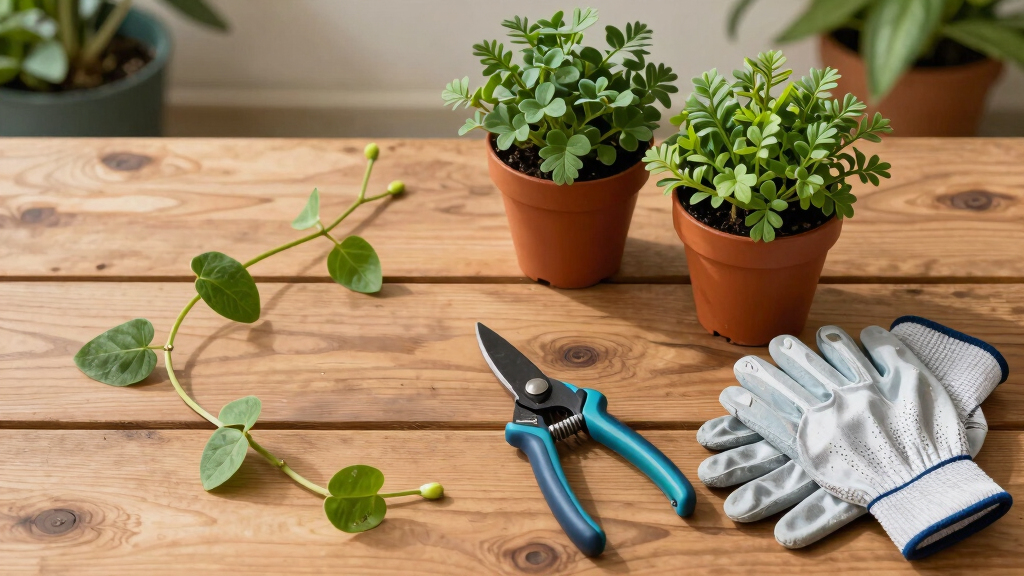
Trailing plants tend to become long and sparse over time, with leaves concentrated at the ends. While many plant owners hesitate to prune, experts say that pinching out the growing tips is highly effective. To do this, locate a node on a leggy stem and either pinch with clean fingers or snip with sharp scissors just after that node, removing the tip and some leaves if needed. This stimulates the plant to produce new growth from the remaining nodes.
In practice, a gardener tested this method on a tired-looking tradescantia, removing more than they initially felt comfortable with. Within three weeks, new shoots appeared at the cut points, and the plant became visibly denser. The cuttings rooted in water were replanted, further filling the gaps in the plant’s shape.
Experts emphasize that pinching out is not damaging but a natural response for these plants, which are built to recover from such pruning in the wild. Regularly performing this practice can lead to healthier, more attractive trailing plants.
Why Pinching Trailing Plants Enhances Growth
This technique matters because it offers a simple, effective way to improve the appearance and health of common houseplants. Fuller, bushier plants are not only more aesthetically pleasing but also tend to be healthier, with better airflow and reduced risk of disease. For plant enthusiasts and beginners alike, mastering this method can significantly elevate their indoor gardening results.
As an affiliate, we earn on qualifying purchases.
Understanding the Growth Pattern of Trailing Plants
Trailing plants like pothos and tradescantia naturally grow long stems with leaves clustered at the tips. Over time, without pruning, they tend to become leggy and sparse in the middle. While many owners leave them to grow freely, horticultural experts recommend regular pinching to maintain a lush appearance. This approach aligns with how these plants recover in their natural environment, where pruning and damage are common.
“Pinching out the growing tips redirects energy to lower nodes, promoting denser growth.”
— an anonymous researcher
As an affiliate, we earn on qualifying purchases.
Unanswered Questions About Long-Term Effects
It is not yet clear how frequently pinching should be performed for optimal long-term health of trailing plants. While initial results are promising, more research is needed to determine if repeated pruning might stress certain species or affect flowering patterns.
As an affiliate, we earn on qualifying purchases.
Next Steps in Trailing Plant Care Research
Experts plan to conduct further studies to establish guidelines for frequency and extent of pinching. Meanwhile, gardeners are encouraged to experiment cautiously and observe how their plants respond over time. Sharing results and techniques could help refine best practices for this popular gardening hack.
As an affiliate, we earn on qualifying purchases.
Key Questions
Does pinching harm my trailing plants?
No, pinching out is a natural and beneficial pruning method that stimulates new growth without harming the plant when done correctly.
How often should I pinch my plants?
It is recommended to pinch every few months or when the plant begins to look leggy, but this can vary depending on the species and growth rate.
Can I use the cuttings to propagate new plants?
Yes, the cuttings taken during pinching can be rooted in water or soil to grow new plants, making it a cost-effective and sustainable practice.
Will pinching affect flowering in my plants?
Some flowering plants may have reduced blooms if pruned heavily; however, most trailing foliage plants like pothos and tradescantia are primarily grown for their leaves and tend to respond well to pinching.
Source: Guardian Life
Halloween Picks
halloween
As an affiliate, we earn on qualifying purchases.