TL;DR

Get garden gear delivered free — and shop member deals
- Fast, free delivery on millions of items
- Access to Prime Big Deal Days deals on October 6–7
- Prime Video, Amazon Music and more included
Half wine barrels in dry climates need careful soaking and moisture control to prevent leaks. Proper prep and maintenance can extend their lifespan well beyond 10 years, even in intense heat.
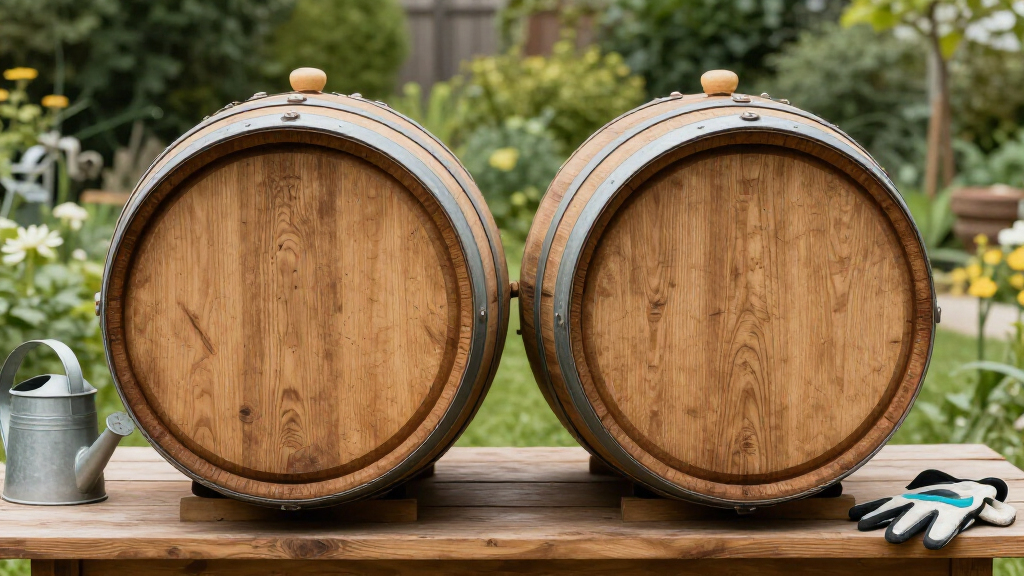
Ever tried using a half wine barrel in a desert garden? It’s a beautiful, rustic touch — but in dry heat, those barrels can leak or crack if you don’t treat them right. The secret to a long-lasting, watertight barrel lies in how you prepare and care for it. Knowing how to manage swelling and moisture in a hot, dry climate keeps your barrel functional and looking good for years.
This guide walks you through the simple steps to prep your barrel, prevent leaks, and extend its lifespan — even in the toughest conditions. No fancy tricks, just practical advice rooted in real-world gardening.
Regular soaking and hydration are essential to prevent leaks in dry heat.
Swelling through water is your best tool to seal gaps and extend barrel life.
In dry climates, check your barrels every few months and hydrate as needed.
Proper maintenance can push a half wine barrel’s lifespan to over 15 years.
Using sealants and shade can significantly improve durability in harsh conditions.
How to Ready Your Barrel for Dry Heat — The Simple Setup
Getting your half wine barrel ready means more than just dumping soil inside. It’s about making sure it won’t leak or crack in the desert heat. Start by thoroughly rinsing the barrel with clean water to remove any dust, dirt, or residues. Then, check for cracks or loose hoops — tighten or repair as needed. Soaking the barrel in water for 24-48 hours helps the wood swell, sealing those tiny gaps.
In dry climates, this soaking step is crucial. Think of it as waking up the wood’s natural ability to expand and seal itself. After soaking, inspect for leaks and give it a gentle fill with water. This preps the barrel for use, ensuring it’s watertight before planting or storing liquids.
As an affiliate, we earn on qualifying purchases.
Why Dry Heat Makes Barrels Shrink and Leak — And How to Stop It
Dry heat causes wood to shrink, creating gaps between staves and increasing the risk of leaks. In desert zones, daytime temperatures can hit 100°F or more — that’s enough to dry out the wood, especially if the barrel isn’t properly hydrated.
This shrinking can happen quickly, sometimes within weeks, especially if the barrel isn’t kept moist. When the wood shrinks, it can pull apart at the joints or gaps, leading to leaks that compromise your watering or storage needs. This not only wastes water but can also damage the barrel’s structural integrity, shortening its lifespan. Understanding this process is crucial because it highlights the importance of moisture management. If you neglect hydration, the wood’s contraction accelerates, making your barrel more prone to leaks and cracks. Conversely, overwatering can encourage mold and rot, which also weaken the structure. The tradeoff is delicate: maintaining enough moisture to keep the wood expanded and resilient, but not so much that it fosters decay. Regular hydration, coupled with careful inspection, helps you strike this balance, preventing costly repairs and extending the barrel’s useful life. Recognizing early signs of shrinking or leaks allows you to intervene before damage becomes severe, ultimately preserving the value and function of your investment in challenging climates.
And remember, if a leak develops, a quick soak often re-expands the wood, resealing the gaps. But if the cracks are big or persistent, replacing or reconditioning the barrel is smarter.
wood barrel sealant for outdoor use
As an affiliate, we earn on qualifying purchases.
As an affiliate, we earn on qualifying purchases.
Swelling Is Your Best Friend — How to Use Water to Seal Your Barrel
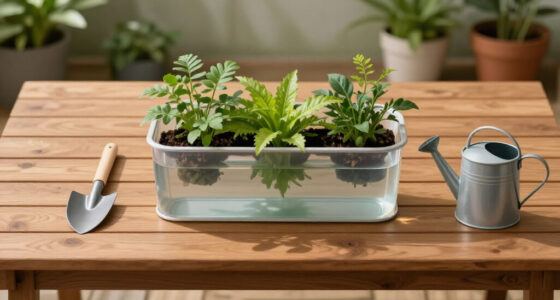
Swelling is the process of wood absorbing water and expanding to fill gaps. In dry heat, this is your go-to trick for keeping your barrel sealed. Start with a 24-hour soak in water. For larger or older barrels, extending the soak to 48 hours can give better results.
Imagine the barrel as a sponge — it needs to be fully saturated to swell properly. Once soaked, the wood should feel tight, with no visible gaps. If you notice small leaks afterward, repeat the soaking process. It’s a simple, effective way to prolong the life of your barrel in a hot climate. Proper swelling not only prevents leaks but also helps the wood maintain its structural integrity over time, resisting cracking and warping caused by repeated dry cycles.
Pro tip: Keep the barrel in a shaded spot during soaking to prevent uneven drying and cracking. This ensures uniform expansion, which is critical for a watertight seal and long-term durability.
Understanding this process is vital because it emphasizes the importance of timing and environment during soaking. Proper swelling ensures the wood fills all microscopic gaps, creating a tight seal that prevents leaks. However, over-soaking can lead to excessive swelling, which might cause warping or weaken the structure. Finding the right balance—soaking long enough to seal gaps without over-expanding—is key to maximizing lifespan and performance in dry conditions. This technique, combined with routine inspections, can dramatically improve your barrel’s resilience against the stresses of a hot, arid climate.
As an affiliate, we earn on qualifying purchases.
Lifespan of Half Wine Barrels in Dry Heat — How Long Do They Last?
In good condition, a well-maintained oak barrel can last 10-20 years, even in dry heat. But that’s only if you keep up with maintenance. Regular soaking, cleaning, and checking for leaks are key. Neglecting these steps accelerates deterioration, especially in harsh environments where the wood is constantly exposed to extreme temperatures and low humidity. Over time, the wood naturally dries out, becoming more brittle and prone to cracking. Recognizing early signs of aging—such as increased leakage, visible cracks, or a decline in the quality of contents—allows for timely intervention, whether through reconditioning or replacement. Properly maintained, these barrels can serve faithfully for over a decade, but the key is understanding that moisture management and routine care are what truly extend their lifespan. Think of your barrel as a living part of your garden—its health depends on your ongoing attention and care. The tradeoff here is that neglecting regular hydration accelerates aging, making the barrel more susceptible to damage, while diligent maintenance can significantly prolong its usefulness, even in the face of intense heat. Taking proactive steps ensures your investment remains functional and beautiful for many years, turning a simple barrel into a long-term garden feature.
half wine barrel water retention liner
As an affiliate, we earn on qualifying purchases.
As an affiliate, we earn on qualifying purchases.
New Tricks for Keeping Barrels Dry-Heat Friendly — Up your Maintenance Game
Recent innovations help your barrels survive the dry heat longer. Use products like barrel wax or food-safe sealants to patch small leaks. Installing a simple humidifier nearby can keep moisture levels stable, especially during the hottest months. These proactive measures help prevent the wood from drying out excessively, which is the primary cause of leaks and cracks in arid climates. Additionally, some gardeners have found that shading the barrels with shade cloth or placing them under a protective cover reduces direct sun exposure, significantly slowing the drying process. Incorporating drip irrigation at the base of the barrel can also help maintain consistent moisture levels, creating a microclimate that shields the wood from extreme fluctuations. These strategies, combined with routine inspection and maintenance, can add years to your barrel’s lifespan and preserve its structural integrity amidst the challenges of dry heat. Remember, the goal is to mimic the natural moisture cycles the wood needs to stay resilient—think of it as giving your barrel a mini climate-controlled environment.
Upgrading your maintenance routine with these tricks can add years of life to your barrels, even in the driest zones. The key is understanding that consistent, zone-specific care—like moisture control, shading, and protective coatings—directly influences how long your barrel can withstand the harsh environment. By investing in these preventative measures, you’re not just prolonging the life of your barrel but also ensuring it remains a functional and attractive feature in your garden for years to come. Remember, in dry heat, proactive maintenance is your best tool for durability and longevity.
Frequently Asked Questions
How often should I hydrate my barrel in a dry climate?
In dry heat, plan to soak or humidify your barrel every 2-3 months, or whenever you notice it leaking or shrinking. Keep an eye on temperature and humidity levels for best results.Can I reuse an old barrel after it’s started leaking?
Yes, but it’s best to recondition it first. Soak it again, apply sealants if needed, and check for cracks. Sometimes, a deep cleaning and resealing can restore its function for years more.What products can I use to seal my barrel in dry heat?
Food-safe barrel wax or specialized sealants designed for wood can help. Always follow product instructions and wear gloves and masks for safety. Proper sealing extends the life and prevents leaks.How do I recognize when a barrel is beyond saving?
Persistent leaks, large cracks, or a significant loss of flavor if aging wine are signs. If repairs no longer hold, replacing the barrel is the best move.Does high temperature affect the flavor of wine or spirits stored in barrels?
Yes, higher temperatures accelerate aging and flavor development but can also dry out the wood, causing leaks or damage if not carefully managed. Consistent moisture levels are key.Conclusion
Half wine barrels in dry heat demand a simple but consistent routine. The secret is moisture — whether through soaking, humidifiers, or shade. Keep your barrels well-hydrated, and they’ll serve you beautifully for years to come.
Imagine a garden corner with a sturdy, leak-free barrel, its wood darkened to a rich hue from years of care. That’s the reward for understanding how to treat these versatile containers in your desert yard.
Fall Picks
fall essentials
As an affiliate, we earn on qualifying purchases.