
TL;DR

Get garden gear delivered free with Prime
- Fast, free delivery on millions of items
- Prime Video, Amazon Music and more included
- Member-only deals all year
Gardeners can harvest tomato seeds in September to grow new plants at no cost. This process involves selecting ripe fruits, fermenting seeds, and proper drying. The trend shows rising interest, though specific methods are still being shared widely.
Gardeners can now confirm that harvesting tomato seeds in September is a practical and cost-effective way to produce new plants for free next year. Experts emphasize that this seasonal activity allows gardeners to save money while maintaining their tomato crops, especially in regions with a long growing season. The practice involves selecting ripe tomatoes, extracting seeds, fermenting them, and properly drying for future planting.
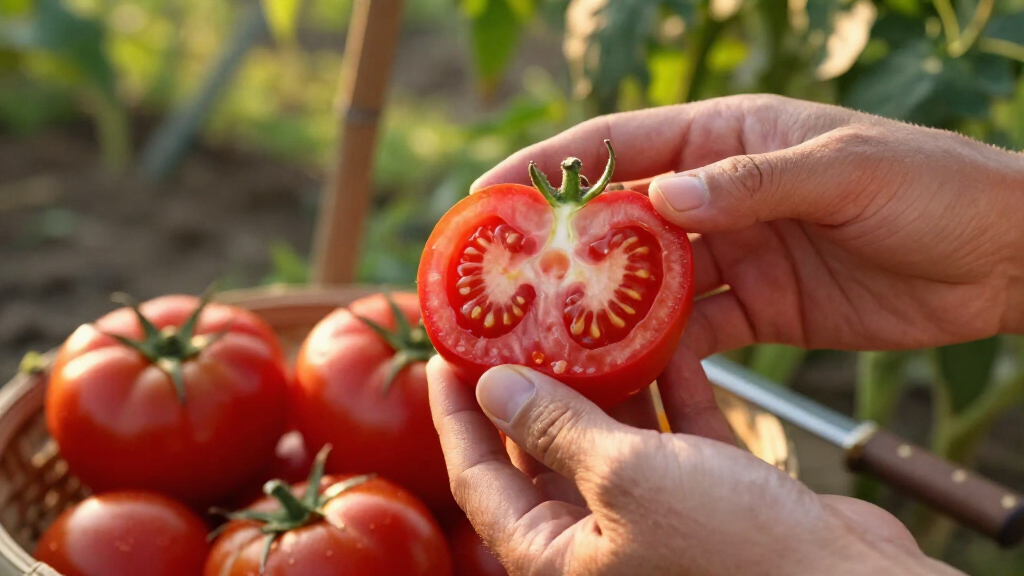
According to horticultural sources, the process of saving tomato seeds begins with choosing fully ripe, healthy tomatoes. Once selected, the seeds are scooped out and placed in a container of water to ferment for several days. This fermentation helps remove the gelatinous coating surrounding the seeds, which can inhibit germination if left intact. After fermentation, the seeds are rinsed thoroughly and spread on a paper towel or screen to dry completely in a warm, dry location. This method is confirmed to be effective for most tomato varieties, enabling gardeners to grow new plants without purchasing seeds each year.
While the process is straightforward, experts advise that seed viability can vary based on tomato variety and storage conditions. Seeds stored in airtight containers in a cool, dark place tend to remain viable for multiple seasons. The trend indicates growing interest among home gardeners in seed saving as a sustainable practice, especially with rising seed costs and supply chain concerns. However, some sources note that hybrid tomato varieties may not produce true-to-type plants when seeds are saved, which is an important consideration for gardeners aiming for specific traits.
Why Saving Tomato Seeds Matters for Gardeners
Saving tomato seeds in September offers gardeners a way to reduce costs and promote sustainability by reusing seeds each year. It also allows for preservation of preferred varieties and adaptation to local growing conditions. As seed prices increase and supply issues persist, this practice becomes increasingly valuable for both amateur and experienced gardeners. Additionally, seed saving fosters a deeper understanding of plant biology and encourages self-sufficiency in home food production.
Popular right now

Ninja Foodi DZ201 8-Quart DualZone 6-in-1 Air Fryer

Bose QuietComfort Headphones (2nd Gen), Wireless Noise-Cancelling Over-Ear Headphones, Eucalyptus Green

Vitamix Propel Series 510 Professional-Grade Blender, 3 Programs, Black
As an affiliate, we earn on qualifying purchases.
Seasonal Timing and Growing Trends in Seed Saving
The interest in seed saving has surged in recent years, driven by a desire for more sustainable gardening practices and economic savings. Historically, seed saving has been a traditional activity among farmers and home gardeners, but recent coverage indicates a spike in online searches and discussions around harvesting tomato seeds in late summer and early fall. This trend is partly fueled by broader concerns about seed availability, rising costs, and a desire to maintain heirloom varieties. While the general method has been known for generations, current discussions emphasize the importance of timing, fermentation, and storage for successful seed saving.
Experts note that the timing in September aligns with the ripening of many tomato varieties, making it an ideal window for seed extraction. However, specifics about regional differences and variety-specific considerations remain less documented, leaving some questions about best practices for different climates and tomato types.
Unconfirmed Aspects of Tomato Seed Storage and Viability
While the basic process of seed saving is well-understood, details about the long-term viability of seeds stored in different conditions remain less clear. It is not yet confirmed how well seeds from hybrid varieties will perform after multiple seasons, or how regional climate factors influence seed preservation. Additionally, the optimal storage methods for maximum germination success are still being discussed among experts, with some suggesting refrigeration and others advocating for dry, dark storage in sealed containers.
Next Steps for Gardeners Interested in Saving Seeds
Gardeners are encouraged to start selecting ripe tomatoes now and follow the fermentation and drying steps outlined by experts. As the season progresses, more detailed guidance may emerge through gardening forums and horticultural publications. Researchers and experienced seed savers plan to share further insights on regional adaptations and hybrid seed performance. In the upcoming months, testing stored seeds in early spring will help evaluate germination success and inform future practices.
Key Questions
Can I save seeds from any tomato variety?
Most tomato varieties can have their seeds saved, but hybrid varieties may not produce true-to-type plants. Heirloom and open-pollinated varieties are generally better choices for seed saving.
How long can I store tomato seeds?
Seeds stored in a cool, dry, airtight container can remain viable for 2-5 years, depending on storage conditions and variety.
Do I need special equipment to save tomato seeds?
No special equipment is necessary. Basic tools include a spoon or knife, a container for fermentation, and paper towels or screens for drying.
Is fermentation necessary for seed saving?
Yes, fermentation helps remove the gel coating around the seeds, which can inhibit germination. It is a confirmed step in the process.
When is the best time to harvest tomato seeds?
The best time is when the tomatoes are fully ripe, typically in late summer or early fall, depending on your region.
Source: rss