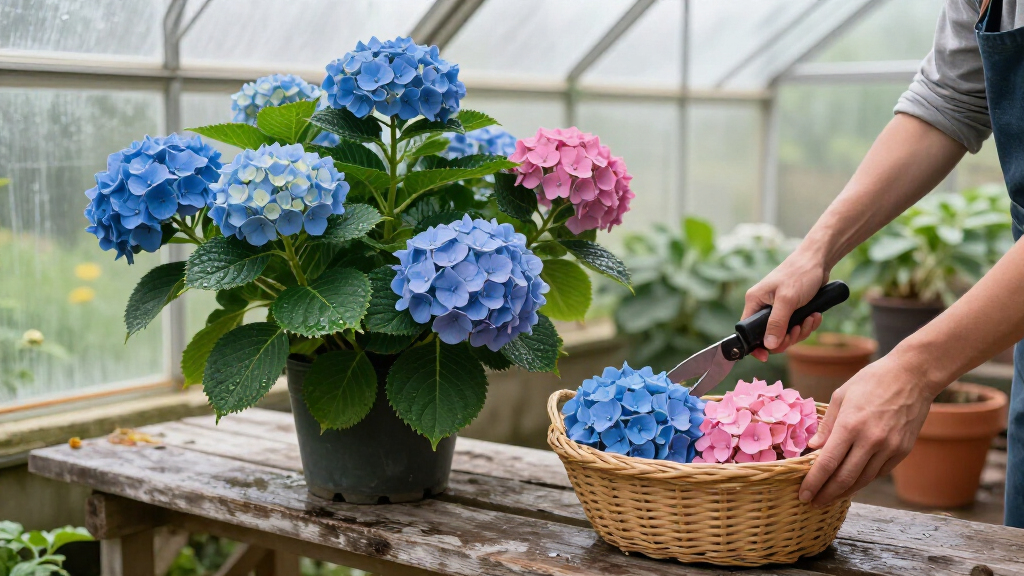
The Endless Summer BloomStruck Bigleaf Hydrangea earns my best overall pick because it reblooms on both old and new wood, delivering color from early summer into fall even after a harsh winter damages the stems. Gardeners who want the fastest visual impact should look at the Proven Winners Fairytrail Bride Cascade Hydrangea, which produces an unusual trailing wall of white blooms, while cold-climate growers get more reliability from the Limelight Hydrangea, a hardy panicle type that shrugs off zones where bigleaf hydrangeas fail. The main tradeoff in this category is straightforward: reblooming bigleaf varieties offer the most flowers but demand the right soil and moisture, while panicle types are tougher and more forgiving but bloom later with less color-shifting drama. Plant size at delivery also varies wildly here, from tiny quart-pot starters to full three-gallon shrubs, which affects both cost and how soon you see blooms. Keep reading for the full breakdown of all twelve options.

Get garden gear delivered free — and shop member deals
- Fast, free delivery on millions of items
- Access to Prime Big Deal Days deals on October 6–7
- Prime Video, Amazon Music and more included
Complete the kit


Key Takeaways
- Reblooming on new wood was the single biggest differentiator — the four BloomStruck listings and the Let’s Dance Skyview recover from late frosts and pruning mistakes, while single-bloom types like the Fire Hydrangea give you only one shot per season.
- Starter plants under $20 (Limelight, Fire, and Pink and White quart-size listings) take two to three seasons to reach mature size, making them a patience play versus the three-gallon shrubs that flower in their first summer.
- Dark-foliage options — the Eclipse Bigleaf and Spring Sizzle Panicle — trade some bloom quantity for season-long ornamental interest even when the plant isn’t flowering.
- Panicle hydrangeas (Limelight, Vanilla Strawberry, Spring Sizzle) were consistently the most cold-hardy and soil-tolerant picks, while bigleaf types demanded acidic, consistently moist soil to perform.
- The three nearly identical BloomStruck listings differed mainly in container size and maturity, so buyers should compare pot size carefully rather than assuming they’re the same product.
| Live French Hydrangea Macrophylla Starter Plant, 4–6 Inches Tall |  | Best Value Starter Plant | Plant type: French hydrangea (Hydrangea macrophylla) | Height at arrival: 4–6 inches | Bloom period: Spring to summer | VIEW LATEST PRICE | See Our Full Breakdown |
| Endless Summer BloomStruck Bigleaf Hydrangea Live Shrub, 3 Gallon |  | Best Overall | Botanical name: Hydrangea macrophylla ‘PIIHM-II’ (PP# 25566) | Container size: 3 gallons | Bloom color: Pink, violet, or blue-purple depending on soil pH | VIEW LATEST PRICE | See Our Full Breakdown |
| Endless Summer BloomStruck Hydrangea Live Plant, 3-Gallon Pot |  | Best for Cut-Flower Gardeners | Flower type: Mophead, up to 8 inches across | Flower color: Pink and purple; varies with soil pH | Bloom period: Early summer through fall | VIEW LATEST PRICE | See Our Full Breakdown |
| Endless Summer BloomStruck Reblooming Hydrangea Shrub, Purple, #2 Container |  | Best for Beginners | Flower color: Pink and violet | Stem color: Red | Mature size: 3–4 ft tall and wide | VIEW LATEST PRICE | See Our Full Breakdown |
| Proven Winners Fairytrail Bride Cascade Hydrangea Shrub, 2 Gallon |  | Best for Containers and Hanging Baskets | Brand: Proven Winners | Plant type: Cascade hydrangea shrub | Pot size: 2 gallons | VIEW LATEST PRICE | See Our Full Breakdown |
| First Editions Vanilla Strawberry Hydrangea Shrub, 3-Gallon |  | Best for Dramatic Season-Long Color | Botanical name: Hydrangea paniculata ‘Renhy’ PP20,670 | Container size: 3 gallons | USDA hardiness zones: 3–8 | VIEW LATEST PRICE | See Our Full Breakdown |
| Limelight Hydrangea Live Plant, 6–10 Inches Tall in Quart Pot |  | Best Budget Starter Plant | Plant type: Hydrangea | Quantity: 1 live plant | Height at shipment: 6–10 inches | VIEW LATEST PRICE | See Our Full Breakdown |
| Proven Winners Let’s Dance Skyview Hydrangea Shrub, 2 Gal. |  | Best for Small Spaces | Plant type: Deciduous hydrangea shrub | USDA hardiness zones: 4–9 | Mature height: 24–36 inches | VIEW LATEST PRICE | See Our Full Breakdown |
| Fire Hydrangea Live Plant, 8–14 Inches Tall in Quart Pot |  | Best for Warm-Tone Blooms | Plant type: Flowering shrub | Height at shipment: 8–14 inches | Container: Quart pot | VIEW LATEST PRICE | See Our Full Breakdown |
| Pink and White Hydrangea Live Plant, 5–9 Inches Tall |  | Best for Indoor or Outdoor Flexibility | Plant type: Perennial hydrangea shrub | Height at shipment: 5–9 inches | Mature height: 3–6 feet | VIEW LATEST PRICE | See Our Full Breakdown |
| First Editions Spring Sizzle Panicle Hydrangea Shrub, 2 Gal. |  | Best for Cold Climates | Plant type: Deciduous panicle hydrangea shrub | Botanical name: Hydrangea paniculata ‘Bailpanthree’ PPAF | Mature size: 4–6 ft. tall × 4–5 ft. wide | VIEW LATEST PRICE | See Our Full Breakdown |
| First Editions Eclipse Bigleaf Hydrangea Live Plant, Full Gallon Pot |  | Best Foliage Statement | Plant type: Bigleaf hydrangea (Hydrangea macrophylla ‘Bailmacseven’) | Pot size: Full gallon | Mature size: 3–5 ft. tall × 3–5 ft. wide | VIEW LATEST PRICE | See Our Full Breakdown |
| hydrangea plant | Plant type | Sun exposure | Mature size |
|---|---|---|---|
| Live French Hydrangea Macrophy | French hydrangea (Hydrangea macrophylla) | Full sun with afternoon shade recommended | — |
| Endless Summer BloomStruck Big | — | — | 3–4 ft tall, 4–5 ft wide |
| Endless Summer BloomStruck Hyd | — | Partial shade to full sun | 3–6 ft tall and wide |
| Endless Summer BloomStruck Reb | — | — | 3–4 ft tall and wide |
| Proven Winners Fairytrail Brid | Cascade hydrangea shrub | Full sun to part shade | 48 in wide x 48 in high |
| First Editions Vanilla Strawbe | — | Full sun to partial shade | — |
| Limelight Hydrangea Live Plant | Hydrangea | — | — |
| Proven Winners Let’s Dance Sky | Deciduous hydrangea shrub | Full sun to partial shade | — |
| Fire Hydrangea Live Plant | Flowering shrub | — | — |
| Pink and White Hydrangea Live | Perennial hydrangea shrub | — | — |
| First Editions Spring Sizzle P | Deciduous panicle hydrangea shrub | — | 4–6 ft. tall × 4–5 ft. wide |
| First Editions Eclipse Bigleaf | Bigleaf hydrangea (Hydrangea macrophylla ‘Bailmacseven’) | Morning sun to partial or full shade | 3–5 ft. tall × 3–5 ft. wide |
More Details on Our Top Picks
Live French Hydrangea Macrophylla Starter Plant, 4–6 Inches Tall
Gardeners who want the classic blue-or-pink mophead hydrangea experience at the lowest possible entry cost will find this starter plant hard to beat. The tradeoff is patience: at just 4–6 inches tall, it needs a full season or more of care before it delivers the showy blooms that a 3-gallon option like the Endless Summer BloomStruck provides on arrival. What makes this pick compelling is the pH-responsive bloom color, which lets you experiment with soil amendments to shift flowers between blue and pink. The listing’s “full sun” tag conflicts with the care guidance recommending afternoon shade, so buyers in hot climates should plan accordingly and provide filtered light.
Pros:- Well-rooted starter establishes quickly in the ground
- Bloom color shifts between blue and pink with soil pH
- Cheap way to fill a border with multiple plants
- Suitable across USDA zones 6–9
Cons:- Takes a full growing season or more to reach blooming size
- Conflicting light guidance — full sun listing vs. recommended afternoon shade
Best for: Budget-minded gardeners in zones 6–9 who enjoy nurturing small plants and don’t mind waiting a season for blooms
Not ideal for: Anyone wanting instant garden impact — this tiny starter will look sparse next to mature shrubs for its first year
- Plant type:French hydrangea (Hydrangea macrophylla)
- Height at arrival:4–6 inches
- Bloom period:Spring to summer
- Sun exposure:Full sun with afternoon shade recommended
- USDA hardiness zone:6–9
- Moisture needs:Regular watering
- Brand:GINGERGLOW
Our verdict“This is the pick for patient gardeners who want classic color-changing hydrangeas for the price of a seedling rather than a mature shrub.”
Endless Summer BloomStruck Bigleaf Hydrangea Live Shrub, 3 Gallon
This 3-gallon BloomStruck earns the top spot because it balances immediate garden presence, a wide hardiness range of zones 4–9, and a bloom season that stretches from summer into fall. Compared with the smaller #2 container version of the same cultivar, this larger pot means a more established root system and a fuller first-season display. Its 3–4 foot mature size is also more predictable than the 3–6 foot range listed for the competing 3-gallon BloomStruck listing, which matters when you’re spacing a foundation planting. The main compromises are its strict shipping restrictions covering more than a dozen western states, and the fact that bloom color will depend on your soil pH rather than arriving as a guaranteed hue.
Pros:- Established 3-gallon size blooms reliably in the first season
- Hardy across an unusually wide range of zones 4–9
- Compact 3–4 foot mature size fits beds and large containers
- Flowers continuously from summer into fall
Cons:- Cannot ship to AK, AZ, CA, CO, HI, ID, MT, NM, NV, OR, UT, WA, or WY
- Bloom color varies unpredictably with soil pH
Best for: Homeowners in zones 4–9 who want a substantial, established shrub with reliable reblooming color the first season
Not ideal for: Buyers in restricted shipping states like CA, AZ, or WA — and those wanting a specific guaranteed bloom color
- Botanical name:Hydrangea macrophylla ‘PIIHM-II’ (PP# 25566)
- Container size:3 gallons
- Bloom color:Pink, violet, or blue-purple depending on soil pH
- Bloom season:Summer to fall
- Mature size:3–4 ft tall, 4–5 ft wide
- Hardiness zones:4–9
- Light:Partial sun
- Soil:Moist, well-drained
Our verdict“The most well-rounded choice for most gardeners — big enough to perform immediately and hardy enough to survive cold winters others can’t.”
Endless Summer BloomStruck Hydrangea Live Plant, 3-Gallon Pot
While this BloomStruck shares its cultivar with the Best Overall pick, it earns a different role thanks to flowers that reach up to 8 inches across — sized for dramatic cut arrangements. The ability to bloom on both old and new wood means even a late frost that kills early buds won’t wipe out the season, a safety net the French macrophylla starter can’t offer. The tradeoff is a wider growth range of 3–6 feet in every direction, so it needs generous spacing and may outgrow smaller beds where the 3–4 foot BloomStruck fits neatly. Like its sibling listing, it demands consistent moisture, so plan on mulching and a regular watering routine through summer heat.
Pros:- Flowers up to 8 inches across make exceptional cut blooms
- Blooms on both old and new wood for frost protection
- Reblooms from early summer straight through fall
- Works in garden beds or large containers
Cons:- Unpredictable 3–6 foot mature size complicates spacing
- Requires consistently moist, rich soil to sustain reblooming
Best for: Cut-flower enthusiasts and frost-prone-zone gardeners who want huge blooms and reblooming insurance all season
Not ideal for: Small courtyard or foundation plantings — the 3–6 foot spread can crowd neighboring plants and walkways
- Flower type:Mophead, up to 8 inches across
- Flower color:Pink and purple; varies with soil pH
- Bloom period:Early summer through fall
- Mature size:3–6 ft tall and wide
- Sun exposure:Partial shade to full sun
- USDA hardiness zones:5–9
- Pot size:3 gallons
- Blooming wood:Old and new wood
Our verdict“Choose this BloomStruck over its smaller-framed sibling when bloom size and season-long cutting matter more than tidy dimensions.”
Endless Summer BloomStruck Reblooming Hydrangea Shrub, Purple, #2 Container
This #2 container version stands out for beginner-friendly simplicity: it arrives rooted and ready to plant, includes planting and care instructions, tolerates both sun and shade, and needs only moderate watering — the lowest-maintenance profile in this lineup. Its red stems add off-season ornamental interest that the green-stemmed French macrophylla starter lacks. The most honest caveat for new buyers is dormancy: ordered in late fall or winter, it will arrive leafless and dormant, which has a way of alarming first-time gardeners who expect a leafy shrub. Compared with the 3-gallon BloomStruck listings, the smaller pot also means a longer wait for full-size impact, though it costs less to buy.
Pros:- Includes planting and care instructions for novices
- Tolerates both sunny and shady planting sites
- Red stems add winter ornamental interest
- Forgiving moderate watering needs
Cons:- Arrives dormant and leafless in late fall and winter
- Limited to hardiness zones 4–8
- Smaller #2 pot needs a season to catch up to 3-gallon options
Best for: First-time hydrangea growers who want forgiving light and water requirements plus instructions in the box
Not ideal for: Gardeners in zones 9 or warmer — this listing is recommended only for zones 4–8
- Flower color:Pink and violet
- Stem color:Red
- Mature size:3–4 ft tall and wide
- Hardiness zones:4–8
- Sunlight exposure:Full sun; grows in sunny or shady areas
- Container size:#2
- Soil type:Loam
- Included:Shrub plant with planting and care instructions
Our verdict“The least fussy entry point for hydrangea newbies — just order in spring so you’re not startled by a dormant stick in the mail.”
Proven Winners Fairytrail Bride Cascade Hydrangea Shrub, 2 Gallon
Fairytrail Bride plays a role no mophead in this roundup can: its cascading, trailing habit spills over retaining walls, hanging baskets, and container edges, creating a waterfall of white summer blooms instead of the upright mounds you get from BloomStruck. The no-deadheading requirement makes it genuinely low-effort compared with rebloomers that perform best with regular deadheading. Its 48-by-48-inch spread needs room to trail horizontally, so it suits wide vessels rather than narrow balconies. Like the #2 BloomStruck, it ships dormant in winter through early spring, so expect bare branches if you order off-season. It’s also limited to zones 6–9, making it a poor choice for cold-climate gardeners who could grow the zone 4-hardy BloomStruck instead.
Pros:- Unique trailing habit spills beautifully from baskets and walls
- Long summer bloom period with no deadheading needed
- Versatile in containers, mixed beds, and hanging baskets
- Tolerates full sun to part shade
Cons:- Ships dormant without foliage from winter through early spring
- Limited to USDA zones 6–9
- White-only blooms — no pH-driven color variation
Best for: Container gardeners, hanging-basket growers, and anyone landscaping retaining walls who wants dramatic trailing white blooms
Not ideal for: Cold-climate gardeners below zone 6, or anyone wanting upright structure or color-shifting blue and pink blooms
- Brand:Proven Winners
- Plant type:Cascade hydrangea shrub
- Pot size:2 gallons
- Flower color:White
- USDA hardiness zones:6–9
- Mature size:48 in wide x 48 in high
- Sun exposure:Full sun to part shade
- Bloom period:Summer
Our verdict“The only pick here for vertical and spilling displays — a container gardener’s hydrangea rather than a border shrub.”
First Editions Vanilla Strawberry Hydrangea Shrub, 3-Gallon
Where most hydrangeas in this lineup hold one or two colors, Vanilla Strawberry puts on a three-act show: flower heads open creamy white, shift to pink, and finish strawberry red from midsummer into fall. That evolving color display is what separates it from steady performers like the Limelight Hydrangea, whose blooms stay lime-green to white. The generous 3-gallon container means this pick arrives with an established root system, so it fills space faster than quart-size starters. The tradeoff is scale — at 6–8 feet tall and 5–6 feet wide, it demands a real commitment of garden real estate, unlike the compact Let’s Dance Skyview, which stays under four feet. Buyers should also expect a dormant, bare-looking plant if ordering in winter or early spring, and deciduous foliage means winter interest is nil.
Pros:- Flower color evolves from white to pink to strawberry red over the season
- Cold hardy across a wide range, USDA zones 3–8
- Blooms work both fresh and dried for arrangements
- Established 3-gallon root system settles in faster than quart pots
Cons:- Very large mature size limits placement options
- Deciduous and ships dormant in winter through early spring
Best for: Homeowners with large beds or a statement spot who want color that changes month to month
Not ideal for: Small-space gardeners and patio-only growers — its 6–8 foot mature height overwhelms most containers and tight borders
- Botanical name:Hydrangea paniculata ‘Renhy’ PP20,670
- Container size:3 gallons
- USDA hardiness zones:3–8
- Mature height:72–96 inches
- Mature width:60–72 inches
- Sun exposure:Full sun to partial shade
- Bloom period:Midsummer to fall
- Flower colors:Creamy white, pink, strawberry red
- Uses:Containers, landscapes, accent planting
Our verdict“This pick makes the most sense for gardeners with room to spare who want a shrub whose blooms transform through fall.”
Limelight Hydrangea Live Plant, 6–10 Inches Tall in Quart Pot
Compared with the 3-gallon shrubs elsewhere in this roundup, this quart-size Limelight starter is the low-commitment way to get a hydrangea established. It arrives ready for transplanting, and its hardiness across zones 3–9 gives it the widest climate range of any plant on this list — a real advantage over the Fire Hydrangea, which taps out at zone 5. The catch is patience: a 6–10 inch plant takes a season or two to reach blooming maturity, so anyone wanting instant impact is better served by the larger First Editions Vanilla Strawberry in its 3-gallon container. This option also leans on the gardener more than most, with regular watering required while roots establish, and the seller leaves bloom timing somewhat open since variety can vary by shipment.
Pros:- Hardy across an unusually wide range, USDA zones 3–9
- Ready to transplant into beds, borders, or containers
- Low-cost way to establish a landscape shrub
- Versatile placement in borders, foundation plantings, and containers
Cons:- Very small at shipment, so blooms are a season or more away
- Requires consistent watering during establishment
- Bloom timing may vary by variety shipped
Best for: Patient gardeners on a budget who enjoy growing plants up from small starts
Not ideal for: Anyone wanting flowers this season — a 6–10 inch starter needs a year or more before it performs
- Plant type:Hydrangea
- Quantity:1 live plant
- Height at shipment:6–10 inches
- Pot size:Quart
- Expected blooming period:Spring to summer
- Sunlight exposure:Full sun
- USDA hardiness zone:3–9
- Moisture needs:Regular watering
Our verdict“A smart buy for gardeners willing to trade instant gratification for a hardy, adaptable plant at a starter price.”
Proven Winners Let’s Dance Skyview Hydrangea Shrub, 2 Gal.
If the Vanilla Strawberry is the giant of this roundup, Let’s Dance Skyview is its tidy counterpart, maturing at just 24–36 inches tall and wide. That compact habit makes it the clear choice for foundation plantings, narrow side yards, and containers where a six-foot shrub would be a problem. The 2-gallon size hits a middle ground too: more established than a quart starter like the Limelight, less expensive to ship and situate than a 3-gallon specimen. It tolerates full sun to partial shade across zones 4–9, giving it flexibility the zone 5–9 Fire Hydrangea can’t match. The honest drawback is arrival appearance — it ships dormant with no foliage in winter through early spring and may arrive trimmed, which can alarm gift-givers or anyone expecting a leafy plant at the door.
Pros:- Compact 24–36 inch mature size suits tight spaces and containers
- Wide climate adaptability across USDA zones 4–9
- Flexible light requirements from full sun to partial shade
- Moderately established 2-gallon root system
Cons:- Ships dormant and leafless during winter through early spring
- Plants may be trimmed before shipping, affecting initial appearance
Best for: Gardeners with small yards, foundation beds, or container gardens who need a compact shrub
Not ideal for: Buyers expecting a full, leafy plant on arrival — dormant winter shipping means it may look like bare sticks
- Plant type:Deciduous hydrangea shrub
- USDA hardiness zones:4–9
- Mature height:24–36 inches
- Mature width:24–48 inches
- Sun exposure:Full sun to partial shade
- Container size:2 gallons
- Average shipping height:10–14 inches
- Shipping condition:Dormant with no foliage in winter through early spring
Our verdict“This is the pick for small-space gardeners who want hydrangea impact without a shrub that swallows the bed.”
Fire Hydrangea Live Plant, 8–14 Inches Tall in Quart Pot
Most hydrangeas here lean cool — the pinks and whites of the Pink and White Hydrangea, the lime tones of Limelight — so this one stands apart with red and pink blooms that bring warmth to a border. A nice quirk: the flower color can shift with soil chemistry, which makes it a fun plant for gardeners who like experimenting, though it also means you can’t fully count on the shade pictured. It’s genuinely flexible on placement, working in beds, borders, and containers, and unlike full-sun-only options it prefers partial shade. Two real demands come with it, though: the listing calls for constant watering, the thirstiest of anything in this roundup, and its zone 5–9 range excludes the cold-climate gardeners that the Limelight and Vanilla Strawberry can serve.
Pros:- Warm red and pink blooms uncommon among hydrangeas
- Soil-responsive color adds interest for experimental gardeners
- Works in beds, borders, and containers
- Tolerates partial shade where full-sun hydrangeas struggle
Cons:- Requires constant watering to thrive
- Bloom color varies with soil conditions, so shade isn’t guaranteed
- Limited to zones 5–9, narrower than most picks here
Best for: Gardeners in mild climates who want warm red-pink blooms and don’t mind hands-on watering
Not ideal for: Cold-region growers (below zone 5) and anyone who wants low-maintenance planting — constant watering is a real demand
- Plant type:Flowering shrub
- Height at shipment:8–14 inches
- Container:Quart pot
- USDA hardiness zones:5–9
- Sunlight exposure:Partial shade
- Expected blooming period:Spring to summer
- Moisture needs:Constant watering
- Bloom colors:Pink, red
Our verdict“Choose this if warm-toned flowers and a bit of soil chemistry playfulness appeal — skip it if you garden cold or forget to water.”
Pink and White Hydrangea Live Plant, 5–9 Inches Tall
This is the only plant in this batch listed for both indoor and outdoor growing, which makes it the natural pick for someone who wants a hydrangea on a bright windowsill or sunroom rather than solely in the landscape. Its pink-and-white blooms may shift color over time, echoing the color-change appeal of Vanilla Strawberry but on a plant you can move around. The tradeoff comes at unboxing: unlike the potted Fire Hydrangea or Limelight starters, this one ships without a pot and may arrive dormant, so you’ll need a container and soil ready on day one. At just 5–9 inches it’s also the smallest starter here, and its zone 5–9 range rules out colder regions that the zone 3-hardy Limelight handles easily.
Pros:- Grows indoors or outdoors for flexible placement
- Long-lasting blooms that may change color
- Adaptable to borders or patio containers
- Cold hardy through zones 5–9
Cons:- Ships without a pot, requiring immediate planting
- May arrive dormant, especially in winter
- Very small 5–9 inch size at shipment
Best for: Plant lovers who want one hydrangea that works as a houseplant or a patio/border plant
Not ideal for: Cold-climate gardeners below zone 5 and anyone unprepared to pot a bare-rooted plant immediately on arrival
- Plant type:Perennial hydrangea shrub
- Height at shipment:5–9 inches
- Mature height:3–6 feet
- Flower color:Pink and white
- Sunlight exposure:Full sun
- Moisture needs:Moderate watering
- Hardiness zones:5–9
- Pot included:No
Our verdict“This pick makes the most sense for flexible gardeners who want an indoor-outdoor hydrangea and don’t mind babying a small bare-root start.”
First Editions Spring Sizzle Panicle Hydrangea Shrub, 2 Gal.
Gardeners in the far north often get shut out of hydrangea roundups, but Spring Sizzle tolerates Zone 3 winters, which most bigleaf options can’t match — the Endless Summer BloomStruck line, for instance, bottoms out around Zone 4. This panicle type earns its spot with an early bloom season and flowers that shift from white to a deep summer red, so a hedge planted from these gives you two color phases without mixing varieties. Compared with the First Editions Vanilla Strawberry, Spring Sizzle blooms earlier and stays more compact, making it easier to work into foundation plantings. The tradeoff is patience: plants arrive small and may be trimmed or fully dormant at delivery, so the first season is about establishment rather than flowers.
Pros:- Hardy down to USDA Zone 3, colder than most hydrangeas survive
- White blooms mature to deep red for a two-tone season
- Sturdy stems keep large blooms upright without staking
- Flexible use in hedges, foundations, containers, and landscapes
Cons:- Ships dormant and bare of foliage from winter through early spring
- Plants may be trimmed before shipping, arriving smaller than expected
Best for: Northern gardeners in Zones 3–5 who want a hardy, upright hydrangea for hedges or foundation rows
Not ideal for: Buyers expecting an immediate show — the 12–18 inch shipping height and possible dormant arrival mean little visual impact in year one
- Plant type:Deciduous panicle hydrangea shrub
- Botanical name:Hydrangea paniculata ‘Bailpanthree’ PPAF
- Mature size:4–6 ft. tall × 4–5 ft. wide
- Sunlight:Full sun to part shade
- Hardiness zones:USDA Zones 3–8
- Container size:2 gallon
- Bloom color:White, maturing to deep red
Our verdict“This is the pick if winter kills your bigleaf hydrangeas and you want reliable structure and color change in a hardy shrub.”
First Editions Eclipse Bigleaf Hydrangea Live Plant, Full Gallon Pot
Most hydrangeas in this lineup are judged on flowers alone, but Eclipse earns its place on foliage — the dark purple leaves hold their color all season, so the plant looks intentional even when it isn’t blooming. That’s a real advantage over the Live French Hydrangea Macrophylla Starter Plant, which is all about the blooms and fairly anonymous between flushes. The amethyst-to-cranberry flowers layer nicely over the dark leaves, making it a natural focal point or container specimen for a shaded patio. The honest tradeoff: blooms are not guaranteed at purchase, it may arrive dormant November through April, and it needs steadier watering than a sun-loving panicle like Spring Sizzle. You’re buying this for the leaves first, flowers second.
Pros:- Deep purple foliage keeps its color through the season
- Amethyst and cranberry blooms contrast with dark leaves
- Performs in morning sun through full shade
- Works equally well in garden beds and decorative containers
Cons:- Flowers are not guaranteed at purchase
- May ship dormant from November through April
- Requires regular watering to keep foliage looking its best
Best for: Shade-garden designers and container growers who want season-long dark foliage, not just a few weeks of blooms
Not ideal for: Gardeners in hot, dry sites or anyone unwilling to water regularly — the foliage scorch and wilt quickly without consistent moisture
- Plant type:Bigleaf hydrangea (Hydrangea macrophylla ‘Bailmacseven’)
- Pot size:Full gallon
- Mature size:3–5 ft. tall × 3–5 ft. wide
- Sun exposure:Morning sun to partial or full shade
- Hardiness zones:USDA Zones 5–9
- Blooming period:Spring to fall
- Watering:Regular
Our verdict“Choose Eclipse when you want a hydrangea that earns its space with dramatic foliage every day, not just during bloom season.”
How We Picked
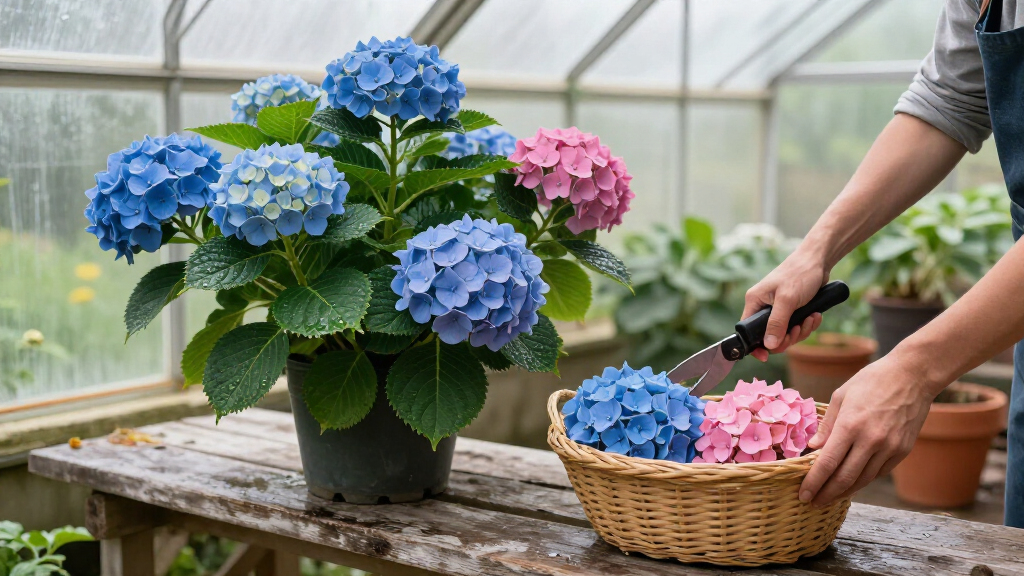
I evaluated each hydrangea on five buyer-relevant factors: reblooming reliability (whether the plant flowers on new wood, which protects against winter damage and pruning errors), climate adaptability (hardiness zone range and tolerance of heat, cold, and imperfect soil), size and maturity at delivery (a quart-pot starter and a three-gallon shrub are very different purchases), visual versatility (color-changing ability, foliage interest, and mature form), and ease of care for the gardener buying it. I also flagged duplication where multiple listings appear to sell the same cultivar in different container sizes, since that affects value comparisons more than any feature difference.
The ranking logic favors plants that succeed for the widest range of buyers first: reliable repeat bloomers at a mature size sit at the top, hardy low-maintenance panicle types fill the middle, and inexpensive starter plants or niche foliage picks round out the list. Where two options serve the same role, I ranked the one with better frost resilience or a more established root system higher, because those two factors cause the most first-year failures reported by hydrangea buyers.
| hydrangea plant | Sun exposure |
|---|---|
| Live French Hydrangea Macrophy | Full sun with afternoon shade recommended |
| Endless Summer BloomStruck Big | — |
| Endless Summer BloomStruck Hyd | Partial shade to full sun |
| Endless Summer BloomStruck Reb | — |
| Proven Winners Fairytrail Brid | Full sun to part shade |
| First Editions Vanilla Strawbe | Full sun to partial shade |
| Limelight Hydrangea Live Plant | — |
| Proven Winners Let’s Dance Sky | Full sun to partial shade |
| Fire Hydrangea Live Plant | — |
| Pink and White Hydrangea Live | — |
| First Editions Spring Sizzle P | — |
| First Editions Eclipse Bigleaf | Morning sun to partial or full shade |
Factors to Consider When Choosing Best Hydrangea Plants
Choosing between hydrangeas comes down to matching the plant’s biology to your climate, soil, and patience level. These are the factors that actually separate a thriving shrub from a disappointing one.Bloom Wood Type: Why It Matters More Than Anything Else
Hydrangeas either bloom on old wood (stems grown the previous year), new wood (this season’s growth), or both. This single trait determines whether you get flowers after a brutal winter or an ill-timed prune. Old-wood-only types can go an entire year without blooming if a late frost kills the buds, which is the most common complaint among hydrangea owners. New-wood bloomers and rebloomers like the BloomStruck series forgive those mistakes because they flower again on fresh growth. If you live in zones 5 or 6 where spring cold snaps are unpredictable, this should be your first filter — a gorgeous old-wood variety that never blooms is worse than a plainer one that flowers reliably. Many buyers skip this question entirely and end up blaming themselves for a failure that was baked into the plant.
Plant Size at Purchase: Patience versus Instant Impact
The gap between a 4-inch starter plant and a three-gallon established shrub is two to three growing seasons, and that difference explains most of the pricing spread in this category. Small plugs and quart pots are cheaper and ship better, but they need coddling through their first year — consistent watering, partial shade, and protection from pests — and rarely bloom meaningfully in season one. Established container shrubs cost more upfront yet root out faster and often flower within weeks of planting. A middle path many gardeners overlook: buy two small plants for the price of one large one and accept the wait, which works well for mass plantings along a fence or foundation. If you’re planting for an event or a single-season landscape refresh, though, mature plants are the only sensible choice.
Hardiness Zone and Summer Heat Tolerance
Panicle hydrangeas like Limelight and Vanilla Strawberry handle zones 3 through 8 and tolerate summer heat that wilts bigleaf types, making them the safe bet across the northern two-thirds of the country. Bigleaf and mountain hydrangeas prefer zones 5 through 9 but struggle in regions with hot afternoon sun and dry wind, where their large leaves lose water faster than the roots can replace it. A common mistake is assuming hardiness labels tell the whole story — a plant that survives your winter may still fail to bloom if buds freeze in early spring. Check both your USDA zone and your typical last-frost date before choosing. Gardeners in the Deep South should also prioritize heat tolerance over cold ratings, since bigleaf hydrangeas often go dormant and skip blooming after brutal summers.
Soil pH and Color Control Expectations
Only bigleaf and mountain hydrangeas change flower color based on soil pH — blue in acidic soil, pink in alkaline — and that trait comes with obligations. If you want blue blooms, you’ll need to acidify your soil with sulfur or aluminum sulfate repeatedly through the season, which is real ongoing work in regions with naturally alkaline or clay soil. White-flowered varieties like Fairytrail Bride and the panicle types don’t shift color at all, which many gardeners actually prefer because the plant always looks the way it did at purchase. Set realistic expectations: color-change photos online are often achieved with heavily managed soil, not ordinary garden conditions. If you’re not willing to amend soil twice a year, pick a variety whose default color you already love.
Mature Size and Placement Mistakes
Hydrangeas range from compact two-foot rebloomers to eight-foot panicle monsters, and planting the wrong size in the wrong spot is the error I see most often. A Limelight planted under a window will need hard annual pruning that sacrifices its natural form, while a compact Let’s Dance variety buried at the back of a deep border disappears. Check the mature spread, not just height — most hydrangeas grow as wide as they are tall and will crowd neighboring shrubs within three seasons. Also account for morning-sun, afternoon-shade placement in most climates; full sun in hot regions scorches leaves even when the plant survives. The cascading Fairytrail Bride is a special case, bred for containers and walls rather than open beds, so its placement logic is entirely different from upright varieties.
Bare Root, Plug, or Container: What You’re Actually Receiving
Online hydrangea listings blur the line between bare-root plants, greenhouse plugs, and nursery-grown container shrubs, and the care requirements differ sharply. Bare-root and plug-size plants need immediate potting up and several weeks of pamming before they can go in the ground, while container shrubs can be planted almost directly. Shipping season matters too — dormant bare-root plants ordered in late winter establish well, but the same plant shipped in June heat may arrive stressed. Read the listed height carefully: an “8 to 14 inch” plant in a quart pot is a juvenile, not a small version of the nursery specimen. Buyers expecting a photo-finished shrub from an inexpensive starter listing account for a large share of hydrangea disappointment, so match your expectations to the product format before ordering.
Frequently Asked Questions
Why are there multiple Endless Summer BloomStruck listings, and which one should I buy?
Several listings in this roundup sell the same BloomStruck cultivar in different container sizes and stages of maturity — a #2 container, a three-gallon pot, and so on. The plant itself is identical in genetics and bloom behavior, so your choice comes down to how established you want it to arrive and what you’re willing to pay for that head start. Larger containers have more developed root systems, which means faster establishment and flowers sooner after planting. If you’re patient and want to save money, the smaller container will catch up within two seasons under good care. What you should not do is buy multiple listings thinking you’re getting different varieties.
Will a starter plant in a quart pot bloom in its first year?
Usually not, or only sparsely, and setting that expectation correctly saves a lot of frustration. Plants listed at 4 to 14 inches tall, like the Limelight or Fire hydrangea starters, are juveniles focused on root and stem growth, and most of their energy in year one goes underground. Panicle types like Limelight are actually the fastest to mature from small starts, often blooming respectably in their second season. You can encourage earlier flowering by potting the starter up once, keeping it consistently watered, and planting it in a spot with morning sun. Trying to force blooms with fertilizer usually produces weak, leggy growth instead.
Which of these hydrangeas is best if my winters kill stems to the ground?
In cold zones where winter or late frosts flatten bigleaf hydrangeas, choose varieties that bloom on new wood — the BloomStruck series, Let’s Dance Skyview, and the panicle types like Limelight and Vanilla Strawberry. These produce flowers on the current season’s growth, so even if winter kills every old stem to the ground, the plant regrows and blooms that summer. Old-wood-only bigleaf varieties in this situation will leaf out beautifully and produce nothing, which is the classic heartbreak scenario for northern gardeners. The panicle types are the most bulletproof option overall, tolerating zones down to 3 with no bud-damage risk. Reblooming bigleaf types give you the color-shifting flowers plus insurance, but they still appreciate a protected spot out of drying winter wind.
Can I grow the Fairytrail Bride Cascade Hydrangea in the ground like a regular shrub?
You can, but you’d be wasting what makes it special. Fairytrail Bride was bred to cascade, with stems that arch and spill rather than stand upright, so its natural home is a raised container, retaining wall, or slope where the trailing white flower chains can hang freely. Planted flat in a border, the stems flop along the ground and the dramatic effect is lost. It also needs a bit more winter protection than hardy panicle types since it’s a bigleaf relative. If your goal is a classic upright landscape shrub, the Vanilla Strawberry or a BloomStruck listing serves that role better. Choose Fairytrail Bride specifically because you have a spot where its trailing habit can show off.
Are dark-foliage hydrangeas like Eclipse harder to grow?
They’re no harder in terms of basic care, but they have one different requirement: strong light. Dark-leaved varieties like Eclipse and Spring Sizzle develop their deepest foliage color only with several hours of direct sun, which puts them at odds with the afternoon-shade placement most hydrangeas prefer. In hot climates that means a delicate balance — enough sun for color, not so much that leaves scorch. The tradeoff is worth it for many gardeners because the plant looks ornamental even when not in bloom, filling the early-spring and late-fall gaps that green-leaved hydrangeas leave. In cooler zones, full sun placement is usually fine and the foliage performs beautifully.
Conclusion
Best overall goes to the Endless Summer BloomStruck Bigleaf Hydrangea in the three-gallon size — its reblooming habit, mature root system, and color-shifting flowers give the widest range of gardeners a reliable, satisfying result. Best value is the Limelight Hydrangea starter in its quart pot: cold-hardy, forgiving, and fast to mature, it’s the smartest low-cost entry into the category if you can wait a season. Best premium belongs to the Proven Winners Fairytrail Bride Cascade, whose trailing habit and white flower chains deliver a look nothing else in this lineup can match. Best for beginners is the Vanilla Strawberry Hydrangea — hardy, tolerant of imperfect soil, and nearly impossible to prune out of blooming. For specific needs, choose the Eclipse Bigleaf for dark foliage in mixed borders, the Let’s Dance Skyview for a compact rebloomer in small spaces, and the Fire Hydrangea or Pink and White starter plants for inexpensive mass plantings. Whatever you pick, match the bloom-wood type to your winter climate first — that single decision predicts success more than any other in this roundup.
Fall yard work Picks
leaf blowers
As an affiliate, we earn on qualifying purchases.