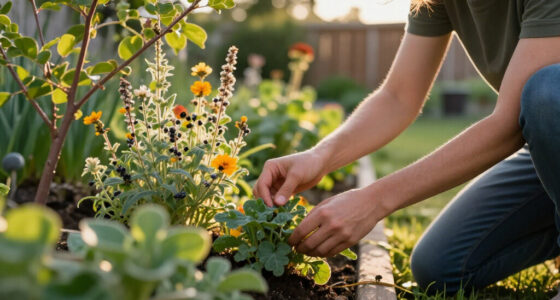
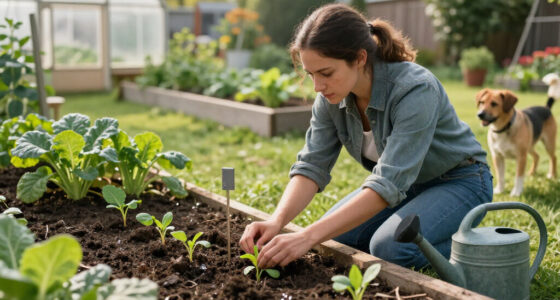
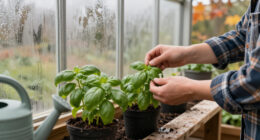
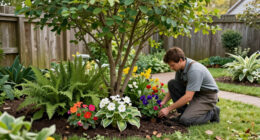
Choosing the best pollinator plants involves balancing attractiveness to beneficial insects with ease of planting and maintenance. The Live Flowering Bee Balm stands out for its vibrant color and strong pollinator appeal, making it a top overall choice. For those seeking cost-effective options, the Wildflower Seeds Butterfly and Hummingbird Mix offers a high seed count with broad appeal. The main tradeoffs include selecting plants that bloom at different times, ensuring pollinator activity throughout the season, versus the simplicity of planting a single, highly attractive species. Continue reading for a detailed breakdown of the top options to help you create a thriving pollinator garden.

Get garden gear delivered free — and shop member deals
- Fast, free delivery on millions of items
- Access to Prime Big Deal Days deals on October 6–7
- Prime Video, Amazon Music and more included
Key Takeaways
- Diverse seed mixes generally attract a broader range of pollinators compared to single-species plants.
- Native plants like Bee Balm (Monarda) outperform non-native options in supporting local pollinator populations.
- Seed quantity and mix variety significantly influence the coverage and long-term attractiveness of your garden.
- Shrubs like Black Knight Butterfly Shrub can provide year-round habitat, but require more space and maintenance.
- Cost-effective seed mixes often deliver excellent results, but premium plants may offer longer-lasting blooms and higher resilience.


More Details on Our Top Picks
Live Flowering Bee Balm – Balmy Purple (2 Plants), Pollinator Attractant, 10″ Tall in 1 Qt Pot
This live bee balm stands out for its vivid purple flowers that draw butterflies and bees, making it a top choice for those looking to combine beauty with pollinator support. Compared to seed mixes like the All Perennial Wildflower Seed Mix, it offers immediate impact with established plants, but requires more maintenance and regular watering. Its height of 2-4 feet ensures it becomes a focal point in the garden, though its spread of 3-4 feet demands ample space. It thrives in full sun and moist, well-draining soil, making it ideal for gardeners committed to ongoing care. This plant is perfect for gardeners wanting quick results and a splash of color that attracts pollinators directly.
Pros:- Vibrant purple flowers attract butterflies and bees
- Grows quickly to a height of 2-4 feet
- Suitable for full sun and moist, well-draining soil
Cons:- Requires regular watering every 1-2 weeks
- Needs ample space for its 3-4 foot spread
Best for: Gardeners seeking immediate, vibrant blooms that attract pollinators and are willing to provide regular watering and space.
Not ideal for: Beginners or those with limited space, as it needs consistent moisture and room to spread.
- Color:Balmy Purple
- Height:10 inches (but grows 2-4 feet tall)
- Plant Type:Live Plant
- Quantity:2 Plants
- Container Size:1 Quart
Our verdict“This pick makes the most sense for gardeners wanting instant color and pollinator attraction, provided they can meet its watering needs.”
All Perennial Wildflower Seed Mix (2oz) for Pollinators and Long-Blooming Gardens
This seed mix offers a diverse array of annual and perennial flowers, providing continuous blooms from spring through fall, making it an excellent choice for sustainable gardens. Unlike the Wildflower Seeds Butterfly and Hummingbird Mix, it is designed for long-term growth with minimal ongoing effort, though results depend heavily on proper planting and environmental conditions. The mix’s adaptability to full sun or partial shade broadens its appeal, while its low water needs support eco-friendly gardening. It’s best suited for gardeners seeking a vibrant, natural landscape with less frequent maintenance, especially those planting in prepared beds or wildflower areas.
Pros:- Continuous blooms from spring to fall
- Attracts beneficial pollinators and supports local ecosystems
- Low-maintenance and water-efficient
Cons:- Results depend on correct planting and environment
- May require patience for full bloom in the first year
Best for: Gardeners interested in creating a sustainable, low-maintenance pollinator habitat with seasonal color.
Not ideal for: Beginners or impatient gardeners, since it may take a year to see full flowering and success depends on proper planting conditions.
- Weight:2 oz
- Plant Type:Perennials and annuals
- Suitable Conditions:Full sun to partial shade
- Use Cases:Gardens, meadows, landscapes, borders, lawns
Our verdict“This mix offers excellent value for naturalistic, low-effort gardening aimed at supporting pollinators over the long term.”
Wildflower Seeds Butterfly and Hummingbird Mix – 1 Ounce Packet with 7,500+ Seeds
This generous packet with over 7,500 seeds covers 100 square feet and includes 23 species designed to attract diverse pollinators such as butterflies and hummingbirds. Compared with smaller seed mixes like the Seed Needs Wild Bee Balm Seeds, it offers a broader range of species for a more natural, textured landscape, though it requires proper planting conditions and patience for germination. Its detailed instructions and high germination rates make it suitable for ambitious projects aiming for substantial habitat creation, especially in wildflower meadows or large garden areas. While it demands environmental compatibility, it provides excellent value for creating a pollinator-friendly environment at scale.
Pros:- Large packet with over 7,500 seeds for extensive planting
- Includes 23 species to attract diverse pollinators
- High germination rates and detailed instructions
Cons:- Requires proper planting conditions for best results
- May not cover more than the specified 100 square feet
Best for: Gardeners or landscapers planning large, naturalistic pollinator habitats and willing to invest in proper planting techniques.
Not ideal for: Small gardens or beginners looking for instant impact, as it requires patience and proper site preparation.
- Packet Size:1 ounce
- Seed Count:7,500+ seeds
- Species:23 species of annual and perennial flowers
- Coverage:100 square feet
Our verdict“Ideal for large-scale habitat projects, this mix provides a broad spectrum of species to attract a wide range of pollinators, with patience needed for germination.”
200,000+ Wildflower Seeds [4oz] 16 Variety Perennial Mix – Heirloom Seeds for Pollinator Gardens
16 Variety Perennial Mix – Heirloom Seeds for Pollinator Gardens” image=”https://m.media-amazon.com/images/I/81ACAfgS+GL._AC_SY300_SX300_QL70_ML2_.jpg” link=”0″]Best for Year-Round, Heirloom Diversity
View Latest PriceThis heirloom perennial mix offers 16 varieties in a 4oz bag, designed to bloom year-round and attract pollinators across USDA zones. It stands out for its focus on heirloom seeds, which appeal to gardeners wanting to preserve genetic diversity and authenticity. Compared to seed-only mixes like the Wildflower Seeds Butterfly and Hummingbird Mix, it provides a curated selection with high germination rates and detailed planting guides. Its suitability for all USDA zones makes it versatile, though it requires full sun and some soil preparation for best results. This mix makes sense for those seeking a sustainable, eco-conscious approach with a focus on perennial blooms and pollinator support across seasons.
Pros:- Attracts bees, butterflies, and birds
- High germination rate with fast sprouting
- Includes planting guide and QR code for tips
Cons:- Requires full sun for optimal growth
- Some soil conditions may need adjustment depending on location
Best for: Eco-minded gardeners wanting a diverse, perennial pollinator garden with heirloom varieties and year-round blooms.
Not ideal for: Urban gardeners with limited space or those seeking quick, annual blooms for immediate color.
- Varieties:16 heirloom perennial varieties
- Weight:4oz
- Planting Zones:All USDA zones
- Expected Blooming Period:Year Round
- Sunlight Exposure:Full Sun
- Expected Height:5 Centimeters
- Materials:Heirloom seeds
Our verdict“This heirloom seed mix is perfect for gardeners prioritizing sustainability, diversity, and year-round pollinator support in suitable climates.”
Seed Needs Wild Bee Balm Seeds – Bergamot Perennial Flowers, 1 Pack
This seed packet provides high-quality wild bee balm seeds, a native North American perennial with lavender to pink tubular flowers that attract a variety of pollinators. It excels for gardeners seeking a native, aromatic plant that doubles as a herbal resource. Compared with the Live Flowering Bee Balm, it offers a more natural, seed-starting approach and is suited for those who want to incorporate native species into a sustainable landscape. Its height of 2-4 feet and drought tolerance make it a flexible choice for natural gardens or xeriscaping, though success depends on proper sowing and environmental conditions. This seed is ideal for gardeners who value native plants and long-term habitat benefits.
Pros:- Attracts bees, butterflies, and hummingbirds
- Drought-tolerant and hardy in various climates
- High-quality, heirloom, non-GMO seeds with moisture-resistant packaging
Cons:- Requires proper sowing for good germination
- Growth height varies depending on conditions
Best for: Native plant enthusiasts and gardeners seeking drought-tolerant, aromatic pollinator plants for sustainable landscapes.
Not ideal for: Urban gardeners or those wanting instant color, as seed germination takes time and proper conditions.
- Plant Type:Perennial herb
- Flower Color:Lavender to pink
- Height:2-4 feet
- Sunlight:Full sun to partial shade
- Soil:Well-drained, drought-tolerant
- Quantity:1 packet
- Seed Packaging Size:3.5″ x 5″
Our verdict“This native seed is best for eco-conscious gardeners wanting sustainable, aromatic plants that support local pollinators over time.”
Burpee Wildflower 25,000 Bulk Seed Mix – 18 Varieties of Non-GMO Flower Seeds for Hummingbirds and Butterflies
This wildflower seed mix stands out for its extensive coverage and variety, making it ideal for creating large, vibrant pollinator habitats. Compared with the Seed Needs Flower Seeds mix, which offers fewer varieties and a smaller seed count, the Burpee mix provides a broader spectrum of blooms that attract hummingbirds and butterflies across multiple seasons. Its non-GMO status and high germination rate enhance reliability, but the 35% germination potential means re-seeding might be necessary for full coverage. This mix is better suited to gardeners with ample outdoor space seeking continuous, colorful blooms, though it’s less ideal for small or shaded gardens.
Pros:- Attracts hummingbirds and butterflies effectively
- Contains 18 flower varieties for continuous blooms
- Non-GMO seeds with high germination rates
- Suitable for most soil types and large areas
Cons:- Germination rate may vary, requiring re-seeding
- Needs sunny outdoor conditions for optimal growth
Best for: Large-scale garden owners aiming to establish extensive pollinator habitats with diverse flower varieties.
Not ideal for: Small garden beds or shaded areas where sunlight is limited, as the mix requires full sun for best results.
- Seed Count:25,000 seeds
- Varieties:18 flower types
- Coverage:up to 1,000 sq ft
- GMO Status:Non-GMO
- Bloom Seasons:Spring, Summer, Fall
Our verdict“This seed mix is perfect for gardeners seeking a large, diverse, pollinator-friendly wildflower landscape, provided they have ample space and sunlight.”
KVITER 1,000 Wild Bergamot Seeds for Planting (Monarda fistulosa) – Bee Balm Native Wildflower, Pollinator Magnet, Non GMO
Compared with the more extensive Burpee mix, the KVITER Wild Bergamot seeds focus on a single native species renowned for attracting bees, butterflies, and hummingbirds. Its drought-tolerance and quick germination (10–20 days) make it ideal for low-maintenance gardens, especially in dry climates. While it offers fewer varieties, the aromatic leaves and edible petals add a culinary bonus. The main tradeoff is its limited bloom period from mid summer to early fall, which may not satisfy those seeking year-round color. This pick makes the most sense for gardeners prioritizing native plants and resilience over diversity.
Pros:- Highly attractive to pollinators like bees and hummingbirds
- Drought-tolerant and low-maintenance
- Versatile for garden beds, containers, and herbal uses
- Quick germination for rapid establishment
Cons:- Limited blooming period restricts continuous color
- Requires consistent moisture for germination
- Potential for spreading if self-seeded not managed
Best for: Gardeners wanting a hardy, native plant that supports pollinators with minimal upkeep.
Not ideal for: Those seeking a broad spectrum of flowers or year-round blooms, as this is a single-species focus.
- Quantity:1,000 seeds
- Plant Type:Wild Bergamot (Monarda fistulosa)
- Germination Time:10–20 days
- Water Needs:Low-water tolerant
- Height:2-4 ft
- Bloom Time:Mid summer to early fall
Our verdict“Ideal for native plant enthusiasts seeking a resilient, pollinator-friendly species with minimal care requirements.”
HOME GROWN Premium Monarch Butterfly Wildflower Seeds Mix (2oz) – Non-GMO, Perennial, Pollinator Garden Seeds
This mix is tailored to support monarch butterflies and a broad range of pollinators, with a focus on nectar-rich flowers and milkweed. Compared to the Pollinator All-Stars mix by Wildflower Seeds, which emphasizes heirloom varieties, this selection centers on the needs of monarchs, making it especially appealing for conservation-minded gardeners. It blooms from spring through fall and suits various garden sizes, but full sun is a must, and periodic watering may be necessary during establishment. Its versatility and focus on pollinator health make it ideal for those wanting to make a tangible difference in supporting butterfly populations.
Pros:- Supports monarch butterfly conservation
- Creates long-lasting, colorful blooms across seasons
- Easy to grow with quick germination (7-14 days)
- Suitable for various garden sizes and conditions
Cons:- Requires full sun for optimal growth
- May need periodic watering during establishment
- Some seeds may not germinate in very dry conditions
Best for: Gardeners committed to pollinator conservation, especially supporting monarch butterfly populations.
Not ideal for: Gardeners with limited sunlight or those seeking a quick, annual-only display, as this is a perennial mix requiring full sun and patience.
- Weight:2 oz
- Seed Count:20,000+ seeds
- GMO Status:Non-GMO
- Planting Zones:3-9
- Bloom Period:Spring to Fall
- Height Range:6 inches to 6 feet
Our verdict“This mix is best suited for gardeners passionate about butterfly conservation and creating sustainable pollinator habitats, with an emphasis on monarchs.”
Seed Needs Flower Seeds Hummingbird and Butterfly Mix 1 Ounce Bulk Pack
Compared with the Wildflower Seeds Mix by Wildflower Seeds, which offers a broader seasonal bloom, the Seed Needs Hummingbird and Butterfly Mix emphasizes large seed volume and vibrant, easy-to-grow flowers. Its simplicity and bulk quantity make it perfect for extensive planting projects, attracting a wide range of pollinators from butterflies to ladybugs. However, the limited detail on specific flower types means it may lack the diversity found in more curated mixes, and the need for daily watering can be demanding for some gardeners. This pack is well-suited for those looking to quickly establish large, colorful pollinator gardens on a budget.
Pros:- Attracts a broad spectrum of pollinators
- Large seed quantity suitable for extensive planting
- Easy to grow with simple instructions
- Vivid, colorful flowers enhance garden appeal
Cons:- Limited info on specific flower varieties
- Requires daily watering for best results
Best for: Gardeners seeking a high-volume, affordable seed pack to create vibrant, pollinator-friendly landscapes quickly.
Not ideal for: Small-scale gardeners or those seeking highly diverse or native-specific wildflower mixes, as the focus is on volume and color rather than variety.
- Weight:1 oz
- Unit Count:1.0
- Number of Pieces:15,000
- Expected Blooming Period:Summer to Fall
- Sunlight Exposure:Full Sun
- Expected Plant Height:36 Inches
Our verdict“This bulk seed pack is ideal for gardeners wanting quick, large-scale, pollinator-friendly displays without fussing over individual species diversity.”
Wildflower Seeds Mix – Pollinator All-Stars, 20 Heirloom Varieties, 10,000+ Seeds (4oz) Covers 100-120 sq.ft.
Compared with the other mixes, the Pollinator All-Stars combines 20 heirloom varieties to support a wide array of pollinators, from bees and butterflies to hummingbirds and moths. Its lab-tested high germination rate and coverage of 100-120 square feet make it a compelling choice for serious wildlife gardeners. While the 4oz size offers excellent value, it demands attentive watering and maintenance to ensure successful germination. This mix excels for those looking to cultivate a vibrant, multi-season pollinator garden with a focus on plant diversity and ecological benefit, though it might be overkill for very small or shaded spaces.
Pros:- Supports a broad range of pollinators with 20 heirloom varieties
- High germination rate ensures successful establishment
- Provides continuous blooms from spring to fall
- Good value with over 10,000 seeds in a resealable pouch
Cons:- Requires consistent watering and maintenance
- May not be suitable for very small or shaded gardens
Best for: Dedicated gardeners wanting a diverse, high-germination wildflower mix that supports multiple pollinator species over the entire growing season.
Not ideal for: Gardening novices or those with very limited space, since its success depends on proper watering and maintenance, and it covers a moderate area.It also may be less suitable for shaded or small gardens due to its size and sunlight needs.
Our verdict“This wildflower mix is best for committed gardeners seeking plant diversity and season-long pollinator support in a manageable area, with attention to care requirements.”
Perfect Plants Black Knight Butterfly Shrub 1 Gallon
This Black Knight Butterfly Shrub stands out for its striking dark purple flowers that attract a variety of pollinators, including butterflies, bees, and hummingbirds. Compared with the seed mixes like Mountain Valley Seed Co Wildflower Seed Mix, it offers immediate visual appeal and targeted pollinator support, making it ideal for gardeners seeking a specimen plant that delivers both beauty and ecological benefits. The shrub’s drought tolerance and hardy nature in zones 5-9 add resilience, but its limited shipping to WA, CA, and AZ restricts availability for some buyers. While it’s perfect for enhancing garden aesthetics, it’s not suited for those wanting a large-scale or seed-based planting.
- Pros: Attracts multiple pollinators with fragrant flowers; Drought tolerant and hardy in zones 5-9; Adds visual interest and property value
- Cons: Cannot be shipped to WA, CA, or AZ; Only suitable for outdoor planting; Limited to one plant per purchase
Verdict: This shrub makes the most sense for gardeners wanting a colorful, low-maintenance pollinator magnet for their perennial border or landscape feature.
Pros:- Attracts multiple pollinators with fragrant flowers
- Drought tolerant and hardy in zones 5-9
- Enhances garden aesthetics and property value
Cons:- Cannot be shipped to WA, CA, or AZ
- Limited to outdoor planting only
Best for: Gardeners seeking a visually striking, easy-to-maintain shrub that attracts butterflies, bees, and hummingbirds in temperate zones.
Not ideal for: Urban gardeners with limited outdoor space or those in restricted shipping zones who prefer seed-based, large-area planting.
- Size:1 Gallon
- Hardiness Zone:5-9
- Flower Color:Dark Purple
- Season:Summer
- Pollinators Attracted:Butterflies, Bees, Hummingbirds
Our verdict“Ideal for gardeners wanting a resilient, visually appealing shrub that actively supports local pollinators.”
Mountain Valley Seed Co Wildflower Seed Mix – 2 oz, 80,000+ Seeds, Bee Friendly & Pollinator Wildflower Seeds for Planting
This Wildflower Seed Mix offers a diverse blend of 19 native, non-GMO varieties, making it a comprehensive choice for supporting pollinators across a broad area. Compared to the Perfect Plants Black Knight Butterfly Shrub, which provides targeted attraction, this mix emphasizes ecological restoration and habitat diversity, covering approximately 250 square feet with vibrant blooms. Although germination takes 20-30 days and depends on proper timing—similar to other seed mixes like the Wildflower Seeds Butterfly and Hummingbird Mix—the mix’s ease of planting and native varieties make it accessible for beginners and conservation-minded gardeners. Its seasonal bloom cycle encourages ongoing pollinator activity, but it requires planting after the last frost and patience for germination.
- Pros: Supports pollinator conservation with 19 native varieties; Easy to plant and adaptable to various environments; Non-GMO and seed diversity promote ecological health
- Cons: Germination takes 20-30 days, requiring patience; Needs fall planting for best spring blooms; Not suitable for immediate visual impact like shrub choices
Verdict: This seed mix is perfect for those looking to establish a large, diverse pollinator habitat with ongoing seasonal blooms.
Pros:- Supports pollinator conservation with 19 native varieties
- Easy to plant and suitable for various environments
- Non-GMO and promotes ecological health
Cons:- Germination may take 20-30 days in spring
- Requires planting after last frost for best results
- Lacks immediate visual impact compared to shrub options
Best for: Conservation-minded gardeners and farmers aiming to create a broad, natural habitat supporting a wide range of pollinators over time.
Not ideal for: Gardeners seeking instant visual impact or quick results, as germination and growth take time and depend on proper planting timing.
- Weight:2 oz
- Seeds Included:Butterfly Milkweed, New England Aster, Wallflower, Coreopsis, Cosmos, etc.
- Coverage:~250 sq ft
- Germination Time:20-30 days in spring
- Germination Dormancy:Fall remains dormant until spring
Our verdict“This mix appeals most to those committed to ecological restoration and creating a long-term pollinator habitat in natural or semi-wild settings.”
How We Picked
The products in this roundup were evaluated based on several key factors: pollinator attraction efficacy, variety and bloom timing, ease of planting and maintenance, cost per coverage area, and overall versatility. We prioritized seed mixes that offer broad appeal to multiple pollinators, especially bees, butterflies, and hummingbirds, while also considering native plant status. The ranking reflects a balance between value and performance, with top picks excelling in both ease of use and attractiveness. Products that provide comprehensive coverage and season-long blooms were rated higher, as they support pollinator health throughout the growing season.Factors to Consider When Choosing Best Pollinator Plants
When choosing pollinator plants, it’s essential to consider factors beyond just attractiveness. Understanding your local climate, soil conditions, and available space can help you select the most suitable plants. Additionally, consider bloom timing to ensure continuous nectar sources, and prioritize native species for maximum pollinator support. Budget and maintenance requirements also influence your options; some mixes offer high coverage at lower costs, while others may require more care but provide higher resilience or longer-lasting blooms. Avoid planting a single species without considering its bloom period or native status, as this can limit pollinator visits and reduce garden effectiveness.Pollinator Diversity and Bloom Timing
Choosing a variety of plants that bloom at different times extends the pollinator-friendly period in your garden. This ensures bees, butterflies, and hummingbirds have access to nectar and pollen throughout the season. Mixing early, mid, and late bloomers creates a resilient ecosystem that supports pollinator health and productivity. Focus on native plants when possible, as they are better adapted to local conditions and more beneficial to native insects. This approach also prevents gaps in food sources, keeping your pollinator garden vibrant and active year-round.
Native versus Non-Native Plants
Native plants generally outperform non-native options in supporting local pollinators because they have evolved alongside these species. They tend to be more resilient, require less maintenance, and provide the most suitable nectar and pollen. However, non-native mixes can fill gaps in bloom times or add diversity, especially in areas with limited native flora. Balancing native and non-native plants can maximize pollinator visits while maintaining garden resilience. Be cautious with invasive species, which can disrupt local ecosystems rather than support them.
Cost and Coverage Tradeoffs
Seed mixes vary widely in price and coverage area. Larger seed quantities often provide better value per square foot but may require more initial effort to establish. Premium plants or carefully curated mixes tend to be more resilient and longer-lasting but come at a higher cost. Budget-conscious gardeners should consider high-quality seed mixes that offer broad appeal, while those willing to invest may prefer native shrubs or perennial plants for sustained habitat. Evaluate your space and budget to find the best fit without sacrificing pollinator support.
Ease of Planting and Maintenance
Some pollinator plants, like seed mixes, are easy to sow and require minimal ongoing care, making them ideal for beginners. Others, such as shrubs or native perennials, may need more planning and maintenance but offer longer-lasting benefits. Consider your gardening experience and available time when selecting plants. Proper site preparation, soil conditions, and watering can significantly impact success. Avoid overly complex setups if you’re new, but don’t shy away from trying more established native plants if you’re seeking long-term habitat improvements.
Long-Term Benefits and Resilience
Plants that establish quickly and resist pests or drought tend to offer better long-term value. Perennials and shrubs generally require less replanting and can provide years of support with minimal effort. Incorporating a mix of annuals, perennials, and shrubs can create a layered habitat that adapts to changing conditions. Keep in mind that some seed mixes may need annual reseeding, while native plants often improve over time, becoming more robust and attractive to pollinators. Prioritize resilience for sustainable pollinator support with less ongoing work.
Frequently Asked Questions
Can I plant pollinator seeds in any soil?
While most pollinator seeds can grow in a variety of soils, they perform best in well-drained, fertile soil with adequate organic matter. If your soil is poor or heavy clay, consider amending it with compost or using raised beds. Proper preparation enhances germination rates and plant health, leading to more consistent pollinator visits. For native plants, matching the soil type to their natural habitat boosts success and longevity.
How long does it take for seed mixes to attract pollinators?
Seed mixes typically begin attracting pollinators within a few weeks after germination, especially if planted in early spring or late summer. Some blooms may appear as early as 4-6 weeks, depending on species and growing conditions. Consistent watering and proper care can accelerate growth and flowering. Keep in mind that establishing native perennials or shrubs might take longer—sometimes a year or more—but they often provide longer-lasting support once mature.
Should I plant native or non-native pollinator plants?
Native plants generally offer the most benefits to local pollinators because they are adapted to the environment and provide familiar nectar sources. They tend to be more resilient, require less maintenance, and support a broader range of native insects. Non-native plants can add diversity and extended bloom periods but may not support local species as effectively. For a balanced approach, prioritize native species and supplement with select non-natives that are non-invasive and bloom at different times.
How much space do I need for a pollinator seed mix?
The space required depends on the seed mix and coverage area specified. Many mixes, like the 4oz wildflower blends, can cover approximately 100-120 square feet, making them suitable for small to medium gardens. Larger seed packets, such as 16 varieties or bulk mixes, can cover several hundred square feet. Be sure to prepare the soil properly and follow seeding instructions for best results. Adequate spacing allows plants to grow without overcrowding, encouraging healthy pollinator activity.
Are shrubs necessary for attracting pollinators?
Shrubs like Black Knight Butterfly Shrub can provide essential year-round habitat and nectar, especially in gardens with limited space for groundcover or flowering beds. They often bloom later in the season, extending the pollinator activity period. However, they are not strictly necessary if you prefer planting a diverse mix of annuals and perennials. Combining shrubs with other plants creates a layered habitat that supports pollinators at different life stages and throughout the year, enhancing overall garden effectiveness.
Conclusion
For most gardeners looking for a reliable, easy-to-maintain solution, the Live Flowering Bee Balm offers impressive pollinator support with minimal fuss. Those on a budget will find excellent value in seed mixes like the Wildflower Seeds Butterfly and Hummingbird Mix, which provide broad appeal at a lower cost. Gardeners seeking long-term, resilient habitat should consider native shrubs like the Black Knight Butterfly Shrub. Beginners will benefit from simple seed mixes, while experienced growers can experiment with more diverse native perennial mixes for maximum ecological benefit. Your choice should align with your space, budget, and pollinator goals to create a garden that thrives for years to come.
Fall yard work Picks
leaf blowers
As an affiliate, we earn on qualifying purchases.