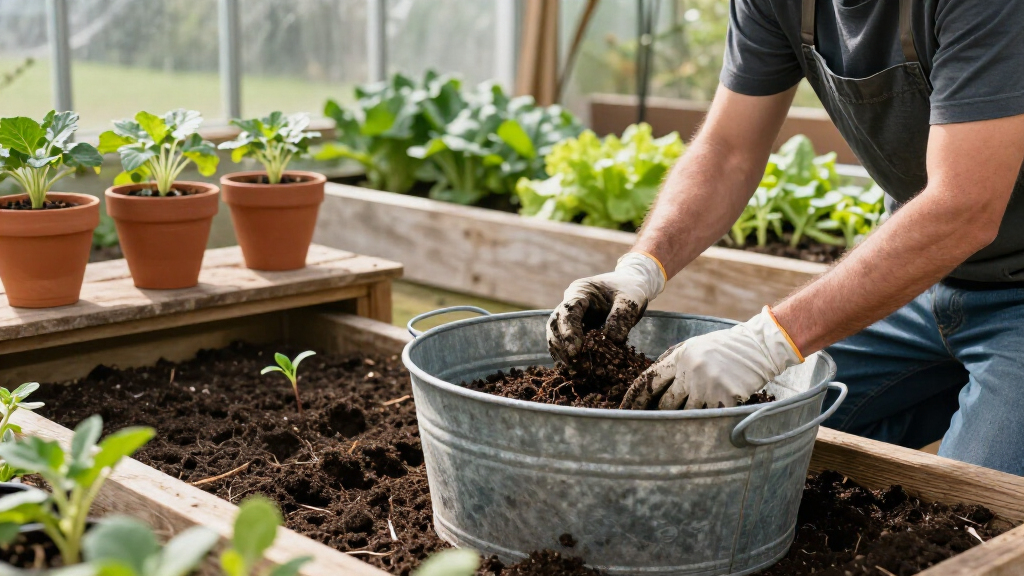

The best garden growing media overall in this lineup is FoxFarm Cream of the Crop 50/50 Growing Media, a ready-to-use blend that offers more balanced support than single-ingredient amendments. For soilless growing, FoxFarm Cultivation Nation 70:30 is a standout for growers who want a defined coco-and-perlite mix, while Legigo Coco Coir Bricks suit gardeners who value compact storage and flexible batch sizes. The main tradeoff is between ready-mixed convenience and the control of building a medium from coir, perlite, vermiculite, clay pebbles, or rockwool. Your plant type, watering routine, and growing system matter as much as the material itself. Continue reading for the full breakdown and guidance on choosing a medium that fits your setup.

Get garden gear delivered free with Prime
- Fast, free delivery on millions of items
- Prime Video, Amazon Music and more included
- Member-only deals all year
Complete the kit


Key Takeaways
Ready-to-use blends rank ahead for convenience: FoxFarm Cream of the Crop and Cultivation Nation combine ingredients in set ratios, reducing the need to source and mix components yourself.
Coco coir offers the most range across the lineup: it appears as compressed bricks, expanding coir, and a coir-perlite blend, so buyers can choose between storage efficiency, larger batches, and a more finished medium.
Perlite and vermiculite are amendments, not universal stand-alone choices: they change air space or water retention, but gardeners usually need to match them with a base medium and their watering habits.
Clay pebbles and rockwool serve more specialized setups: they suit hydroponic or propagation tasks better than gardeners seeking a simple, soil-like container mix.
Package volume changes the value calculation: large perlite and coir formats make sense for repeat use, while smaller packs can reduce storage demands and leftover material for occasional growers.
| Voulosimi Clay Pebbles Hydroponic Growing Medium, 18 lb |  | Best for Reusable-Style Drainage and Root Support | Material: Clay | Pebble size: 0.3–0.5 in | Package weight: 18 lb | VIEW LATEST PRICE | See Our Full Breakdown |
| CrazyTerra 1-Inch Rockwool Cubes, 100 Pack |  | Best for Seed Starting and Cloning | Material: Rockwool | Cube dimensions: 1 × 1 × 1 in | Pack quantity: 100 cubes | VIEW LATEST PRICE | See Our Full Breakdown |
| Legigo Organic Coco Coir Bricks for Plants, 10-Pack |  | Best for Compact, Versatile Coco Coir | Material: Coconut coir (coconut fiber) | Pack quantity: 10 bricks | Brick dimensions: 8 × 4 × 2 in | VIEW LATEST PRICE | See Our Full Breakdown |
| FoxFarm Cream of the Crop 50/50 Growing Media, 2 cu ft |  | Best Ready-to-Use Container Mix | Volume: 2 cubic feet | Ingredients: 50% coconut coir, 50% perlite | Item weight: 30 lb | VIEW LATEST PRICE | See Our Full Breakdown |
| Back to the Roots Organic Horticultural Vermiculite, 8 qt |  | Best for Boosting Moisture Retention in Mixes | Material: Organic horticultural-grade vermiculite | Volume: 8 quarts | Item weight: 1.7 lb | VIEW LATEST PRICE | See Our Full Breakdown |
| AeroSoil Premium Horticultural Perlite, Coarse, 4 Cubic Feet |  | Best for Large-Scale Soil Aeration | Material: Horticultural perlite | Grade: Coarse | Volume: 4 cubic feet | VIEW LATEST PRICE | See Our Full Breakdown |
| PVP Industries Organic Coarse Perlite, 120 Qt |  | Best for Multi-Purpose Propagation | Material: Coarse horticultural perlite | Volume: 120 quarts (4 cubic feet) | pH: Neutral | VIEW LATEST PRICE | See Our Full Breakdown |
| WAURHER Expanded Clay Pebbles for Plants, 10 lb |  | Best Reusable Hydroponic Medium | Material: Expanded clay | Weight: 10 lb | Pebble size: 7–15 mm | VIEW LATEST PRICE | See Our Full Breakdown |
| Happy Trees Coco Coir and Perlite Growing Medium, 9 Quarts (10 L) |  | Best Ready-to-Use Blend | Volume: 9 quarts (10 L) | Composition: 70% coconut coir, 30% perlite | Preparation: Pre-expanded and ready to use | VIEW LATEST PRICE | See Our Full Breakdown |
| Nutrifield Coco Mega Brick Compressed Coconut Coir, 5 kg |  | Best Space-Saving Bulk Coir | Material: Coconut coir | Weight: 5 kg (11 lb) | Expanded volume: Approximately 55 liters | VIEW LATEST PRICE | See Our Full Breakdown |
| FoxFarm Cultivation Nation 70:30 Growing Media, 2 Cubic Feet |  | Best Ready-to-Plant Container Blend | Brand: FoxFarm | Volume: 2 cubic feet | Ingredients: 70% buffered coconut coir, 30% perlite | VIEW LATEST PRICE | See Our Full Breakdown |
| Back to the Roots Organic Coconut Coir, Expanding Soil, 51 Quart |  | Best for Versatile Peat-Free Coir | Brand: Back to the Roots | Material: Coconut coir | Weight: 10 pounds | VIEW LATEST PRICE | See Our Full Breakdown |
| Coco Bliss Organic Coco Coir Brick, 10 lb |  | Best Pre-Rinsed Coir Amendment | Brand: Plantonix | Material: Coconut fiber | Weight: 10 pounds | VIEW LATEST PRICE | See Our Full Breakdown |
| garden growing media | Material |
|---|---|
| Voulosimi Clay Pebbles Hydropo | Clay |
| CrazyTerra 1-Inch Rockwool Cub | Rockwool |
| Legigo Organic Coco Coir Brick | Coconut coir (coconut fiber) |
| FoxFarm Cream of the Crop 50/5 | — |
| Back to the Roots Organic Hort | Organic horticultural-grade vermiculite |
| AeroSoil Premium Horticultural | Horticultural perlite |
| PVP Industries Organic Coarse | Coarse horticultural perlite |
| WAURHER Expanded Clay Pebbles | Expanded clay |
| Happy Trees Coco Coir and Perl | — |
| Nutrifield Coco Mega Brick Com | Coconut coir |
| FoxFarm Cultivation Nation 70: | — |
| Back to the Roots Organic Coco | Coconut coir |
| Coco Bliss Organic Coco Coir B | Coconut fiber |
More Details on Our Top Picks
Voulosimi Clay Pebbles Hydroponic Growing Medium, 18 lb
Voulosimi’s clay pebbles are the most drainage-focused option here: their 0.3–0.5-inch pieces create air spaces around roots while offering some capillary action. That makes them better suited to hydroponic setups, orchids, and pots that need a coarse structure than the Legigo coco coir bricks, which hold more moisture across a broader growing area. The neutral pH and sterile material also make these pebbles a flexible choice for growers who want a medium that does not add an acidic or alkaline starting point.
The tradeoff is that clay pebbles provide little of the water-holding character of coir, so they are not a standalone match for every plant or watering routine. They can also be used as a soil additive, but the 18-pound quantity may be more than a small orchid collection needs. Choose these for root-zone airflow and drainage, not for an all-purpose moisture-retentive potting medium.
Pros:- Coarse structure supports drainage and root-zone airflow
- Neutral pH and sterile material suit controlled growing systems
- Usable in hydroponic, aeroponic, horticultural, and orchid applications
- Can be added to soil to improve drainage
Cons:- Less suited than coco coir to applications where sustained moisture retention is the priority
- Pebbles alone do not provide a complete, fine-textured seed-starting medium
- The 18-pound quantity may be excessive for a few small pots
Best for: Hydroponic growers and orchid owners who need a sterile, pH-neutral medium that supports drainage and airflow around roots.
Not ideal for: Gardeners seeking a moisture-retentive standalone mix for seed starting or beds; clay pebbles offer less water-holding capacity than coco coir.
- Material:Clay
- Pebble size:0.3–0.5 in
- Package weight:18 lb
- pH:Neutral
- Sterility:Sterile
- Listed uses:Hydroponics, aeroponics, horticulture, orchids, and drainage
Our verdict“Choose Voulosimi if drainage, root airflow, and a neutral medium matter more than high moisture retention.”
CrazyTerra 1-Inch Rockwool Cubes, 100 Pack
CrazyTerra’s one-inch rockwool cubes are the most targeted propagation choice in this group. Their small, uniform shape gives growers individual blocks for seeds or cuttings, while the stated balance of water retention and airflow addresses two needs that can be hard to manage in early root growth. Compared with the broader-use FoxFarm Cream of the Crop, these cubes are built around starting and propagating plants rather than filling containers for mature flowers, herbs, or vegetables.
The stable structure after soaking is useful when moving a rooted start into another system, since cubes are intended to hold together rather than crumble. The limits are just as specific: indoor use is listed, and a pack of individual cubes is less practical for filling beds or larger pots. Rockwool is a specialized propagation format, not a general replacement for coir or a ready-to-use container mix.
Pros:- Individual one-inch cubes suit seed starting and cloning
- Designed to balance water retention with airflow
- Structure is intended to resist crumbling after soaking
- Compatible with hydroponic and aeroponic systems
Cons:- Indoor use is specified, limiting the fit for outdoor propagation
- Small cubes are impractical as a bulk medium for beds or large containers
- More specialized than the all-purpose container use offered by FoxFarm Cream of the Crop
Best for: Indoor growers who start seeds or root cuttings individually before moving plants into hydroponic or aeroponic systems.
Not ideal for: Outdoor gardeners or anyone filling large containers, beds, or pots; these are small propagation cubes with indoor use specified.
- Material:Rockwool
- Cube dimensions:1 × 1 × 1 in
- Pack quantity:100 cubes
- Item weight:0.13 kg
- Listed use:Indoor
- Intended applications:Seed starting, cloning, propagation, hydroponics, and aeroponics
Our verdict“Pick CrazyTerra for indoor propagation in individual cubes, not for general-purpose garden containers.”
Legigo Organic Coco Coir Bricks for Plants, 10-Pack
Legigo’s compressed coco coir bricks suit gardeners who want a moisture-retentive medium that stores compactly before use. Hydrated coir expands into a light material with moisture retention, aeration, and drainage, giving it broader uses than the CrazyTerra rockwool cubes, which are aimed at individual starts and cuttings. These bricks can contribute to seed-starting mixes, potting blends, garden beds, and composting, so one pack can serve more than a single growing task.
The main compromise is preparation: unlike FoxFarm Cream of the Crop, which is ready to use, Legigo coir needs water before planting. The instructions call for adding water gradually to control consistency, so gardeners should allow time to hydrate and adjust the material. Its versatility is attractive, but it is not a grab-and-plant option, and the supplied data does not specify the expanded volume for the full pack.
Pros:- Compressed bricks take up less storage space before hydration
- Coir retains moisture while allowing aeration and drainage
- Suitable for seed starting, potting mixes, garden beds, and composting
- Ten separate bricks allow the material to be prepared in portions
Cons:- Requires hydration before use
- Water must be added gradually to control the finished consistency
- Unlike a ready-to-use mix, it may need blending with other ingredients for a particular planting task
Best for: Gardeners with limited storage who want compressed coir for seed starting, potting blends, beds, or composting.
Not ideal for: Growers who need a ready-to-plant medium immediately or prefer a defined, pre-mixed blend without a hydration step.
- Material:Coconut coir (coconut fiber)
- Pack quantity:10 bricks
- Brick dimensions:8 × 4 × 2 in
- Weight per brick:Approximately 1.4 lb
- Volume per brick:64 cubic inches
- Total unit count:224 oz
- Features:Moisture retention, aeration, and drainage
Our verdict“Choose Legigo if compact storage and flexible coir use outweigh the extra step of hydrating the bricks.”
FoxFarm Cream of the Crop 50/50 Growing Media, 2 cu ft
FoxFarm Cream of the Crop is the easiest choice here for gardeners who want a complete container medium without first hydrating bricks or combining separate ingredients. Its 50/50 blend of coconut coir and perlite pairs moisture retention with aeration and drainage, and the two-cubic-foot volume is suited to filling multiple containers. Compared with Legigo’s compressed coir, this is faster to use and already includes an aerating ingredient; compared with vermiculite, it is a full growing medium rather than an amendment.
That convenience comes with less control over the starting blend: growers who want to tailor the coir-to-aeration ratio may prefer separate ingredients. The description also says plants need customized feeding schedules, so this media should not be treated as a complete source of ongoing plant nutrition. It fits flowers, herbs, fruits, vegetables, and houseplants indoors or outdoors, but buyers seeking a standalone nutrient program should look elsewhere.
Pros:- Ready to use without hydrating or mixing ingredients first
- Coir helps retain moisture while perlite supports aeration and drainage
- Suitable for indoor and outdoor container plants
- Two cubic feet can serve multiple containers
Cons:- The fixed 50/50 blend offers less control than combining separate coir and perlite
- Plants require customized feeding schedules
- A two-cubic-foot package may be more than needed for a small number of pots
Best for: Container gardeners planting a mix of flowers, herbs, vegetables, fruit, or houseplants who want a ready-to-use medium.
Not ideal for: Growers who want to customize the ratio of ingredients or expect the medium alone to meet plants’ feeding needs.
- Volume:2 cubic feet
- Ingredients:50% coconut coir, 50% perlite
- Item weight:30 lb
- Container use:Indoor and outdoor
- Suitable plants:Flowers, herbs, fruits, vegetables, and houseplants
- Ready to use:Yes
- Model number:086385
Our verdict“Choose FoxFarm Cream of the Crop for convenient, broad-use container planting, provided you are ready to manage feeding separately.”
Back to the Roots Organic Horticultural Vermiculite, 8 qt
Back to the Roots horticultural vermiculite is an amendment for gardeners who want to adjust an existing medium, rather than a standalone growing base. It is described as helping soil retain moisture and resist compaction, which makes it a useful component in a seed-starting blend. Compared with FoxFarm Cream of the Crop, which arrives as a coir-and-perlite mix ready for containers, vermiculite gives the buyer more control over a custom mix but requires other ingredients to do the full job.
The 8-quart bag is a modest quantity for blending, and the listed indoor and outdoor use keeps it flexible across growing spaces. Still, its role is narrower than Legigo’s coir bricks: vermiculite is presented as something to mix with perlite and coir for seed starting, not as a multipurpose medium for beds or potting on its own. Choose it to tune moisture and structure in a recipe you already use.
Pros:- Helps soil retain moisture
- Can help resist compaction and support root growth
- Suitable for indoor and outdoor gardening
- Useful as one component in a seed-starting mix
Cons:- Requires mixing with other materials for the suggested seed-starting blend
- Not presented as a complete standalone growing medium
- The 8-quart quantity may not suit large-scale mixing
Best for: Seed starters and container gardeners who already have a base medium and want to add moisture retention and reduce compaction.
Not ideal for: Beginners seeking a ready-to-use standalone medium or gardeners who do not want to combine separate ingredients.
- Material:Organic horticultural-grade vermiculite
- Volume:8 quarts
- Item weight:1.7 lb
- Number of packs:1
- Listed use:Indoor and outdoor gardening
- Model number:57003
- Country of manufacture:USA
Our verdict“Pick this vermiculite to adjust moisture retention in a custom mix, rather than as a ready-made growing medium.”
AeroSoil Premium Horticultural Perlite, Coarse, 4 Cubic Feet
Coarse texture and a four-cubic-foot supply make AeroSoil a practical pick for gardeners amending many containers, beds, or planting areas. Perlite helps open up dense mixes so water can drain and roots can access air; unlike a complete medium such as Happy Trees Coco Coir and Perlite, this is an amendment rather than a ready-to-use blend, so you choose the base and proportion yourself. It is also suited to propagation and hydroponics, where a lightweight, neutral-pH medium can serve needs beyond ordinary soil mixing.
The tradeoff is that coarse perlite does not provide a balanced growing mix on its own, and its drainage role means you may need another ingredient for plants that require more moisture retention. For propagation, the medium needs to stay moist, and cuttings should develop sturdy roots before transplanting. Compared with PVP Industries’ 120-quart perlite, AeroSoil offers the same stated volume, so choice comes down to brand preference rather than capacity.
Pros:- Coarse perlite helps improve airflow and drainage in compacting soil mixes
- Does not compact or decompose over time
- Suitable for propagation, shrub and tree planting, and hydroponics
- Four-cubic-foot volume supports larger projects
Cons:- Needs to be combined with other media to make a complete growing mix
- Propagation media must be kept moist, and cuttings need established roots before transplanting
- Large volume takes up substantial storage space
Best for: Gardeners preparing large batches of custom soil mixes for containers, landscaping, propagation, or hydroponic setups
Not ideal for: Growers seeking a ready-to-use, moisture-retaining potting blend or a small quantity for a few houseplants
- Material:Horticultural perlite
- Grade:Coarse
- Volume:4 cubic feet
- pH:Neutral
- Unit count:3,830 ounces
- Manufacturer:AeroSoil
- Model:Horticultural Perlite
Our verdict“Choose AeroSoil if you need a large supply of coarse perlite for custom mixes, but skip it if you want a complete medium in one package.”
PVP Industries Organic Coarse Perlite, 120 Qt
One 120-quart bag of coarse perlite can serve several jobs: opening up soil or compost, supporting seed starting, and providing a lightweight medium for cuttings or hydroponics. Its stated sterile, pH-neutral properties make it a straightforward ingredient when you want to adjust a mix without adding a strongly acidic or alkaline component. Compared with AeroSoil Premium Horticultural Perlite, the listed volume is equivalent at four cubic feet, so PVP’s advantage is less about capacity and more about its clearly specified properties, including odorless and non-flammable.
This is still an ingredient, not a finished growing medium. Perlite is most useful here for drainage and aeration, so gardeners may need to pair it with compost, coir, or another material for a mix that holds more water and nutrients. The large quantity also calls for storage space. Compared with Happy Trees Coco Coir and Perlite, PVP offers more control over the blend, but less convenience out of the bag.
Pros:- Coarse perlite supports drainage and aeration in soil and compost
- Suitable for hydroponics, seed starting, and cutting propagation
- Sterile, lightweight, and pH-neutral
- 120-quart supply can cover repeated mixing and propagation projects
Cons:- Works best as part of a blend rather than as a complete medium for many plants
- Large bag requires substantial storage space
- May not retain enough moisture on its own for plants that need consistently damp media
Best for: Seed starters and propagation growers who want a large quantity of coarse perlite to blend into their own mixes
Not ideal for: Apartment gardeners with limited storage or beginners looking for a ready-made medium with coir and perlite already blended
- Material:Coarse horticultural perlite
- Volume:120 quarts (4 cubic feet)
- pH:Neutral
- Properties:Sterile, lightweight, non-flammable, odorless, and non-toxic
- Pack count:1
- Brand:PVP Industries, Inc.
- Model number:105408
Our verdict“Pick PVP Industries perlite for flexible propagation and soil-mixing projects if you have room to store a large bag and plan to blend it.”
WAURHER Expanded Clay Pebbles for Plants, 10 lb
Reusable, 7–15 mm clay pebbles suit growers who want a durable, structured medium for hydroponics, orchids, succulents, or indoor plants. Their porous form can hold some moisture while allowing drainage, giving roots support without the fine texture of coir. Compared with AeroSoil Premium Horticultural Perlite, WAURHER offers solid granules that can be cleaned and used again, while perlite is better suited to amending soil or serving as a lightweight propagation ingredient.
The 10-pound package is a more focused choice than bulk perlite for a small hydroponic system or a few planters, but it does not provide the same fine, blended texture as Happy Trees Coco Coir and Perlite. Some plants may need these pebbles mixed with another medium, and reuse is not immediate: they must be cleaned first. Buyers should choose them for reusable structure, not as a universal replacement for potting mix.
Pros:- Porous pebbles can retain moisture while supporting drainage
- Reusable after cleaning
- Suitable for hydroponics, orchids, succulents, and indoor gardening
- 7–15 mm granules provide a structured, chunky root environment
Cons:- Requires cleaning before reuse
- May need to be mixed with other media for some plants
- Chunky granules are less suited to fine seed-starting mixes
Best for: Indoor hydroponic growers and plant keepers who want a reusable, chunky medium for a small system, orchids, or succulents
Not ideal for: Seed starters who need a fine-textured medium or gardeners seeking a ready-to-use soil blend for a wide range of containers
- Material:Expanded clay
- Weight:10 lb
- Pebble size:7–15 mm
- Form:Granules
- Specific uses:Gardening, hydroponics, and organic growing
- Reuse:Reusable after cleaning
- Brand:WAURHER
Our verdict“Choose WAURHER if you want reusable clay pebbles for hydroponics or chunky indoor planting, but not if you need a fine, all-purpose growing mix.”
Happy Trees Coco Coir and Perlite Growing Medium, 9 Quarts (10 L)
Coir and perlite are already blended in this peat-free medium, making it the most convenient choice in this group for gardeners who want moisture retention and drainage without measuring separate ingredients. The 70% coconut coir helps hold water, while 30% perlite adds air space and helps the mix drain. Compared with Nutrifield Coco Mega Brick, Happy Trees arrives pre-expanded and ready to use; Nutrifield takes hydration first but supplies a much larger expanded volume.
Triple-washed, buffered coir with low salt/EC and pH-balanced preparation makes this blend a straightforward option for seed starting, containers, and raised beds. Its 9-quart package, however, is far smaller than the four-cubic-foot perlite bags from AeroSoil and PVP Industries, so it is better suited to modest projects than filling many large beds. The blend also gives you less control over the coir-to-perlite ratio than buying the ingredients separately.
Pros:- Ready to use without rehydration
- Coir retains moisture while perlite supports aeration and drainage
- Triple-washed, buffered, low-salt/EC, and pH balanced
- Peat-free blend suits seed starting, containers, and raised beds
Cons:- Nine-quart volume is limited for large beds or extensive potting projects
- Fixed 70/30 composition offers less control than buying components separately
Best for: New gardeners and container growers who want a small, peat-free medium ready for seed starting, pots, or a raised-bed top-up
Not ideal for: Gardeners filling multiple large beds or those who want to set their own coir-to-perlite ratio
- Volume:9 quarts (10 L)
- Composition:70% coconut coir, 30% perlite
- Preparation:Pre-expanded and ready to use
- Processing:Triple-washed and buffered
- Other features:Low salt/EC, pH balanced, peat-free
- Pack count:1
- Brand:Happy Trees
Our verdict“Choose Happy Trees for a convenient, small-batch coir blend that is ready straight from the package, but select Nutrifield for a larger supply you can hydrate as needed.”
Nutrifield Coco Mega Brick Compressed Coconut Coir, 5 kg
Compressed storage with about 55 liters of expanded coir makes Nutrifield a useful choice for gardeners who need a substantial amount of growing medium but cannot store a bulky loose bag. The brick is triple-washed and pre-buffered with calcium, with low EC; after hydration, its coir offers moisture retention and aeration for indoor and outdoor plants. Compared with the ready-to-use Happy Trees Coco Coir and Perlite, Nutrifield provides far more expanded volume in a compact form, though Happy Trees is more convenient for immediate potting and already includes perlite.
The central tradeoff is preparation: this brick must be hydrated before use, so it is not the quickest option for an urgent repotting job. It also contains coir rather than a coir-perlite blend, which gives growers freedom to add aeration material but leaves that mixing step to them. For larger projects, the storage efficiency is compelling; for a small batch, Happy Trees is simpler.
Pros:- Expands to approximately 55 liters of growing medium
- Compact brick is easier to store than an equivalent loose volume
- Triple-washed and pre-buffered with calcium
- Low EC coir balances moisture retention with aeration
Cons:- Requires hydration before use
- Does not include perlite, so buyers seeking added drainage must blend in another material
- Preparation takes more effort than using a pre-expanded medium
Best for: Gardeners with limited storage who need a large supply of coir for indoor or outdoor planting and can prepare it before use
Not ideal for: People who need a ready-to-use blend immediately or prefer not to hydrate and mix their growing medium
- Material:Coconut coir
- Weight:5 kg (11 lb)
- Expanded volume:Approximately 55 liters
- Processing:Pre-buffered with calcium and triple-washed
- EC:Low
- Pack count:1
- Model:Mega
Our verdict“Choose Nutrifield if compact storage and a large expanded volume matter more than immediate readiness or a pre-mixed perlite blend.”
FoxFarm Cultivation Nation 70:30 Growing Media, 2 Cubic Feet
I’d choose this blend when I want a container medium that is ready to use without first hydrating a compressed block or mixing separate amendments. Its 70:30 coir-to-perlite ratio pairs moisture retention with airflow and drainage, while the description says plants can be planted directly into it. Compared with Back to the Roots Organic Coconut Coir, this FoxFarm option requires less preparation but offers less flexibility: it is a fixed blend rather than coir that I can hydrate and adjust for different uses. The 2-cubic-foot volume suits several containers or a larger planting project, though it is more material to store and handle than a small bag. Its main limit is its intended use: this is designed for container gardens, not as a universal amendment for beds or other planting setups.
Pros:- Ready-to-use blend allows direct planting
- Coir retains water while perlite supports aeration and drainage
- Suitable for indoor and outdoor container gardens
- Provides 2 cubic feet in one package
Cons:- Designed for container growing, limiting its fit for other planting uses
- Fixed 70:30 ratio offers less control than buying coir separately
- The 2-cubic-foot volume may be more than needed for a few small pots
Best for: Container gardeners who want a coir-and-perlite medium ready to use for indoor or outdoor pots
Not ideal for: Gardeners seeking a versatile soil amendment for in-ground beds or wanting to customize a coir mix themselves
- Brand:FoxFarm
- Volume:2 cubic feet
- Ingredients:70% buffered coconut coir, 30% perlite
- Pack count:1
- Item weight:16 ounces
- Model:FXF690068
Our verdict“Choose FoxFarm for a ready-to-plant container blend; pick Back to the Roots if you want expandable coir for a wider range of uses.”
Back to the Roots Organic Coconut Coir, Expanding Soil, 51 Quart
For gardeners who want one coir medium for seed starting, pots, and garden beds, this is the most versatile option in this group. The 10-pound compressed block expands to about 51 quarts with water, giving me a large amount of lightweight growing medium while reducing the space needed to store it before use. Its stated balanced pH and water-retaining, aerating qualities suit a range of planting jobs. Compared with FoxFarm Cultivation Nation 70:30, it is not a ready-made coir-perlite mix, so I need to prepare it and may want to add other ingredients for a particular container setup. Unlike Coco Bliss, the description specifically calls out seeds and in-ground gardens as uses. It is peat-free and OMRI Listed, but no nutrient analysis is provided, so I would not choose it expecting a complete, nutrient-defined potting mix.
Pros:- Expands to about 51 quarts, or 2 cubic feet
- Listed for seeds, pots, and in-ground gardens
- Peat-free and OMRI Listed
- Coir supports water retention and aeration
Cons:- Requires water and preparation before use
- No specific nutrient analysis is provided
- Does not include perlite or another stated amendment for a pre-balanced mix
Best for: Gardeners who need a peat-free, expandable coir medium for seed starting, containers, and in-ground planting
Not ideal for: Buyers who need a ready-to-use blend immediately or want a product with a stated nutrient analysis
- Brand:Back to the Roots
- Material:Coconut coir
- Weight:10 pounds
- Expanded volume:51 quarts (2 cubic feet)
- pH:Balanced
- Peat-free:Yes
- Certification:OMRI Listed
- Packs:1
Our verdict“Pick Back to the Roots for flexible, peat-free coir across several planting jobs, provided you are willing to hydrate and prepare it.”
Coco Bliss Organic Coco Coir Brick, 10 lb
Coco Bliss suits gardeners who want a compressed coir brick that is pre-rinsed and screened, then plan to use the expanded material to improve a potting mix or support plantings. Made from renewable coconut husks, it retains moisture while helping with aeration and drainage. Compared with Back to the Roots Organic Coconut Coir, its description puts more emphasis on pre-rinsing and mixing into potting soil, while Back to the Roots names seeds and in-ground gardens among its uses. Coco Bliss is also not a ready-to-plant coir-perlite blend like FoxFarm Cultivation Nation 70:30: it needs water to expand, and some uses call for mixing it with potting soil. Its stated expanded volume is 15 gallons, so buyers should plan around that figure rather than assume it matches the other 10-pound coir block.
Pros:- Pre-rinsed and screened to remove impurities
- Retains moisture and supports soil aeration and drainage
- Made from renewable coconut husks
- OMRI-listed certification is stated
Cons:- Requires water and expansion before use
- May need to be mixed with potting soil for some applications
- The 15-gallon expanded volume is less than Back to the Roots’ stated 51 quarts
Best for: Gardeners seeking pre-rinsed, screened coir to hydrate and use as a moisture-retaining potting-soil amendment
Not ideal for: Buyers who want a ready-to-use container blend or need a product specifically described for seed starting and in-ground gardens
- Brand:Plantonix
- Material:Coconut fiber
- Weight:10 pounds
- Expanded volume:15 gallons
- Unit count:160 ounces
- Packs:1
- Certifications:OMRI-listed
- Model:Coco Bliss-10
Our verdict“Choose Coco Bliss when pre-rinsed coir for amending potting soil is the priority, not when you need a ready-to-use growing blend.”

How We Picked
I ranked these options by how well each product fits a clear garden-growing job, rather than treating every material as a direct substitute. The main criteria were growing-system fit, ease of preparation, versatility, and package practicality. I also weighed whether a product is a complete or near-complete medium, a component for custom mixes, or a specialized substrate for hydroponics and propagation.
That distinction drives the order: FoxFarm’s ready-made blends lead because they give many growers a practical starting point without requiring a separate mixing plan. Coco coir products follow for their flexibility, while perlite and vermiculite rank as useful but more dependent on a base medium and the gardener’s watering routine. Clay pebbles and rockwool remain valuable for specific systems, but they are less suitable as general-purpose garden media. Product details alone do not establish performance for every plant, so I frame recommendations around intended use and tradeoffs rather than claims of universal results.
Factors to Consider When Choosing Best Garden Growing Media
Choosing growing media is less about finding one material for every plant and more about matching the medium to your containers, watering routine, and growing method. I would make that decision before comparing package size: a convenient format cannot compensate for a mismatch between the medium and your setup.
Match the medium to the growing system
Start by deciding whether you need a container mix, a component for amending a mix, or a substrate for hydroponics. A ready-made blend is the simplest route when you want a medium that is already combined, while coir bricks, perlite, and vermiculite call for a plan about what else will go into the container. Clay pebbles and rockwool have stronger ties to hydroponic or propagation systems, where watering and nutrient delivery follow a different routine from ordinary potting. A common mistake is buying a material because it is popular without checking whether it can support the way you water. If your plants grow in several systems, buying separate media for distinct jobs may be more useful than forcing one product to cover all of them.
Balance air space and moisture retention
Media affect how quickly water drains and how much moisture remains near roots, so match that balance to both the plant and your habits. Perlite is commonly chosen to create a looser mix, while vermiculite is used when greater moisture retention is desired; neither choice is automatically better. If you tend to water frequently, a mix that holds a great deal of water may leave less room for error, while a fast-draining setup can demand closer attention during warm or dry spells. Avoid adding amendments by guesswork: changing the mix affects the whole container, not just one property. When adjusting an existing recipe, change one component at a time so you can judge how the medium behaves.
Decide between compressed ingredients and ready mixes
Compressed coir bricks and expanding coir take less room to store before preparation, which can help gardeners with limited shelf or shed space. They also require hydration and handling before planting, so allow time and a suitable container for expansion. A ready-made coir-perlite blend or other prepared medium skips that step and offers a more direct route to filling pots. The tradeoff is less control over the proportions and less flexibility if you want to create different recipes for different plants. Choose compressed media when storage and mix customization matter more than immediate convenience; choose a prepared blend when simplicity is the priority.
Choose package size around your actual usage
Large packages can suit gardeners filling many containers or repeating the same mix, but bulk is only useful if you have room to store it and a plan for using the material. Smaller quantities make sense for propagation, a few houseplants, or testing a new medium before adopting it across the garden. Compressed bricks can reduce storage volume, though their expanded quantity still needs a place to go once prepared. Do not compare package labels without checking whether they describe weight, dry volume, or expanded volume; those measures are not interchangeable. A practical purchase is the amount you can store, prepare, and use without leaving an awkward surplus.
Account for preparation and ongoing handling
Some media are ready to use, while others need hydration, rinsing, mixing, or careful placement, so factor preparation into your choice. Rockwool and clay pebbles are not handled like a loose container blend, and compressed coir needs room to expand before it is used. Think through where preparation will happen and how you will keep dry material from scattering or wet material from making a mess. Also consider how the medium fits your feeding routine: a substrate may not supply the same support as a prepared growing mix, so the rest of your growing plan matters. Paying for convenience can make sense when it removes a step you would otherwise find difficult or time-consuming.
Frequently Asked Questions
Can I use coco coir by itself, or should I mix it with perlite?
That depends on how much drainage and air space your plants and watering routine call for. Coir is a base medium, while perlite is often added to alter the texture and drainage of a mix; a combined product such as Happy Trees makes that pairing without requiring you to blend it yourself. If you already have a reliable growing recipe, a coir brick gives you more control over the proportions. If you are unsure, a prepared blend can simplify the starting point, but it still may not suit every plant or setup. Avoid assuming that every coir product has the same texture or preparation requirements.
Are clay pebbles a substitute for potting mix?
Clay pebbles are better treated as a specialized substrate than as a direct replacement for a typical potting mix. They fit systems where water and nutrients are delivered in a way suited to that medium, and they can also serve specific support or drainage roles. If you are growing in ordinary containers and watering as you would with potting soil, a ready-made blend or a coir-based medium is usually a more straightforward starting point. Moving to clay pebbles may also mean changing how you manage irrigation and feeding. Choose them for a planned hydroponic or compatible setup, not simply because the pieces look tidy or reusable.
Should I buy perlite or vermiculite for a container mix?
Choose based on the change you want to make to your existing mix: perlite is commonly used to add a looser, airier structure, while vermiculite is chosen when greater moisture retention is useful. Neither amendment replaces the need for a suitable base medium. Consider how often you water and how quickly your containers dry before changing the recipe. If you are uncertain, start with a small batch rather than altering all your containers at once. This makes it easier to see whether the amendment suits your conditions without committing a large volume.
Is a compressed coir brick a better buy than a prepared growing mix?
A compressed brick is a good fit when compact storage and control over your own recipe matter more than immediate readiness. It needs preparation before use, and you may need to source other ingredients to make the finished medium suit your plants. Prepared mixes cost you less time and effort at planting, but they offer less control over the ingredients and proportions. Compare the usable amount after preparation rather than judging by package weight alone. For a small garden or first attempt, convenience may matter more; for repeated custom batches, compressed coir can be the more practical format.
When should I choose rockwool instead of coco coir?
Rockwool makes more sense when you have a propagation or hydroponic setup designed around cubes and controlled delivery of water and nutrients. Coco coir is more adaptable to containers and blended media, including products already mixed with perlite. The choice is not just about the material: it affects preparation, handling, and how you manage moisture around roots. If you want a familiar container-growing starting point, coir is generally the easier fit among these options. If you are setting up a system that specifically calls for cubes, rockwool may match that workflow better, but it is less of a general-purpose garden medium.
Conclusion
For the best overall fit, choose FoxFarm Cream of the Crop if you want a ready-made blend rather than separate ingredients to combine. For value-minded gardeners buying for repeat use, compare bulk perlite or larger coir formats against the amount you can store and use; PVP Industries Organic Coarse Perlite and Back to the Roots Organic Coconut Coir are the larger-format options in this group. For a more specialized premium-style setup, FoxFarm Cultivation Nation 70:30 is the clearest pick for growers who want a defined coco-and-perlite ratio. Beginners who want fewer preparation steps can start with a prepared blend, while gardeners learning to customize mixes may prefer Legigo’s coir bricks. For specific needs, choose CrazyTerra rockwool cubes for propagation, Voulosimi or WAURHER clay pebbles for compatible hydroponic systems, and perlite or vermiculite when you are adjusting a base medium. My final rule is simple: pick the product that matches your growing system and routine first, then choose the package format you can realistically prepare and store.