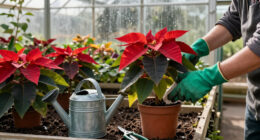
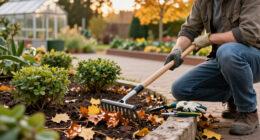
The best golden fall garden plants depend on whether you want instant color, lasting perennial blooms, a statement tree, or edible harvests. I rank Anise-Scented Goldenrod best overall for its golden flowers and perennial value, while Black-Eyed Susan is a strong choice for familiar, sunny blooms and Fall Gold Raspberry suits gardeners who want fruit as well as fall interest. The main tradeoff is speed versus staying power: mums provide seasonal color quickly, while live starters and trees take more time and space to establish. Growing conditions matter, too, especially sunlight, mature size, and winter hardiness. Read on for the full breakdown and a guide to choosing the right plant for your garden.

Get garden gear delivered free with Prime
- Fast, free delivery on millions of items
- Prime Video, Amazon Music and more included
- Member-only deals all year
Complete the kit


Key Takeaways
- Anise-Scented Goldenrod leads for gardeners seeking a perennial with golden fall flowers; its fit depends on having suitable space and growing conditions.
- Live Fall Mums offer the quickest seasonal display, but they are a short-term color choice rather than the strongest pick for a lasting planting.
- Black-Eyed Susan is the straightforward perennial flower option, while goldenrod offers a more distinctive golden display.
- Golden Falls Japanese Maple is the premium choice for a woody focal point, but a tree needs more long-term space and care than flower starters.
- Fall Gold Raspberry is the only fruit-focused pick, so it suits buyers willing to prioritize growing conditions and harvest care over purely ornamental color.
| Live Fall Mum Plant, Assorted Colors, 5–7 Inches Tall |  | Best for Instant Fall Containers | Plant type: Live chrysanthemum | Height on arrival: 5–7 inches | Expected height: 12 inches | VIEW LATEST PRICE | See Our Full Breakdown |
| Anise-Scented Goldenrod (Solidago odora), 3 Live Plants |  | Best for Fragrant Native Plantings | Scientific name: Solidago odora | Plant type: Native perennial wildflower | Plant count: 3 | VIEW LATEST PRICE | See Our Full Breakdown |
| 3 Black-Eyed Susan Live Plants (Rudbeckia) – Yellow Perennial Flower Starters |  | Best for Long-Season Golden Color | Scientific name: Rudbeckia | Plant type: Perennial live rooted plants | Quantity: 3 plants | VIEW LATEST PRICE | See Our Full Breakdown |
| Golden Falls Japanese Maple Tree – 3 Year Live Plant |  | Best Premium Foliage Focal Point | Plant type: Weeping laceleaf Japanese maple | Model: Golden Falls | Plant age: 3 years | VIEW LATEST PRICE | See Our Full Breakdown |
| Solar Goldenrod Live Perennial Starter Plants, 3 Plugs |  | Best Value for Sunny Pollinator Borders | Plant type: Live perennial starter plugs | Quantity: 3 plugs | Botanical name: Solidago | VIEW LATEST PRICE | See Our Full Breakdown |
| Fall Gold Raspberry Live Plants, 2 Pack |  | Best for Edible Golden Fall Color | Plant variety: Fall Gold Raspberry (Rubus ‘Fall Gold’) | Quantity: 2 plants | Starter plant height: 5–9 inches | VIEW LATEST PRICE | See Our Full Breakdown |
| golden fall garden plant | Plant type | USDA hardiness zones | Quantity | Expected height |
|---|---|---|---|---|
| Live Fall Mum Plant | Live chrysanthemum | Conflicting listings: zones 8–11 in specs; zones 5–9 in care guidance | 1 rooted plant | 12 inches |
| Anise-Scented Goldenrod | Native perennial wildflower | 6–11 | — | 3 feet |
| 3 Black-Eyed Susan Live Plants | Perennial live rooted plants | 3–9 | 3 plants | — |
| Golden Falls Japanese Maple Tr | Weeping laceleaf Japanese maple | — | — | 10 feet |
| Solar Goldenrod Live Perennial | Live perennial starter plugs | 4–8 | 3 plugs | — |
| Fall Gold Raspberry Live Plant | — | 4–8 | 2 plants | — |
More Details on Our Top Picks
Live Fall Mum Plant, Assorted Colors, 5–7 Inches Tall
This rooted fall chrysanthemum is the most direct route to seasonal blooms in a porch pot, window box, or garden bed. At 5–7 inches tall on arrival, it is a small starter rather than an established display, and you will need to supply the pot because one is not included. Unlike the Golden Falls Japanese Maple, which earns its place through structure and foliage across seasons, this mum focuses on fall flowers in a compact package. The tradeoff is less control over the look: its color is selected at random, so it is a poor fit for a tightly coordinated planting scheme. Care-zone information also conflicts, listing zones 8–11 in the specs and zones 5–9 in the care guidance. I would choose it for flexible seasonal color, not dependable color matching or a clearly specified hardiness range.
Pros:- Rooted plant is ready for planting in a bed or container.
- Fall blooming brings seasonal color to porches, window boxes, and garden beds.
- Compact 5–7-inch arrival size suits smaller planting spaces.
Cons:- Flower color is randomly selected, so the plant may not match a planned color scheme.
- No pot is included, and the small starter may not create an instant full display.
- Listed hardiness zones conflict between the specifications and care information.
Best for: Gardeners who want a rooted, compact fall bloomer for a container or bed and are comfortable with a randomly selected flower color.
Not ideal for: Buyers matching a specific fall color palette or gardeners who need consistent, unambiguous hardiness-zone guidance.
- Plant type:Live chrysanthemum
- Height on arrival:5–7 inches
- Expected height:12 inches
- Color:Assorted; random selection
- Blooming period:Fall
- Sunlight:Full sun to partial shade
- Quantity:1 rooted plant
- Pot included:No
- USDA hardiness zones:Conflicting listings: zones 8–11 in specs; zones 5–9 in care guidance
Our verdict“Choose this mum for a small, flexible fall planting, but skip it if exact color or clear zone guidance matters.”
Anise-Scented Goldenrod (Solidago odora), 3 Live Plants
Solidago odora brings golden late-season flowers together with fragrant foliage, making this three-plant set more sensory and habitat-focused than the Solar Goldenrod Live Perennial Starter Plants. Established plants are intended for outdoor planting and can suit meadows, rain gardens, pond margins, or naturalized areas; their blooms also offer food for bees and butterflies. At a stated 3-foot mature height, this is better for a loose, sunny planting than a small, tightly controlled border. Its main drawback is uncertainty about moisture: the listing names wet-site uses while also describing the plants as needing little to no watering. I would match the plant to a suitable local site and seek regional growing guidance rather than assume either extreme. The listed zones, 6–11, also make this a more climate-limited choice than the Black-Eyed Susan.
Pros:- Three established plants are supplied for outdoor planting.
- Fragrant foliage adds sensory interest beyond the golden flowers.
- Late-season blooms attract bees, butterflies, and other beneficial insects.
- Suited to naturalized landscapes and rain-garden or pond-margin settings.
Cons:- Listed hardiness range of zones 6–11 rules it out for many colder regions.
- Moisture guidance is inconsistent, pairing wet-site uses with little-to-no-watering claims.
- Three-foot height may be too large for a compact or formal border.
Best for: Gardeners in zones 6–11 creating sunny native meadows, pollinator areas, or a naturalized planting with fragrant foliage.
Not ideal for: Gardeners outside the listed zones or anyone who needs precise, consistent watering guidance for a tightly managed bed.
- Scientific name:Solidago odora
- Plant type:Native perennial wildflower
- Plant count:3
- Expected height:3 feet
- Bloom period:Summer to fall
- Sun exposure:Full sun
- USDA hardiness zones:6–11
- Moisture needs:Listing says little to no watering; also recommends wet-site uses
- Uses:Rain gardens, pond margins, meadows, and naturalized landscapes
Our verdict“Pick this goldenrod for a sunny, naturalized garden where fragrance and pollinator value matter more than precise moisture guidance.”
3 Black-Eyed Susan Live Plants (Rudbeckia) – Yellow Perennial Flower Starters
For gardeners who want golden flowers to start in summer and continue into fall, these three Black-Eyed Susan starters offer a longer color window than the fall-focused chrysanthemum. Their yellow petals and dark centers make the planting easy to read from a distance, while mature clumps reach 2–3 feet tall and can serve borders, cottage gardens, or cut-flower beds. Compared with Solar Goldenrod, Rudbeckia has a more defined daisy-like flower shape and a wider listed hardiness range, zones 3–9. It does, however, need a genuinely sunny spot and moderate water while roots establish; deadheading may be needed for a tidier appearance. I would choose this set for a durable, repeatable border pattern, not for a shaded garden or a hands-off first season.
Pros:- Three rooted plants can create a coordinated group in a perennial border.
- Golden-yellow blooms with dark centers provide clear visual contrast.
- Summer-to-fall flowering extends color beyond a brief autumn display.
- Drought-tolerant once established and attractive to bees and butterflies.
Cons:- Requires full sun to thrive.
- Needs consistent moisture while roots establish.
- Deadheading may be needed to keep the planting tidy.
Best for: Gardeners in zones 3–9 who have a sunny border and want golden flowers, pollinator activity, and stems for cutting from summer into fall.
Not ideal for: Owners of shady beds or gardeners unwilling to water during establishment and tidy plants with occasional deadheading.
- Scientific name:Rudbeckia
- Plant type:Perennial live rooted plants
- Quantity:3 plants
- Bloom color:Golden yellow with dark brown centers
- Mature height:2–3 feet
- Sunlight:Full sun
- USDA hardiness zones:3–9
- Blooming period:Summer to fall
- Spacing:18–24 inches
Our verdict“Choose Black-Eyed Susan for a sunny, long-season border; choose the fall mum instead for a smaller seasonal container plant.”
Golden Falls Japanese Maple Tree – 3 Year Live Plant
Golden Falls Japanese Maple is the foliage-led choice in this group: its weeping laceleaf form and golden leaves provide garden structure rather than the flower clusters offered by Solar Goldenrod or Black-Eyed Susan. The three-year plant is intended for containers, patios, bonsai, or landscape use, and its stated 10-foot expected height gives it more long-term presence than the smaller flowering starters. Its seasonal color changes can extend interest beyond the fall display, but this is not the simplest pick for an exposed or very hot site. The listing calls for well-drained, slightly acidic soil, regular watering, and protection from strong winds and hot afternoon sun. I would reserve it for a sheltered spot where a specimen plant can be given room and care; it is less suitable for a low-maintenance pollinator patch.
Pros:- Weeping laceleaf form creates a distinctive focal point.
- Golden foliage and seasonal color changes add interest beyond fall flowers.
- Can be grown outdoors in a landscape, container, or bonsai setting.
- Three-year plant offers a different scale and role from the smaller flower starters.
Cons:- Needs protection from strong winds and hot afternoon sun to maintain foliage color.
- Requires regular watering and well-drained, slightly acidic soil.
- Stated expected height of 10 feet calls for long-term space planning.
Best for: Gardeners seeking a distinctive, golden-foliage specimen for a sheltered patio, container, bonsai project, or small landscape with suitable soil.
Not ideal for: Gardeners with exposed, windy, or hot afternoon-sun sites, or those seeking easy flower color and pollinator value rather than a foliage focal point.
- Plant type:Weeping laceleaf Japanese maple
- Model:Golden Falls
- Plant age:3 years
- Expected height:10 feet
- USDA hardiness zone:5–9
- Sunlight exposure:Full sun to partial shade; protect from hot afternoon sun
- Soil:Well-drained loamy or sandy soil; slightly acidic
- Uses:Outdoor landscape, container, and bonsai
Our verdict“Choose this maple for a sheltered garden focal point with golden foliage, not for a simple, flower-heavy pollinator planting.”
Solar Goldenrod Live Perennial Starter Plants, 3 Plugs
Solar Goldenrod is a practical choice for filling a sunny border with golden flower clusters while supporting pollinators. This set provides three rooted plugs for outdoor transplanting, a smaller starting format than the established plants in the Anise-Scented Goldenrod listing. That makes it a fit for gardeners willing to grow a planting in, rather than expecting an immediate display. Compared with Black-Eyed Susan, goldenrod offers clustered flowers and a different texture, but the listing gives less detail about mature height and bloom timing. It specifies zones 4–8, full sun, well-draining soil, and regular watering during establishment. The plugs also provide stems for arrangements once they grow. I would skip them for shady beds or gardens where regular early watering is difficult.
Pros:- Three rooted plugs give gardeners multiple plants for starting a border or pollinator patch.
- Golden-yellow flower clusters add color and texture.
- Flowers provide nectar and pollen for pollinators.
- Stems can be used in fresh arrangements after the plants grow.
Cons:- Starter plugs need time to establish before they create a substantial display.
- Requires full sun and well-draining soil.
- Regular watering is needed during establishment.
Best for: Gardeners in zones 4–8 who want to establish a sunny goldenrod patch for pollinators and can water the plugs as they take root.
Not ideal for: Gardeners who need an instant, full-sized display, have a shady planting site, or cannot provide regular water during establishment.
- Plant type:Live perennial starter plugs
- Quantity:3 plugs
- Botanical name:Solidago
- Flower color:Golden yellow
- Sunlight exposure:Full sun
- USDA hardiness zones:4–8
- Soil type:Loam
- Soil moisture:Moderate watering
- Care:Plant in well-draining soil and water regularly during establishment
Our verdict“Choose these goldenrod plugs to build a sunny pollinator planting gradually; choose the established Anise-Scented Goldenrod for a more developed starting plant.”
Fall Gold Raspberry Live Plants, 2 Pack
I’d choose Fall Gold Raspberry when I want autumn color that also produces food. These two starter plants grow into canes with sweet, mild golden-yellow berries and a heavy fall crop, giving them a practical role the ornamental Live Fall Mum Plant and Anise-Scented Goldenrod cannot fill. The plants are described as disease resistant, pest resistant, and low maintenance, and their USDA Zones 4–8 hardiness suits many gardens. The tradeoff is that they need full sun, fertile, well-draining soil, and regular watering; cane support is recommended, too. Unlike the Golden Falls Japanese Maple, this pick is about harvest as much as seasonal display, but it takes more ongoing care than simply planting an ornamental perennial.
Pros:- Produces sweet, mild golden-yellow berries with low tartness
- Everbearing plants are described as producing a heavy fall crop
- Hardy in USDA Zones 4–8
- Described as disease resistant, pest resistant, and low maintenance
Cons:- Needs full sun, fertile well-draining soil, and regular watering
- Cane support is recommended, adding setup and maintenance
Best for: Gardeners in USDA Zones 4–8 who have a sunny, well-drained planting spot and want a fall berry harvest as well as golden color
Not ideal for: Gardeners seeking a hands-off ornamental accent, or those without full sun, reliable watering, or room to support raspberry canes
- Plant variety:Fall Gold Raspberry (Rubus ‘Fall Gold’)
- Quantity:2 plants
- Starter plant height:5–9 inches
- Expected plant height:5 feet
- Berry color:Golden yellow / amber
- Harvest:Everbearing; heavy fall crop
- USDA hardiness zones:4–8
- Sunlight and soil:Full sun; loam
- Plant spacing:2–3 feet
Our verdict“Choose this two-plant set if you want edible golden fall color and can provide sun, water, and cane support.”
How We Picked
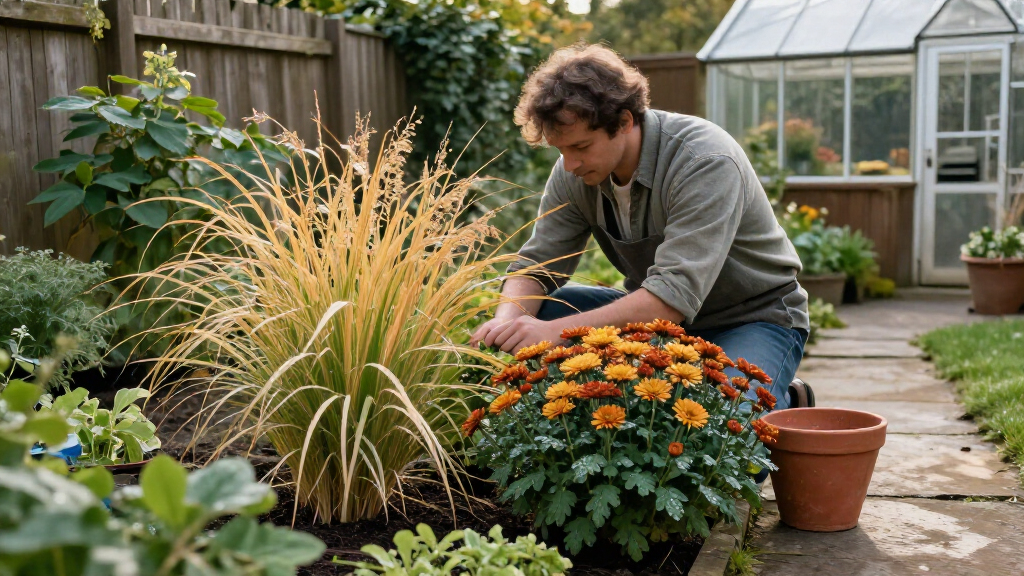
I compared the six plants by how directly they deliver golden or yellow fall interest, how long that display can contribute to a garden, and what a buyer must provide to get there. I also weighed the difference between an established-looking seasonal plant and live starters or a young tree, since planting effort, time to mature, and space needs affect the choice as much as flower color.
The ranking favors versatility and lasting garden value without treating every plant as interchangeable. Goldenrod ranks first as a perennial-focused option; mums rank lower because their appeal is immediate but seasonal, while the Japanese maple and raspberry serve more specialized needs. The product names do not specify hardiness zones, exact mature dimensions, or care instructions, so I avoid assuming those details and recommend checking the seller’s growing information against your local conditions before buying.
| golden fall garden plant | Plant type |
|---|---|
| Live Fall Mum Plant | Live chrysanthemum |
| Anise-Scented Goldenrod | Native perennial wildflower |
| 3 Black-Eyed Susan Live Plants | Perennial live rooted plants |
| Golden Falls Japanese Maple Tr | Weeping laceleaf Japanese maple |
| Solar Goldenrod Live Perennial | Live perennial starter plugs |
| Fall Gold Raspberry Live Plant | — |
Factors to Consider When Choosing Best Golden Fall Garden Plants
Golden fall color can come from blooms, foliage, or fruit, and those choices call for different planting plans. I would start with the garden’s conditions and the role you want the plant to play, then weigh how quickly you want a visible result against how much ongoing care you are willing to take on.
Match the plant to the kind of autumn color you want
Golden blooms, yellow foliage, and autumn fruit create different effects, even when they all fit a fall color scheme. Decide whether you want a flower bed, a woody focal point, or a productive planting before choosing by color name alone. A flowering perennial can fill a border, while a tree makes a longer-term visual anchor and needs room to grow. Raspberry plants add a harvest goal, which changes how you plan pruning and placement. A common mistake is buying for the color shown in a product name without checking which part of the plant provides that color and when it appears.
Check light, soil, and local growing conditions
Plants that share golden flowers can still have different needs for sun, soil, and water. Compare the seller’s growing guidance with your actual site rather than assuming every fall plant suits the same bed. Note whether the area receives full sun or shade through the day, and whether it drains well after rain. Local winter conditions matter for perennials, young trees, and fruiting plants alike. If the product listing leaves hardiness or care details unclear, verify them before ordering instead of treating the plant’s name as a guarantee of fit.
Balance quick color with long-term establishment
Mums appeal when you want a visible seasonal display without waiting for a starter to grow, while live perennial plugs and young plants need time to establish. That difference can shape the look of a new garden during its first fall. You can combine quick color with slower-growing plants, but leave enough space for the latter to develop rather than crowding them with temporary additions. Buyers who want a low-wait result should favor a plant sold at a more developed stage, while patient gardeners can build a lasting planting over time. Check plant size and stage in the listing; the word “live” alone does not tell you how mature a plant will be on arrival.
Plan for mature size and placement
Space needs are easy to underestimate when comparing a small starter plant with a tree or fruiting plant. Look for mature height and spread before placing a purchase near paths, foundations, fences, or other plants. A tree deserves a site where its eventual form can be appreciated, while a raspberry planting needs enough room for growth and access to care for it. If those details are missing, ask or consult reliable plant-care information for the named variety. Buying a plant that outgrows its spot can turn an attractive fall feature into a recurring pruning or relocation problem.
Decide how much maintenance and purpose you want
Ornamental plants and edible plants ask for different kinds of attention. A raspberry planting brings the added work of managing growth and supporting a harvest, while a flower-focused choice centers on display and general plant care. Perennials may reward a suitable planting site over multiple seasons, but they still need care appropriate to their conditions. Seasonal mums can simplify the goal of immediate color, though they are less suited to gardeners seeking a permanent feature. Choose based on the care you will realistically provide, not just the best-looking outcome in a listing photo.
Compare starter counts and delivery details
Pack size does not tell the whole story: three small plugs may cover less ground at first than one more developed plant, and a two-plant pack may need a deliberate layout. Read the listing for plant stage, container or plug format, shipping timing, and instructions for planting after arrival. Live plants can be affected by weather and delivery delays, so have a suitable planting location ready before they arrive. Avoid assuming that a stated number of plants equals a full border or hedge. If you need an immediate, filled-in display, compare the plants’ dimensions and likely growth time, not only the count in the pack.
Frequently Asked Questions
Which of these plants is best if I want golden color this fall rather than next year?
Live Fall Mums are the clearest fit for a near-term seasonal display because they are described as live plants rather than starter plugs. A small perennial starter or young tree may need time to grow before it creates a substantial show. Check the mum listing for the plant’s condition, size, and expected bloom timing, since the product title does not state when it will flower. For a garden that needs both immediate impact and future structure, pair seasonal color with plants chosen for longer-term growth.
Should I choose goldenrod or Black-Eyed Susan for a perennial flower bed?
Choose between them based on the look and growing role you want, then confirm that the site suits the plant’s care requirements. The goldenrod option is specifically anise-scented and is the roundup’s leading pick for golden fall interest, while Black-Eyed Susan offers a familiar yellow-flower alternative. Neither product title provides enough detail to confirm mature size, bloom dates, or local hardiness. If the bed is small or near a walkway, check expected spread before deciding so a vigorous plant does not crowd its neighbors.
Can I plant these options in a container instead of a garden bed?
Container suitability varies, and the product names alone do not confirm which plants will thrive in pots. Mums are commonly used for seasonal container displays, but you should still check the listing’s growing instructions and pot-size guidance. A Japanese maple or raspberry needs a container plan that accounts for mature size, drainage, and ongoing care, rather than simply fitting the young plant into a small pot. For perennial starters, verify whether the seller recommends in-ground planting or gives container directions before ordering.
Which option makes sense if I want a plant that also produces food?
Fall Gold Raspberry is the food-focused choice in this lineup; the other options are presented primarily for flowers or ornamental interest. Fruit production depends on suitable local conditions and care, so check the seller’s guidance on sunlight, pruning, and seasonal timing before buying. Plan enough space to reach the plants and manage their growth. If your main goal is a low-effort golden display, a raspberry may involve more care than a purely ornamental pick.
What should I verify before ordering live plants for fall planting?
Check the stated plant stage and dimensions, shipping window, growing zone guidance, and instructions for planting after delivery. Those details matter because a plug, a 5–7-inch mum, and a three-year tree arrive at different stages and have different needs. Confirm that the destination has suitable light, soil drainage, and room for mature growth. If the listing does not state hardiness or care requirements, seek that information before purchase rather than relying on a broad “fall” label. Having a planting spot prepared can also reduce stress on plants waiting after arrival.
Conclusion
For the strongest all-around fit, I recommend Anise-Scented Goldenrod if you want golden fall flowers from a perennial and can match its growing needs. Best for quick seasonal color is the Live Fall Mum Plant; it suits buyers who want a display soon, not a long-term focal point. For a more approachable flower-bed choice, consider Black-Eyed Susan, while patient gardeners with room for a woody feature can choose the Golden Falls Japanese Maple as the premium option. Fall Gold Raspberry is the specific-needs pick for gardeners who want fruit, and Solar Goldenrod is another golden-flower starter option for those comparing perennial plugs. My best-value recommendation is the plant that suits your site and goal without requiring features you will not use; check pack details and care information before making the final choice.