TL;DR
Deep watering once a week encourages roots to grow downward, making plants more drought-resistant. It reduces water waste, cuts costs, and improves plant health—especially in the high-evaporation desert climate. Daily sprinkling often leads to shallow roots and more water loss.
Ever notice how your desert plants seem to struggle despite daily watering? That’s because frequent sprinkling often keeps roots shallow and weak. In the harsh low desert, deep, infrequent watering isn’t just smarter — it’s essential.
By understanding why watering deeply works better, you can save water, grow tougher plants, and keep your landscape thriving through relentless heat and drought. Let’s break down why this approach is a game-changer for desert gardening.
Deep watering encourages roots to grow downward, boosting drought resilience.
Reducing watering frequency cuts water bills and preserves precious desert water resources.
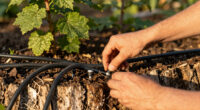
Use drip systems or soaker hoses to deliver water slowly and deeply.
Always check soil moisture to prevent overwatering or underwatering.
Mulching helps retain moisture, making deep watering even more effective.
Deep Watering Builds Roots That Can Handle the Heat
Deep watering pushes water down at least 6-12 inches into the soil, encouraging roots to grow deep. Think of it like giving your plants a sturdy anchor — roots that reach farther into the earth access more moisture. When roots grow deep, plants can tap into groundwater or moisture stored further underground, which is crucial during prolonged dry spells or heatwaves. This deeper root system acts as a reservoir, allowing plants to survive periods of drought that would otherwise weaken or kill shallow-rooted plants.
In contrast, daily sprinkling often wets only the top inch or two of soil. This shallow watering encourages roots to stay near the surface, where they are more vulnerable to drying out during hot days or drought conditions. The tradeoff is that shallow roots are less resilient and more prone to stress, which can lead to weaker plants and increased vulnerability to pests and disease. Investing in deep watering effectively trains roots to grow downward, creating a more resilient plant that can withstand the extreme conditions typical of desert environments. Essentially, deep roots are like a financial safety net—they provide stability and resilience, ensuring your plants can survive and thrive despite the harsh climate.

Self Plant Watering Spikes 12 Pack Auto Drippers Irrigation Devices Vacation Automatic Plants Water System with Adjustable Control Valve Switch Design for Houseplant, Gardenplant, Officeplant
🌱Accurate water volume, providing different amounts of water for different plants and flowers, The bottle mouth is 1.1…
As an affiliate, we earn on qualifying purchases.
As an affiliate, we earn on qualifying purchases.
How Daily Sprinkling Drains Water and Wastes It
Daily sprinkling might seem gentle and routine, but in the desert, it’s actually a significant water waster. Frequent watering causes surface water to evaporate quickly under the relentless sun, especially during the hottest parts of the day. This rapid evaporation means much of the water never reaches the roots where it’s needed most, leading to inefficient use of your water resources.
For example, watering for just 10 minutes daily with a spray nozzle might wet only the top inch or two of soil, which dries out rapidly. On sandy soils, water drains quickly below the root zone, making repeated surface watering even less effective. The main problem is that this shallow watering pattern encourages roots to stay near the surface, where they are more susceptible to drought stress. As a result, plants become less resilient and more prone to damage during dry spells or heatwaves.
Deep, infrequent watering ensures water penetrates deeply into the soil, making better use of every drop and encouraging roots to grow downward. This not only conserves water but also strengthens plants’ ability to withstand drought and heat. The tradeoff with daily sprinkling is increased water waste, higher costs, and weaker plants that are less equipped to survive the desert’s demanding conditions.

Araiozora Soaker Hose 25FT 5/8 Inch, Heavy Duty Leakproof Drip Irrigation Hose for Deep Watering Garden, Flower Beds & Landscaping
[Flexible & Elastic Material]Made with soft, stretchable material that offers strong flexibility and excellent tensile strength. It easily…
As an affiliate, we earn on qualifying purchases.
As an affiliate, we earn on qualifying purchases.
Comparison Table: Deep, Infrequent Watering vs. Daily Sprinkling
| Feature | Deep, Infrequent Watering | Daily Sprinkling |
|---|---|---|
| Water Depth | 6-12 inches or more | Top 1-2 inches |
| Frequency | Once a week or biweekly | Daily or every other day |
| Water Loss | Minimal, mostly deep soil | High, due to evaporation and runoff |
| Root Growth | Deep and strong | Shallow and weak |
| Water Efficiency | High | Low |
| Plant Resilience | High | Low, more drought stress |

Brut Organic Aspen Mulch 10 QT – Natural Moisture Retainer & Root Protector – Odor-Free, Nutrient-Rich Bark Mulch for Landscaping, Garden Beds & Potted Plants
NATURAL GARDEN COVER: Creates a clean, polished garden surface while helping minimize weed growth naturally. This organic mulch…
As an affiliate, we earn on qualifying purchases.
As an affiliate, we earn on qualifying purchases.
How to Water Deeply in the Desert — Step-by-Step
- Set up drip irrigation or soaker hoses close to your plants.
- Water slowly to allow moisture to penetrate at least 6 inches into the soil.
- Check soil moisture with a probe or trowel after watering.
- Adjust timing based on weather — more during heatwaves, less after rains.
- Mulch around plants to retain moisture and reduce watering frequency.
For example, watering a desert rose with a drip line for about 30 minutes once a week can provide enough deep moisture. Use a soil probe or a trowel to verify that water has reached the desired depth before stopping.

XLUX Long Probe Deep Use Soil Moisture Meter, Water Monitor Indicator Sensor, Hygrometer for Outdoor Indoor Large Pot Plants, Flower, Gardening, Farming
Accurate Soil Moisture Detection: The XLUX Soil Moisture Meter can tell you if the soil deep inside your…
As an affiliate, we earn on qualifying purchases.
As an affiliate, we earn on qualifying purchases.
Real-World Results: What Happens When You Switch?
One gardener in Arizona switched from daily sprinkling to deep watering once a week. Within a month, her desert plants looked greener and more resilient. Her water bill dropped by 30%, and her garden endured a 40-day heatwave with barely a wilt.
This isn’t just luck — it’s the power of encouraging roots to grow down and find water that’s more reliable than surface moisture.
Common Mistakes to Avoid with Deep Watering
- Watering too lightly — water must reach at least 6 inches deep.
- Overwatering — risk of root rot, especially in poorly draining soils.
- Ignoring soil type — sandy soils drain fast, clay soils hold water longer.
- Not adjusting for weather — don’t water deeply during rain or cool periods.
For example, watering a cactus deeply during a cool winter day might cause more harm than good. Always check soil moisture before watering again.
Frequently Asked Questions
How often should I water my desert plants deeply?
Generally once every 1-2 weeks, depending on your soil type, weather, and plant needs. During heatwaves, you might water more often, but always check soil moisture first.How can I tell if I am watering deeply enough?
Use a soil moisture meter or insert a trowel or probe to see if water has penetrated at least 6-12 inches into the soil. The soil should feel moist at that depth, not just damp on the surface.What tools are best for deep watering?
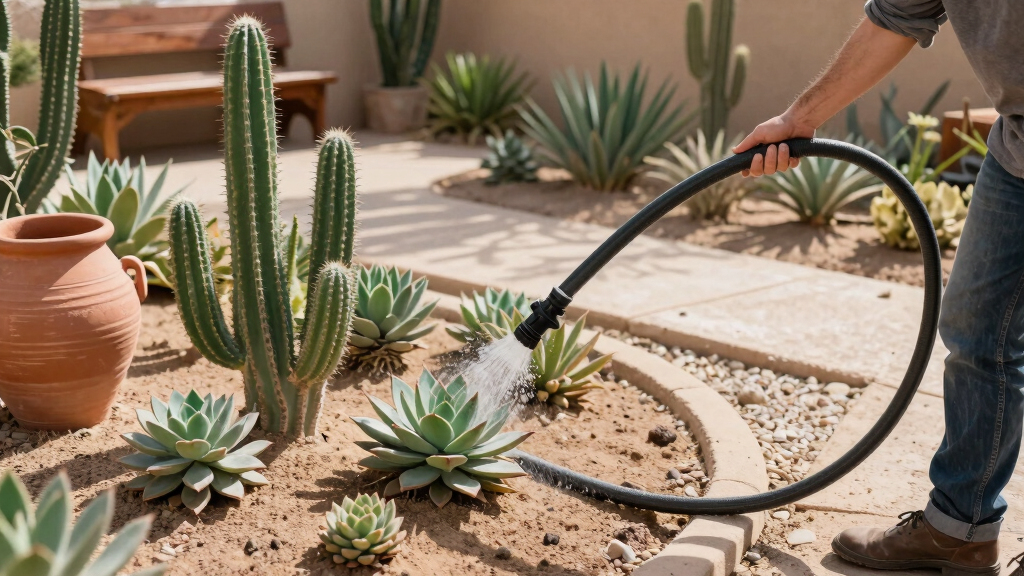
Drip irrigation systems, soaker hoses, or slow-flow garden hoses with a nozzle are ideal. They deliver water evenly and slowly, allowing deep penetration without runoff.Can I water deeply during the hottest part of the day?
It’s better to water early in the morning or late in the evening to reduce evaporation. Deep watering in the heat is fine, as long as you avoid midday scorching sun.Are all desert plants suited for deep watering?
Most desert-adapted plants benefit, but native drought-tolerant species may need less frequent watering. Observe how your plants respond and adjust accordingly.Conclusion
Deep, infrequent watering isn’t just a trick — it’s a necessity for thriving desert gardens. It builds tough, resilient plants that stand up to relentless heat and water scarcity.
Think of it like giving your plants a deep breath — they’ll grow stronger, and your water bills will thank you. Start small, stay consistent, and watch your landscape flourish against the odds.