
TL;DR

Get garden gear delivered free — and shop member deals
- Fast, free delivery on millions of items
- Access to Prime Big Deal Days deals on October 6–7
- Prime Video, Amazon Music and more included
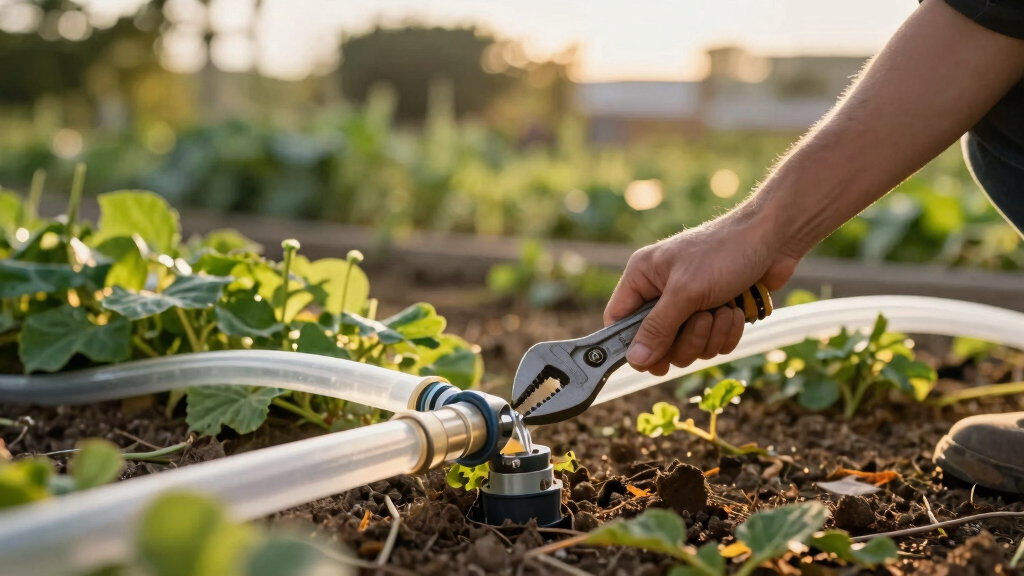
Leaking in a drip irrigation system wastes water and reduces efficiency. Regular inspections, quick repairs, and using new tech tools can stop leaks fast and save you money and frustration.
Regularly inspect your drip system for soggy spots, pooling, or dry patches.
Use a mix of visual checks, listening, and soil moisture tests to find leaks fast.
Replace damaged tubing or fittings immediately to prevent water waste.
Invest in modern leak detection tech like sensors and automated shutoffs for peace of mind.
Routine maintenance—clean filters, check fittings, adjust pressure—prevents leaks before they start.
Spotting the Signs of a Leak in Your Drip System
Leaks often hide in plain sight. Look for soggy patches, unusually wet soil, or areas where the water seems to pool. Reduced pressure or uneven watering across your garden are dead giveaways. If your water bill spikes unexpectedly, that’s another hint—your system might be losing water somewhere.
For example, last summer, I noticed one corner of my garden stayed muddy even after watering. That’s when I realized a fitting had cracked, wasting water in a corner I rarely checked.
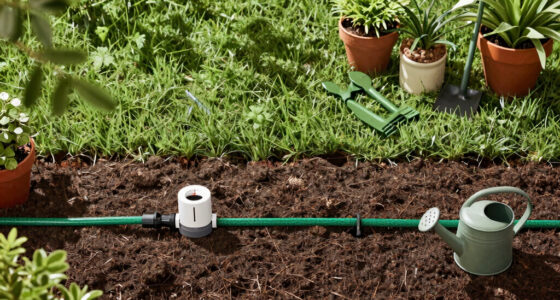
drip irrigation leak detection tools
As an affiliate, we earn on qualifying purchases.
As an affiliate, we earn on qualifying purchases.
How to Detect Drip Irrigation Leaks Quickly and Easily
Detecting leaks doesn’t have to be complicated. Follow these steps:
- Turn off your system and observe if water continues to flow. Continuous flow indicates a leak.
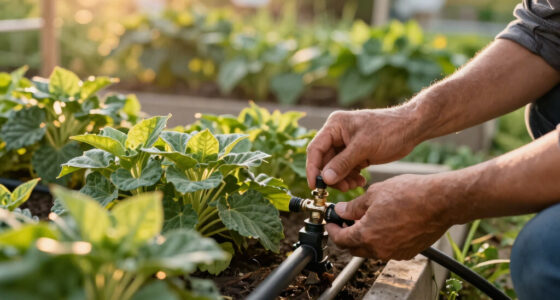
- Inspect all visible pipes, connectors, and emitters for cracks, splits, or loose fittings.
- Listen closely near tubing—hissing or dripping sounds are dead giveaways.
- Use a soil moisture meter around suspected areas to confirm uneven watering.
For example, I once used a simple ear to listen along my piping, and I caught a tiny crack I’d missed. That small fix saved hundreds of gallons of water over a season.
As an affiliate, we earn on qualifying purchases.
Common Causes of Leaks and How to Prevent Them
Leaks happen for many reasons. Physical damage from tools or foot traffic tops the list. Aging pipes become brittle and crack under UV rays or extreme heat. Improper fittings or clogged emitters can cause pressure to build up, leading to pipe bursts. Animal activity and root intrusion are sneaky culprits too.
Understanding these causes is crucial because each has different implications for maintenance and prevention. For example, physical damage from stepping on lines can be minimized by rerouting or marking lines clearly. Aging pipes require replacement before failure. Clogged emitters increase pressure upstream, risking pipe rupture. Animal activity, like burrowing or chewing, demands protective measures like fencing or pipe covers. Recognizing these causes helps you implement targeted strategies, ultimately saving time and money while maintaining a reliable irrigation system.
As an affiliate, we earn on qualifying purchases.
Step-by-Step Fixes for Common Leak Problems
Fixing leaks is usually straightforward. Here’s a simple process:
- Identify the damaged section or fitting.
- Turn off water and relieve pressure.
- Cut out the damaged pipe or fitting with a pipe cutter or scissors.
- Replace with a new section or fitting, ensuring tight connections.
- Use waterproof repair tape or sealant for minor cracks.
For example, I replaced a cracked elbow connector with a new one, which took less than ten minutes and stopped the leak immediately.
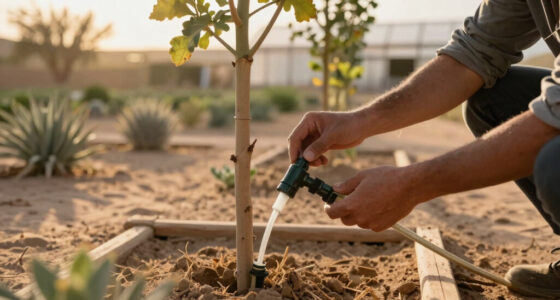
automatic irrigation shutoff sensor
As an affiliate, we earn on qualifying purchases.
As an affiliate, we earn on qualifying purchases.
High-Tech Tools That Make Leak Detection Easier
New gadgets can make your life easier. IoT sensors monitor flow and pressure, alerting you to leaks via smartphone. Automated shut-off valves stop water immediately when a leak is detected. Leak detection apps use data to diagnose issues quickly.
For example, I installed a flow sensor connected to my phone, and it sent an alert when a small leak started in my backyard. That quick warning saved hundreds of gallons of water.
Regular Maintenance Tips to Keep Leaks at Bay
Prevention beats repair. Check your system at least once a season. Clean filters to prevent clogs that cause pressure buildup. Inspect fittings and tubing for cracks or damage. Adjust pressure regulators to keep flow steady.
I make it a habit to do a quick walk-through after heavy storms or high heat days. Fresh cracks or dislodged fittings are easier to spot early.
Frequently Asked Questions
How can I tell if my drip system has a leak?
Look for uneven watering, soggy soil, or puddles. Use visual inspection, soil moisture meters, and listen for dripping sounds to confirm leaks.What’s the easiest way to fix a leak in my drip system?
For small leaks, sealing with waterproof tape or replacing a damaged emitter works well. Larger issues may require cutting out and replacing pipe sections.How often should I check my drip system?
Inspect it at least once every season, especially after storms or heatwaves. Regular checks catch small problems before they grow.Can I repair a leak myself or should I call a pro?
Many leaks are simple enough for DIY fixes with repair kits, cutters, and tape. Complex issues or system overhauls are best handled by professionals.What tools or products make fixing leaks easier?
Use repair kits, compression fittings, pipe cutters, waterproof tape, and leak detection sensors. These make repairs faster and more reliable.Conclusion
A small leak today can turn into a big water bill tomorrow. Staying vigilant and fixing issues early keeps your garden lush and your water bills sane. With simple tools, smart tech, and regular checks, you can keep your drip system leak-free and your plants thriving—without wasting a drop.Halloween Picks
halloween
As an affiliate, we earn on qualifying purchases.