
TL;DR

Get garden gear delivered free — and shop member deals
- Fast, free delivery on millions of items
- Access to Prime Big Deal Days deals on October 6–7
- Prime Video, Amazon Music and more included
Many lawns turn brown during summer droughts, but they may recover. Experts say look for five signs to determine if your lawn is dormant or dead, helping homeowners decide on treatment.
Many homeowners are concerned about their lawns turning brown during hot summer months, but experts say that not all brown lawns are dead. Determining whether a lawn is dormant or truly dead is crucial for deciding whether to repair or replace it before fall. Recent advice from horticultural specialists emphasizes five signs that indicate a lawn’s potential to bounce back.
According to lawn care specialists, a brown lawn during late summer or early fall may be a sign of dormancy caused by drought stress, not necessarily death. Five key signs can help homeowners assess their lawns: the presence of green tissue beneath the surface, the ability to revive with watering, the condition of roots, the appearance of the soil, and the presence of weeds or moss.
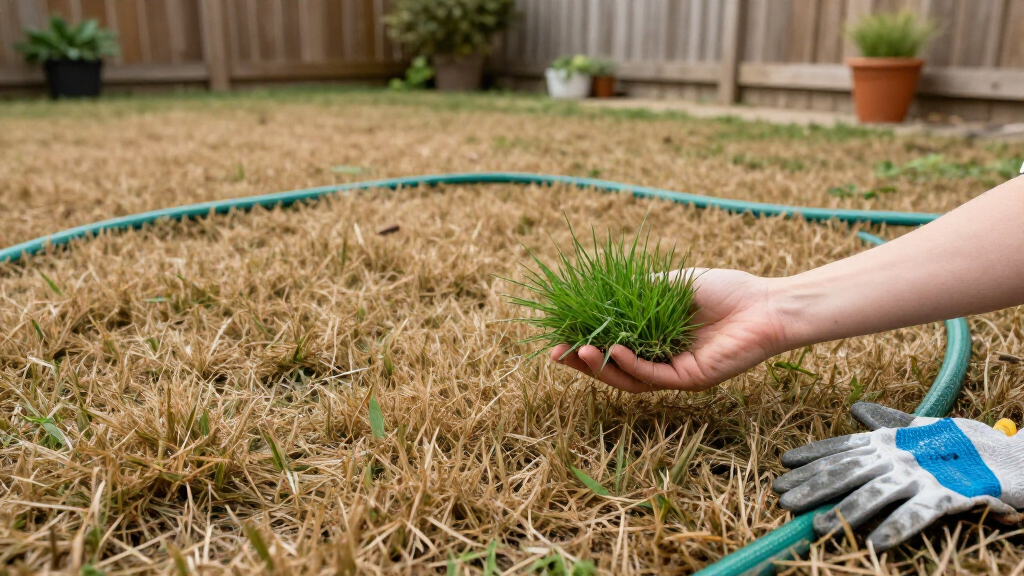
Experts recommend performing a simple test by gently pulling a section of grass; if it pulls out easily, the roots may be dead. Conversely, if grass resists removal and shows signs of green tissue underneath, recovery is possible. Proper watering, aeration, and fertilization can aid recovery if the lawn is dormant. However, if roots are brown and brittle, replacement might be necessary.
These assessments are based on advice from horticulturists and turf specialists, emphasizing that timely action can save many lawns from total replacement.
Why Recognizing Dormancy vs. Death Matters for Lawn Care
Understanding whether your lawn is dormant or dead affects decisions about watering, fertilizing, or replacing grass. Proper assessment can save homeowners money and effort, especially with fall approaching. Acting early on signs of dormancy can lead to a healthy recovery, while ignoring signs of death may result in unnecessary replacement. This guidance helps homeowners make informed choices, preserving their landscape and investment.
As an affiliate, we earn on qualifying purchases.
Seasonal Lawn Changes and Common Causes of Browning
During late summer, lawns often turn brown due to drought stress, heat, or insufficient watering, which can be mistaken for death. Historically, lawn damage caused by drought has been a common concern as climate patterns shift. Experts note that many lawns enter dormancy to conserve water, and with proper care, they can recover before winter. Previous reports highlight that timely watering, aeration, and fertilization are key to revival, but distinguishing dormancy from death remains a challenge for many homeowners.
“A brown lawn isn’t necessarily dead. If you see green tissue underneath and the roots are healthy, your lawn can bounce back with proper care.”
— John Miller, turf specialist at GreenGrow Labs
lawn fertilizer for dormancy recovery
As an affiliate, we earn on qualifying purchases.
As an affiliate, we earn on qualifying purchases.
Uncertainties About Lawn Recovery and Assessment Accuracy
While experts provide guidelines, accurately diagnosing whether a lawn is dormant or dead can be challenging for homeowners without professional tools. The effectiveness of recovery methods varies depending on soil conditions, grass type, and extent of damage. It is still unclear how many lawns will recover despite early signs of dormancy, and some cases may require professional assessment for definitive diagnosis.
As an affiliate, we earn on qualifying purchases.
Next Steps for Homeowners Concerned About Their Lawns
Homeowners should conduct the recommended tests—such as gently pulling grass and inspecting roots—and adjust watering schedules accordingly. If signs point to dormancy, continued watering, aeration, and fertilization are advised. For lawns showing signs of death, consulting a professional lawn service or considering reseeding or replacement before winter is recommended. Monitoring weather patterns and soil conditions will also help determine the best course of action.
As an affiliate, we earn on qualifying purchases.
Key Questions
How can I tell if my brown lawn is just dormant?
Check for green tissue beneath the surface and try gently pulling a section of grass. If it resists and shows signs of green underneath, it’s likely dormant and can recover with proper care.
What should I do to help my lawn recover from dormancy?
Water deeply and regularly, aerate the soil to improve drainage and oxygen flow, and apply a balanced fertilizer. Avoid excessive foot traffic and wait for cooler weather to encourage growth.
When should I consider replacing my lawn?
If the roots are brown and brittle, and the grass pulls out easily with no signs of green tissue underneath, replacement may be necessary. Consulting a lawn professional can provide a definitive diagnosis.
Can drought-stressed lawns recover on their own?
Yes, if the damage is due to dormancy, proper watering and care can help the lawn bounce back before winter. However, if the damage is extensive and roots are dead, recovery may not be possible.
Is there a best time to reseed or repair my lawn?
The optimal time is usually early fall, when temperatures are cooler and moisture is more available, giving grass a better chance to establish before winter.
Source: rss
Fall yard work Picks
leaf blowers
As an affiliate, we earn on qualifying purchases.