TL;DR
A gardening guide recommends building a no-dig bed in fall by layering cardboard, brown materials such as dry leaves, green materials such as kitchen scraps, and finished compost. The guide says to leave the layers to break down over winter and estimates beds may be ready for planting by April or May, though timing depends on conditions and is not guaranteed.
A seasonal gardening guide recommends building no-dig beds in fall by layering cardboard, dry leaves and other brown materials, green waste, and finished compost over existing soil. The guide says to leave the layers in place over winter to decompose, with beds potentially ready for spring planting by April or May.

Get garden gear delivered free with Prime
- Fast, free delivery on millions of items
- Prime Video, Amazon Music and more included
- Member-only deals all year
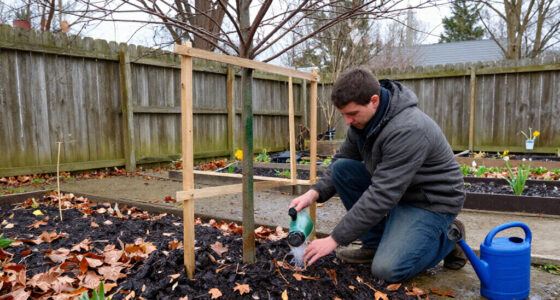
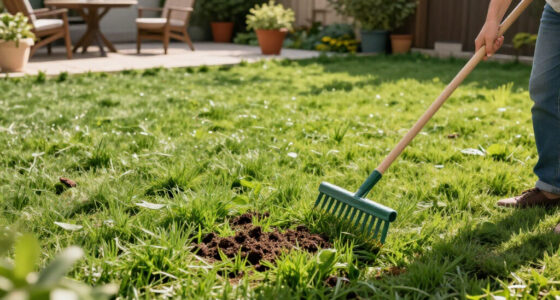
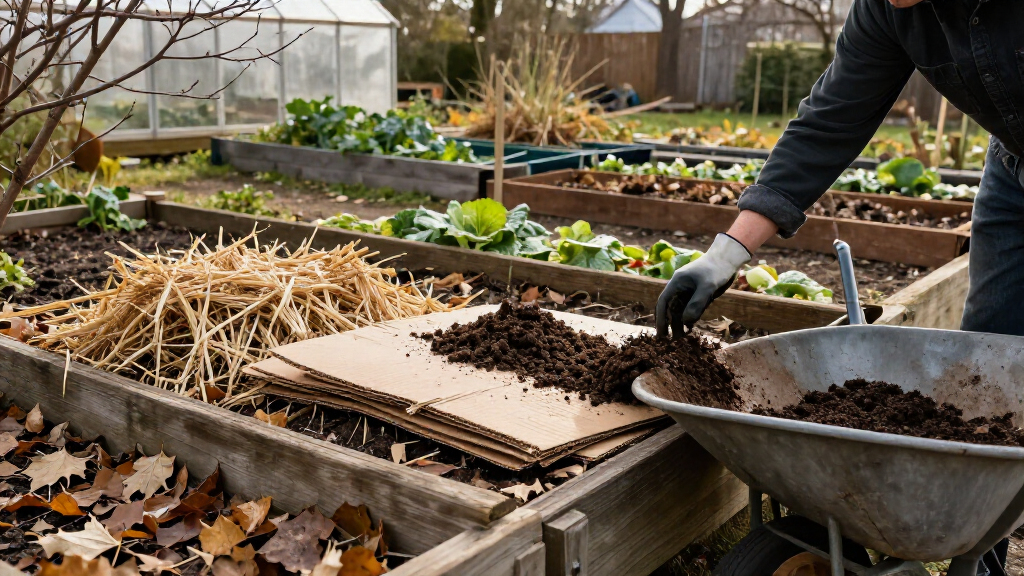
The gardening guide describes the method, known as lasagna gardening or no-till gardening, as a garden bed built in place like a compost pile. It advises cutting back existing grass and weeds, then covering the ground with overlapping sheets of corrugated cardboard and wetting them. According to the guide, the cardboard is intended to suppress weeds while allowing moisture and soil life to reach the layers as the material breaks down.
The guide says to add brown materials, which supply carbon, and green materials, which supply nitrogen. Its examples of browns include dry leaves, straw, and shredded newspaper; greens include kitchen scraps, grass clippings, coffee grounds, and manure. It suggests using about twice as much brown material as green and says gardeners can repeat the alternating layers. The guide recommends a cap of finished compost or topsoil, particularly if planting is planned soon.
The guide advises leaving the assembled bed to decompose rather than digging or turning it. It describes the process as cold composting in place, with autumn rain and winter moisture helping keep the materials damp. It says the organic layers break down into the soil and estimates that a bed made in late fall or early winter may be ready in April or May. This is the guide’s seasonal estimate, not a guarantee of a particular soil condition or planting date.
Build a no-dig bed in fall let winter do the work
Layer cardboard, brown and green materials, and finished compost over existing soil. Leave the bed in place to decompose through winter.
Build the layers
Cut back grass and weeds, then overlap and wet clean, untreated cardboard.
Use dry leaves, straw, or shredded newspaper for carbon.
Layer kitchen scraps, grass clippings, coffee grounds, or manure.
Use finished compost or topsoil on top, then let the layers break down without turning.
Balance the materials
The guide recommends about twice as much brown material as green.
- Dry leaves
- Straw
- Shredded newspaper
- Kitchen scraps
- Grass clippings
- Coffee grounds and manure
Let winter work
Autumn rain and winter moisture help keep the bed damp as organic layers decompose in place.
Suppress weeds
Wetted cardboard covers the ground while allowing moisture and soil life to reach the layers as it breaks down.
Use a compost cap
Finished compost or topsoil can provide a planting surface while lower layers continue decomposing.
Check before planting
Inspect the surface and underlying materials as spring approaches; the guide gives no precise readiness test.
A Bed Built Without Turning Soil
For gardeners who want to prepare a planting area without digging, the approach shifts much of the work to decomposition over the colder months. The gardening guide also presents it as a way to use common yard and kitchen materials, including fallen leaves and suitable food scraps, rather than turning soil by hand.
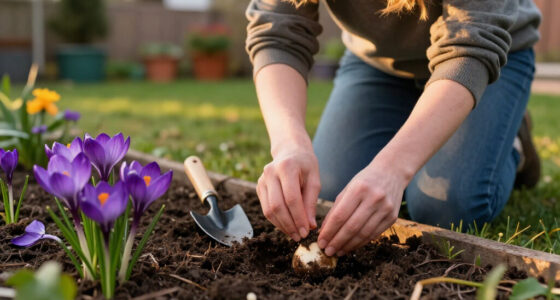
The potential benefit depends on having appropriate materials and allowing enough time for them to break down. The guide says a layer of finished compost on top can provide a more immediate planting surface, while lower layers may still be decomposing. It presents the method as a way to build a bed for spring, not as a promise that every site will produce finished soil on the same schedule.
Popular right now

Samsung 65-Inch S90H OLED 4K Smart TV Bundle with HW-B630F Soundbar, Subwoofer, and Screen Cleaner (2026)

Vitamix 5-Speed Immersion Blender, 625-Watt, Stainless Steel/Black

Roborock Qrevo S Pro Robot Vacuum and Mop (2026)
As an affiliate, we earn on qualifying purchases.
How the Layers Work Together
The gardening guide compares the technique with the forest floor, where fallen leaves and other organic matter accumulate and decompose. It says brown and green materials are stacked in a garden bed to provide organic matter for soil organisms, with cardboard forming the base and the materials above it making up the composting portion.
The guide frames the method as a practical fall task because the layers can sit through winter before the next growing season. It does not provide a controlled trial, measurements of soil improvement, or a comparison with other bed-preparation methods. Its planting timeline should therefore be read as general gardening guidance from the source.
Planting Timing Depends on Conditions
The gardening guide does not specify how long each layer takes to break down under different climates, soil types, or winter conditions. It also does not state a required layer thickness or give a test for determining when decomposition is complete. Its April or May estimate may not apply where winters are colder, materials are dry, or the bed is assembled later.
The guide lists example materials but does not provide a full list of materials to avoid or explain how to manage pests and odors from kitchen scraps. It advises using clean, untreated cardboard and appropriate composting materials; it does not offer detailed disposal or contamination guidance.
Check the Bed Before Spring Planting
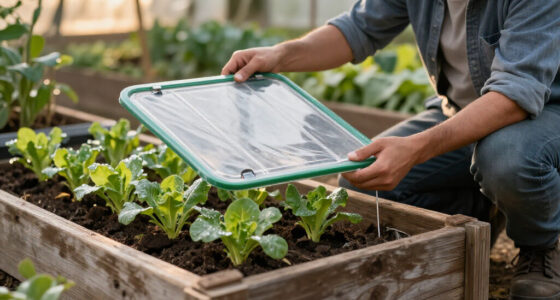
After building the bed, gardeners can follow the guide’s recommendation to leave it in place through winter and check its condition as spring approaches. Before sowing or transplanting, they can assess whether the top compost layer provides a usable planting surface and whether the underlying materials remain coarse or have substantially decomposed. The guide’s suggested April-to-May window is a prompt to inspect the bed, rather than a fixed deadline.
If the bed is not ready for the intended planting, the guide’s method allows for adding a finished compost or topsoil cap at the surface. The source provides no follow-up schedule or results from a specific garden, so the next step depends on local weather, the materials used, and the bed’s condition.
Key Questions
What is lasagna gardening?
The gardening guide describes it as a no-dig bed-making method that layers cardboard, brown organic matter, green organic matter, and finished compost over existing soil. The layers are left to break down in place.
When should I build a lasagna garden?
The guide recommends making the bed in late fall or early winter, giving its materials time to decompose before spring. It estimates a bed may be ready by April or May, though local conditions can change the timing.
What materials can go into the layers?
The guide lists dry leaves, straw, and shredded newspaper as examples of brown materials. It gives kitchen scraps, grass clippings, coffee grounds, and manure as examples of green materials, and recommends about twice as much brown material as green.
Do I need to dig or turn the layers?
No. The guide describes the method as letting the layers decompose in place without turning the soil. It advises cutting back existing grass and weeds before covering the area with overlapping, wetted cardboard.
How can I tell when the bed is ready to plant?
The guide does not provide a precise test. It suggests checking the bed in spring and using a finished compost or topsoil cap as the planting surface, while noting that the underlying layers may decompose at different rates.
Source: gardeningknowhow.com