
TL;DR

Get garden gear delivered free — and shop member deals
- Fast, free delivery on millions of items
- Access to Prime Big Deal Days deals on October 6–7
- Prime Video, Amazon Music and more included
Malabar spinach and similar greens thrive in summer heat, offering a nutritious, water-wise alternative to lettuce. They grow quickly, resist bolting, and are easy to incorporate into your garden and kitchen.
Summer in the desert can turn even the most resilient lettuce into a wilted mess. If you’re tired of watching your greens bolt or spoil in the heat, it’s time to consider alternatives. Malabar spinach and other heat-tolerant greens are game-changers, thriving when traditional lettuce struggles.
In this guide, you’ll learn which greens can stand up to the desert sun, how to grow them, and how they’ll transform your summer salads from dull to vibrant. No more soggy, bitter leaves—just fresh, crisp greens all season long.
Malabar spinach is a drought-tolerant, nutrient-rich green that thrives in desert heat, making it a perfect summer replacement for lettuce.
Growing Malabar spinach is straightforward: support it with a trellis, water consistently, and harvest regularly for continuous greens.
Other heat-tolerant greens like amaranth, Swiss chard, purslane, and kale can also stand up to high temperatures and add variety.
Use mulch, partial shade, and organic pest control to keep your summer greens healthy and productive.
Regular harvesting and early morning picking will maximize freshness and minimize pest issues.
Why Malabar Spinach Is Your Summer Garden MVP
Malabar spinach isn’t a true spinach, but it packs a punch with its rich vitamin A, C, iron, and calcium. Unlike regular spinach, it loves the heat and humidity, making it perfect for desert summers.
This vine can grow up to 10 feet in a single season, producing tender, dark green or deep purple leaves that taste slightly earthy and mucilaginous—think okra. It’s drought-tolerant, needing only moderate watering once established.
Imagine plucking fresh leaves from your trellis—crisp, cool, and bursting with flavor—while your other greens struggle in the heat. That’s Malabar spinach in action.
As an affiliate, we earn on qualifying purchases.
How to Grow Malabar Spinach in Your Desert Garden
- Choose a sunny spot: It loves full sun but can handle some shade in the hottest part of the day.
- Use well-draining soil: Mix compost and sand for a loose, rich bed.
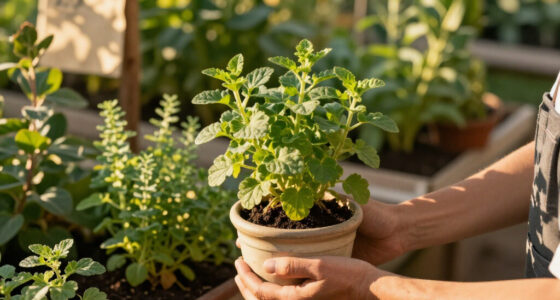
- Support the vine: Trellises or arbors keep plants tidy and make harvesting easier.
- Water smartly: Keep soil moist but not soggy; water early in the day to avoid fungal issues.
- Harvest regularly: Pick the tender top leaves to encourage new growth and prevent bolting.
For small spaces, large pots with a sturdy trellis work wonders. In a typical desert garden, Malabar spinach can produce fresh greens for months, even through a scorching July or August.
As an affiliate, we earn on qualifying purchases.
Other Greens That Handle the Heat Better Than Lettuce
| Green | Why It Works | Best Use |
|---|---|---|
| Amaranth greens | Heat-tolerant, rich in vitamins, and quick-growing. Their ability to withstand high temperatures means they continue to photosynthesize and produce leaves even during peak summer heat, which can cause other greens to bolt or become bitter. This resilience makes them a reliable source of nutrition when traditional greens falter. However, they can become overly mature if not harvested regularly, leading to tougher leaves and a slightly bitter flavor. | Salads, stir-fries, sautéed as a side. |
| Swiss chard | Resists bolting thanks to its robust structure and can tolerate some shade, which helps it maintain quality during the hottest months. Its colorful stems also provide visual interest, encouraging continuous harvesting. The tradeoff is that it requires consistent moisture and can become woody if left unharvested for too long. | Sauteed or chopped into soups. |
| Purslane | This succulent is especially adapted to dry, hot soils, and its high omega-3 content makes it a nutritional powerhouse. Purslane’s deep root system allows it to access moisture below the surface, reducing the need for frequent watering. Its slightly lemony flavor complements many dishes, making it a versatile summer green. The main consideration is that it can spread aggressively if not contained. | Fresh in salads or as a garnish. |
| Kale & collards | Especially hardy when given some shade, these greens are less prone to bolting in high heat and can be harvested over a long period. Their sturdy leaves can withstand the intense sun, but they benefit from some shade during the hottest part of the day, which prolongs their productivity. The tradeoff is that they can become tough if not harvested regularly. | Steamed, baked chips, or salads. |
Compared to lettuce, these greens hold up better in the desert heat. They’re also packed with nutrients, making your summer diet more vibrant and healthful. Choosing the right combination of these greens can help you maintain a continuous harvest, ensuring your salads stay colorful and nutritious even during the hottest months.
As an affiliate, we earn on qualifying purchases.
Growing Tips to Keep Your Greens Happy and Healthy in Summer
- Water deeply and early: Water in the morning to give plants a good start and reduce evaporation. Deep watering encourages roots to grow downward, which enhances drought tolerance—crucial in desert climates.
- Mulch generously: Use straw or gravel to keep roots cool and soil moist. Mulching also suppresses weeds and reduces water evaporation, allowing plants to access moisture longer during hot days.
- Plant in partial shade: Especially during the hottest months, a little afternoon shade helps prevent scorching and bolting. This strategic shading can extend the productive period of your greens, but be aware that too much shade might reduce growth rate and yield.
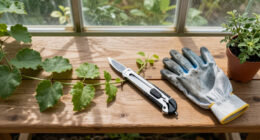
- Use organic pest control: Keep pests like aphids and mites at bay with neem oil or insecticidal soap—always wear gloves and protective gear. Regular inspection helps prevent infestations that can weaken plants and reduce yields.
- Harvest often: Regular picking encourages lush growth and prevents bolting, especially in high heat. Frequent harvests also prevent the plant from expending energy on seed production, maintaining tender, tasty leaves.
In desert gardens, these small adjustments make a huge difference in maintaining a lush, productive green space during the blistering summer months. Adapting your care routine to the intense heat ensures healthy, vigorous plants that can withstand the harshest conditions.
drought-resistant vegetable plants
As an affiliate, we earn on qualifying purchases.
As an affiliate, we earn on qualifying purchases.
What You Need to Know About Pests and Harvesting
Malabar spinach and other summer greens can attract pests like aphids, spider mites, and whiteflies. Use organic controls and keep plants spaced for airflow. Always wear gloves and a mask when applying treatments.
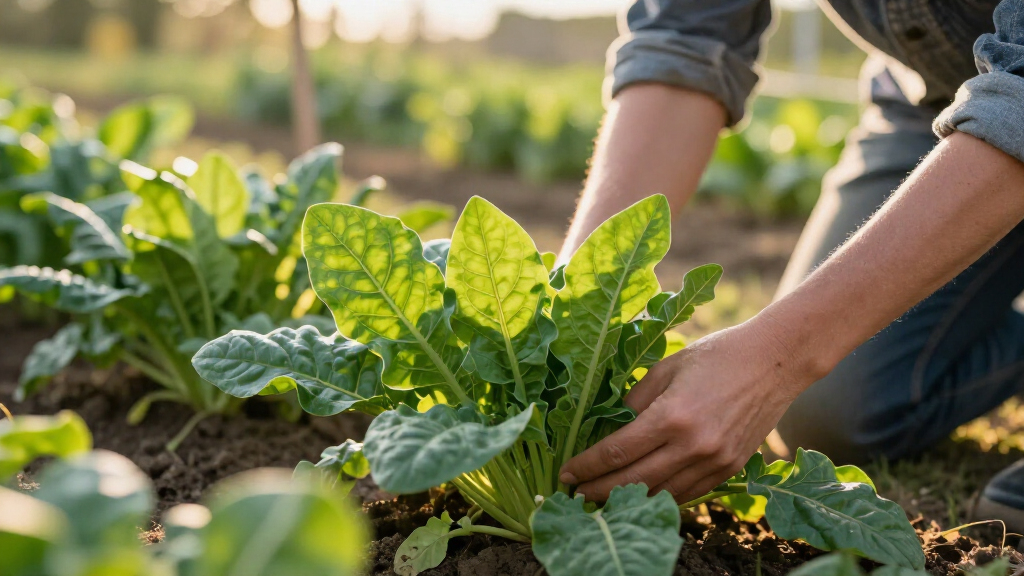
Harvest leaves early and often—preferably in the cool morning—so you can enjoy fresh greens daily. Regular harvesting not only provides a continuous supply but also helps prevent pest populations from becoming overwhelming, as many pests prefer to settle on older, less vigorous leaves. Store greens in the fridge wrapped in a damp cloth to keep them crisp for a few days, but remember, the sooner you consume freshly harvested greens, the better their flavor and nutrient content.
Remember, healthy plants resist pests better. Keep an eye out, and act quickly if trouble appears.
Frequently Asked Questions
Can Malabar spinach fully replace lettuce in my diet?
Yes, Malabar spinach offers a nutritious, water-wise alternative, especially in hot weather. Just remember to include a variety of greens for balanced nutrition.How do I grow Malabar spinach in containers?
Choose large pots with good drainage, support the vine with a trellis, water regularly, and place in full sun. It’s perfect for small spaces and balcony gardens.What other greens are best for summer desert gardens?
Amaranth greens, Swiss chard, purslane, and heat-tolerant kale varieties are excellent choices that resist bolting and keep producing during the heat.Are there pests specific to Malabar spinach?
Common pests include aphids, spider mites, and whiteflies. Use organic controls, keep plants well-spaced, and always wear protective gear when applying treatments.How do I store summer greens after harvesting?
Wash and dry leaves, then store in a damp cloth in the fridge. Use within a few days for the freshest flavor and texture.Conclusion
In a desert summer, your garden’s secret weapon is greens that can handle the heat. Malabar spinach, along with other resilient greens, keeps your salads vibrant and nutritious when lettuce turns bitter or bolts.
Plant smart, water wisely, and harvest often—your summer greens will reward you with fresh flavor and robust health all season long.
Fall Picks
fall essentials
As an affiliate, we earn on qualifying purchases.