TL;DR

Get garden gear delivered free with Prime
- Fast, free delivery on millions of items
- Prime Video, Amazon Music and more included
- Member-only deals all year
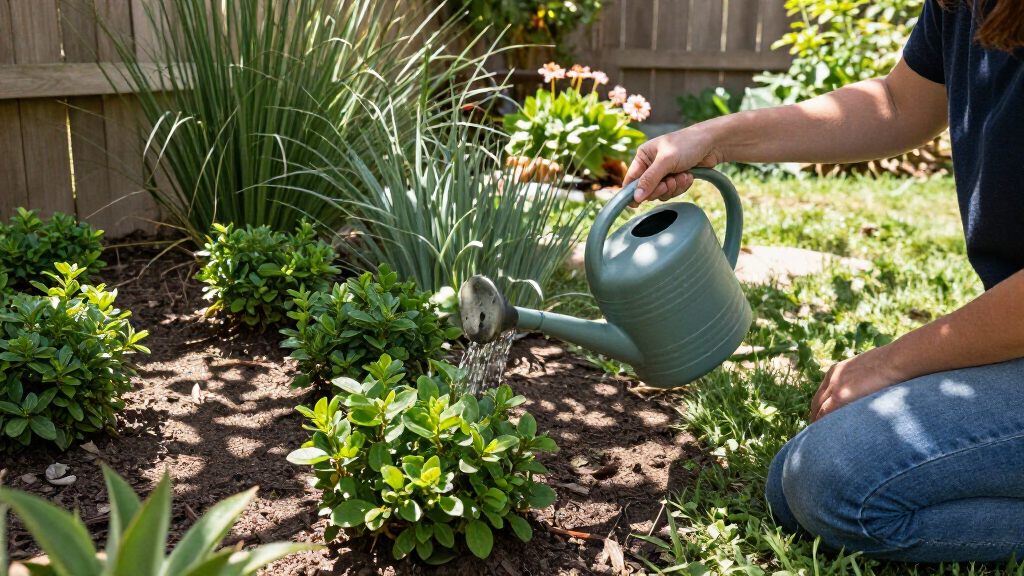
Once native plants are established and well matched to your site’s climate, soil, and exposure, they often don’t need regular watering. Knowing when to cut back helps conserve water while keeping your landscape healthy and resilient.
You’ve probably heard that native plants are tough. But that doesn’t mean you can ignore their watering needs forever.
Most natives need a good start—some consistent moisture during their first couple of years. After that, they can often go dry, saving you water and maintenance. But it’s not a one-size-fits-all rule. Knowing when to stop watering is about understanding your plant, your site, and the weather. Get it right, and your landscape becomes a water-wise oasis that’s resilient through droughts and heat waves.
Native plants often don’t need routine watering after they’re fully established—if they’re properly matched to your site.
Knowing your plant’s natural habitat, soil, and local climate is key to deciding when to stop watering.
Signs of drought stress include wilting, leaf curling, and dull foliage, but always check soil moisture first.
Gradual reduction of watering over several seasons helps native plants adapt to dry conditions without stress or death.
Climate change is making it necessary to select more resilient, climate-ready native species for true zero irrigation success.
Watering Established Natives: When Zero Irrigation Is Right
Zero irrigation is not neglect. It is a carefully timed transition that works when roots are established, species fit the site, and natural rainfall can support the plant’s ecological needs.
Roots set the schedule
Calendar age is only a guide. Plant size, planting season, rainfall, heat, soil structure, and root-ball condition can shorten or extend establishment. The decisive sign is functional root growth into the surrounding soil.
Perennials & grasses
Many small plants establish within roughly one growing season when planted at the right time and watered deeply enough to move roots outward.
Shrubs
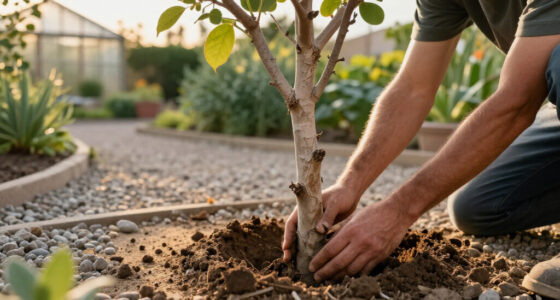
Look for new shoots, a stable canopy, and roots entering native soil before extending the interval between waterings.
Trees & woody plants
Larger root balls take longer to connect with surrounding moisture reserves. Heat, wind, and compacted soil may delay readiness.
Critical distinction: shallow, frequent watering encourages surface roots. During establishment, water slowly and deeply enough to wet the active root zone, then allow appropriate drying between sessions.
“Native” must be specific
A wetland native and a desert native can belong to the same broad region yet require opposite watering strategies. Local ecotype, elevation, soil, heat, and seasonal rainfall all matter.
Rainfall pattern
Annual totals are only part of the story. Match the timing of rain, summer dryness, winter moisture, drought length, and temperature extremes.
Soil & drainage
Clay stores water but can lose aeration. Sand and rock drain quickly. Compaction can block roots from reaching otherwise available moisture.
Heat, wind & slope
Reflected heat, drying wind, sun intensity, and slope position can make a site far harsher than its regional climate suggests.
When zero irrigation works—and when it does not
Survival alone is a weak benchmark. Flowering, seed production, wildlife value, canopy development, and long-term health can decline before a plant dies.
| Indicator | Zero irrigation fit | Continue monitoring | Routine or corrective water |
|---|---|---|---|
| Roots beyond original root ball | ✓ Strong signal | ~ Verify depth | ✗ If still confined |
| Climate and habitat match | ✓ Local or comparable | ~ Marginal exposure | ✗ Wetland plant on dry site |
| Canopy and new growth | ✓ Stable and healthy | ~ Seasonal slowdown | ✗ Progressive dieback |
| Soil condition | ✓ Open, compatible soil | ~ Fast drainage | ✗ Compacted or waterlogged |
| Current weather | ✓ Within normal range | ~ Extended dry spell | ✗ Exceptional heat or drought |
Typical establishment horizon
Relative timelines are planning ranges, not automatic stop dates.
Before you turn it off
Use observable evidence rather than the plant’s age alone.
Zero routine irrigation can still include emergency water
Climate change is increasing the frequency and severity of heat and drought. During an exceptional event, one slow, deep watering may protect valuable established trees and shrubs without turning the landscape back into a routinely irrigated system.
Work with adaptation, not appearance
Summer browning, slower growth, or partial leaf loss may be normal seasonal dormancy. Forcing dry-season plants to stay green can encourage weak growth, root disease, and shorter life spans.
Trust the roots
Stop routine watering only after roots have moved beyond the planting hole and the plant can maintain healthy growth.
Respect the niche
Choose locally native or climate-comparable species suited to the site’s soil, drainage, elevation, and exposure.
Keep watching
Check soil moisture before responding to stress. Reduce water gradually and intervene deeply only when conditions justify it.
How to Tell When Your Native Is Fully Established
Native plants are established when they can stand on their own, with roots reaching into the surrounding soil and consistent new growth. A good rule of thumb: if you see roots spreading beyond the original root ball and the plant maintains healthy growth without extra water, it’s ready for less hand-holding.
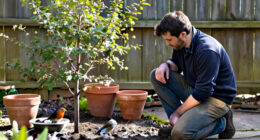
For instance, a shrub that’s been in the ground for two summers, with new shoots and roots pushing into the native soil, can often survive on natural rainfall alone. Keep an eye on the weather and soil moisture below the surface—shallow watering won’t cut it anymore.
Understanding root development and growth patterns is crucial because it indicates the plant’s ability to access water from deeper soil layers. If roots are shallow or confined, the plant remains vulnerable during dry spells. Conversely, deep-rooted plants can tap into moisture reserves, making them more resilient and suitable for zero irrigation. Recognizing these signs helps you avoid premature cessation of watering, which could stress or weaken your plants, leading to increased vulnerability to pests, diseases, or dieback.
native plant drought tolerant plants
As an affiliate, we earn on qualifying purchases.
As an affiliate, we earn on qualifying purchases.
Why Native Plants Need Different Watering Rules Than Garden Varieties
Native plants aren’t all the same when it comes to watering. A desert-adapted sagebrush from the Great Basin will handle drought much better than a wetland native like a cattail. Even within the same species, local ecotypes can vary in drought tolerance.
Understanding these differences matters because it affects your watering strategy and long-term plant health. For example, overwatering a drought-tolerant native can lead to root rot, fungal issues, or unnatural growth patterns that weaken the plant’s natural resilience. Conversely, under-watering a moisture-loving native can cause stress, early mortality, or poor flowering. Tailoring your watering approach based on the native’s habitat and ecological niche ensures the plant can thrive without unnecessary intervention, but it also requires knowledge of the plant’s natural environment to avoid mismatches that could compromise its survival or ecological function.
Thus, knowing the specific water needs of your native plants helps you balance conservation with plant health, preventing both over- and under-watering. This understanding fosters a more resilient landscape that aligns with the plant’s evolutionary adaptations, reducing maintenance and resource use over time.
As an affiliate, we earn on qualifying purchases.
When Zero Irrigation Works Best — And When It Doesn’t
Zero irrigation is most successful when your native plants are in the right place, with soil, climate, and exposure matching their natural habitat. Think of a drought-tolerant bunchgrass in a rocky slope where annual rainfall averages 10 inches.
It’s less effective if you’re trying to grow a woodland fern in a dry, exposed yard or if your soil is heavily compacted or clay. Signs you’re on the right track include consistent new growth, stable canopy, and no stress symptoms after the first few dry seasons.
Understanding why zero irrigation works—or doesn’t—is vital because it highlights the importance of ecological matching. When plants are in environments similar to their native conditions, they can depend on natural rainfall and soil conditions to meet their needs, reducing the need for supplemental watering. However, attempting to grow plants outside their ecological niche increases the risk of stress, disease, or death, especially if you ignore site-specific factors like soil drainage, exposure, or microclimate. Recognizing these tradeoffs helps you make informed decisions, ensuring your native plants are resilient and sustainable without constant watering.
soil moisture meter for native plants
As an affiliate, we earn on qualifying purchases.
As an affiliate, we earn on qualifying purchases.
Frequently Asked Questions
Does ‘native’ mean I never have to water it?
Not necessarily. Many natives need water during establishment and in extreme droughts. Their water needs depend on the species, site conditions, and climate. Proper matching and timing are key.How do I know when a native is fully established?
Look for consistent new growth, roots extending into surrounding soil, and the ability to maintain its appearance without frequent watering. It’s a gradual process, not just a time marker.Can I stop watering my native plants after a couple of years?
Yes, if they’re well matched to your site and show signs of resilience. Reduce watering gradually while monitoring their health. Some plants may take three years or more to fully adapt.What signs tell me my native plant needs water now?
Persistent wilting, curling leaves, dull color, early leaf drop, or dry soil below the surface. Always verify soil moisture before watering—overwatering can be just as harmful.How does climate change affect watering strategies for natives?
It increases drought frequency and severity, meaning even well-adapted natives may need occasional emergency watering. Selecting climate-resilient species and adjusting your expectations helps keep your landscape thriving.native plant landscape water conservation
As an affiliate, we earn on qualifying purchases.
As an affiliate, we earn on qualifying purchases.
Conclusion
Zero irrigation isn’t about ignoring your native plants—it’s about trusting their natural adaptations and giving them room to thrive on their own. When you plant wisely, match species to your site, and let them enter seasonal dormancy, your landscape becomes a sustainable, water-smart oasis that endures droughts and heat waves.
Remember: a healthy native garden isn’t a dry, lifeless one—it’s a resilient ecosystem that works with nature, not against it. Let your native plants show you how little water they truly need, and enjoy the lush, low-maintenance landscape you’ve built.
Fall Picks
fall essentials
As an affiliate, we earn on qualifying purchases.