
TL;DR

Get garden gear delivered free with Prime
- Fast, free delivery on millions of items
- Prime Video, Amazon Music and more included
- Member-only deals all year
October seeding matches wildflower natural cycles, but success depends on species, soil prep, and timing. Proper techniques improve germination and plant survival.
Timing your sowing in October aligns with wildflower dormancy and natural stratification, boosting germination.
Choose species carefully—native penstemon and poppies adapted to your climate perform better and are more resilient.
Prepare a firm, weed-free seedbed—shallow, exposed soil is key for tiny seed contact and successful germination.
Surface sow and press seeds gently—deep burial is a common reason for failure and prevents light exposure.
Adjust sowing dates and watering based on weather; flexibility improves overall success.
Why October is Your Best Bet for Wildflower Success
October isn’t just a good time—it’s a strategic window for wildflower seeding. Seeds like penstemon and poppies benefit from the cooler temperatures and winter moisture that help break seed dormancy naturally. When you sow in October, you’re mimicking their wild, seasonal rhythm—letting winter do the heavy lifting of cold stratification.
Imagine planting penstemon in early October in a zone 8 climate. The seeds settle into the soil, then winter’s chill prompts germination at exactly the right moment in spring. The result? Stronger, more resilient seedlings that are better prepared for summer drought.
wildflower seed mix for October planting
As an affiliate, we earn on qualifying purchases.
As an affiliate, we earn on qualifying purchases.
Pick the Right Species and Know Their Needs
Not all penstemon and poppies are created equal. Species matter. For example, California poppies thrive in full sun and well-draining, lean soil. Oriental poppies, however, are perennials that prefer richer soil and more moisture, making them a different ballgame altogether.
Penstemons are generally tough but need full sun and gravelly soil. They hate heavy clay or soggy winter wetness. Matching your site with the right species is like choosing the right gear for a hike—your plants will perform better and stay healthier.
Local native seeds often offer the best fit—plants adapted to your region’s specific climate, soil, and pollinators. A native seed from your area will usually germinate faster and grow stronger than a generic wildflower mix.
Understanding these needs helps you avoid the common mistake of planting a species that isn’t suited to your site, which can lead to poor germination, weak growth, or even plant failure. Choosing the right species is a tradeoff—sometimes a more adaptable or native variety might have a slightly slower germination but will establish more reliably in your specific environment.
As an affiliate, we earn on qualifying purchases.
Prep Your Soil Like a Wildflower Pro
Wildflowers need a bare, firm seedbed. No thick turf, leaf litter, or dense weeds. A clean slate ensures seeds get good contact with soil, which is critical for germination. Think of it as setting a stage—cluttered or uneven soil will trip up your plants.
Remove weeds, loosen the top inch of soil, and create patches of bare ground. Don’t deep-till—shallow is better. If drainage is poor, fix it before sowing. You want the soil to be firm but crumbly, not fluffy or compacted.
For example, in a dry wash, you might rake away the winter leaf litter, then lightly loosen the surface with a hand rake. This creates perfect patches for tiny seeds to settle and grow.
Proper soil preparation is crucial because it directly influences seed-to-soil contact, which is essential for germination. If the soil is too loose or too compacted, seeds may not establish good contact, leading to poor germination or uneven growth. The tradeoff here is between creating a seedbed that retains enough moisture but drains well—overly compacted soil can suffocate roots, while overly loose soil can cause seeds to wash away or dry out quickly.
poppy seed packet for wildflower garden
As an affiliate, we earn on qualifying purchases.
As an affiliate, we earn on qualifying purchases.
How to Sow Penstemon and Poppies for Best Results
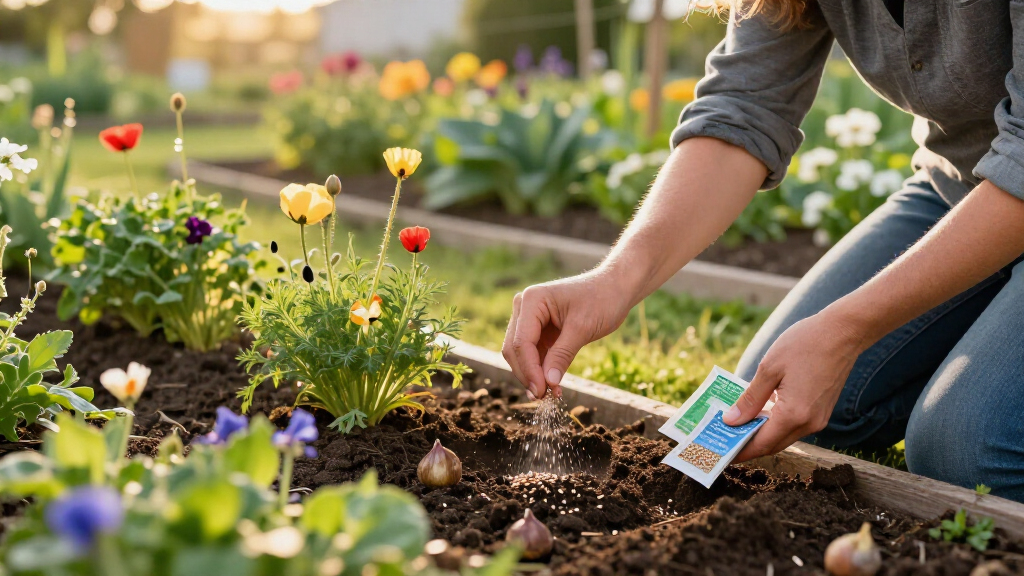
- Scatter tiny seed evenly over the prepared soil. Use a small, dry sand mix if needed to distribute evenly.
- Press seeds firmly into the soil surface with a roller or by walking over the area. Don’t bury them deep—just a light press is enough.
- If species recommends covering, use a very thin layer of grit or fine soil—no more than a 1/8-inch dusting.
- Mark your sowing zone with stakes or flags so you remember where you planted.
- Water gently with a fine spray to keep the surface moist but not soggy.
Many tiny seeds germinate best when they receive light—so don’t bury them deep. For example, mixing poppy seed with sand helps distribute it evenly across a broad bed, ensuring each seed gets good contact with the soil. This method helps prevent seeds from being buried too deep, which can prevent germination, especially for light-sensitive species. The tradeoff is that surface-sown seeds need consistent moisture to prevent drying out, so careful watering is essential during the germination window.
native wildflower seeds for drought-tolerant landscaping
As an affiliate, we earn on qualifying purchases.
As an affiliate, we earn on qualifying purchases.
Understanding and Managing Dormancy in Penstemon
Many penstemon seeds need a cold, moist period—called stratification—before they will grow. Sowing in October helps nature take care of this process. The winter chill naturally breaks seed dormancy, paving the way for spring germination.
However, requirements vary. Some species need several weeks of chilling, others more. Patience is key—germination might be slow and staggered over weeks or even into the next season.
Understanding seed dormancy and stratification is important because it influences planting timing and expectations. Seeds that require cold stratification will not germinate immediately after sowing; instead, they need the natural winter chilling to break dormancy. If you ignore this requirement, you might wrongly assume your seeds are non-viable when, in fact, they just need more time or specific conditions. Recognizing the importance of this process helps you set realistic expectations and understand that germination can be staggered, which is normal. The tradeoff is that seeds requiring stratification often need patience, but the resulting seedlings tend to be stronger and more resilient because they have experienced natural cold conditioning.
Direct Sow Poppies—No Transplants Needed
Poppies dislike root disturbance, so direct sowing is your best bet. Scatter the seed on moist, well-prepared soil, then press it in gently. Keep seedlings protected from slugs, snails, and heavy foot traffic.
Thin crowded seedlings early to prevent competition. Poppies thrive in cool weather, so sow during early October when soil is still warm but cooling down. They often germinate during the first rain, sometimes even in late fall.
For instance, a gardener in zone 7 sowed Californian poppy seed in early October. By late November, a carpet of bright orange flowers emerged, blooming just as winter set in.
Direct sowing of poppies in October takes advantage of their natural germination triggers—cool temperatures and seasonal rains. This method reduces transplant shock, which can be detrimental to delicate poppy seedlings, as their roots are sensitive to disturbance. It also aligns with their natural growth cycle, allowing them to establish in their preferred environment. The tradeoff is that direct sowing relies heavily on timely weather conditions; if the autumn is unusually dry or warm, germination may be delayed or uneven. Therefore, monitoring weather and soil moisture is essential to maximize success.
Keep Moisture Balanced Without Drowning Seeds
Moisture is essential for germination, especially for penstemon, but too much water kills tiny seedlings. During autumn, rely on seasonal rain when possible. When rain is light or inconsistent, use a gentle spray to keep the surface evenly moist.
Avoid overwatering—standing water or overly wet soil can cause rot. Once seedlings emerge, reduce watering gradually to encourage deep roots. Remember, the goal is a consistently damp surface, not flooded mud.
For example, during a dry spell, a gardener might set up a fine mist spray every few days, ensuring the tiny seedlings stay happy without drowning. This careful watering can make the difference between a lush wildflower patch and a failed sowing.
Understanding moisture management is vital because it directly impacts seed germination and seedling health. Too little water prevents seeds from sprouting; too much can cause rot and fungal issues. The tradeoff is finding the right balance—consistent moisture without saturation—which often requires monitoring weather and adjusting watering accordingly. This careful approach encourages healthy root development and resilient plants.
Weed Control Without Smothering Your Wildflowers
Weeds are the biggest threat to young wildflower seedlings—more than winter cold. Clearing the area of existing weeds before sowing is vital. After planting, hand-weed carefully to remove competition without disturbing tiny seedlings.
Avoid applying herbicides or thick mulch immediately after sowing. Mulch can block light and prevent seedlings from emerging. Instead, use light, organic mulch or leave the area open for now.
For example, a gardener might mark the seeded zone and check it weekly, pulling out weeds by hand when they’re small. This low-impact approach keeps your wildflowers safe while weeds are kept at bay.
Controlling weeds is crucial because they compete intensely with young seedlings for resources like moisture, nutrients, and light. If weeds are left unchecked, they can overshadow or outcompete your wildflowers, leading to poor establishment or complete failure. However, aggressive weed removal can disturb delicate seedlings. The best strategy is a gentle, consistent approach—removing weeds by hand and avoiding heavy mulching or herbicides that could smother or delay seedling emergence. The tradeoff involves balancing weed control with seedling safety—patience and regular monitoring are key to successful wildflower establishment.
Climate Variability and Sowing – What Changes the Game
Climate unpredictability makes fixed sowing dates less reliable. Keep an eye on soil temperature, rainfall forecasts, and upcoming cold snaps. Adjust your sowing window based on local weather rather than the calendar alone.
For example, if an unusually warm October is forecasted, delay sowing until the soil cools further. Conversely, if a rainy spell is coming, sow just beforehand to take advantage of moisture. This flexible approach improves germination success and plant survival.
More gardeners are experimenting with dormant winter sowing—placing seed in containers or protected spots during winter for better control over moisture and temperature.
Understanding how weather variability affects seed germination helps you make smarter decisions, reducing the risk of poor results due to unexpected cold snaps or droughts. Flexibility allows you to adapt your timing to current conditions, which can be the difference between a successful wildflower patch and a disappointing failure. The tradeoff is that it requires more attention and planning, but the benefits of aligning sowing with optimal conditions outweigh the extra effort.
Troubleshooting: Why Your Wildflower Seedings Fail and How to Fix It
Common failures happen when seed is broadcast onto turf or mulch, buried too deep, or sown before the weather warms enough. Overwatering or allowing seed to dry out can also cause problems.
For example, a gardener once sowed poppies in late August, only to see them wash away in a heavy rain. Learning from this, they now sow in early October, after soils have cooled and moisture is more predictable.
Remember: patience is key. If you see no germination after several weeks, check moisture, weed competition, and seed placement. Sometimes, small adjustments make all the difference. Also, consider that seeds sown too deeply or in unsuitable conditions may simply not sprout. Reassess your site, seed quality, and timing, and be prepared to re-sow if necessary. Sometimes failures are learning opportunities—adjusting your techniques based on these experiences increases your chances of success in future attempts.
Your October Wildflower Sowing Checklist
- Verify species suitability for your climate and soil.
- Clear weeds and loosen the topsoil to create firm, bare patches.
- Mix small seed with sand for even distribution if needed.
- Scatter seed lightly and press into the soil surface.
- Mark the area and protect it from disturbance.
- Water gently to keep the surface moist during germination.
- Monitor weeds and seedlings, removing weeds by hand.
- Adjust watering based on weather—keep soil damp but not soggy.
- Be patient—germination can take weeks or even months.
Following this sequence will give your wildflowers the best chance to thrive through winter and bloom in spring.
Frequently Asked Questions
Can I just scatter the seeds on the ground?
Only if the soil is exposed and free of dense weeds or turf. For the best results, lightly press seeds into prepared, bare soil to ensure good contact and germination.Should I cover penstemon and poppy seeds?
Usually no—these small seeds perform best when sown on the surface or barely covered. If the seed packet recommends covering, use a very light dusting of grit or fine soil, no more than 1/8 inch deep.Do penstemon seeds need cold stratification?
Many do, and October sowing naturally provides the cold-moist conditions needed. However, requirements vary among species. Check your seed’s instructions for best results.Will the seeds germinate in autumn or spring?
It depends on the species and climate. Poppies often germinate in fall in milder zones, while penstemon usually wait until spring after winter chilling.What if seedlings emerge before winter?
Hardy seedlings can survive cold snaps, but very tender growth may be damaged. In warm autumns, delaying sowing until soil cools can prevent frost damage.Conclusion
Wildflower seeding in October is a smart move—if you understand the timing, soil, and species needs. Patience, proper prep, and a watchful eye will reward you with a lively, water-wise bloom next spring that looks like it belongs in the wild. Remember, it’s about working with nature’s rhythm, not fighting it.Halloween Picks
halloween
As an affiliate, we earn on qualifying purchases.