
TL;DR

Get garden gear delivered free with Prime
- Fast, free delivery on millions of items
- Prime Video, Amazon Music and more included
- Member-only deals all year
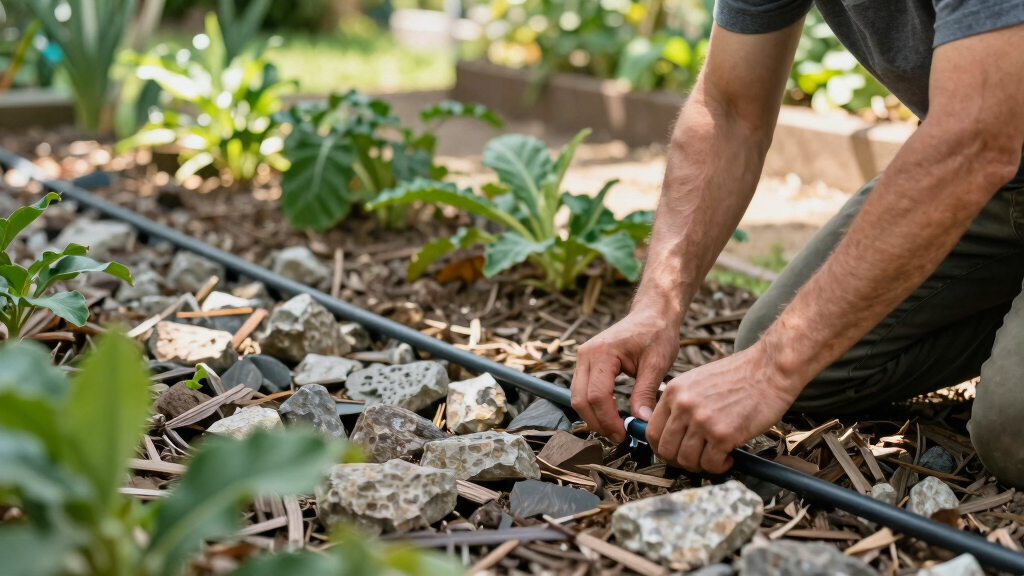
Running drip lines under rock mulch offers weed control and moisture retention but increases heat exposure and maintenance difficulty. Choosing the right materials and installation techniques can extend system life and ease repairs.
Rock mulch adds a clean, desert-friendly look to your garden, while helping keep weeds down and moisture in the soil. But burying drip lines under those stones isn’t as simple as it sounds. It’s a balancing act—hotter soil temperatures, tricky access, and repair headaches all come into play.
If you’re thinking about running drip irrigation under rock, you need to weigh these tradeoffs carefully. This guide breaks down the real costs and benefits, so you can garden smarter and keep your system running smoothly in the heat.
High-quality, UV-resistant drip lines can last 3–5 years under rock mulch if properly protected.
Installing access points during initial setup simplifies future repairs and reduces labor time.
Using organic mulch or shade structures around your drip lines helps combat heat buildup, extending system life.
Advanced materials and smart tech can significantly improve durability and ease of maintenance in hot environments.
Planning your line placement—beneath, between, or above the rock—depends on your balance of durability, access, and heat exposure.
Why Heat Bakes Your Drip Lines—And What That Means for You
When drip lines sit beneath rock mulch, they absorb and radiate heat. Rock acts like a giant heat sponge, especially in summer, pushing soil temperatures above 90°F (32°C). Over time, this heat accelerates the breakdown of plastic tubing, cutting their lifespan by nearly half in some cases.
For example, a gardener in Phoenix found her drip lines under rock mulch lasted only about 3 years, compared to 6–7 years in shaded, organic mulch. The constant high temps cause the plastic to become brittle, clogging emitters and reducing flow.
Implication: This means that in hot environments, without protective measures, your irrigation system may need more frequent replacement, increasing costs and labor. The heat stress also risks inconsistent watering, affecting plant health and water efficiency.
Tradeoff: While burying lines under rock enhances weed suppression and conserves moisture, it can significantly shorten system lifespan due to thermal degradation. Therefore, choosing high-quality, UV-resistant tubing and considering additional shading or insulation becomes crucial to balance these competing needs.
UV resistant drip irrigation tubing
As an affiliate, we earn on qualifying purchases.
As an affiliate, we earn on qualifying purchases.
Accessing and Repairing Drip Lines Under Rock—Here’s What You Need to Know
Running drip lines beneath rock makes repairs a challenge because the stones and uneven surface obscure the lines, making it difficult to locate leaks or blockages without excavating large sections of the bed. This difficulty can lead to neglect or delayed repairs, which may cause water waste, uneven watering, or even system failure.
For example, a gardener in Southern California spent an hour just locating a leak under a layer of decorative rock, highlighting how time-consuming and frustrating this process can be. When repairs are difficult, it’s tempting to ignore small leaks or clogs until they worsen, risking damage to plants and increased water bills.
Implication: Poor accessibility discourages routine maintenance, which is critical for system longevity and efficiency. Without easy repair options, small issues can escalate, leading to more costly repairs or system replacements down the line.
Tradeoff: Incorporating access points such as flush valves, test tees, or removable covers during initial installation can simplify future repairs. Although these add upfront costs and require thoughtful planning, they significantly reduce repair time and effort later, helping to maintain system integrity and conserve water. Proper planning—like marking lines clearly and installing quick-connect fittings—ensures that repairs are manageable and less disruptive, ultimately saving time and money while keeping your garden healthy.
As an affiliate, we earn on qualifying purchases.
Installation Choices: Deep, Shallow, or Between?
Choosing the right depth for your drip lines affects their durability, accessibility, and susceptibility to heat damage. Running lines directly beneath rock mulch provides physical protection from garden activities and mechanical damage, but exposes them to higher soil temperatures. Installing between the soil and rock can help moderate temperature fluctuations, but may compromise stability if rocks shift or are disturbed. Placing lines above the rock surface is generally not advisable, as it makes them vulnerable to physical damage, clogging, and UV exposure, especially in arid environments.
Understanding these tradeoffs is essential. Installing lines beneath the rock offers protection but accelerates heat-related deterioration, meaning you might need to replace them more often unless you use heat-resistant materials. Between soil and rock, the cooler environment can extend lifespan but requires additional staking or protective covers to prevent damage from gardening activities or shifting stones. Above ground, the ease of access is offset by rapid wear and tear, making it unsuitable for long-term use in hot, rocky landscapes.
Implication: The best placement balances durability, ease of access, and heat exposure. In high-temperature climates, positioning lines between soil and rock—coupled with protective measures—often provides the optimal compromise, ensuring longevity and accessibility while managing thermal stress.
As an affiliate, we earn on qualifying purchases.
New Materials and Tech Making It Easier to Bury Lines in Heat
Recent innovations in irrigation materials and technology have significantly improved the prospects for burying drip lines under rock in hot climates. Heat-resistant, UV-stable tubing now offers a lifespan that can double or even triple traditional tubing—up to 7 years or more—by resisting the degrading effects of high temperatures and sun exposure. These advanced materials maintain flexibility and strength longer, reducing the frequency of replacements.
Smart technology further enhances system resilience. Soil moisture sensors and automated timers help prevent overwatering, which not only conserves water but also reduces thermal stress on the tubing by avoiding unnecessary pressure and flow. Modular systems with quick-connect fittings simplify repairs and upgrades, enabling quick swaps of damaged sections without extensive digging.
For example, a gardener installed pre-wired lines with quick-connect fittings, allowing her to replace sections swiftly without disturbing the entire bed. This approach minimizes disruption, saves time, and extends system lifespan.
Implication: These technological advancements allow gardeners to mitigate the adverse effects of heat on buried drip lines, making long-term irrigation solutions more practical and cost-effective. Although these materials and devices may have higher initial costs, the savings in repairs, replacements, and water efficiency often justify the investment, especially in high-temperature environments.
As an affiliate, we earn on qualifying purchases.
Frequently Asked Questions
Is it better to run drip lines under or above rock mulch?
Running drip lines beneath rock mulch offers protection from physical damage but increases heat exposure, which can shorten their lifespan. Above the rock, lines are easier to access but more vulnerable to damage and clogging.How can I prevent my drip lines from overheating?
Use UV-resistant, heat-stable tubing, install lines beneath organic mulch or shade cloth, and consider protective conduits or sleeves. These steps help keep temperatures down and prolong your system’s life.What’s the best way to repair drip lines under rock?
Plan for easy access by installing test tees, flush valves, or removable covers. Mark your lines clearly, and use quick-connect fittings for fast repairs without digging up the entire bed.Are there better irrigation options for rock-mulched landscapes?
Micro-sprays and insulated soaker hoses can work well if protected. They’re easier to repair and less likely to suffer heat damage but may not deliver water as precisely as buried drip lines.How does rock mulch affect drip line longevity?
Rock mulch increases soil temperature and complicates repairs, often reducing drip line lifespan. Proper material choices, shading, and planning access points help mitigate these issues.Conclusion
Running drip lines under rock mulch isn’t a one-size-fits-all choice. It offers great benefits but demands smart planning and quality materials to avoid costly repairs or early failures. Think of it as building a tiny, underground water highway—protect it from the heat and keep it accessible, and it’ll serve your garden for years.
Remember, a little upfront effort—installing access points, choosing the right tubing, and shielding lines—pays off in longevity and ease. In the scorching desert sun, those small details make all the difference.
Columbus Day / Indigenous Peoples' Day Picks
long weekend sales
As an affiliate, we earn on qualifying purchases.