
TL;DR
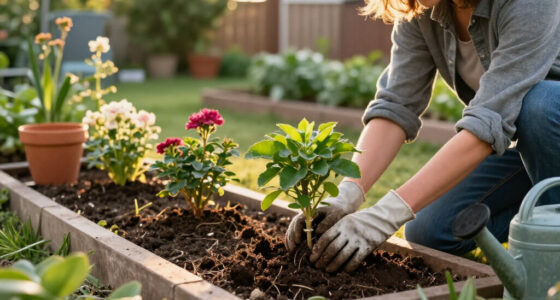
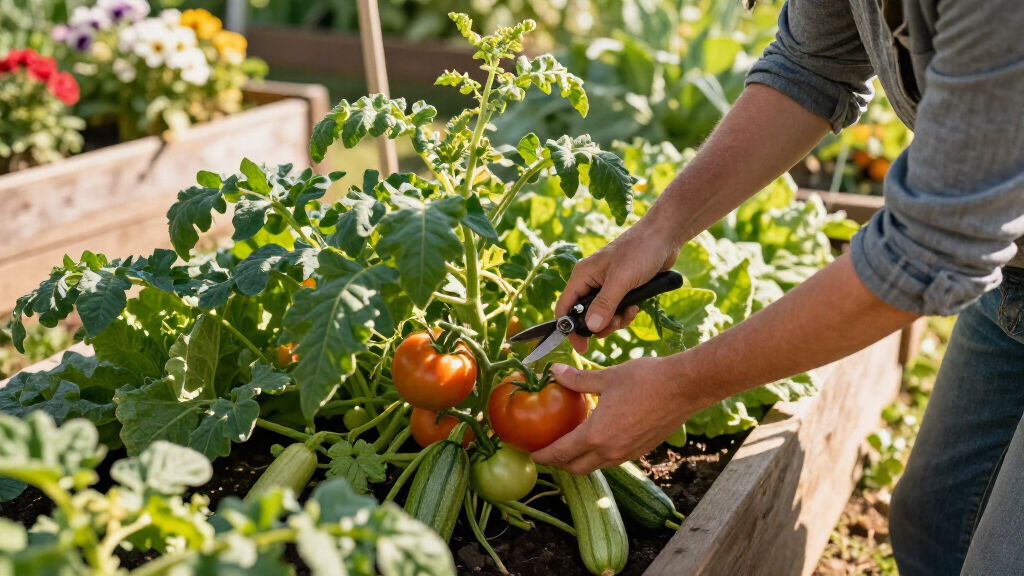
Gardening trends show increasing interest in extending the planting season into September. Experts recommend planting seven specific vegetables now to ensure fall and next spring harvests. This approach can maximize garden productivity and extend growing seasons.

Get garden gear delivered free with Prime
- Fast, free delivery on millions of items
- Prime Video, Amazon Music and more included
- Member-only deals all year
Why Extending the Gardening Season Matters
This trend allows gardeners to harvest fresh vegetables later into the year, reducing reliance on store-bought produce and promoting sustainable practices. It also offers food security benefits by increasing local food production. For hobby gardeners and small-scale farmers, planting in September can provide a continuous harvest cycle, making gardening more rewarding and economically viable. As interest in homegrown food grows, extending the planting season aligns with broader sustainability and self-sufficiency goals, especially in regions where winter planting is feasible. The trend also reflects climate adaptation, with gardeners seeking to maximize yields despite shorter growing windows.Popular right now

TCL 75-Inch Class 4-Series 4K UHD HDR Smart Google TV (75S446, 2022)

Ninja Crispi Microwave and Air Fryer with FusionCrisp, Silver, MW101

Dyson Airwrap i.d. 6-in-1 Multi-Styler and Dryer
As an affiliate, we earn on qualifying purchases.
Growing Season Extension and Recent Gardening Trends
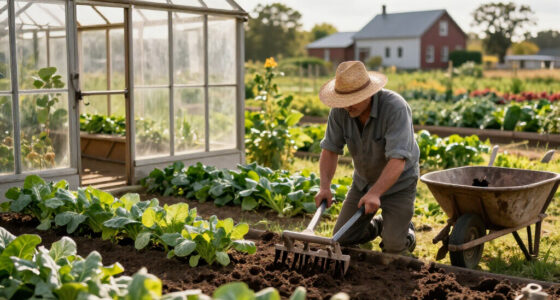
Traditionally, the gardening season peaks in spring and early summer, but recent trends show increasing interest in extending this period into fall and early spring. This shift is driven by climate variations, rising food costs, and a desire for fresh, homegrown produce year-round. While some regions have long growing seasons, many areas experience a limited window for planting, which gardeners now aim to expand through strategic crop selection and planting times. The current emphasis on planting vegetables like kale, spinach, and carrots in September is part of a broader movement toward sustainable, year-round gardening. Although this trend is gaining traction, it remains based on anecdotal reports and gardening advice, with ongoing research into optimal planting schedules for different climates.Unconfirmed Aspects of Fall Planting Recommendations
It is not yet clear how regional climate variations will impact the success of planting these vegetables in September. While experts recommend these crops broadly, local conditions such as frost dates and soil temperatures could affect outcomes. The trend signals are based on anecdotal evidence and expert opinion rather than comprehensive, region-specific research, so results may vary. Additionally, the long-term impact of climate change on planting schedules remains uncertain, and more localized studies are needed to refine these recommendations.Next Steps for Gardeners and Researchers
Gardeners are encouraged to follow local planting guides and monitor weather forecasts to optimize planting success. Researchers and horticulturalists may conduct further studies to verify the effectiveness of September planting in different regions and develop tailored guidelines. As the trend gains popularity, gardening centers are likely to offer more resources and support for late-season planting. Additionally, gardeners should document their experiences to contribute to a growing body of knowledge on extending the growing season. The upcoming months will reveal how well these recommendations translate into successful harvests across diverse climates.Key Questions
Can I plant these vegetables in September in any climate?
While these vegetables are generally suitable for September planting, success depends on local climate conditions, such as frost dates and soil temperatures. Gardeners should consult regional planting calendars for best results.
How quickly can I expect to harvest these vegetables after planting in September?
Most of these crops, such as radishes, lettuce, and spinach, can be harvested within 30 to 60 days after planting, making them suitable for fall harvests.
Are there any special precautions I should take when planting in late summer or early fall?
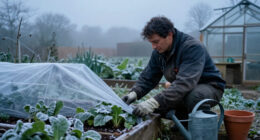
Gardeners should ensure soil is well-prepared, avoid planting during frost-prone periods, and consider using row covers or other protective measures to extend the growing season.
Will planting these vegetables in September affect their taste or nutritional value?
There is no evidence to suggest that planting in September negatively impacts taste or nutrition, provided crops are harvested at optimal ripeness.
Is this trend supported by scientific research?
Currently, the trend is based on expert advice and anecdotal evidence. More scientific research is needed to confirm optimal planting times and success rates across different regions.
Source: rss