TL;DR

Get garden gear delivered free with Prime
- Fast, free delivery on millions of items
- Prime Video, Amazon Music and more included
- Member-only deals all year
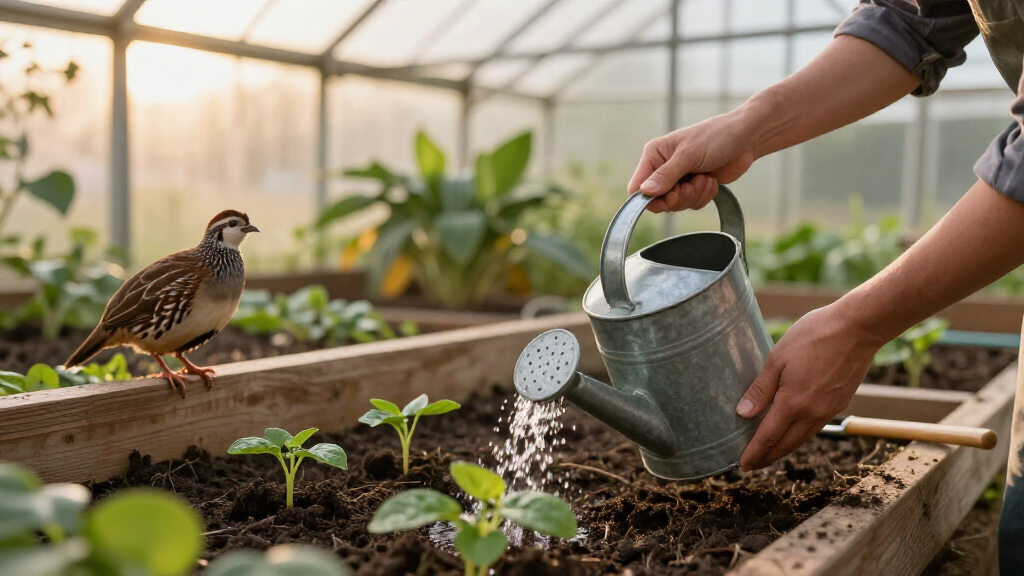
Quail often nibble on seedlings but can be managed with simple physical barriers and thoughtful garden design. Coexisting is possible by protecting vulnerable plants during germination and early growth, then gradually easing restrictions as plants mature.
Physical barriers like row covers and mesh tunnels are the most reliable way to protect seedlings from quail without harming them.
Protect vulnerable plants during germination and early growth, then gradually remove barriers as plants establish.
Design your garden with clear zones: cluster vegetables, keep native cover away from seedlings, and avoid over-mulching or spilling seed beneath feeders.
Use moving deterrents and regularly check barriers, but avoid harmful or ineffective methods like chemicals or dangling netting.
Identify quail damage accurately to avoid unnecessary control, and remember that coexistence often benefits your garden’s ecological health.
Quail and Your Seedlings: Coexisting With the Covey
Quail often nibble on seedlings but can be managed with simple physical barriers and thoughtful garden design. Protect vulnerable plants during germination and early growth, then gradually ease restrictions as plants mature — no chemicals, no harm, no lost wildlife charm.
How to Spot Quail Damage and Know It’s Them
Shallow Scratches & Prints
Shallow scratches across soil, tiny footprints, and exposed seeds point to quail pecking. Small round depressions mark their favorite dust-bathing spots.
Seedlings Clipped at Base
Tender seedlings like peas and beans are clipped at the base, with disturbed soil nearby indicating scratching and uprooting of young plants.
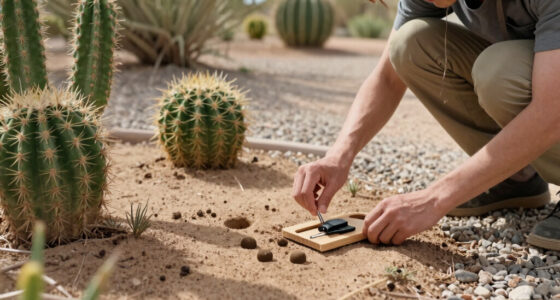
Camera or Print Check
A motion-sensitive camera or footprints on undisturbed soil can confirm quail as the culprit — saving you from unnecessary control measures.
| Culprit | Edge Marks | Trail Evidence | Soil Disturbance | Quail? |
|---|---|---|---|---|
| Quail | Clean clips at base | Tiny three-toed prints | Shallow scratches, dust bowls | ✓ Yes |
| Rabbits | Large, gnawed edges | None visible | Minimal | ✗ No |
| Slugs | Ragged holes, slime trails | Silver slime lines | None | ✗ No |
| Rodents | Gnaw marks, chew holes | Small tracks, burrows | Digging near bases | ✗ No |
| Dust bathing | No plant damage | Round depressions | Crater-like bowls | ~ Sign |
Both a Garden Pest and Welcome Wildlife
Impact Peaks at Germination
Adults eat seeds, grains, and tender shoots; their scratching uproots seedlings and dust bathing disturbs cultivated soil. A covey can strip newly sprouted beans or sunflower seedlings in a single morning.
Natural Weed & Insect Control
Quail consume weed seeds and insects, and chicks rely on protein-rich prey. They add wildlife interest — but don’t count on them as dependable pest control. Some damage may be an acceptable ecological tradeoff.
Best Physical Barriers for Young Plants
Sow or Transplant
Cover freshly planted rows immediately — or start seedlings indoors in protected trays.
Cover the Vulnerable Stage
Deploy row covers, mesh tunnels, or cloches through germination and early growth.
Inspect & Anchor
Anchor every edge and repair tears — quail walk beneath loose covers rather than fly over.
Ease Off Gradually
Once plants are established and resilient, remove or enlarge barriers.
Critical detail: quail are curious walkers. A small tear in a row cover or a loose edge can let in an entire covey, undoing weeks of effort. Anchor every edge and inspect barriers frequently — also so birds, reptiles, and other animals cannot become trapped.
Zone Your Garden: Production vs. Habitat
The Vegetable Core
- Cluster vegetable beds close together so they can be fenced efficiently
- Transplant larger, hardened seedlings instead of direct-sowing when practical
- Use drip irrigation — sprinklers create damp areas that attract birds and expose seeds
- Block dust-bathing depressions in planting beds; offer bare ground elsewhere
- Clean up spilled birdseed under feeders to prevent a quail buffet
The Wild Edge
- Keep dense native shrubs and bunchgrasses away from seedlings as escape cover
- Plant a native grass corridor along one edge to draw quail to a designated area
- Preserve undisturbed habitat for nesting and dust bathing
- Encourage natural foraging — never deliberately feed wild quail
- Remember: wild quail and nests may be protected by regional wildlife laws
What Works and What’s a Waste of Time
✓ Worth Using
✗ Avoid Entirely
Rotation is everything: quail quickly learn stationary scare devices. Switching between a scarecrow, reflective tape, and a fake predator owl every few days keeps them guessing. And domestic cats are not a deterrent — free-roaming cats kill quail and other birds without reliably protecting seedlings.
Protection Through the Seasons
Germination
Maximum cover — full exclusion
Early Growth
Keep barriers on, inspect edges
Established
Remove or enlarge barriers
Nesting Season
Coveys split into pairs — never chase adults near hidden chicks
Coexistence
Healthier ecosystem, shared space
How to Spot Quail Damage and Know It’s Them
Quail damage leaves telltale signs. Shallow scratches across soil, tiny footprints, and exposed seeds point to their pecking. Look for small, round depressions—dust bathing sites—that mark their favorite dust spots. Tender seedlings like peas or beans are often clipped at the base, with nearby disturbed soil indicating scratching and uprooting. If you see these clues, chances are a covey has been through.
Other pests—rabbits, rodents, or slugs—leave different marks. Rabbits create larger, gnawed edges; slugs leave slime trails; rodents make gnaw marks and chew holes. Setting a motion-sensitive camera or observing footprints on undisturbed soil can help confirm quail as the culprit. This detective work saves you from unnecessary control measures and keeps your garden safe.
As an affiliate, we earn on qualifying purchases.
Why Quail Are Both a Garden Pest and a Welcome Wildlife
Quail are omnivores—adults munch on seeds, grains, and plants, while chicks chase after insects for protein. Their foraging habits can damage tender seedlings, especially during germination when plants are most vulnerable. For example, a covey might strip newly sprouted beans or sunflower seedlings in a single morning, setting back your planting schedule significantly. However, they also eat weed seeds and insects, helping control pests naturally. This dual role means they’re both beneficial and problematic, depending on your priorities. If you value a thriving ecosystem that includes native birds, then some damage might be an acceptable tradeoff for the ecological benefits they bring—like natural pest control and seed dispersal. The key is understanding when and where their impact is most harmful, such as during seedling establishment, and managing accordingly to strike a balance that supports both your garden and the local wildlife.
As an affiliate, we earn on qualifying purchases.
Best Physical Barriers to Keep Quail Off Young Plants
Physical exclusion is your most dependable, humane tool. The goal: protect seedlings during their germination and early growth stages, then remove barriers once the plants are resilient. For example, using lightweight row covers over newly seeded beds prevents quail from pecking at tender shoots while still allowing sunlight and rain to reach the plants. Mesh tunnels can be shaped around rows of lettuce or carrots, providing a physical barrier that’s easy to remove once plants are strong enough. Wire cloches around individual seedlings create a protective cage that discourages pecking and scratching. Bird netting stretched tightly over planting areas acts as a nearly invisible shield—if installed carefully to avoid gaps, it’s highly effective. Starting seedlings indoors in protected trays or propagation chambers can give young plants a head start before transplanting them outside, reducing the window of vulnerability. Temporary fencing around sensitive beds during peak quail activity ensures a physical barrier that’s easy to set up and remove. Regularly inspecting and maintaining these barriers is crucial because quail are curious and can often walk beneath loose covers rather than flying over. For example, a small tear in a row cover might let in a covey, undoing your efforts. Proper anchoring and prompt repairs are essential for keeping your garden safe.
As an affiliate, we earn on qualifying purchases.
Design Your Garden to Minimize Quail Trouble Without Losing Wildlife Charm
Smart garden layout helps keep quail away from vulnerable seedlings while maintaining a healthy habitat. Cluster vegetable beds close together for efficient fencing. Keep dense native shrubs and bunchgrasses away from new plantings to serve as escape cover. Leave some undisturbed native habitat—quail need safe spots for nesting and dust bathing. For example, planting a native grass corridor along one edge of your garden can provide cover and attract quail to a designated area, reducing their visits to your vegetable beds. Cover freshly planted rows immediately with lightweight mesh or row covers to prevent pecking during the most vulnerable period. Instead of direct sowing, transplant larger, hardened seedlings—this reduces initial vulnerability because the plants are less fragile and more resistant to pecking or scratching. Regularly clean up spilled birdseed under feeders—not only does this prevent attracting large flocks, but it also minimizes the risk of turning your garden into a quail buffet, which can lead to overpopulation and increased damage. Use drip irrigation instead of sprinklers or overhead watering, as damp areas can attract birds and other wildlife seeking moisture. Additionally, blocking dust-bathing depressions in planting beds with simple barriers or gravel patches can divert quail to more suitable bare ground elsewhere, reducing their disturbance of your seedlings. Remember, intentionally feeding wild quail can backfire—concentrating birds, spreading disease, attracting predators, and increasing damage. Instead, focus on habitat management that encourages natural foraging without dependency, fostering a balanced coexistence.
As an affiliate, we earn on qualifying purchases.
Deterring Quail: What Works and What’s a Waste of Time
Temporary deterrents like motion-activated sprinklers or moving visual objects can help short-term. Quail quickly learn stationary scare devices—an owl decoy or shiny reflective objects lose their effect fast. Moving or changing deterrents increase their effectiveness by preventing habituation. For example, rotating between a scarecrow, reflective tape, and a fake predator owl every few days keeps quail guessing. Avoid ineffective or harmful methods:
- Poisoned bait or chemical repellents—unsafe for edible gardens and illegal in many areas, risking unintended harm to other wildlife or pets.
- Sticky gels—can trap birds or cause injury, leading to suffering and potential legal issues.
- Loose or nearly invisible netting—birds can walk under or push through, giving a false sense of security.
- Fishing line at ground level—can entangle not only quail but also beneficial insects, pets, and other wildlife, creating hazards.
- Permanent noise devices—may disturb neighbors and other wildlife, and often lose effectiveness over time as birds habituate.
- Chasing adults—may scare chicks or cause stress, but rarely results in long-term deterrence and can disrupt natural behaviors.
Domestic cats aren’t a reliable deterrent either; they often kill birds but don’t reliably protect seedlings, and their presence can cause additional ecological imbalance. The goal is to balance humane deterrence with ecological sensitivity, using moving and adaptive methods that respect the natural behaviors of quail without causing undue stress or harm.
How to Tell If Quail Are the Ones Causing Your Garden Woes
Identifying quail damage helps you avoid unnecessary control. Look for shallow scratches, small footprints, and disturbed soil near seedbeds. Clipped or pecked tender leaves and tiny, round dust-bathing depressions are clear signs. Using a small, flat patch of soil or a camera trap can confirm their presence. For example, setting a shallow tray of soil near the affected area and checking for small, three-toed footprints the next morning can be revealing. A motion-activated camera focused on a suspected damage site can record quail activity, providing concrete evidence. Recognizing these signs early allows you to implement targeted protective measures—like installing barriers—before extensive damage occurs. Conversely, if you see larger gnaw marks or slime trails, you might be dealing with slugs or rodents, which require different strategies. Knowing what damage looks like and who causes it saves you time, money, and effort in your pest management efforts and helps maintain a balanced garden ecosystem.
Recent Trends in Living with Quail and Protecting Your Garden
Garden advice now leans toward coexistence, not eradication. Use temporary covers and integrated pest management to protect young plants while encouraging native wildlife. Focus on native plants and creating connected habitats that support quail populations, especially as drought, habitat loss, and pesticides threaten their numbers. For instance, planting native bunchgrasses and shrubs not only provides cover for quail but also enhances biodiversity and resilience against environmental stresses. Affordable wildlife cameras help you pinpoint damage sources, reducing guesswork and unnecessary interventions. Recognizing disease risks at feeders and artificial congregation sites has led to a move away from loose plastic netting toward sturdy, reusable barriers that can be repositioned as needed. The overarching idea is to target protection efforts where they’re needed most—during vulnerable seedling stages—without completely excluding quail, which play a vital role in your local ecosystem. This approach balances the needs of your garden with the conservation of native species, fostering a more sustainable and harmonious relationship between humans and wildlife.
Frequently Asked Questions
Do quail eat vegetable seedlings?
Yes. They often peck at seeds, tender shoots, and low leaves. Newly sown peas or beans are especially tempting. Using physical barriers during germination keeps them safe.Which plants are most vulnerable?
Freshly planted peas, beans, grains, leafy greens, and any tender, exposed seed are prime targets. Protect these with row covers until they’re robust enough to withstand pecking.Will quail destroy mature plants?
Usually not. Once plants develop sturdy stems and roots, they’re less vulnerable. Still, ripe seeds, low-hanging fruit, or tender foliage can attract them.What is the best way to protect seedlings?
Use a firmly anchored, lightweight mesh or row cover from sowing until plants are big enough to resist pecking and scratching. Keep barriers clean and intact.How long should seedlings be covered?
Protect them through germination and early growth. Once stems and roots are solid, you can gradually remove covers, but monitor for signs of quail visits.Conclusion
Protect your seedlings with simple, targeted barriers during their most vulnerable phase. By understanding quail habits and designing smartly, you keep both your plants and your wild neighbors thriving. A garden that welcomes wildlife doesn’t have to be a battleground—it can be a shared desert paradise. Think of your garden as a lively community, where each creature has its role, and your job is to find the balance that lets all flourish.Halloween Picks
halloween
As an affiliate, we earn on qualifying purchases.