
TL;DR
A recently emerging daffodil variety is increasingly favored by gardeners for its fragrance, durability, and long lifespan, gradually replacing traditional yellow varieties. This trend is driven by its appealing qualities, though official adoption remains informal.
A new daffodil variety, known for its fragrance, long lifespan, and hardy nature, is increasingly replacing traditional yellow daffodil types among gardeners. While not yet officially marketed as a replacement, the trend is evident in gardening circles and online searches, indicating a shift driven by the plant’s desirable qualities.

Get garden gear delivered free with Prime
- Fast, free delivery on millions of items
- Prime Video, Amazon Music and more included
- Member-only deals all year
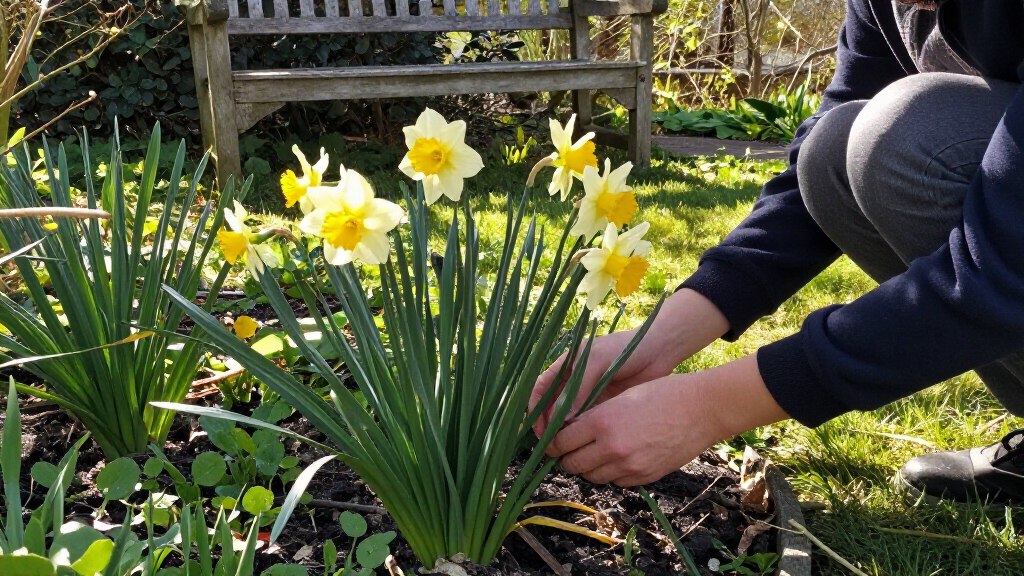
Sources report that this less conspicuous, fragrant daffodil is gaining attention for its ability to thrive in a variety of climates, withstand harsh conditions better than many classic yellow varieties. The plant’s long lifespan and resistance to pests and diseases make it a preferred choice for gardeners seeking low-maintenance, reliable blooms. While the specific variety has not been officially named or marketed as a replacement, anecdotal evidence suggests a growing preference among gardening enthusiasts.
Search interest for this type of daffodil has spiked over recent months, according to gardening trend trackers. Experts note that although the trend is still emerging, the plant’s aromatic qualities and durability are key factors driving its popularity. The shift appears to be informal, with nurseries and gardening communities adopting the variety gradually, rather than through a formal industry announcement.
Implications for Gardeners and the Nursery Industry
This trend indicates a potential paradigm shift in daffodil cultivation, where gardeners prioritize fragrance, resilience, and longevity over traditional aesthetics. If the pattern continues, it could influence nursery offerings, with more growers propagating and marketing this type as a standard alternative to classic yellow varieties. The change may also impact breeding priorities, emphasizing traits like scent and durability.
Popular right now

Bose QuietComfort Ultra Earbuds (2nd Gen), Wireless Noise-Cancelling Earbuds, Black

Shark Pet Cordless Stick Vacuum, Up to 40-Minute Runtime, Lightweight, IX141

Dyson Cyclone V10 Origin Cordless Vacuum
As an affiliate, we earn on qualifying purchases.
Historical Preference for Classic Yellow Daffodils
Traditional yellow daffodils have been a staple in gardens worldwide for centuries, valued for their bright, cheerful appearance and early spring bloom. However, recent years have seen increased interest in more diverse and aromatic varieties, driven by gardeners seeking plants with sensory appeal and greater resilience. The current rise in search interest and anecdotal reports suggests this new variety is part of a broader trend toward more sustainable, fragrant, and durable flowering bulbs.
Unconfirmed Industry Adoption and Official Recognition
It remains unclear whether this daffodil variety will be formally recognized by horticultural authorities or become a standard in commercial nurseries. No official breeding program or cultivar registration has been announced, and the trend is currently based on anecdotal evidence and search interest data. Further industry adoption could take months or years to materialize, or it may remain an informal preference among gardeners.
Monitoring Adoption and Breeding Developments
Horticultural organizations and breeders are likely to observe this trend closely. Future developments may include official cultivar registration, targeted breeding programs, and increased nursery offerings. Gardeners and industry observers should watch for formal announcements, new product releases, and further search interest metrics to gauge whether this variety will become a mainstream replacement for traditional yellow daffodils.
Key Questions
What makes this daffodil different from traditional yellow varieties?
This daffodil is noted for its pleasant fragrance, long lifespan, and resilience, making it a durable and sensory-rich alternative to classic yellow types.
Is this variety officially recognized or available commercially?
Currently, there is no official cultivar registration or widespread commercial availability. The trend is mainly based on anecdotal reports and increased search interest among gardeners.
Why are gardeners preferring this new variety?
Gardeners appreciate its fragrance, durability, and low maintenance, which offer advantages over traditional yellow daffodils in various growing conditions.
Will this trend continue or lead to industry-wide changes?
It is still uncertain. Industry adoption depends on further breeding, official recognition, and nursery offerings, which may take time to develop.
Can I plant this daffodil in my garden now?
Until it is officially available, gardeners should watch for future nursery releases or propagation advice from trusted sources.
Source: rss