TL;DR
Listen free for 30 days with Audible
Thousands of audiobooks and originals — cancel anytime.
Start your free trialAs an affiliate, we earn on qualifying purchases.
Ramada builds generally offer greater durability in desert climates due to sturdy materials and robust construction. Gazebo kits are easier and cheaper but may need extra treatments to withstand extreme heat and sand. Both are improving with new materials and design tweaks.
When it comes to outdoor shelters in desert zones, durability isn’t just a buzzword — it’s a necessity. You need something that can handle relentless sun, shifting sands, and scorching temperatures without falling apart. That’s where the debate between a Ramada build and a gazebo kit heats up.
In this guide, I’ll walk you through what makes each structure stand up — or fall short — in desert conditions. Whether you’re planning a permanent retreat or a casual shade spot, understanding these factors can save you time, money, and frustration in the long run.
A well-built Ramada with weather-resistant materials can last over 20 years in desert climates, making it a solid long-term investment.
Vinyl and coated metal gazebos resist UV damage better but still require regular upkeep to match Ramada longevity.
Design features like reflective roofing and overhangs significantly boost desert resilience for both structures.
Initial cost is higher for Ramadas, but their durability often outweighs the cheaper, shorter-lived gazebos.
Recent innovations like UV-resistant composites and solar upgrades are making all outdoor structures more desert-proof than ever.
Ramada Build vs Gazebo Kit: Desert Durability Factors
Relentless sun, shifting sands, and scorching temperatures separate true desert shelters from fair-weather decor. Here is how a Ramada build stacks up against a gazebo kit when the mercury hits 115°F — and what it means for your time, money, and shade.
“A well-built Ramada using powder-coated steel or treated wood can last over 20 years with minimal upkeep, while standard gazebos often need replacement or major repairs far sooner.”
— Desert durability benchmarkTwo Shelters, Two Philosophies
Ramadas are engineered for permanence with robust foundations on desert terrain; gazebo kits favor speed, cost, and aesthetics. In extreme heat, those priorities diverge sharply.
Built Tough for the Desert
- Powder-coated steel frames resist corrosion and the expansion–contraction cycle that warps exposed metal.
- Overhanging roofs block the sun’s worst rays, cutting interior heat and protecting structure from UV.
- A Phoenix steel-frame Ramada holds shape through 115°F highs and years of sandstorms without rusting.
- Permanent, robust foundations designed specifically for unstable desert terrain.
Convenient — With Conditions
- Vinyl and coated metal resist UV and rarely warp; wood cracks, splits, and warps without treatment.
- A UV-coated vinyl gazebo can last a decade-plus in the Mojave — but only with proper maintenance.
- Wooden kits need annual sealants and UV inhibitors or the timber turns brittle and cracks.
- Easy initial assembly, yet upkeep in remote desert locations can become a real burden.
Desert Durability Compared
Ramadas lean on inherently resilient materials; gazebos often rely on treatments and finishes to reach comparable durability — usually at higher long-term cost.
| Feature | Ramada | Gazebo Kit |
|---|---|---|
| Materials | Steel, treated wood, weather-resistant coatings | Wood, vinyl, metal |
| UV & Sun Resistance | High — especially with powder coating | Moderate–high with UV-resistant finishes |
| Corrosion & Rust | Low with proper coating | Vinyl/coated metal resist; wood needs treatment |
| Warpage / Cracking | Rare — sturdy materials | Possible in wood without treatments |
| Desert Longevity | 20+ years with maintenance | 10–15 years untreated; longer with care |
Features That Boost Desert Resilience
Smart design choices can dramatically extend longevity and comfort for either structure — small tweaks, big returns in the desert.
Reflective Roofing
White or metallic finishes reflect sunlight and can cut interior temperatures by up to 20°F, easing thermal fatigue from expansion and contraction cycles.
Steep Roof Pitch
Sheds sand and rain efficiently, preventing accumulation that weakens the structure or causes water damage over time.
Overhanging Eaves
Extra shade lowers interior heat and shields walls from direct UV degradation — protection that is functional, not just aesthetic.
Ventilated Roofs
Improved airflow keeps shaded areas cooler and reduces heat buildup that would otherwise degrade materials in hot, dry climates.
Reinforced Frames
Prevent bending and warping under wind and sand stress — a critical upgrade for gazebo kits facing desert gusts.
UV-Resistant Coatings
Extend the life of wooden and metal components alike, delaying the brittleness, fading, and cracking caused by relentless sun.
Desert Lifespan at a Glance
Higher upfront Ramada cost is often outweighed by decades of low-maintenance service — while cheaper gazebos trade initial savings for ongoing upkeep.
Maintenance Tasks for Desert Durability
Both structures demand regular care in desert zones — the difference is how much, and how often.
Inspect
Check for rust, corrosion, and UV damage — especially after sandstorms and peak summer.
Clean
Remove accumulated sand and grit that abrade coatings and trap heat against surfaces.
Protect
Apply sealants, rust inhibitors, and touch-up weather-resistant coatings where needed.
Repeat
Ramadas: periodic recoating. Gazebo wood: annual sealants and UV inhibitors.
What to Remember
Five essentials before you commit to a desert shelter.
A well-built Ramada with weather-resistant materials can last 20+ years in desert climates — a solid long-term investment.
Vinyl and coated metal gazebos resist UV damage better, but still need regular upkeep to match Ramada longevity.
Design features like reflective roofing and overhangs significantly boost desert resilience for both structures.
Ramadas cost more upfront, but durability usually outweighs cheaper, shorter-lived gazebo kits.
UV-resistant composites and solar upgrades are making all outdoor structures more desert-proof than ever.
What makes a Ramada built tough enough for desert heat?
A Ramada is designed with durability in mind. It’s often constructed from steel or treated wood that can handle intense sunlight and sandy winds. The choice of materials is critical because desert conditions are harsh — high UV exposure, temperature fluctuations, and abrasive sand can quickly degrade inferior materials, leading to costly repairs or replacements.
For example, a Ramada with powder-coated steel supports resists corrosion caused by the desert’s high temperatures and occasional moisture, which is crucial since metal exposed to intense sun can expand and contract, causing warping if not properly coated. The roof overhangs and shading extend to block the sun’s worst rays, reducing interior temperatures and protecting structural elements from UV degradation. These design features are not just aesthetic but serve to extend the lifespan by minimizing environmental stress.
Imagine a Ramada in Phoenix, Arizona — the steel frame doesn’t warp under 115°F summer highs, and the weather-resistant coating prevents rust even after years of sandstorms. This resilience directly translates into fewer repairs and a longer-lasting outdoor shelter, making it a wise investment for desert dwellers who need reliable shade and shelter year-round.
As an affiliate, we earn on qualifying purchases.
How do Gazebo kits handle desert conditions?
Gazebo kits usually come from materials like wood, vinyl, or metal. In desert settings, the performance of these materials depends heavily on their ability to resist environmental stressors. Metal and vinyl are generally more resistant to UV damage and do not warp easily, which is vital in high-temperature, sandy environments. Wooden gazebos, on the other hand, are more susceptible to cracking, splitting, and warping due to UV exposure, temperature swings, and sand abrasion.
For instance, a vinyl gazebo with a UV-resistant coating can last over a decade in the Mojave Desert, but only if it’s properly maintained. Wooden gazebos, despite being aesthetically pleasing, require regular treatments — like sealants and UV inhibitors — to avoid deterioration. Without these, the wood can become brittle and develop cracks, compromising structural integrity and aesthetic appeal. This highlights a key tradeoff: while wooden gazebos can be more visually appealing and customizable, their durability heavily depends on ongoing maintenance, which can be burdensome in remote or harsh environments.
Picture a homeowner in Nevada assembling a kit that’s partially pre-treated. It’s easier to manage initially but still needs frequent upkeep to stay looking good and functioning in extreme heat. This ongoing maintenance can be a significant consideration for those seeking a low-maintenance, long-lasting outdoor shelter in the desert. The choice of materials impacts not just initial cost but also the long-term effort required to keep the structure resilient against the relentless desert elements.
UV resistant gazebo for desert climate
As an affiliate, we earn on qualifying purchases.
As an affiliate, we earn on qualifying purchases.
Compare material durability in desert environments: Ramada vs Gazebo
| Feature | Ramada | Gazebo Kit |
|---|---|---|
| Materials | Steel, treated wood, weather-resistant coatings | Wood, vinyl, metal |
| Resistance to UV & Sun Damage | High, especially with powder coating | Moderate to high with UV-resistant finishes |
| Corrosion & Rust | Low, especially with proper coating | Vinyl and coated metals resist rust better; wood needs treatment |
| Warpage/Cracking | Rare, due to sturdy materials | Possible in wood without treatments |
| Longevity in Desert | 20+ years with maintenance | 10-15 years if untreated, longer with care |
This comparison underscores the importance of material choice and maintenance in desert environments. While Ramadas leverage materials that inherently withstand environmental stressors, gazebos often rely on treatments and finishes to achieve comparable durability. The tradeoff lies in initial cost versus long-term resilience; investing in high-quality, UV-resistant materials for gazebos can significantly extend their lifespan, but often at a higher upfront cost. Understanding these nuances helps in making informed decisions aligned with long-term outdoor living goals.
As an affiliate, we earn on qualifying purchases.
Design features that boost desert resilience
Both structures need smart design choices to survive the desert’s extremes. These features can significantly influence how well your shelter withstands the environment and how much maintenance it requires over time.
A Ramada with a steep roof pitch helps shed sand and rain, preventing accumulation that could weaken the structure or cause water damage. An overhanging eave provides extra shade, reducing interior temperatures and protecting walls from UV degradation. Using reflective roofing materials, such as white or metallic finishes, can reflect sunlight, dramatically reducing heat absorption and interior temperatures by up to 20°F. This not only enhances comfort but also reduces material fatigue caused by thermal expansion and contraction.
For gazebos, choosing reinforced frames and UV-resistant finishes makes a big difference. Reinforced frames prevent bending or warping under wind and sand stress, while UV-resistant coatings extend the life of wooden or metal parts. Adding a ventilated roof improves airflow, which is critical in hot, dry climates, helping keep the shaded area cooler and reducing heat buildup that can degrade materials. Small design tweaks like these can significantly boost longevity, reduce maintenance needs, and improve user comfort, making your outdoor space more resilient in the long run.
desert weatherproof outdoor gazebo
As an affiliate, we earn on qualifying purchases.
As an affiliate, we earn on qualifying purchases.
Maintenance tasks for desert durability — what to expect
In desert zones, both structures require regular upkeep to maintain their durability and appearance. Ramadas benefit from periodic repainting or recoating with weather-resistant paint, which protects against the corrosive effects of sand and high temperatures. Inspecting for rust or corrosion, especially after sandstorms, is essential to prevent structural failure. Applying rust inhibitors and touch-up coatings can prolong the lifespan significantly, ensuring the structure remains sturdy and visually appealing.
Gazebo owners should regularly inspect for UV damage, especially on wooden parts prone to cracking or splitting. Applying sealants annually, cleaning off accumulated sand, and resealing wooden components are vital steps to prevent deterioration. Using UV inhibitors and reflective paints can also help preserve the integrity of the materials, reducing the frequency of repairs. For example, a Ramada that gets repainted every 3-5 years can stay rust-free longer, while a vinyl gazebo, with just a quick wash and UV treatment, can maintain optimal condition for over a decade. These routines are crucial for maximizing the lifespan of your outdoor shelter amid the harsh desert environment.
Cost and lifespan: what’s really worth your money?
Ramada builds tend to cost more upfront. You’re paying for heavy-duty materials, professional construction, and often more complex design features that enhance durability. While the initial investment is higher, these structures can last over two decades with minimal issues, translating into long-term savings and fewer replacements.
Gazebo kits are generally more affordable and easier to assemble, making them attractive for quick setup. Most last around 10-15 years, especially if you invest in UV-resistant finishes and regular maintenance. The lower initial cost can be appealing, but frequent replacements or repairs may accumulate over time, potentially offsetting initial savings. For example, a homeowner spending $5,000 on a Ramada that lasts 25 years might find it more cost-effective than a $2,500 gazebo needing replacement after 12 years. Evaluating these factors helps in choosing a structure that aligns with your budget, maintenance capacity, and long-term outdoor living plans.
Latest innovations making both structures more desert-proof
Recent advances in materials and design are revolutionizing outdoor structures in desert environments. UV-resistant composites, powder-coated metals, and treated woods now offer significantly longer lifespans and require less maintenance. These materials can withstand intense sun, sand abrasion, and temperature swings better than ever before.
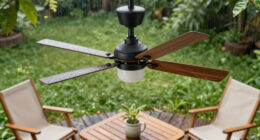
Modular designs enable customization for specific desert landscapes, allowing for tailored resilience features such as reinforced joints, integrated shading, or solar-powered amenities. Solar-powered fans, reflective roofing, and smart ventilation systems are increasingly common upgrades that improve comfort and durability. For instance, a Ramada equipped with solar-powered ceiling fans and reflective roof panels can significantly reduce interior temperatures and prolong material life by decreasing thermal stress. These innovations extend the functional lifespan of outdoor shelters and make them more sustainable and comfortable, even in the most extreme desert conditions.
Quick tips: how to choose the best for your desert yard
- Pick materials like powder-coated steel or UV-treated vinyl for longevity, as these resist corrosion and UV breakdown, minimizing long-term repairs.
- Prioritize overhanging roofs and reflective surfaces to beat the heat, reducing interior temperatures and protecting against UV damage.
- Invest in UV-resistant finishes and schedule regular maintenance, such as sealing and cleaning, to extend your structure’s lifespan and preserve its appearance.
- Consider size and placement carefully to minimize sand accumulation and maximize shade, which can significantly impact durability and comfort.
- Explore modular options that allow for easy upgrades and repairs, keeping your outdoor shelter resilient as conditions evolve.
Frequently Asked Questions
Which lasts longer in desert conditions, a Ramada or a Gazebo?
A Ramada built with weather-resistant steel or treated wood can last over 20 years with proper maintenance, while a gazebo generally lasts 10-15 years unless it’s made from high-grade, UV-resistant materials.Can I customize a gazebo kit for better desert resilience?
Yes. You can choose UV-resistant finishes, reinforce the frame with metal supports, and add reflective roofing or shading fabrics. Regular maintenance like sealing and cleaning also helps extend its lifespan.What are the biggest maintenance tasks for desert outdoor structures?
Both require routine inspections. Ramadas benefit from periodic repainting or recoating, checking for rust. Gazebos need UV protection treatments, cleaning off sand, and resealing wooden parts annually to prevent cracking.Is the initial cost of a Ramada worth it?
While the upfront investment is higher, a Ramada’s longevity — often 20+ years — can save money over time by avoiding frequent replacements. It’s a smart choice for those seeking durability.What recent innovations help structures withstand desert conditions better?
UV-resistant composites, powder-coated metals, reflective roofing, and solar-powered fans are transforming outdoor structures, making them more resilient, cooler, and easier to maintain in desert climates.Conclusion
Choosing between a Ramada build and a gazebo kit boils down to your priorities: longevity versus ease of setup. In desert conditions, durability wins. A sturdy, well-designed Ramada using modern materials can stand strong for decades, while a good-quality gazebo offers quick shade with less initial investment but shorter lifespan.
Think about your long-term plans, maintenance capacity, and budget. With the right materials and design tweaks, either can serve you well in the desert’s relentless heat. The key is smart choices today for a lasting outdoor retreat tomorrow.
Flea & tick season Picks
flea and tick prevention
As an affiliate, we earn on qualifying purchases.