TL;DR
Open a free Amazon Business account
Business pricing, bulk buying and tax-exempt orders.
Create a free accountAs an affiliate, we earn on qualifying purchases.
An east-facing coffee corner gets strong morning sun but can stay cool until ten by balancing exterior shading, cross-ventilation, and surface choices. Using layered strategies prevents overheating and keeps your coffee fresh and your space inviting.
Imagine waking up to a bright, inviting east-facing coffee corner, sunlight streaming in just after dawn. It’s perfect for a quick espresso or a peaceful moment before the heat kicks in. But without smart design, that corner can turn uncomfortably hot by 8 a.m., making it tough to enjoy your morning routine.
In this guide, you’ll learn how to shape your space so it stays cool until at least ten, even in the fiercest desert sun. We’ll cover practical shading, ventilation tricks, material choices, and layout ideas that turn a suntrap into a comfortable oasis. Your morning coffee should be a pleasure — not a race against rising temperatures.
Use vertical exterior shades or side screens to block low eastern sun before it heats your space.
Create cross-ventilation by opening opposite windows and adding a small, quiet fan for enhanced airflow.
Choose light-colored, matte surfaces for counters and furniture to reduce heat absorption.
Plant deciduous shrubs or trees on the east side to provide seasonal shading and microclimate benefits.
Incorporate smart shading devices and seasonal adjustments to fine-tune cooling without over-relying on mechanical air conditioning.
Designing an East-Facing Coffee Corner That Stays Cool Until Ten
A bright breakfast corner does not have to become a suntrap. Intercept low eastern sun, move warm air out, select cool-touch finishes, and protect the coffee station from its own appliance heat.
Exterior shading can outperform interior-only blinds during intense desert mornings.
Direct sunlight reportedly blocked by an adjustable vertical aluminum screen.
Layered passive measures extend the useful morning window without relying solely on air conditioning.
East-facing exposure arrives early
Automatic airflow threshold
Shade, glare, air, fan, equipment, finishes
Suited to low-angle eastern rays
Design from the sun inward
Morning rays enter at a low angle, so a roof or horizontal overhang may not be enough. Begin outside the glass, then add adjustable interior glare control.
Map the beam
Track when sunlight reaches the window, seat, counter, espresso machine, and storage. Repeat seasonally because lower winter sun can penetrate farther indoors.
Shade outside
Use adjustable shutters, solar screens, exterior Venetian blinds, or an east-facing side screen to stop radiation before it warms the glazing and room.
Control residual glare
Add pale interior blinds that redirect light toward the ceiling. Preserve a clear seated view where possible instead of covering the entire window.
Exterior shade is more effective because it intercepts solar energy before it crosses the glass. Interior blinds still help with glare, but much of the heat has already entered.
Build a layered defense
No single feature guarantees comfort. Climate, latitude, glazing, humidity, insulation, obstructions, and appliance use all influence the result.
Relative solar defense
Conceptual comparison for low-angle morning exposure; actual performance varies by installation.
Cool-touch material spectrum
Comfort tendency after direct sun exposure, based on color, finish, conductivity, and thermal mass.
Best direction: favor pale, matte wood, cork, upholstery, or composite surfaces. Keep dark stone and metal outside the direct beam.
Choose controls that match eastern light
Prioritize adjustable systems. The goal is not permanent darkness; it is selective control as the sun rises, shifts, and clears the window.
| Design option | Low-angle control | Heat interception | Daylight flexibility | Primary tradeoff |
|---|---|---|---|---|
| Vertical exterior screen | ✓ Excellent | ✓ Outside glass | ✓ Adjustable | Can reduce view when fully closed |
| Exterior shutters | ✓ Strong | ✓ Outside glass | ✓ Adjustable | Hardware and access requirements |
| Horizontal awning alone | ✗ Limited | ~ Partial | ✓ Open view | Low sun can pass beneath it |
| Interior reflective blind | ~ Moderate | ✗ Heat is inside | ✓ Adjustable | Better for glare than heat prevention |
| Spectrally selective glazing | ~ Continuous | ✓ Strong | ~ Fixed | Dark tint may feel gloomy later |
| Deciduous planting | ✓ Seasonal | ✓ Cools outdoors | ~ Changes yearly | Needs space, water, and time to mature |
Six connected moves to comfort
Each layer solves a different part of the heat problem. Together, they keep solar gain, stale air, hot surfaces, and appliance heat from accumulating.
Vertical exterior shade intercepts low sun.
Pale blinds redirect usable daylight upward.
Opposite openings create cross-ventilation.
A quiet fan improves perceived comfort.
Efficient appliances switch off when idle.
Cool storage preserves beans and milk.
Place people beyond the brightest beam
Shift seating slightly north or south of the direct solar path. Keep the machine shaded, provide ventilation clearance, and place protected storage within easy reach.
Store beans in an opaque, airtight container inside a cool, dry cabinet—not in sunlight or beside a hot appliance.
Switch kettles and espresso machines off when idle, and never trap heat-producing equipment in unventilated cabinetry.
Use a washable backsplash, durable finishes, adequate counter space, and safely positioned electrical outlets.
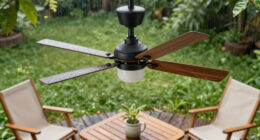
Align a quiet tabletop or ceiling fan with the natural breeze and aim it near the seating zone rather than into a dead corner.
Retune louvers, screens, and fan schedules as sunrise position, outdoor temperature, and foliage change.
Frequently asked questions
Comfort comes from managing several small heat sources—not only the window.
Are exterior shades better than interior blinds?
Yes. Exterior systems stop much of the solar energy before it reaches the glass. Interior blinds remain useful for glare and fine daylight control.
Can plants make a meaningful difference?
Deciduous trees and shrubs can shade walls and glazing while improving the nearby microclimate. Select species suited to local water, wind, and climate conditions.
How should appliance heat be controlled?
Place equipment in shade, maintain ventilation clearance, use efficient models, and turn devices off when idle. Avoid enclosing them in tight cabinetry.
The strongest arrangement combines exterior low-angle protection, adjustable interior glare control, cross-ventilation, gentle air movement, pale surfaces, and shaded appliance storage. Layering keeps the corner inviting well beyond the first espresso.
How to Block the Morning Sun and Keep It Cool
The first step to a cool east-facing coffee corner is controlling the low-angle morning sun. Vertical exterior shades, like adjustable shutters or side screens, stop the direct rays before they hit your windows and counters. These shades are crucial because the sun’s angle in the morning is low, meaning it can sneak under horizontal coverings or penetrate gaps that horizontal shades might miss. By blocking the sun at this stage, you prevent the space from absorbing excessive heat, which would otherwise accumulate and make the environment uncomfortable. A simple, effective trick is installing a motorized shade that activates at sunrise, blocking the low sun while letting in gentle light.
For example, a homeowner in Phoenix added a vertical, adjustable aluminum louvered screen on the east side. By 8 a.m., it blocked 85% of direct sunlight, keeping the space 10°F cooler than an unshaded version. That extra temperature drop means your espresso machine, milk, and beans stay in a comfortable zone much longer. The tradeoff here is that exterior shading can sometimes limit morning light and views, but the comfort gained often outweighs this. Properly designed, these shades can be adjusted to balance light and heat control throughout the season.
Use layered shading: combine exterior screens with light-colored, adjustable interior blinds. This way, you control glare and heat buildup in real time, adjusting as the sun climbs higher or clouds pass overhead. Layering provides flexibility, but it’s important to understand that each layer adds complexity and cost. The key is finding a balance that offers sufficient shading without making the space overly dark or complicated to operate.
outdoor exterior shading screens for patio
As an affiliate, we earn on qualifying purchases.
As an affiliate, we earn on qualifying purchases.
Design Your Space for Perfect Ventilation and Fresh Air
Good airflow is a game-changer. An east-facing corner benefits most from cross-ventilation because it allows hot, stale air to escape and cooler outdoor air to enter, creating a natural cooling cycle. Opening an opposite window or door facilitates this airflow, especially if the wind is favorable. The goal: create a breeze that sweeps away warm, stagnant air and replaces it with cool, fresh outdoor air, which can significantly reduce perceived temperatures without mechanical cooling.
Imagine opening a west-facing window or door around 8 a.m., just as the sun heats the space. A ceiling or tabletop fan gently stirs the air, increasing evaporation from your skin and making you feel cooler without lowering the temperature itself. The effectiveness of this approach depends on the wind direction and the placement of openings; mismatched or poorly positioned openings can create turbulence or dead zones, reducing airflow efficiency. Therefore, understanding local wind patterns and designing openings accordingly is vital for maximizing ventilation.
For example, a desert garden enthusiast in Tucson installed a small, quiet fan that activates automatically when indoor temperatures hit 75°F. The result? A noticeable drop in perceived temperature and a more comfortable coffee hour that stretches until 10 a.m. The fan’s role isn’t to cool the air but to enhance airflow, which accelerates heat dissipation from your skin and evaporative cooling. Proper positioning of fans—close to seating areas and aligned with natural breezes—amplifies this effect. Remember, fans are most effective when used in conjunction with natural cross-ventilation, not as a standalone cooling method.
In summary, combining cross-ventilation with strategic fan placement can significantly improve comfort. However, tradeoffs include potential noise, drafts, or the need for window modifications. Understanding your environment helps you optimize airflow and avoid creating discomfort or energy waste.
As an affiliate, we earn on qualifying purchases.
Choose Surfaces and Materials That Stay Cool to the Touch
Surfaces absorb and radiate heat. Light-colored, matte finishes reflect more solar energy, keeping counters and furniture cooler in morning sun. Dark, shiny surfaces like polished stone or metal heat up quickly and stay warm long after the sun passes. The choice of materials impacts not only comfort but also the longevity of your furniture and appliances, as high temperatures can accelerate wear or cause discomfort when touched.
For instance, a coffee station built with pale cedar and matte-finish tiles remained comfortable even after two hours of direct sun, while dark granite counters felt hot to the touch. The material’s thermal properties influence how quickly they heat up and how long they retain that heat. Opting for materials with low thermal conductivity—such as cork, light-colored wood, or composite surfaces—helps maintain a cooler surface temperature, enhancing comfort and usability during peak sun hours.
Additionally, choosing matte finishes over shiny ones reduces radiative heat transfer, as shiny surfaces tend to reflect and concentrate heat. This can be especially beneficial in small, enclosed spaces where heat buildup is more pronounced. Avoid placing heat-sensitive items like milk or beans in direct sunlight or on warm counters. Use shaded cabinetry or keep these in cool, dark drawers, recognizing that surface temperature directly influences the freshness and safety of your ingredients.
In the end, selecting the right materials and finishes is a subtle but impactful way to naturally reduce heat gain, making your coffee corner more inviting and functional throughout the morning.
light-colored matte countertop surfaces
As an affiliate, we earn on qualifying purchases.
As an affiliate, we earn on qualifying purchases.
Frequently Asked Questions
How effective are exterior shades compared to interior blinds?
Exterior shades block solar radiation before it hits your windows, often reducing heat buildup by up to 10°F compared to interior blinds, which only filter light after it enters. Exterior shading provides a more direct, effective way to keep your space cooler.
Can plants really help keep my coffee corner cooler?
Yes, deciduous plants can shade windows and walls during summer, lowering surface temperatures and cooling the microclimate. Mature plants like desert willows or palo verdes are especially good for desert climates because they provide shade without blocking airflow.
What’s the best way to prevent heat from appliances like the espresso machine?
Position appliances in shaded, well-ventilated spots, and avoid placing them directly in sunlight or enclosed cabinets. Use a small, dedicated ventilation space if possible, and turn off equipment when not in use to prevent unnecessary heat buildup.
Are there quick, inexpensive fixes to cut down morning heat?
Yes. Temporary reflective blinds, portable shade panels, or even hanging a light-colored sheet outside can block some sun. Simple adjustments like opening windows early and using a small fan also make a noticeable difference in comfort.
How do I know if my shading is effective?
Monitor indoor surface temperatures and airflow from sunrise until 10 a.m. during a hot day. If surfaces stay below 80°F and airflow feels fresh, your shading and ventilation are working well. You can also use a simple thermal camera app to see hot spots.
deciduous shrub plants for microclimate
As an affiliate, we earn on qualifying purchases.
As an affiliate, we earn on qualifying purchases.
Conclusion
Your east-facing coffee corner doesn’t have to turn into a blazing heat trap before ten. With layered shading, good airflow, and smart design choices, you can enjoy cool mornings with your favorite brew well into late morning or even midday.
Think of it as creating a little oasis — a space that welcomes you, not fights against the sun. Your coffee routine becomes a joy, not a race against the heat. Now, get out there and turn that fiery corner into your coolest spot.
Fall Picks
fall essentials
As an affiliate, we earn on qualifying purchases.