TL;DR

Get garden gear delivered free with Prime
- Fast, free delivery on millions of items
- Prime Video, Amazon Music and more included
- Member-only deals all year
Outdoor fabrics that survive desert UV pair proven fade resistance with a sturdy construction suited to their job. Compare solution-dyed acrylic, polyester, and olefin using the same rating method, then factor in heat, dust, seams, and care; a UV label alone cannot predict how long a cushion or shade will last.
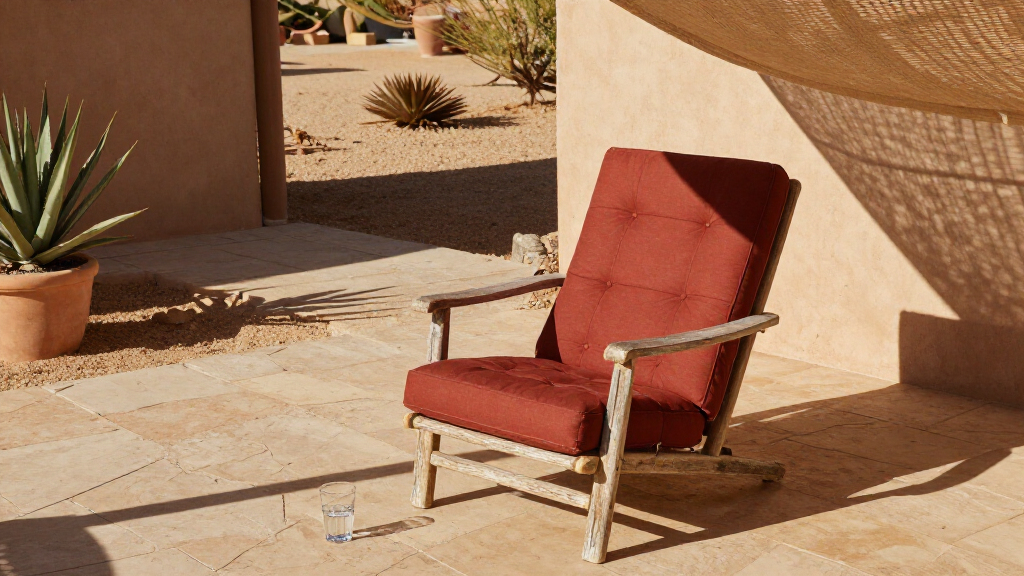
A patio cushion can look sun-bleached before the first summer is over, even when its tag says “outdoor.” In Arizona, the sun is not a seasonal visitor; it is part of the furniture’s daily workload. Add blowing dust, hot fabric, and the occasional monsoon splash, and a pretty swatch has a lot to prove.
This guide helps you choose outdoor fabrics that survive desert UV by looking beyond a single rating. You’ll learn how fiber, dye, weave, color, and care work together, plus what to ask before buying cushions, umbrellas, or awnings. Think of the fabric like a roof: the surface matters, but the layers and seams decide how it holds up.
A practical choice balances fade resistance, comfort, price, and upkeep. For example, the best cushion fabric for a shaded Phoenix porch may not be the best choice for an umbrella over a west-facing table. Match the fabric to the exposure and job, and you can spend less time replacing covers and more time enjoying the shade.
Compare UV or colorfastness ratings only when the test method and product category match.
Solution-dyed acrylic is a common cushion and shade choice; polyester and olefin performance varies by product and formulation.
Choose a sturdy weave and outdoor-ready seams, foam, and closures for cushions that see daily use.
Light colors can feel cooler in full sun, while mid-tones may hide dust better; test a swatch in your own patio conditions.
Brush off grit, follow the maker’s cleaning directions, let damp covers dry, and store cushions during long periods of nonuse.
DESERT FIELD GUIDE / MATERIALS
Outdoor Fabrics That Survive Desert UV: What to Look For
Arizona sun, blowing dust and sudden moisture put outdoor textiles to work every day. Choose by tested fade resistance, sturdy construction and the demands of the spot—not by an “outdoor” tag alone.
Compare materials by the job they do
No fiber wins every category. Compare a tested product’s fade performance, feel, price and intended use together. A cushion and a tensioned awning need different things.
| Fiber | Fade outlook | Feel / benefit | Watch for | Often suits |
|---|---|---|---|---|
| Solution-dyed acrylic | Strong general choice | Soft hand, color retention | Compare exact test and price | Cushions, shade |
| Solution-dyed polyester | Varies by product | Strength; often lower cost | Check formulation and use rating | Budget covered seating |
| Olefin / polypropylene | Varies by stabilizers | Lightweight; moisture and mildew resistance | Heat tolerance differs | Use-specific outdoor textiles |
| Cotton / untreated linen | Needs protection | Familiar, relaxed feel | More care in exposed sun | Covered areas, stored cushions |
Ratings are not interchangeable. Ask for the technical sheet, test method, intended-use category and warranty exclusions before comparing claims.
Use the five-step check
Work through these decisions in order. The sequence helps you judge whether a fabric suits its real exposure and workload.
Build for grit, pull and daily use
A fade-resistant fiber can still disappoint if dust works into a loose weave or a seam fails. Shop for the stresses your item will face.
Inspect the whole cover
Look for a firm weave, reinforced stitching and a removable cover. Confirm the zipper and foam are intended for outdoor use, too.
Check tension and tear
Ask about fabric weight, tear strength and design for wind exposure. A soft upholstery fabric may not suit a taut canopy.
Match the structure
Choose a fabric made for overhead use and sustained pull. Verify care instructions and warranty coverage for that application.
Dust is abrasive. A tight, sturdy weave tends to resist grit and abrasion better than an open weave. Brush or rinse regularly, and avoid harsh cleaners or pressure washing unless the maker permits them.
Balance heat, dirt and water
Color and finishes solve different problems. Consider where the fabric sits, what you can clean and whether you can add shade.
Choose for the patio, not the showroom
Dark fabric can get hotter in direct sun. Light fabric often shows dust more readily. A mid-tone or pattern may balance comfort and cleanup. Test a swatch outside if possible.
Drying still matters in the desert
Monsoon rain, irrigation spray and overnight condensation can dampen cushions. Breathable fabric can help them dry; water-repellent finishes may shed occasional moisture, but neither makes fabric waterproof. Coatings can wear off.
Care routine: Brush off grit, follow maker directions, let damp covers dry fully and store cushions during long periods of nonuse.
From patio conditions to a better match
Start with the UV rating, then check how it was tested
Outdoor fabrics that survive desert UV have a stated fade or UV rating you can compare, but the number only helps when you know its test method and warranty terms. Ratings can use different standards, so two labels may not describe the same test. Look for the method, the intended use, and what the warranty excludes before treating a claim as meaningful.
Ask the seller for the technical sheet if the hangtag gives only a vague phrase like “UV resistant.” Check whether the fabric is meant for upholstery, shade sails, or awnings; those jobs put fabric under different stress. A cushion cover faces rubbing and spills, while a tensioned awning must cope with pull and wind. A rating on one use does not automatically settle the other.
Consider a Tucson homeowner choosing between two similar blue cushion covers. One lists a colorfastness result and explains its testing, while the other says only “fade resistant.” The first gives you a basis for comparison, though it still cannot promise a precise lifespan on a blazing west-facing patio. Compare like with like, and treat the warranty as a record of the maker’s limits, not a guarantee that every desert condition is covered.
UV resistance is one part of durability, alongside fiber, weave, seams, and care. Ask whether the warranty covers fading, mildew, or damage from extreme heat. The answer may vary by product and region, so read the exclusions before you buy.
Popular right now

Dyson Airwrap i.d. Multi-Styler for Straight and Wavy Hair

Ninja DualZone 6-in-1 Air Fryer, 8-Qt, Grey, DZ801

Bose QuietComfort Wireless Noise Cancelling Headphones, Sandstone
As an affiliate, we earn on qualifying purchases.
Choose solution-dyed fibers when color matters most
Solution-dyed fabric gets its pigment before the fiber is formed, so color runs through the fiber rather than sitting only on its surface. That process generally gives it better fade resistance than fabric dyed after weaving. For a sofa cushion or shade sail left in strong sun, it is a useful feature to seek, though product performance still varies.
Solution-dyed acrylic is a common choice for cushions and shade because it pairs strong color retention with a soft hand. Solution-dyed polyester can also retain color and offer strength, often at a lower price, but compare the specific product’s testing and intended use. Olefin, also called polypropylene, is light and typically resists moisture and mildew; its long-term sun performance and heat tolerance depend on its formulation and UV stabilizers.
Natural cotton and untreated linen feel familiar and look relaxed, but in an exposed desert spot they usually need more protection and care. Picture a cotton pillow left on a Scottsdale bench: it may feel cool at breakfast, then show fading and wear after months of direct afternoon sun. Under a covered ramada, with regular storage, it could be a reasonable choice. Exposure changes the equation.
There is no fiber that wins every category. Compare fade resistance, feel, price, and intended use together. For a full-sun cushion, you might favor solution-dyed acrylic; for a budget-conscious covered seating area, a tested polyester may suit your needs better.
Match the weave and seams to the job
A tight, sturdy weave usually stands up to dust and abrasion better than a loose weave because grit has fewer openings to work into the fabric. Construction matters as much as fiber when a cover gets daily use. For an awning or umbrella, also check weight, tear strength, and whether the fabric is designed to stay under tension and face wind.
For cushions, inspect the stitching and ask whether the cover comes off for cleaning. Check that the seams, zipper, and cushion foam are also intended for outdoor use. A strong fabric can still fail where a seam pulls or water sits against an indoor-grade insert. A removable cover makes it easier to brush away dust and bring the cushion indoors during a storm.
Imagine two seat pads on a Mesa patio. The first has a loose, open weave and a fixed cover; dust settles into its texture, and a spill is hard to clean. The second has a firm weave, reinforced seams, and a removable cover. Even if both use a fade-resistant fiber, the second gives you more practical ways to manage the fine grit that blows in.
Shop by application rather than by a broad “outdoor” label. A fabric designed for an awning may have the strength and tension characteristics you need overhead, while a soft upholstery fabric may feel better under your hands. Use the construction that fits the task, then check its care instructions and warranty for that use.
Balance heat, dirt, and occasional water before picking a color
Outdoor fabrics that survive desert UV still have to feel comfortable in the heat, and color affects that experience. Dark fabric can become hotter in direct sun, while light shades often show dirt more readily. Neither color is a universal winner: choose according to where the fabric sits, how often you clean it, and whether you can add shade.
A charcoal cushion on a west-facing patio may look sharp but feel hot to sit on after a long afternoon. A pale sand cover may stay more comfortable, yet show red dust after a windy day. A mid-tone pattern can hide small marks while avoiding the heat of a very dark solid. Test a swatch outdoors if possible; a showroom’s cool lighting tells you little about a July afternoon.
Breathable fabric can help cushions dry, while a water-repellent finish may shed occasional moisture. Neither makes fabric waterproof, and coatings can wear off. In a dry climate, it is easy to forget moisture altogether, but monsoon storms, irrigation spray, and overnight condensation can dampen cushions. If water reaches the foam and lingers, drying becomes part of the care routine.
For a patio near sprinklers, move cushions before irrigation or choose covers that can dry readily. For an exposed dining set, shade and a lighter color may matter more than a water-repellent finish. Match fabric to the microclimate—the sunny corner, sprinkler reach, and wind exposure of your own yard.
Use a five-step check before you buy
To choose desert outdoor fabric, check its rating, fiber, construction, exposure, and care plan in that order. This quick sequence helps you compare products for the same job instead of getting distracted by a color or a broad “weatherproof” claim. Keep the product label or specification sheet so you can match the fabric to its warranty later.
- Name the job. Decide whether you need a cushion cover, umbrella, or awning fabric; each needs different strength and comfort.
- Check the test details. Look for a stated UV or colorfastness rating, its test method, and relevant warranty exclusions.
- Compare fiber and dye. Ask whether it is solution-dyed, and compare acrylic, polyester, or olefin products made for the same use.
- Inspect construction. Feel the weave, examine seams and closures, and check tear or tension suitability for shade structures.
- Plan for your patio. Consider direct sun, heat, blowing dust, irrigation, storage, and the maker’s cleaning instructions.
For example, if you are replacing cushions on a south-facing Phoenix patio, start with a tested upholstery fabric, then weigh fade resistance against a hot seat and the cost of storing cushions. If the furniture sits under a covered ramada, a less expensive option may perform well because it sees less direct UV. The same checklist leads to different choices because exposure changes the workload.
This process also helps you compare new features with care. Recycled fibers or fluorine-free water-repellent finishes may meet specific preferences, but those labels do not prove a fabric will last longer in desert sun. Ask for product-specific performance details, and compare options within the same category.
Brush off dust and store cushions to stretch their life
Regular dust removal helps outdoor fabric last because grit can act like fine sandpaper as people sit, lean, and shift cushions. Brush off dry dust before it gets ground into the weave, then rinse or clean only as the maker directs. Harsh cleaners and pressure washing can damage fibers, finishes, or seams, so follow the care label instead of reaching for the strongest product under the sink.
In a windy Tempe yard, a quick brush once a week may make more sense than waiting for a deep clean. If a monsoon shower soaks the cushions, stand them on edge or move them to a ventilated spot so water can drain and air can reach the cover. Store cushions when you are not using them for a stretch; reducing daily sun exposure is a simple way to slow wear.
Shade structures and covers can help, but they need suitable installation and care too. A cover that traps moisture can create its own problem, so let textiles dry before storing them. If an awning or umbrella is used in wind, follow the manufacturer’s guidance for closing or securing it; fabric can tear under tension when gusts catch it.
Think of care as sweeping a patio: a small regular habit keeps grit from building up into a bigger chore. Brush, dry, and store according to the fabric’s instructions. When a seam opens or fading becomes unacceptable, check whether repair or a replacement cover makes more sense than replacing the whole cushion.
Frequently Asked Questions
What fabric usually lasts longest in direct desert sun?
Solution-dyed acrylic is a common choice for cushions and shade because it generally resists fading well. Actual life depends on the product’s test results, construction, exposure, and care, so check the specification sheet and warranty before buying.
Is solution-dyed acrylic worth paying more for?
It can be worth the higher price when color retention matters and the fabric will sit in strong sun. For covered seating or a lower-cost project, a tested polyester may be a better fit; compare products intended for the same use.
Is UV-resistant fabric also waterproof?
No. UV resistance describes performance against sunlight or fading, while water behavior depends on the fabric and any finish. A water-repellent finish can shed some moisture, but it may wear and does not make a textile waterproof.
Do dark outdoor fabrics fade faster?
Dark fabric can get hotter in direct sun, but the color alone does not tell you how quickly it will fade. Dye method, fiber, testing, and exposure matter; compare the same type of rating and check a swatch in your patio’s light.
How do you keep desert dust from wearing down outdoor cushions?
Brush off dry dust regularly so grit does not get rubbed into the weave. Follow the maker’s cleaning directions, let covers dry after they get wet, and store cushions when they will sit unused for a while.
Are recycled or fluorine-free fabrics as durable?
Those features describe material or finish choices, but they do not by themselves prove long life in desert sun. Check the product’s use, UV or colorfastness details, construction, care instructions, and warranty for evidence about performance.
Conclusion
Choose fabric by the work it will do: direct sun, daily sitting, dust, wind, or splash. Start with a meaningful rating, then check fiber, weave, seams, color, and care instructions as one package. A shade sail and a seat cushion may share the same desert patio, but they do not need the same fabric.
Bring home a swatch and set it where the afternoon sun hits hardest. If it still looks and feels right after you see the light, heat, and dust it will live with, you are closer to a cover that belongs on your patio for seasons to come.