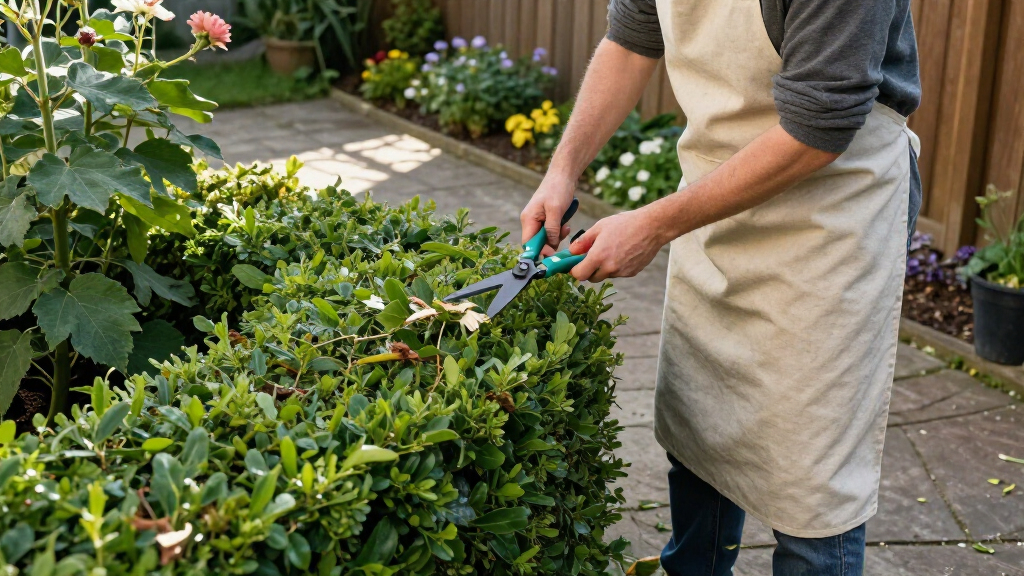
The best garden hedge plants depend on how much privacy, space, and upkeep you can manage. My best overall pick is Castle Spire Holly for its evergreen screening potential and structured form, while Thuja Green Giant suits larger, faster-growing screens and Sky Pencil Japanese Holly fits narrow spaces. The main tradeoffs are growth speed versus pruning, year-round foliage versus seasonal flowers, and mature size versus the room available. Plant size and climate suitability also affect how quickly a hedge fills in and how well it establishes. Read on for the full comparison and help matching each plant to your yard.

Get garden gear delivered free — and shop member deals
- Fast, free delivery on millions of items
- Access to Prime Big Deal Days deals on October 6–7
- Prime Video, Amazon Music and more included
Complete the kit


Key Takeaways
- Castle Spire Holly leads for an evergreen, formal screen, while Sky Pencil Japanese Holly is a better fit when planting width is limited.
- Thuja Green Giant is the large-screen option; its 18-pack favors covering a longer boundary, but it needs more room than Emerald Green Arborvitae.
- Pack size changes the value calculation. The Ligustrum 10-pack and Thuja liners can cover more ground, but smaller starts take patience before a screen looks established.
- Flowering shrubs serve a different purpose from privacy evergreens. Gardenia, spirea, Rose of Sharon, viburnum, and oleander add seasonal interest but may not form a dense year-round barrier.
- Climate and mature size matter more than a plant’s listing size. Check local hardiness and site conditions before choosing among hollies, gardenias, nandina, and other region-sensitive options.
| Proven Winners Castle Spire Holly (Ilex × meserveae), #2 Container |  | Best for Formal Evergreen Hedges | Plant type: Evergreen holly shrub | Botanical name: Ilex × meserveae ‘Castle Spire’ | Mature size: 8–10 ft H × 3–4 ft W | VIEW LATEST PRICE | See Our Full Breakdown |
| Perfect Plants Sky Pencil Japanese Holly Live Plant, 1–2 ft |  | Best Compact Column | Plant size: 1–2 ft | Mature size: 8–10 ft H × 2–3 ft W | Sun exposure: Full sun or partial shade | VIEW LATEST PRICE | See Our Full Breakdown |
| Brighter Blooms Nellie Stevens Holly Shrub, 1 Gallon |  | Best Fast-Growing Privacy Screen | Plant type: Shrub and hedge | Container size: 1 gallon | Growth rate: Up to 3 ft per year | VIEW LATEST PRICE | See Our Full Breakdown |
| Perfect Plants Podocarpus Maki Live Plant, 1 Gallon |  | Best for Warm-Climate, Low-Water Hedges | Plant type: Evergreen shrub | Container size: 1 gallon | Mature size: 8–10 ft H × 3–4 ft W | VIEW LATEST PRICE | See Our Full Breakdown |
| Costa Farms Oleander Live Plant, Pink Flowers, 2–3 Feet Tall |  | Best Flowering Hedge for Warm, Sunny Sites | Plant type: Flowering evergreen shrub | Flower color: Pink | Plant height: 2–3 ft tall; expected height listed as 96 inches | VIEW LATEST PRICE | See Our Full Breakdown |
| Perfect Plants Thuja Green Giant Arborvitae Liners, 18-Pack |  | Best Overall for Fast-Growing Privacy Screens | Pack size: 18 individual liners | Plant type: Thuja Green Giant arborvitae | Mature height: Up to 60 ft | VIEW LATEST PRICE | See Our Full Breakdown |
| Southern Living Obsession Nandina Shrub, 2 Gallon |  | Best for Colorful, Low-Maintenance Accent Shrubs | Container size: 2 gallons | USDA hardiness zones: 6–10 | Light requirements: Full sun to part shade | VIEW LATEST PRICE | See Our Full Breakdown |
| August Beauty Gardenia Shrub, 1 Gallon |  | Best Fragrant Evergreen for Small Spaces | Plant type: Evergreen shrub | Botanical name: Gardenia jasminoides | USDA hardiness zones: 7–9 | VIEW LATEST PRICE | See Our Full Breakdown |
| Perfect Plants Emerald Green Arborvitae, 1 Gallon |  | Best Compact Evergreen for Year-Round Privacy | Plant size: 1 gallon | Mature height: 8–15 ft | Mature width: 3–4 ft | VIEW LATEST PRICE | See Our Full Breakdown |
| Proven Winners Double Play Doozie Spirea Shrub, 2 Gallon |  | Best for Colorful, Seasonal Interest in Borders | Container size: 2 gallons | Mature size: 24–36 in. tall × 24–36 in. wide | USDA hardiness zones: 3–8 | VIEW LATEST PRICE | See Our Full Breakdown |
| Proven Winners Blue Chiffon Rose of Sharon Hibiscus Shrub, 2 Gallon |  | Best Overall for Floral Impact and Versatility | Botanical name: Hibiscus syriacus | Plant type: Shrub | Container size: 2 gallons | VIEW LATEST PRICE | See Our Full Breakdown |
| Ligustrum Waxleaf Privet Live Plants, 10-Pack, 2-Inch Pots |  | Best Value for Fast-Growing Privacy and Border Plants | Quantity: 10 live plants | Pot size: 2 inches | Mature height: 8–10 feet | VIEW LATEST PRICE | See Our Full Breakdown |
| Eastern Snowball Viburnum Live Plant, Quart Pot |  | Best for Showy Spring Blooms and Butterfly Attraction | Plant type: Deciduous shrub | Mature height: 8–12 feet | Mature width: 10–15 feet | VIEW LATEST PRICE | See Our Full Breakdown |
| Green Wall Willow Privacy Tree Cuttings for Living Fences (10 Cuttings) |  | Best for Low-Maintenance Living Fences and Windbreaks | Product type: Willow tree cuttings | Quantity: 10 cuttings | Uses: Privacy screen, windbreak, natural border | VIEW LATEST PRICE | See Our Full Breakdown |
| Perfect Plants Frostproof Gardenia Live Plant, 1-Gallon Pot |  | Best for Fragrant, Deer-Resistant Hedges or Accents | Plant type: Live frostproof gardenia shrub | Pot size: 1 gallon | Mature height: 5 feet | VIEW LATEST PRICE | See Our Full Breakdown |
| garden hedge plant | Plant type |
|---|---|
| Proven Winners Castle Spire Ho | Evergreen holly shrub |
| Perfect Plants Sky Pencil Japa | — |
| Brighter Blooms Nellie Stevens | Shrub and hedge |
| Perfect Plants Podocarpus Maki | Evergreen shrub |
| Costa Farms Oleander Live Plan | Flowering evergreen shrub |
| Perfect Plants Thuja Green Gia | Thuja Green Giant arborvitae |
| Southern Living Obsession Nand | — |
| August Beauty Gardenia Shrub | Evergreen shrub |
| Perfect Plants Emerald Green A | — |
| Proven Winners Double Play Doo | — |
| Proven Winners Blue Chiffon Ro | Shrub |
| Ligustrum Waxleaf Privet Live | — |
| Eastern Snowball Viburnum Live | Deciduous shrub |
| Green Wall Willow Privacy Tree | — |
| Perfect Plants Frostproof Gard | Live frostproof gardenia shrub |
More Details on Our Top Picks
Proven Winners Castle Spire Holly (Ilex × meserveae), #2 Container
Castle Spire Holly earns its place for gardeners who want a defined, year-round screen with a narrow pyramidal outline. At 8–10 feet tall and 3–4 feet wide, it can create a substantial hedge while taking less width than a broad, fast-growing screen such as Nellie Stevens Holly. Its glossy foliage and possible red berries add seasonal interest, though berry production depends on having the recommended Castle Wall pollinator nearby. Compared with the pencil-thin Sky Pencil Japanese Holly, Castle Spire has a wider footprint and a more traditionally shaped hedge profile. That means more coverage per plant, but also more room to allocate and occasional pruning to keep its shape. I’d choose it for a structured border in Zones 5–8; gardeners seeking a narrow, no-pruning column should look elsewhere.
Pros:- Glossy evergreen foliage keeps the screen green through winter
- Narrow pyramidal habit suits hedges and foundation plantings
- Can produce red berries when paired with the recommended Castle Wall pollinator
Cons:- Berry production calls for a separate pollinator plant
- Mature height may require pruning and planning for overhead space
Best for: Gardeners in Zones 5–8 who want a formal evergreen hedge with room for a 3–4-foot-wide planting
Not ideal for: Small-yard owners who need a very narrow column or cannot accommodate a shrub reaching up to 10 feet
- Plant type:Evergreen holly shrub
- Botanical name:Ilex × meserveae ‘Castle Spire’
- Mature size:8–10 ft H × 3–4 ft W
- Container size:#2
- USDA hardiness zone:5–8
- Sun exposure:Full sun
- Recommended pollinator:Castle Wall
Our verdict“Choose Castle Spire for a structured, year-round hedge if you can provide pollination for berries and room for its mature height.”
Perfect Plants Sky Pencil Japanese Holly Live Plant, 1–2 ft
Sky Pencil Japanese Holly is the lineup’s space-saving choice: its mature form reaches 8–10 feet tall but only 2–3 feet wide, making it a better fit beside walkways or narrow property lines than Castle Spire Holly. The upright habit also reduces shaping work, and this listing describes it as needing no pruning. It tolerates full sun or partial shade and can grow in a container, giving small-space gardeners more placement options than a conventional hedge shrub. The tradeoff is less width per plant, so a continuous screen may need careful spacing. Its hardiness information is inconsistent—the listing mentions Zone 3 in one place and Zones 5–9 in the title—so I’d verify local suitability before buying. Shipping is also unavailable to California and Arizona.
Pros:- Tall, narrow growth fits tight planting spaces
- Evergreen deep green foliage provides year-round screening
- Can be grown in the ground or in a container
- Plant food and a care guide are included
Cons:- Narrow mature width may mean more plants are needed for a continuous screen
- Hardiness-zone details conflict between the title and specifications
- Does not ship to California or Arizona
Best for: Gardeners with narrow beds, entryways, or containers who want a tall, upright evergreen accent or screen
Not ideal for: Buyers in California or Arizona, or gardeners who need a broad hedge and clear hardiness-zone guidance
- Plant size:1–2 ft
- Mature size:8–10 ft H × 2–3 ft W
- Sun exposure:Full sun or partial shade
- USDA hardiness zone:Listing conflict: Zone 3 in specs; Zones 5–9 in title
- Soil type:Sandy soil
- Watering:Moderate
- Included:Plant food and care guide
- Shipping restrictions:Does not ship to California or Arizona
Our verdict“Pick Sky Pencil for a tall screen in a tight space, provided its zone range suits your garden and your location is eligible for shipping.”
Brighter Blooms Nellie Stevens Holly Shrub, 1 Gallon
Nellie Stevens Holly is the speed-oriented pick for buyers who want a hedge to fill in quickly: the listing reports growth of up to 3 feet per year. That makes it a stronger candidate for a fast privacy screen than the more controlled, narrow Sky Pencil Japanese Holly, though the available product details do not give a mature size to help plan spacing. Its evergreen foliage keeps coverage through the year, and the shrub is described as deer resistant. It grows in full sun or partial shade and prefers well-draining soil, so it offers flexible placement without being a fit for persistently wet ground. The one-gallon plant will need time to establish before delivering the listed growth rate. I’d also check shipping eligibility: this seller excludes Alaska, Arizona, Hawaii, and Oregon.
Pros:- Reported growth of up to 3 feet per year can speed screen establishment
- Evergreen foliage supports year-round privacy
- Tolerates full sun or partial shade
- Described as deer resistant
Cons:- Mature height and width are not provided in the product details
- Shipping is unavailable to Alaska, Arizona, Hawaii, and Oregon
- Warranty excludes cosmetic leaf damage
Best for: Homeowners who want a quick-growing evergreen privacy screen and can provide well-draining soil
Not ideal for: Gardeners in Alaska, Arizona, Hawaii, or Oregon, or buyers who need mature dimensions for precise spacing
- Plant type:Shrub and hedge
- Container size:1 gallon
- Growth rate:Up to 3 ft per year
- Sun exposure:Full sun or partial shade
- Soil type:Sandy soil
- Special feature:Described as deer resistant
- Planting period:Summer
- Shipping restrictions:Does not ship to AK, AZ, HI, or OR
Our verdict“Choose Nellie Stevens for a potentially fast-filling evergreen screen if your location is eligible and you can plan without stated mature dimensions.”
Perfect Plants Podocarpus Maki Live Plant, 1 Gallon
Podocarpus Maki suits gardeners in warmer regions who want an evergreen screen without relying on frequent watering once plants are established. Its 8–10-foot upright form works for hedges and privacy screens, while a 3–4-foot width gives it a similar footprint to Castle Spire Holly. The key distinction is climate: Podocarpus is listed for Zones 7–11, compared with Castle Spire’s Zones 5–8, so it is the more relevant choice for many mild-winter gardens. It also tolerates full sun to partial shade and is described as drought-tolerant once established. That benefit does not remove the need for well-draining soil or establishment care. The one-gallon container starts smaller than the finished screen, and shipping is unavailable to California and Arizona.
Pros:- Drought-tolerant once established
- Upright 8–10-foot form suits privacy screens and hedges
- Evergreen glossy foliage provides year-round coverage
- Tolerates full sun to partial shade
Cons:- Requires well-draining soil
- One-gallon plant needs time to grow into a full screen
- Does not ship to California or Arizona
Best for: Gardeners in Zones 7–11 who want an upright evergreen hedge and can provide well-draining soil
Not ideal for: Gardeners in colder zones or buyers in California or Arizona who cannot receive this plant
- Plant type:Evergreen shrub
- Container size:1 gallon
- Mature size:8–10 ft H × 3–4 ft W
- USDA hardiness zones:7–11
- Light:Full sun to partial shade
- Soil:Well-draining
- Drought tolerance:Drought-tolerant once established
- Shipping restrictions:Does not ship to California or Arizona
Our verdict“Pick Podocarpus Maki for a warm-climate evergreen screen where drainage is good and watering can taper after establishment.”
Costa Farms Oleander Live Plant, Pink Flowers, 2–3 Feet Tall
Pink Oleander brings the strongest seasonal display among these five picks, with fragrant flowers listed from spring through fall. Its dense upright growth can serve as a privacy hedge, while the 2–3-foot shipped plant arrives in a 10-inch grower pot ready for transplanting. Compared with Podocarpus Maki, oleander offers a long bloom season but comes with less consistent care information: the specs say partial sun and constant watering, while the description recommends full sun and describes the plant as heat- and drought-tolerant once established. That makes site planning less straightforward. Cold temperatures may also cause stress, unlike the more broadly hardy Castle Spire Holly. I’d choose this for a warm, sunny garden where flowers matter as much as screening, and skip it where winter cold or uncertain watering needs are concerns.
Pros:- Pink flowers are listed from spring through fall
- Dense upright growth can provide privacy
- Ships in a 10-inch grower pot with an established root system
Cons:- Cold temperatures may stress the plant
- Sunlight recommendations conflict between partial sun and full sun
- Watering details conflict with the claim of drought tolerance once established
Best for: Gardeners in warm climates who want a dense hedge with fragrant pink flowers through much of the growing season
Not ideal for: Gardeners in cold regions or buyers who need consistent guidance on sun exposure and watering
- Plant type:Flowering evergreen shrub
- Flower color:Pink
- Plant height:2–3 ft tall; expected height listed as 96 inches
- Pot size:10-inch grower pot
- Sun exposure:Partial sun in specs; full sun recommended in description
- Blooming period:Spring through fall
- Moisture needs:Constant watering in specs
- Usage:Outdoor
Our verdict“Choose Pink Oleander for a warm, sunny hedge where long-lasting flowers are a priority and you can manage its conflicting care guidance.”
Perfect Plants Thuja Green Giant Arborvitae Liners, 18-Pack
This pack of 18 Thuja Green Giant liners stands out for creating tall, dense privacy screens with minimal ongoing effort. Compared to smaller or slower-growing options like the Perfect Plants Emerald Green Arborvitae, these liners grow rapidly, reaching up to 60 feet tall, making them ideal for large-scale privacy needs. However, their size can be a drawback if space is limited, and they require careful pruning to manage their height. They are perfect for buyers seeking a quick, low-maintenance hedge that can be shaped over time. The dense, dark green foliage provides year-round coverage, though they cannot ship to California or Arizona. Overall, this option is best suited to those wanting a fast, high-impact hedge with minimal fuss once established.
Pros:- Fast-growing, providing quick privacy
- Dense evergreen foliage for year-round screening
- Can be pruned to control size and shape
- Little to no maintenance once established
Cons:- Cannot ship to California or Arizona
- Mature trees can reach enormous heights, requiring management
Best for: Homeowners wanting a quick-growing, low-maintenance privacy barrier in USDA zones 5–9
Not ideal for: Small garden spaces or those in California and Arizona due to shipping restrictions and potential overgrowth
- Pack size:18 individual liners
- Plant type:Thuja Green Giant arborvitae
- Mature height:Up to 60 ft
- Mature width:Up to 20 ft
- USDA hardiness zones:5–9
- Foliage:Dense, dark green evergreen
Our verdict“This product is ideal for buyers seeking rapid, large-scale privacy screens with minimal ongoing effort, but space and zone restrictions should be considered.”
Southern Living Obsession Nandina Shrub, 2 Gallon
The Southern Living Obsession Nandina offers vibrant, multi-season foliage in a compact 2-gallon size. It outshines many evergreen options like the Perfect Plants Emerald Green Arborvitae when it comes to color variation, especially with its red and purple hues. It’s a low-maintenance shrub that thrives in USDA zones 6–10, making it suitable for many gardens. The main tradeoff is that it requires twice-weekly watering initially, which might be a concern for drought-prone areas or low-effort gardeners. Its compact size and colorful foliage make it perfect for borders, containers, or accent spots, especially for those wanting seasonal interest without high upkeep. It’s less suitable for very shaded areas or drought conditions without supplemental watering.
Pros:- Colorful foliage throughout the seasons
- Suitable for full sun to part shade
- Low maintenance once established
- Compact size fits well in borders or containers
Cons:- Requires watering twice weekly during establishment
- May need additional watering in drought conditions
Best for: Gardeners wanting vibrant, low-maintenance foliage that provides seasonal color in USDA zones 6–10
Not ideal for: Drought-prone gardens or those seeking a very low-water, low-maintenance shrub without frequent watering needs
- Container size:2 gallons
- USDA hardiness zones:6–10
- Light requirements:Full sun to part shade
- Watering:Twice weekly until established
- Maintenance:Low
- Growth habit:Low, spreading
Our verdict“This shrub is perfect for adding seasonal color with minimal fuss, provided regular watering is manageable during establishment.”
August Beauty Gardenia Shrub, 1 Gallon
The August Beauty Gardenia offers a combination of lush evergreen foliage and fragrant, double white flowers from spring to fall. Compared to the Perfect Plants Emerald Green Arborvitae, it provides a highly scented floral display rather than privacy, making it ideal for smaller landscapes or container planting. Its size—about 4 feet tall—fits well into limited spaces, but it needs regular watering and protection from harsh winters in zones 7–9. This shrub is perfect for those who value fragrance and year-round greenery over height or dense screening. However, its watering needs and limited hardiness mean it’s less suited for drought-prone areas or colder zones without winter protection.
Pros:- Fragrant, double white flowers from spring to fall
- Evergreen foliage provides year-round interest
- Suitable for containers and small landscapes
- Extended bloom period
Cons:- Requires regular watering
- Limited to zones 7–9, not suitable for colder regions
Best for: Gardeners wanting a fragrant, evergreen accent shrub in USDA zones 7–9, especially in smaller gardens or containers
Not ideal for: Droughty gardens or areas with colder winters lacking winter protection, as it requires regular watering and is zone limited
- Plant type:Evergreen shrub
- Botanical name:Gardenia jasminoides
- USDA hardiness zones:7–9
- Mature size:36–48 in. wide x 48–72 in. tall
- Bloom period:Spring to fall
- Flower color:White
Our verdict“This gardenia makes a lovely fragrant focal point for zones 7–9, but regular watering and winter considerations are necessary.”
Perfect Plants Emerald Green Arborvitae, 1 Gallon
The Perfect Plants Emerald Green Arborvitae offers a dense, evergreen screen suitable for smaller hedges or privacy borders. Its slow, steady growth—about 1 foot annually—makes it easier to manage than the rapid growth of the Green Giant. It’s an excellent choice for those wanting a low-maintenance, year-round green backdrop, especially since it’s deer resistant and drought tolerant. The main tradeoff is the slower growth rate, which may delay the attainment of full privacy compared to faster options like Thuja Green Giant. Its size makes it ideal for urban gardens or smaller landscapes, but it may require a few years to reach the desired height for privacy.
Pros:- Evergreen foliage provides all-year privacy
- Low maintenance and slow growth for easy management
- Deer resistant and drought tolerant
- Suitable for small spaces or as a container plant
Cons:- Slower height gain compared to larger varieties
- Requires consistent watering, especially during dry periods
- Conflicting info on hardiness zones, which may affect planting decisions
Best for: Homeowners seeking a manageable, evergreen hedge with low maintenance in smaller gardens or urban settings
Not ideal for: Those needing immediate privacy or a very tall hedge, as it grows gradually over time
- Plant size:1 gallon
- Mature height:8–15 ft
- Mature width:3–4 ft
- Growth rate:About 1 foot per year
- USDA hardiness zones:2–7 in features; 3–8 in description
- Special features:Deer resistant, drought tolerant
Our verdict“This arborvitae is perfect for gardeners wanting a low-maintenance, evergreen privacy hedge that can be managed over time, though patience is needed for height growth.”
Proven Winners Double Play Doozie Spirea Shrub, 2 Gallon
The Double Play Doozie Spirea offers vibrant red foliage and purple-red flowers from spring through fall, making it a standout for adding seasonal color. Unlike the evergreen options like Perfect Plants Emerald Green Arborvitae, its deciduous nature means it loses foliage in winter, but it compensates with repeated flowering and striking fall color. It’s well-suited for USDA zones 3–8, thriving in full sun to partial shade. The shrub’s drought tolerance and deer resistance make it versatile for various landscapes. The main tradeoff is its winter leaf loss, which means it won’t provide privacy or greenery in colder months. This pick suits those seeking a lively, colorful shrub for borders or accent planting with long blooming periods.
Pros:- Repeated flowers from spring to fall
- Vivid red foliage and purple-red blooms
- Drought tolerant and deer resistant
- Suitable for zones 3–8
Cons:- Loses foliage in winter, reducing privacy and greenery
- Requires full sun for best flowering
Best for: Gardeners wanting a colorful, flowering shrub with seasonal interest and low maintenance in USDA zones 3–8
Not ideal for: Gardeners seeking evergreen privacy screens or year-round foliage, as it is deciduous
- Container size:2 gallons
- Mature size:24–36 in. tall × 24–36 in. wide
- USDA hardiness zones:3–8
- Sun exposure:Full sun to partial shade
- Blooming period:Spring to fall
- Flower color:Purple-red
Our verdict“This shrub is a lively addition for seasonal color and long bloom periods, though it doesn’t provide winter greenery or privacy.”
Proven Winners Blue Chiffon Rose of Sharon Hibiscus Shrub, 2 Gallon
The Proven Winners Blue Chiffon stands out as the best overall choice thanks to its large, vivid blue flowers that bloom from spring through fall, providing continuous color. Compared to the Eastern Snowball Viburnum, which offers striking white blooms but fewer flowering months, Blue Chiffon provides a longer flowering period and a more vibrant hue. Its adaptability for containers, borders, or accent plantings makes it highly versatile. However, its deciduous nature means it loses foliage in winter, and it requires regular watering to maintain vigor. This shrub is ideal for gardeners seeking a show-stopping, multi-season bloom that can fit into various landscape styles.
Pros:- Large, vibrant blue flowers with lacy centers that attract attention
- Blooms continuously from spring through fall for extended color
- Suitable for containers, landscapes, or as accents
Cons:- Loses its foliage in winter, requiring seasonal planning
- Needs consistent watering to thrive and maintain flowering
Best for: Gardeners who want a colorful, reliable flowering shrub with long bloom times across USDA zones 5–9
Not ideal for: Those looking for year-round greenery or low-maintenance plants that require minimal watering
- Botanical name:Hibiscus syriacus
- Plant type:Shrub
- Container size:2 gallons
- Mature dimensions:48–72 inches wide × 96–144 inches tall
- Blooming period:Spring to fall
- Flower color:Blue
Our verdict“This shrub is perfect for gardeners seeking a colorful, reliable flowering plant with extended bloom time and versatile placement options.”
Ligustrum Waxleaf Privet Live Plants, 10-Pack, 2-Inch Pots
The Waxleaf Privet offers rapid growth, making it an excellent choice for establishing privacy screens or garden borders quickly. Unlike the Eastern Snowball Viburnum, which provides showy flowers but slower establishment, this privet grows densely and bushy, forming a solid barrier in a shorter timeframe. Its adaptability to full sun and partial shade adds to its appeal, though its tall growth—up to 8–10 feet—means it requires regular pruning to keep it contained. Its semi-evergreen behavior can be a plus or a drawback, depending on your climate. This pick is especially suited for those wanting quick privacy without fuss.
Pros:- Fast growth aids quick privacy and border formation
- Adaptable to full sun and partial shade
- Suitable for formal and informal garden styles
Cons:- Can grow quite tall, requiring regular pruning
- May be semi-evergreen, losing some foliage in winter
Best for: Homeowners needing an affordable, fast-growing hedge or border that establishes quickly and tolerates various light conditions
Not ideal for: Gardeners wanting a low-maintenance, slow-growing hedge or plants that stay evergreen without pruning
- Quantity:10 live plants
- Pot size:2 inches
- Mature height:8–10 feet
- Growth habit:Fast-growing, dense and bushy
- Flower color:Creamy white
- USDA zones:Full sun to partial shade
Our verdict“This plant is best for those prioritizing rapid establishment of privacy or border structures with minimal waiting time.”
Eastern Snowball Viburnum Live Plant, Quart Pot
The Eastern Snowball Viburnum makes a striking statement with its dense clusters of white, snowball-shaped flowers in late spring, attracting butterflies and adding ornamental value. Compared to the Proven Winners Blue Chiffon, which offers colorful blooms over a longer period, this viburnum excels in creating a dramatic spring display. Its larger size—up to 12 feet tall and 15 feet wide—means it requires ample space and is best suited for borders or screens. While its flowers may not be present at delivery depending on dormancy, once established, it provides seasonal interest. It’s ideal for gardeners seeking a large, flowering shrub that enhances spring landscapes.
Pros:- Produces large, showy white flowers in late spring
- Attracts butterflies, supporting local pollinators
- Suitable for borders, hedges, or screens
Cons:- Flowers may be absent when shipped if dormant
- Requires substantial space at maturity
Best for: Gardeners looking for a dependable spring-flowering shrub that attracts pollinators and provides structure
Not ideal for: Small gardens or those wanting year-round greenery, as it is large and deciduous
- Plant type:Deciduous shrub
- Mature height:8–12 feet
- Mature width:10–15 feet
- Blooming period:Late spring
- Flower color:White
- USDA zones:6–9
Our verdict“This viburnum works best for those wanting a large, spring-blooming shrub with ornamental and butterfly-attracting qualities.”
Green Wall Willow Privacy Tree Cuttings for Living Fences (10 Cuttings)
The Willow Cuttings provide an economical way to establish a dense, living privacy screen or windbreak. Unlike the flowering shrubs, these cuttings can be directly planted into soil, forming a quick-growing, flexible barrier. Compared to the Proven Winners Blue Chiffon, which offers colorful flowers, the willows are valued primarily for their foliage density and wind protection. Their low-maintenance nature once established makes them appealing, but they require 2–3 feet of spacing between cuttings and lack specific growth timelines, which means patience is needed. This option suits those who want an adaptable, natural fencing solution for large areas or property boundaries.
Pros:- Forms a dense foliage barrier for privacy and wind protection
- Suitable for direct planting in soil
- Low maintenance once established
Cons:- Requires spacing of 2–3 feet between cuttings
- Growth timeline and mature size are unspecified, needing patience
Best for: Property owners needing an affordable, quick method to create privacy or wind protection over large spaces
Not ideal for: Small gardens or those seeking flowering plants or decorative hedges
- Product type:Willow tree cuttings
- Quantity:10 cuttings
- Uses:Privacy screen, windbreak, natural border
- Plant spacing:2–3 feet apart
Our verdict“These willow cuttings are ideal for large-scale privacy or windbreak needs with minimal ongoing care after establishment.”
Perfect Plants Frostproof Gardenia Live Plant, 1-Gallon Pot
The Frostproof Gardenia provides fragrant white flowers in spring and summer, making it an excellent choice for gardeners wanting a scented hedge or accent plant. Unlike the Proven Winners Blue Chiffon, which focuses on showy blooms and color, this gardenia emphasizes scent and deer resistance. Its manageable size—about 5 feet tall and 4 feet wide—fits well in smaller borders or low hedges. However, it does not ship to California or Arizona, and it requires a location with full sun to partial shade. For those aiming to add aromatic interest to their landscape while resisting deer, this plant offers a compelling option.
Pros:- Produces fragrant white blooms in spring and summer
- Deer resistant, reducing pest concerns
- Suitable for borders, low hedges, or garden accents
Cons:- Does not ship to certain states like California and Arizona
- Requires full sun to partial shade for best flowering
Best for: Gardeners seeking a fragrant, deer-resistant shrub for borders or accents in suitable USDA zones
Not ideal for: Owners in California or Arizona or those wanting year-round evergreen hedges
- Plant type:Live frostproof gardenia shrub
- Pot size:1 gallon
- Mature height:5 feet
- Mature width:4 feet
- Bloom period:Spring to summer
- Flower color:White
Our verdict“This gardenia is perfect for gardeners wanting a fragrant, deer-resistant shrub that adds scent to their landscape.”

How We Picked
I compared the 15 plants by how well they could serve as a garden hedge, rather than treating every shrub or tree as an equivalent privacy screen. The main criteria were evergreen coverage, likely hedge form, mature size and spacing needs, growth habit, suitability for different yard layouts, and the role of flowers or foliage color. I also weighed the practical difference between single, larger-container plants and packs of small liners or cuttings: lower initial plant size can mean more time before the boundary fills in.
The ranking favors plants with a clear, useful hedge role and a balance of coverage, adaptability, and manageable form. Castle Spire Holly ranks first as a strong all-around evergreen candidate; the narrow Sky Pencil, broad-screen Thuja Green Giant, and other plants rank higher or lower according to the spaces and goals they suit. Flowering shrubs and living-fence cuttings remain valuable for specific needs, but they rank below reliable evergreen screening when privacy is the primary goal. Local climate, soil, and care can change results, so buyers should confirm plant suitability for their site before ordering.
Factors to Consider When Choosing Best Garden Hedge Plants
Before choosing a plant, define what the hedge must do and what conditions it will face. A screen that blocks a neighbor’s view year-round has different requirements from a flowering boundary or a narrow green accent. These broader checks can prevent a mismatch between the plant’s eventual size and the space you have.
Choose the job before choosing the plant
Decide whether your main goal is year-round privacy, a wind buffer, a boundary marker, or seasonal color. Dense evergreen foliage is usually the stronger choice for screening, while flowering shrubs can make a softer, less uniform boundary. A hedge can also serve several purposes, but each added goal may narrow your choices. Avoid expecting a small ornamental shrub to block a tall sightline quickly. Sketch the view you want to screen and note its height and length before buying.
Plan for mature width, not the pot on arrival
Young plants can look easy to fit while their mature canopy spreads well beyond the planting strip. Check both mature height and width, then allow room for airflow, pruning, and access behind the hedge. Closely packing plants may create a quicker visual wall, but crowding can limit light and make maintenance harder. Narrow upright plants help where width is tight, though they do not automatically provide the same broad coverage as a larger hedge. Measure the site first and compare those measurements with the plant’s expected form.
Balance speed against long-term upkeep
A fast-growing screen may close gaps sooner, but it can also need more frequent trimming and more room as it expands. Slower or more compact choices can take longer to create privacy yet be easier to keep within a small yard. Think about how often you can prune, whether you can reach the top safely, and how much debris you are prepared to manage. A hedge that grows beyond your capacity can become a recurring chore rather than a useful boundary. Choose growth pace with your maintenance routine in mind.
Match climate and site conditions to the plant
Hardiness is only one part of site fit: sun exposure, drainage, wind, and soil moisture also shape how a hedge establishes. Some plants may perform well in one region and struggle in another, especially where cold, heat, or wet soil falls outside their tolerance. Check local growing guidance and the plant’s stated zone range before ordering. If your site has a known problem, such as standing water or intense afternoon sun, treat that as a selection filter rather than hoping regular care will compensate. Local suitability can matter more than a plant’s general reputation.
Compare pack size with the time you can wait
Multi-packs of liners or cuttings may help cover a long run, but small starts usually need time and care before they make a substantial screen. Larger containers can give a more visible starting point, though they may mean buying fewer plants for the same budget. Set a realistic planting distance using mature spread and any seller guidance, rather than packing the line tightly to hide gaps immediately. Account for replacement risk and establishment care when comparing plant formats. If you need screening soon, prioritize established size; if you can wait, a larger pack may suit a long boundary.
Treat flowers and foliage as a design choice
Flowering hedges bring seasonal color, fragrance, or wildlife interest, but their coverage may change with the seasons and pruning schedule. Evergreen shrubs usually offer more consistent visual screening, while deciduous or flowering choices can make a yard feel less enclosed. Consider whether you want a uniform clipped line or a mixed planting with varied height and bloom times. Mixing plant types can extend seasonal interest, but differences in growth rate and care can make the edge harder to manage. Keep the hedge’s primary function clear, then use flowers and foliage as a second design goal.
Frequently Asked Questions
Which listed plants make the most sense for year-round privacy?
Start with the evergreen candidates, including Castle Spire Holly, Sky Pencil Japanese Holly, Nellie Stevens Holly, Podocarpus Maki, and the arborvitaes. The right choice depends on whether you need a broad screen or a narrow upright form, along with your climate and available space. Flowering options such as spirea and Rose of Sharon offer seasonal appeal but should not be treated as equivalent year-round barriers. Check mature size and local growing suitability before settling on a plant. For a long boundary, compare the eventual coverage of a multi-pack with the time needed for small starts to fill in.
Should I buy a multi-pack of small hedge plants or fewer larger plants?
A multi-pack can make sense when you need to cover a long run and can wait for small plants to grow. Larger plants provide a more developed starting point, which may matter if privacy is needed soon or the planting area is short. Compare the number of plants with the spacing needed at maturity, not just the count in the package. Small liners and cuttings also need attentive establishment care, so factor in watering and replacement effort. If timing matters more than coverage per shipment, favor more established plants.
Can I mix evergreen and flowering shrubs in one hedge?
Yes, a mixed boundary can combine steady foliage with seasonal flowers, but it will look less uniform than a single-species hedge. Before mixing, compare mature height, width, growth rate, and pruning needs so one plant does not crowd out the others. Grouping plants with similar care needs can make maintenance simpler than alternating every type. Keep evergreen plants where winter screening matters most, then use flowering shrubs where a seasonal gap is acceptable. A simple planting plan helps preserve both coverage and visual balance.
How should I choose between narrow holly and arborvitae for a small yard?
Begin with the planting strip’s usable width and the height of the view you need to block. Sky Pencil Japanese Holly is an upright option for constrained spaces, while arborvitaes generally call for attention to their eventual spread and spacing. A narrow profile may reduce encroachment, but it can also create less side-to-side coverage per plant. Check mature dimensions for the exact plant and leave room for access and airflow. If the site is very tight, a hedge may not be the only suitable screening solution.
What should I check before ordering garden hedge plants online?
Confirm the plant’s botanical identity, container or pack size, and the dimensions of the supplied plants rather than relying on the product name alone. Check its climate range and whether its light and soil needs match your planting site. Review the seller’s shipping and planting guidance, including what to do if plants arrive stressed or damaged. For cuttings or liners, ask yourself whether you have the time to establish them before expecting a screen. Also measure the full planting line and estimate how many plants fit at sensible spacing.
Conclusion
For most buyers seeking a dependable evergreen hedge, I’d start with Castle Spire Holly as the best overall, provided its growing needs suit the site. Ligustrum Waxleaf Privet 10-Pack is the best value-style choice for covering a longer run when you can wait for small plants to develop, while Thuja Green Giant is my premium pick for a substantial screen with enough room to grow. Beginners with a narrow planting area may prefer the upright form of Sky Pencil Japanese Holly, after checking local suitability. For specific needs, choose Emerald Green Arborvitae for a more compact evergreen screen, Gardenia or Double Play Doozie Spirea for flowering interest, or Willow cuttings for a living-fence project. Match the plant to the job, climate, and time you can give it, and the choice becomes much clearer.
Fall yard work Picks
leaf blowers
As an affiliate, we earn on qualifying purchases.