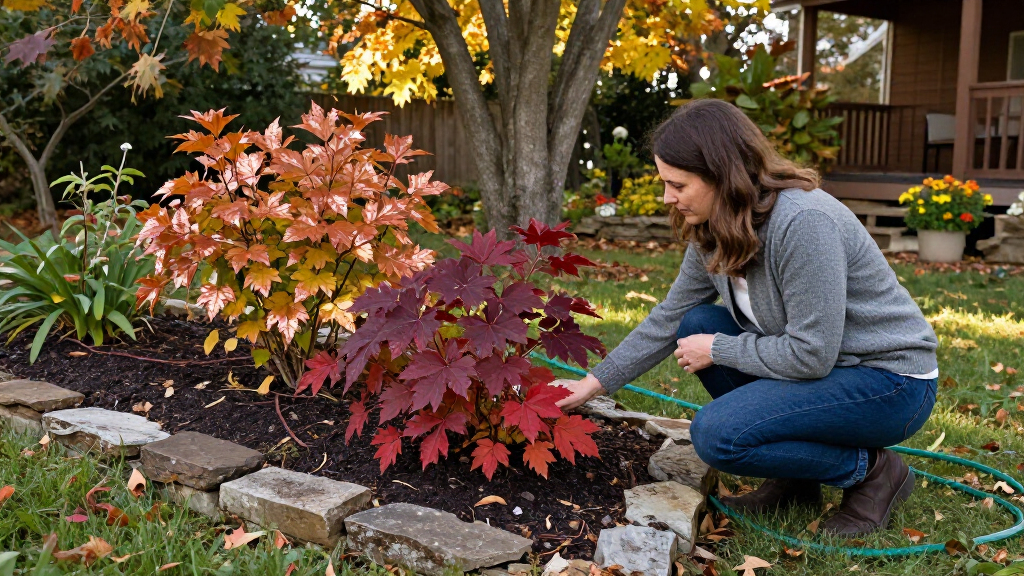
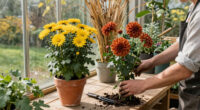
The best native shrubs for fall color pair vivid autumn foliage or berries with a good fit for your site; my best overall pick is Virginia Sweetspire for its red-to-purple foliage and adaptable garden use. American Beautyberry stands out for its striking purple fruit, while ‘Henry’s Garnet’ is a strong choice for especially vivid foliage in a smaller plant. The tradeoffs include mature size, sun and soil needs, and whether a plant is a true native or a nonnative ornamental. Plant size also matters: a seed packet takes longer to establish than a potted shrub. Read on for the full breakdown and guidance on choosing the right option for your yard.

Get garden gear delivered free — and shop member deals
- Fast, free delivery on millions of items
- Access to Prime Big Deal Days deals on October 6–7
- Prime Video, Amazon Music and more included
Complete the kit


Key Takeaways
Virginia Sweetspire is the most balanced foliage pick: it combines fall color with a straightforward role in a range of garden settings, while American Beautyberry is more about distinctive berries than leaf display.
‘Henry’s Garnet’ offers a named selection of Virginia Sweetspire in a smaller quart pot; choose it for a compact starting plant, not because its listing guarantees a mature size smaller than the species.
American Beautyberry is the standout for purple fruit: it adds a color effect that foliage-focused shrubs cannot match, though the young 4–8-inch plant needs time to fill out.
Spicebush seeds ask for patience: the seed packet can suit a naturalistic planting, but it takes more time and growing steps than buying established shrubs.
Check the native label carefully: Southern Living Obsession Nandina is not a native shrub, so it does not meet a strict native-only brief despite its ornamental appeal.
| American Beautyberry Live Shrub, 4–8 in Tall, 2.5 in Pot |  | Best for Late-Season Berry Color | Plant type: Shrub | Scientific name: Callicarpa americana | Plant height: Approximately 4–8 inches | VIEW LATEST PRICE | See Our Full Breakdown |
| Virginia Sweetspire Live Shrub, 1-Gallon Pot, 1–2 ft |  | Best for Reliable Fall Foliage | Botanical name: Itea virginica | Plant type: Live shrub | Container size: 1 gallon | VIEW LATEST PRICE | See Our Full Breakdown |
| Spicebush Seeds for Planting, 100 Seeds (Lindera benzoin) |  | Best for Wildlife-Focused Native Gardens | Seed count: 100 | Plant type: Native deciduous shrub | Scientific name: Lindera benzoin | VIEW LATEST PRICE | See Our Full Breakdown |
| Southern Living Obsession Nandina Shrub, 2 Gallons |  | Best for Season-Long Foliage Color | Container size: 2 gallons | USDA hardiness zones: 6–10 | Light requirements: Full sun to part shade | VIEW LATEST PRICE | See Our Full Breakdown |
| Saskatoon Serviceberry Bush Plants (Amelanchier alnifolia), 2 Plants |  | Best for Fall Color and Edible Fruit | Plant type: Deciduous shrub | Botanical name: Amelanchier alnifolia | Quantity: 2 plants | VIEW LATEST PRICE | See Our Full Breakdown |
| Virginia Sweetspire ‘Henry’s Garnet’ Live Shrub, 12–18 Inches, Quart Pot |  | Best Compact Sweetspire for Fall Color | Plant type: Deciduous shrub | Botanical name: Itea virginica ‘Henry’s Garnet’ | Height: Approximately 12–18 inches | VIEW LATEST PRICE | See Our Full Breakdown |
| native shrubs for fall color | Plant type | Sunlight exposure | Botanical name | USDA hardiness zones |
|---|---|---|---|---|
| American Beautyberry Live Shru | Shrub | Partial sun | — | — |
| Virginia Sweetspire Live Shrub | Live shrub | Full sun or partial shade | Itea virginica | 5–9 |
| Spicebush Seeds for Planting | Native deciduous shrub | Full sun | — | 4–9 |
| Southern Living Obsession Nand | — | — | — | 6–10 |
| Saskatoon Serviceberry Bush Pl | Deciduous shrub | Full sun to partial shade | Amelanchier alnifolia | — |
| Virginia Sweetspire ‘Henry’s G | Deciduous shrub | Partial sun | Itea virginica ‘Henry’s Garnet’ | — |
More Details on Our Top Picks
American Beautyberry Live Shrub, 4–8 in Tall, 2.5 in Pot
American beautyberry earns its place with vivid purple berry clusters that can keep a garden colorful into fall and winter. That makes it a different kind of fall-interest shrub from Virginia sweetspire, which is chosen for red and purple foliage, and Saskatoon serviceberry, whose berries arrive in early summer. Beautyberry is the pick if you want a striking fruit display rather than a broad foliage show. The tradeoff is its starting size: this arrives only 4–8 inches tall in a 2.5-inch pot, so it will need time to fill its space. Its partial-sun exposure and low-maintenance description suit gardeners with a patient approach, but the listing gives no hardiness-zone or mature-size details to help plan placement.
Pros:- Bright purple berry clusters provide a distinctive fall display
- Berries may persist into winter for interest beyond foliage color
- Small starter size can suit a developing garden or compact planting area
- Described as low maintenance
Cons:- Ships only 4–8 inches tall in a 2.5-inch pot, so it needs time to establish and grow
- Partial sun is the only listed exposure, limiting placement guidance for sunnier sites
- Hardiness zone and mature size are not provided
Best for: Gardeners who want conspicuous purple berries for fall and winter interest and are comfortable raising a small starter plant.
Not ideal for: Buyers who need an immediate screen or a shrub with stated mature dimensions and hardiness information for precise garden planning.
- Plant type:Shrub
- Scientific name:Callicarpa americana
- Plant height:Approximately 4–8 inches
- Pot size:2.5 inches
- Usage:Outdoor
- Sunlight exposure:Partial sun
- Expected blooming period:Spring
- Special feature:Low maintenance
Our verdict“Choose American beautyberry if purple fall-to-winter berries matter more to you than a larger starting plant or a foliage-focused display.”
Virginia Sweetspire Live Shrub, 1-Gallon Pot, 1–2 ft
Virginia sweetspire is the foliage-first choice here: its red and purple fall color gives it a clearer autumn role than American beautyberry, which stands out for berries, or Spicebush, which turns yellow. It also brings fragrant white flowers in late spring, extending its interest beyond fall, and those blooms attract pollinators. The 1-gallon plant, listed at about 1–2 feet, offers a more established start than the tiny beautyberry, though the product details also give a conflicting 2–3-foot height. Sweetspire handles full sun or partial shade, but its preference for moist soil makes site choice matter; it is better suited to a rain garden or woodland edge than a dry, low-water bed. Buyers wanting a shrub for consistently dry conditions should look elsewhere.
Pros:- Red and purple fall foliage offers a strong autumn display
- Fragrant white flowers attract bees and butterflies in spring
- Grows in full sun or partial shade
- One-gallon container provides a larger start than the American beautyberry listing
Cons:- Best suited to moist soil, so it may not fit dry garden beds
- Listing gives conflicting height details: 1–2 feet in the title and 2–3 feet in one detail
- Fall color is foliage-based rather than the conspicuous berry display of American beautyberry
Best for: Gardeners with moist soil who want red-purple autumn foliage, spring flowers, and a shrub suited to rain gardens or woodland edges.
Not ideal for: Gardeners planting in dry soil or shoppers who need fully consistent size information before choosing a location.
- Botanical name:Itea virginica
- Plant type:Live shrub
- Container size:1 gallon
- Plant height:Approximately 1–2 feet in the title; another detail states 2–3 feet
- Blooming period:Spring
- Sunlight exposure:Full sun or partial shade
- Soil type:Moist soil
- USDA hardiness zones:5–9
Our verdict“Pick Virginia sweetspire for red-purple leaves and spring pollinator flowers if your planting site stays moist.”
Spicebush Seeds for Planting, 100 Seeds (Lindera benzoin)
Spicebush seeds suit gardeners who value habitat as much as autumn color. The shrub supports Spicebush Swallowtail caterpillars and brings fragrant foliage, early spring yellow flowers, and yellow fall color. That palette is softer than Virginia sweetspire’s red-purple foliage, while the seed format asks for more patience than buying the established sweetspire or the two Saskatoon serviceberry plants. Spicebush can reach 6–12 feet tall and wide, so it calls for room, and the listing favors loam with consistently moist conditions. Red berries are a possible bonus, not a guaranteed crop: female plants need a nearby compatible male for pollination. Choose this if you want a native planting project and wildlife value; skip it if you need quick color or predictable fruit from a single purchase.
Pros:- Supports Spicebush Swallowtail caterpillars
- Fragrant foliage and yellow fall color provide seasonal interest
- Early spring flowers extend interest beyond autumn
- May produce red berries when a compatible male plant is nearby
Cons:- Seeds require more time and growing effort than the live Virginia sweetspire or Saskatoon plants
- Prefers rich, consistently moist soil
- Mature size of 6–12 feet tall and wide requires substantial planting space
- Berry production depends on female plants and nearby compatible male pollination
Best for: Native-plant gardeners with space, moist loamy soil, and patience for growing a wildlife-supporting shrub from seed.
Not ideal for: Buyers who want an established shrub quickly, have dry soil, or expect red berries without arranging for a compatible male plant.
- Seed count:100
- Plant type:Native deciduous shrub
- Scientific name:Lindera benzoin
- Mature size:6–12 feet tall and wide
- USDA hardiness zones:4–9
- Sunlight exposure:Full sun
- Soil:Loam; consistently moist soil preferred
- Bloom period:Early spring
- Seed features:Heirloom, non-GMO, open-pollinated
Our verdict“Choose Spicebush seeds for a spacious, moist native garden where wildlife value and yellow fall foliage outweigh the wait to grow from seed.”
Southern Living Obsession Nandina Shrub, 2 Gallons
Obsession Nandina is the foliage-color option for gardeners who want interest across multiple seasons, rather than a shrub selected chiefly for a specific fall feature. Its description promises colorful foliage throughout the year, whereas Virginia sweetspire has a more clearly described red-purple fall display and American beautyberry delivers vivid berries. The 2-gallon container is a substantial starting size compared with the 2.5-inch beautyberry pot, but the listing does not state a plant height or detail the exact fall foliage colors. It is also the only option here whose listed zones begin at 6, so Spicebush’s broader 4–9 range may suit colder gardens better. Nandina is described as low maintenance after establishment, though regular watering is called for twice weekly until it settles in.
Pros:- Colorful foliage is described as providing interest throughout the seasons
- Two-gallon container offers a larger starting size than the American beautyberry listing
- Suitable for USDA zones 6–10
- Described as low maintenance
Cons:- Fall foliage colors are not specified, unlike the red-purple sweetspire or yellow Spicebush
- Requires watering twice weekly until established
- Listed zone range does not extend as far into colder climates as Spicebush’s 4–9 range
Best for: Gardeners in USDA zones 6–10 who want a container-grown shrub with colorful foliage through the seasons and can water it regularly while it establishes.
Not ideal for: Gardeners in colder zones, buyers seeking a specifically documented fall color or native shrub, or anyone unable to provide regular establishment watering.
- Container size:2 gallons
- USDA hardiness zones:6–10
- Light requirements:Full sun to part shade
- Watering while establishing:Twice weekly
- Watering after establishment:Once weekly
- Maintenance:Low
- Foliage:Colorful foliage throughout the seasons
Our verdict“Choose Obsession Nandina for broad seasonal foliage color in zones 6–10 if you can meet its establishment-watering schedule.”
Saskatoon Serviceberry Bush Plants (Amelanchier alnifolia), 2 Plants
Saskatoon serviceberry earns this spot by pairing red-orange fall foliage with edible, blueberry-like fruit and spring flowers. Compared with American beautyberry, its berries are edible and arrive in early summer rather than forming the purple fall-and-winter display that makes beautyberry distinctive. It also arrives as two plants, giving buyers more planting material than the single beautyberry shrub, though the listing does not specify individual plant size. Pollinators and birds benefit from its flowers and fruit, adding wildlife interest alongside the autumn color. The main site requirement is well-drained soil; this makes it a less suitable choice for persistently wet ground than moisture-tolerant Virginia sweetspire. Fruit production may take a few years, so choose serviceberry for a multi-season, long-term planting rather than an immediate harvest.
Pros:- Red-orange fall foliage provides a clear autumn color display
- Edible blueberry-like berries can be eaten fresh or used in baking
- White spring flowers add another season of interest
- Attracts pollinators and birds
Cons:- Fruit production may take a few years
- Needs well-drained soil, unlike moisture-suited Virginia sweetspire
- Individual plant height and container size are not provided
Best for: Gardeners who want a pair of shrubs that combine red-orange fall foliage with edible early-summer berries and wildlife value.
Not ideal for: Buyers who need fruit right away, want detailed plant-size information before ordering, or garden in poorly drained soil.
- Plant type:Deciduous shrub
- Botanical name:Amelanchier alnifolia
- Quantity:2 plants
- Sunlight exposure:Full sun to partial shade
- Soil:Well-drained
- Flower color:White
- Fruit:Edible, blueberry-like purple berries
Our verdict“Choose Saskatoon serviceberry if you want red-orange fall color plus future edible fruit and have well-drained soil.”
Virginia Sweetspire ‘Henry’s Garnet’ Live Shrub, 12–18 Inches, Quart Pot
Henry’s Garnet pairs vivid orange, red, and burgundy fall foliage with fragrant creamy white spring flowers, giving a small garden more than one season of interest. Its compact 12–18-inch size makes it a better fit for tight planting spaces than the 1-gallon Virginia Sweetspire in this roundup, though that larger-pot option may suit buyers who want a more established starting plant. This shrub is listed for partial sun and is described as low maintenance, with flowers that can attract butterflies and other beneficial wildlife. The tradeoff is patience: it arrives as a young plant in a quart pot, so it will need time to fill out. Choose it for fall color in a smaller garden, not for an immediate mature screen.
Pros:- Orange, red, and burgundy fall foliage provides a vivid seasonal display.
- Fragrant creamy white flowers add spring-to-summer interest.
- Compact listed size can suit smaller gardens better than the 1-gallon Virginia Sweetspire option.
- Low-maintenance description and wildlife-attracting flowers add appeal beyond fall color.
Cons:- Ships as a young plant at approximately 12–18 inches tall, so it needs time to fill out.
- Supplied in a quart pot, a smaller starting size than the 1-gallon Virginia Sweetspire in this roundup.
- Sunlight guidance specifies partial sun, which may limit placement in gardens with different light conditions.
Best for: Gardeners with a smaller outdoor planting area who want a compact native shrub with colorful fall foliage and fragrant spring blooms.
Not ideal for: Buyers who need an established, larger shrub quickly or want a product with specified mature dimensions; this plant ships at approximately 12–18 inches tall.
- Plant type:Deciduous shrub
- Botanical name:Itea virginica ‘Henry’s Garnet’
- Height:Approximately 12–18 inches
- Pot size:Quart
- Quantity:1 shrub
- Blooming period:Spring to summer
- Flower color:Creamy white
- Fall foliage color:Orange, red, and burgundy
- Sunlight exposure:Partial sun
Our verdict“Choose Henry’s Garnet if you want a compact sweetspire with vivid fall color and can wait for a young quart-pot plant to grow.”

How We Picked
I ranked these options by how well they answer the specific request for native shrubs with fall interest, weighing foliage color, berries, wildlife and landscape value alongside the plant form being sold. I also looked at the practical buying differences: seed versus live plant, listed size, likely establishment time, and how clearly the listing identifies the plant. A shrub with memorable autumn color but a long wait to reach landscape scale scores differently from a larger potted plant ready for a more immediate role.
Native status affects the order, not just the appearance: Nandina is included because it appears in the supplied product set, but it ranks below the native options and is not a recommendation for a native-only garden. The two Virginia Sweetspire listings lead for their combination of fall foliage and practical landscape use; American Beautyberry follows for its distinctive fruit display. Serviceberry and spicebush offer worthwhile native planting roles, but the supplied listings give less specific fall-color detail or require more patience. I treat advertised plant sizes as starting sizes, not promises about mature growth or performance in every region.
| native shrubs for fall color | Plant type | Sunlight exposure | Botanical name |
|---|---|---|---|
| American Beautyberry Live Shru | Shrub | Partial sun | — |
| Virginia Sweetspire Live Shrub | Live shrub | Full sun or partial shade | Itea virginica |
| Spicebush Seeds for Planting | Native deciduous shrub | Full sun | — |
| Southern Living Obsession Nand | — | — | — |
| Saskatoon Serviceberry Bush Pl | Deciduous shrub | Full sun to partial shade | Amelanchier alnifolia |
| Virginia Sweetspire ‘Henry’s G | Deciduous shrub | Partial sun | Itea virginica ‘Henry’s Garnet’ |
Factors to Consider When Choosing Best Native Shrubs For Fall Color
Fall color is only one part of a shrub’s value, and a plant that looks right in a listing may not suit your yard’s light, soil, or space. Use these broader checks to avoid choosing by color alone.
Decide Whether You Want Leaves, Berries, or Both
Autumn display can mean brilliant foliage, persistent fruit, or a mix, and those effects serve different garden goals. If you want a broad wash of color, prioritize a shrub selected for leaf display; berries create a more concentrated accent and may attract birds. Fruit can also be eaten by wildlife, so its display may not last through the season. Check whether the plant’s appeal depends on a single feature before placing it as a focal point. A mixed planting can spread color across more of the fall rather than relying on one dramatic moment.
Match the Plant to Your Site Before Its Color
Light exposure, moisture, drainage, and soil type affect growth and seasonal color, so compare those conditions with reliable regional growing guidance before ordering. A shrub suited to moist ground may struggle in a dry, exposed bed, while a plant that tolerates shade may produce less showy foliage in deep shade. Look beyond broad labels such as “easy care” and check the range of conditions the species accepts. If your site is unusual, local native-plant groups or extension services can help confirm suitability. Choosing a good site match matters more than a striking product photo.
Plan for Mature Size and Planting Distance
Small starter plants can be a good way to add a shrub, but their listed height is not their eventual footprint. Before planting, check mature height and spread from a dependable regional source, then leave enough room for air, access, and nearby plants. Crowding often leads to repeated pruning that can reduce flowering or fruiting and spoil the shrub’s natural form. For a screen or mass planting, calculate how many plants you need from mature spread rather than pot size. A larger specimen may fill space sooner, while a small one gives you more control over placement and establishment.
Choose Seeds Only If You Can Wait and Follow the Growing Requirements
Seeds generally require more time, attention, and uncertainty than established nursery plants. Germination may depend on species-specific preparation, and young seedlings need suitable conditions before they can take a permanent place in the garden. Read the seed seller’s instructions and confirm the seed source and plant identity before buying. Seeds make sense when you want several plants, enjoy propagation, or are building a naturalistic area over time. For a near-term landscape effect, a live shrub is usually the more direct route.
Verify Native Status for Your Region
“Native” is regional: a species indigenous to one part of North America may not be native where you garden. Check state or provincial native-plant references, especially when your goal is to support local wildlife or restore habitat. Cultivars of native species can differ in form or fruiting, so look up the named selection rather than assuming every cultivar has identical ecological value. Also separate native status from ornamental usefulness; a nonnative plant may offer color but will not meet a strict native-plant goal. In this lineup, that distinction rules out Nandina for buyers seeking only native shrubs.
Compare Establishment Time, Not Just Pot Size
A larger container can provide a more developed starting plant, but it does not automatically mean the shrub will establish faster in every garden. Root health, planting conditions, watering, and seasonal timing all affect how quickly a plant settles in. Small plants and seeds can cost less in effort or resources upfront but ask for patience and close early care. Ask whether the seller provides clear information about plant condition, shipping season, and planting instructions. Choose the format that fits the time you can give the plant, not just the size shown in the listing.
Frequently Asked Questions
Which option is best if I want fall foliage rather than berries?
Start with Virginia Sweetspire or its ‘Henry’s Garnet’ selection, since this roundup’s leading foliage choices are both forms of that native shrub. American Beautyberry is a better fit when purple fruit is the main effect you want. Compare the two Sweetspire listings by plant size and named selection, then verify local growing conditions before choosing. The right pick depends on the space you have and how quickly you want a planted shrub to fill it.
Is Southern Living Obsession Nandina a good choice for a native garden?
No, it does not meet a strict native-shrub requirement, so I would skip it if regional nativeness is the reason for this search. It is included here to make the distinction clear rather than to rank it as a native recommendation. If you are considering it for ornamental reasons, check local guidance on Nandina, since suitability and concerns can vary by region. A native alternative is a better starting point when supporting local habitat is a priority.
Should I buy spicebush seeds or a live shrub?
Choose spicebush seeds if you have time for propagation and are comfortable following the seller’s instructions for germination and early care. A seed packet does not provide the quick landscape presence of a live shrub, and establishment can take longer than expected. Live plants make more sense when you want a defined planting sooner or prefer to avoid seed-starting steps. Before ordering either form, confirm that spicebush suits your region and planting site.
Does a larger pot guarantee stronger fall color or faster growth?
No. Pot size and listed plant height describe the offered starting plant, not its eventual vigor, fall display, or performance after planting. Healthy roots, suitable site conditions, and early watering all affect establishment. A larger plant may give you a more developed starting point, but a smaller shrub can catch up when well matched to its site. Compare plant condition and seller guidance alongside container size.
Can I plant two different shrubs together to extend fall interest?
Yes, combining shrubs with different forms of fall display can give a bed more texture and a longer season of interest. For example, a foliage-focused shrub paired with one valued for fruit creates contrast, though the timing and fruit persistence depend on local conditions. Check mature spread, light, and moisture needs before placing them together so one does not crowd or outcompete the other. Confirm that both species are appropriate for your region if native planting is part of your goal.
Conclusion
Best overall: I’d choose Virginia Sweetspire for a balanced native shrub with useful fall foliage. Best for standout berries: American Beautyberry brings the most distinctive fruit color, though its small listed size calls for patience. Best compact starting plant: ‘Henry’s Garnet’ is the named Sweetspire option in a quart pot. Best for beginners: a live Virginia Sweetspire is a more direct starting point than spicebush seeds, provided its site needs match your yard. Best for seed growers: Spicebush seeds suit gardeners willing to take a slower route. For a strictly native garden, skip Nandina; for the most useful choice, let your site and preferred kind of fall display decide.
Halloween Picks
halloween
As an affiliate, we earn on qualifying purchases.