
TL;DR

Get garden gear delivered free — and shop member deals
- Fast, free delivery on millions of items
- Access to Prime Big Deal Days deals on October 6–7
- Prime Video, Amazon Music and more included
A European Commission proposal in its crop-protection Omnibus package would modernize approval procedures for biological crop protection products, according to an opinion piece by Koppert sustainability director Peter Maes. Maes says growers need faster access to alternatives, but the proposal is part of a contested package and its final status and effects remain unclear.
Peter Maes, sustainability director at Koppert, is calling for faster access to biological crop-protection products, arguing that a European Commission proposal could create approval procedures better suited to them while preserving Europe’s health, environmental and food-safety standards. His argument comes as parts of the Commission’s crop-protection Omnibus package face political criticism, which he says risks overshadowing the proposed changes for biological alternatives.
Maes wrote in an opinion piece for Greenhouse Grower that biological alternatives can take eight to 10 years to reach growers under current approval procedures. He argues that many of those procedures were designed for conventional synthetic pesticides and do not reflect the different risk profiles of biological products. The article does not provide a breakdown of that timeline by product type or approval stage.
The Commission’s proposal, as described by Maes, would modernize approval procedures and establish a more tailored process for biological crop-protection products. He says the goal is to speed access without lowering the European Union’s standards for environmental protection, human health and food safety. The source does not set out the proposal’s specific procedural changes or provide an independent assessment of how much time they might save.
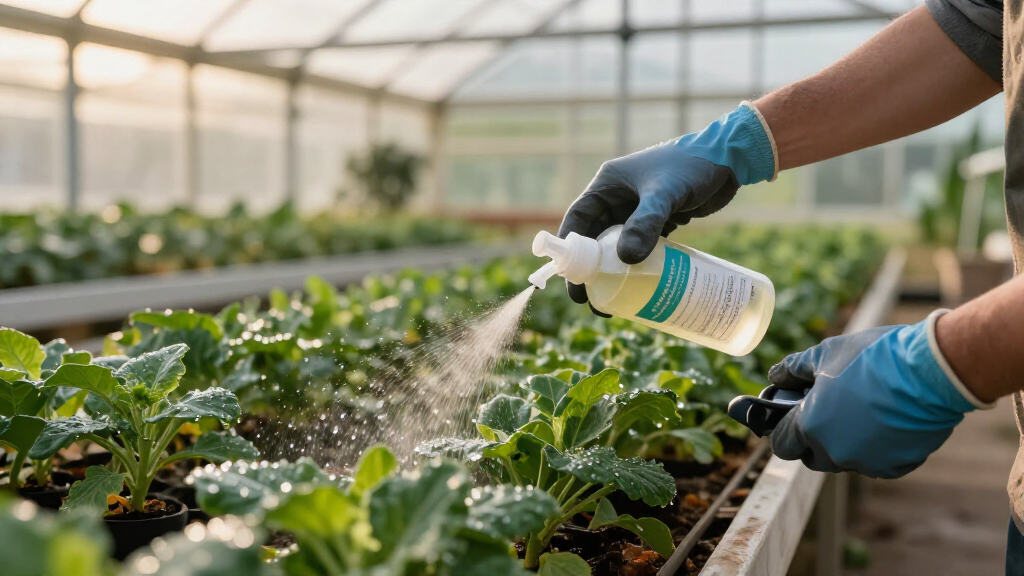
Maes points to greenhouse horticulture in the Netherlands, where he says beneficial insects and naturally occurring microorganisms are widely used in pest management. He also cites Brazil, where he says registration of a biological control product takes about two years and farmers use such products in soy, corn and sugar cane. These examples are presented in his commentary; the article does not provide supporting data or a like-for-like comparison of regulatory systems.
Faster Approvals Could Expand Grower Options
Approval timelines affect when growers can obtain new tools, not just which products are ultimately authorized. If biological alternatives take years to reach the field, growers may have fewer options when seeking to manage pests while reducing reliance on conventional chemical interventions. Maes argues that this gap makes it harder to meet expectations for lower pesticide use, environmental performance and resilient production without compromising productivity or economic viability.
The issue also bears on European agriculture’s ability to respond to shifting growing conditions and renewed attention to food security. Maes says sustainability objectives need effective, scalable alternatives available in practice, rather than policy goals alone. That is his assessment, not a finding quantified in the source. The practical effect of any regulatory change would depend on its final design, implementation and whether suitable products complete the approval process.
biological crop protection products
As an affiliate, we earn on qualifying purchases.
As an affiliate, we earn on qualifying purchases.
The Omnibus Debate and Biocontrol
The Commission’s crop-protection Omnibus package covers issues beyond biological products. Maes says much of the opposition he describes relates to provisions on conventional synthetic crop-protection products, including concerns about environmental safeguards and regulatory oversight. He argues that those concerns should be debated on their own merits rather than determining the fate of measures for biocontrol.
As supporting context, Maes refers to the EU Strategic Dialogue on the Future of Agriculture, which brought together farmers, scientists, environmental organizations, consumers and industry representatives. He says the dialogue concluded that sustainability goals require effective and scalable alternatives and recognized biological crop protection as part of the solution. The source provides no further details on the dialogue’s recommendations or how they relate formally to the Commission proposal.
beneficial insects for pest control
As an affiliate, we earn on qualifying purchases.
As an affiliate, we earn on qualifying purchases.
Proposal Details Remain Unspecified
The source does not establish the Omnibus proposal’s current legislative status, its expected timetable or the final wording of any changes to approval procedures. It also does not explain which product categories or assessment stages would be covered, how safeguards would operate, or how much faster approvals might become.
Maes’s article is an opinion piece from an industry representative. Its timelines and country examples are attributed to him, and the source supplies no independent comparative data. It is also unclear how the package’s other contested provisions may affect the proposal for biological products, or whether policymakers would separate those elements if the wider package faces opposition.
As an affiliate, we earn on qualifying purchases.
Watch the Package’s Policy Path
The next indicators are the Commission proposal’s progress through the EU policy process and whether its provisions for biological products are retained, amended or considered separately from the package’s disputed measures. The source gives no schedule for a decision or next procedural milestone.
For growers, the practical test will be whether any adopted changes produce clearer or faster approvals while maintaining the stated safety and environmental standards. Until the proposal’s details and status are confirmed, claims about the scale of faster access or its effect on farming remain uncertain.
As an affiliate, we earn on qualifying purchases.
Key Questions
What change is being proposed?
According to Maes, the European Commission’s crop-protection Omnibus package proposes to modernize approval procedures for biological crop-protection products and tailor them to those products’ risk profiles. The source does not specify the exact procedural changes.
How long can approval take?
Maes says biological alternatives can take eight to 10 years to reach growers. He also cites about two years for registration in Brazil. The source does not provide detailed data or a direct comparison between the approval systems.
Would faster approval mean lower safety standards?
Maes says the proposal aims to tailor the process while retaining European environmental, health and food-safety standards. The source does not describe the safeguards in detail, so how they would work under a revised process is unclear.
Where are biological crop-protection products already used?
Maes cites Dutch greenhouse horticulture, where he says beneficial insects and naturally occurring microorganisms are widely used. He also says farmers in Brazil use biological alternatives in soy, corn and sugar cane.
When could the proposed changes take effect?
The source gives no implementation date and does not state the proposal’s current legislative status. Any timing depends on the policy process and the final form of the measures.
Source: rss
Halloween Picks
halloween
As an affiliate, we earn on qualifying purchases.