TL;DR

Get garden gear delivered free with Prime
- Fast, free delivery on millions of items
- Prime Video, Amazon Music and more included
- Member-only deals all year
Planet Natural’s report says houseplants moved indoors after summer often use water more slowly as light and growth decline. It recommends checking moisture below the surface, pot weight and plant condition instead of following a fixed summer watering schedule.
Houseplants brought indoors after summer may need less frequent watering as shorter days and lower light slow growth and allow potting mix to dry more slowly, according to a Planet Natural report. The guidance matters because continuing a summer watering routine can leave roots in wet soil; the report recommends checking soil moisture, pot weight and plant cues rather than switching to another fixed calendar.
Outdoor plants can use water quickly in bright light, warmth and wind, particularly while actively growing. Indoors, lower light often reduces new growth and water use. The rate still varies: a plant beside a warm, sunny window may dry sooner than the same plant on a dim shelf, while a small clay pot can dry faster than a large plastic one.
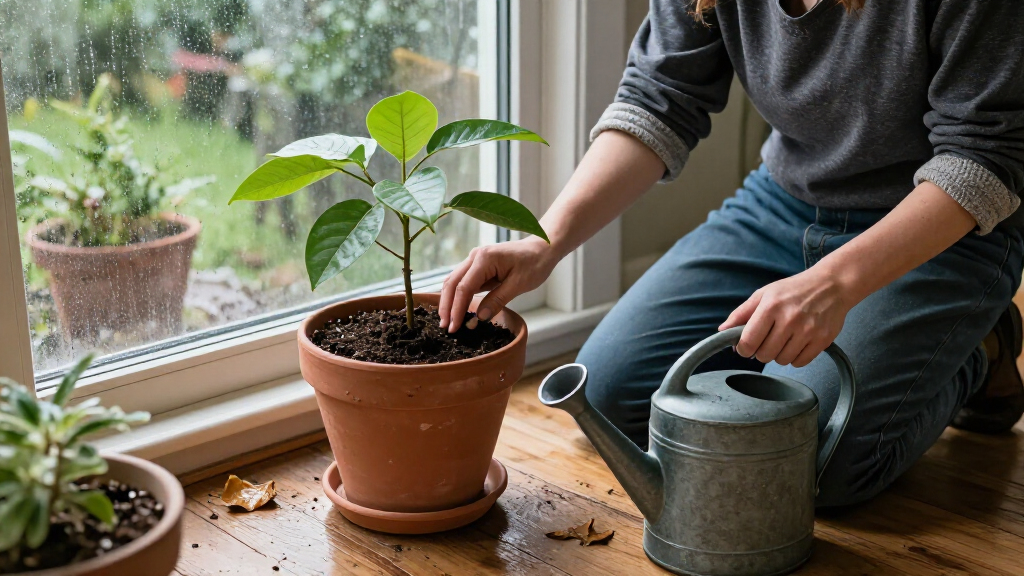
The report suggests inserting a clean finger about 1 to 2 inches into the potting mix, or deeper in a large pot. If the mix remains cool and moist at that depth, wait. It also recommends learning how a pot feels after watering compared with when it has dried to the plant’s preferred level. Soil appearance at the surface alone can be misleading.
When a plant is ready, water thoroughly enough to moisten the root zone and allow excess to drain through the pot’s holes. Empty any saucer or outer decorative pot afterward; roots should not sit in collected water. The report cautions against diagnosing a limp leaf as thirst without checking soil first, because saturated roots can also be associated with wilting.
Why the Summer Routine Can Fail
The practical risk is watering too often for indoor conditions. If a plant’s growth and water use slow while its soil stays wet, roots may remain in excess moisture. A calendar reminder cannot account for differences in light, room temperature, pot size, material or drainage, so a weekly schedule may be wrong for one plant even when it works for another.
Symptoms can also point to more than one cause. A limp leaf does not by itself establish that the soil is dry. Yellowing alongside a pot that remains heavy or damp is a reason to pause and inspect moisture and drainage, rather than automatically adding water. Dry, crisp leaf edges can be linked to low humidity, irregular watering, mineral buildup or excess heat, according to the report.
Separating those possibilities helps prevent a common misstep: using more water to address a problem that may instead involve light, humidity, temperature or drainage. For households with several plants, the report’s central advice is to check each pot and plant rather than treat the collection as if every species shared one watering interval.
As an affiliate, we earn on qualifying purchases.
Indoor Conditions Change Plant Needs
The guidance is seasonal, not a claim that every houseplant must receive less water on a set date. The relevant change is the shift from outdoor summer conditions to an indoor setting where light levels and growth may decline. Even within one room, a sunny window, a cool draft or a different pot can change how quickly soil dries.
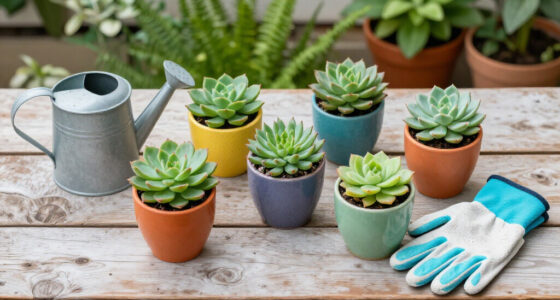
Plant groups also have different moisture preferences. The report says moisture-loving plants such as many ferns should not be allowed to dry out completely; many aroids and tropical foliage plants can dry somewhat near the top before watering; and most succulents and cacti need the mix to dry more thoroughly. Indoor culinary herbs need bright light and soil that avoids swings between bone dry and saturated. These are starting points, not rules for every species.
Moving a plant inside can also bring leaf loss as it adjusts to lower light. The report advises checking light and soil rather than responding to that change by keeping the pot wet or adding fertilizer. For a specific plant, its care tag or a reliable species reference may give more suitable instructions than a broad category.
plant moisture meter for indoor plants
As an affiliate, we earn on qualifying purchases.
As an affiliate, we earn on qualifying purchases.
What Each Plant Still Requires
The report does not provide a single watering interval or a universal amount of water, and it does not say that all plants slow down equally. Species, light, temperature, pot size and drainage affect how quickly a pot dries, so the appropriate threshold must be judged for the individual plant.
Some plants within the same broad group have different seasonal needs. The report’s guidance is a starting point, not a substitute for species-specific care information. It also does not establish the cause of any one plant’s yellowing, wilting or leaf loss; those signs need to be considered alongside soil moisture and growing conditions.
indoor plant watering can with long spout
As an affiliate, we earn on qualifying purchases.
As an affiliate, we earn on qualifying purchases.
Check Soil Before the Next Watering
Before watering, check below the surface and, when practical, lift the pot to compare its weight with how it feels after a thorough watering. Consider the plant’s recent growth, leaf firmness, soil condition and location. If the root zone is still moist, wait and check again rather than following the old summer routine.
When watering, let excess run through the drainage holes and empty the saucer or cachepot once the inner pot has drained. If dry indoor air appears to be affecting leaves, address humidity separately; the report suggests options such as a humidifier, grouping plants or a pebble tray that keeps the pot above, not sitting in, water. The next step is ongoing observation, since indoor conditions and plant needs vary.
As an affiliate, we earn on qualifying purchases.
Key Questions
Should I stop watering my houseplant after bringing it indoors?
No. The report advises changing the frequency based on actual soil moisture, not stopping altogether. Water when the plant’s root zone reaches its appropriate drying point.
How can I tell if indoor soil is dry enough?
Check about 1 to 2 inches below the surface, going deeper in a large pot. A dry-looking surface alone can be misleading; pot weight can provide another useful clue.
Does a drooping leaf mean my plant needs water?
Not necessarily. The report notes that saturated roots can also be associated with wilting. Check the mix and drainage before adding water.
How should I water a plant in a decorative pot without drainage?
Keep the plant in an inner pot with drainage, water that pot, let it drain fully, and empty collected water from the decorative outer pot before returning it.
Do succulents and ferns follow the same indoor watering approach?
No. The report says many ferns should remain lightly moist, while most succulents and cacti need the mix to dry more thoroughly. Use species-specific guidance where available.
Source: rss
Fall Picks
fall essentials
As an affiliate, we earn on qualifying purchases.