
TL;DR

Get garden gear delivered free with Prime
- Fast, free delivery on millions of items
- Prime Video, Amazon Music and more included
- Member-only deals all year
A Grow Organic report published October 8, 2026, explains that yellow blueberry leaves can result from high soil pH, nutrient issues, poor drainage, drought or other stress. The guide advises checking leaf patterns and testing soil before applying amendments or fertilizer, since yellowing alone does not establish a cause.
Yellow leaves on blueberry bushes can have several causes, including soil that is too alkaline, nutrient deficiencies, drought or waterlogged roots, according to a Grow Organic report published October 8, 2026. The guide recommends checking leaf patterns and testing soil before adding fertilizer or acidifying amendments, because the symptom alone cannot identify the problem.
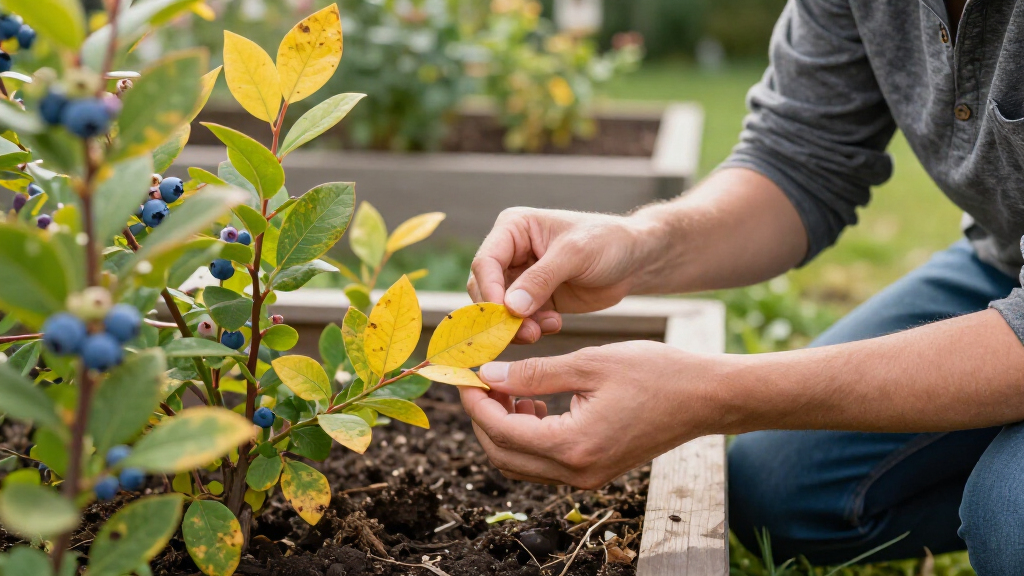
The pattern of yellowing can help narrow down possible causes. Young leaves that look pale or yellow while their veins remain green may point to iron deficiency, the report says. Iron can be present in soil but unavailable to the plant when pH is too high. Uniformly pale older leaves may instead be associated with low nitrogen. These signs are clues, not confirmation; soil testing can help determine whether a nutrient or pH issue is present.
Yellowing accompanied by wilting calls for a check of soil moisture and drainage. Dry soil can stress roots, while saturated soil can deprive them of air and interfere with nutrient uptake. The guide advises checking whether the root zone is dry or waterlogged rather than assuming the bush needs more water or fertilizer.
Blueberries generally need acidic soil, with the report giving a typical pH range of 4.5 to 5.5. It advises gardeners to test soil and consult local Extension guidance for a suitable target. If a test indicates that pH is too high, elemental sulfur may help, but it acts slowly—over months, not days—and should be applied at a test-based rate. The report also cautions that iron treatment is not automatically warranted by yellow leaves.
Why Diagnosis Comes Before Treatment
Choosing a remedy without identifying the cause can leave the underlying problem unresolved. More fertilizer will not correct waterlogged soil, and nutrient uptake can remain impaired when roots are stressed or the soil pH is unsuitable. Applying extra feed can also damage roots, the report warns.
Testing first can help gardeners avoid unnecessary amendments and direct effort toward the condition affecting the plant. This matters because sulfur works gradually, while watering and drainage changes address a different set of problems. New growth is a useful sign to monitor after a correction; older, damaged leaves may not turn green again.
As an affiliate, we earn on qualifying purchases.
Reading Leaves and Soil Conditions
The report, written by Suzanne Fellows for Grow Organic, frames yellowing as a symptom with multiple possible explanations rather than a diagnosis in itself. It recommends examining which leaves change color first, whether veins stay green, and whether yellowing occurs with wilting, spots or early leaf drop. Those observations can help guide what to check next.
Fall color is another distinction. Red blueberry leaves in autumn can be normal, while red or purple leaves during spring or summer may reflect cold or other stress. For persistent symptoms, the report suggests taking photos and seeking advice from a local Extension office. It also notes that containers may be an option where garden soil is unsuitable, provided the growing mix and drainage fit blueberry needs.
“A blueberry bush turning yellow does not always need more iron.”
— Grow Organic report, by Suzanne Fellows
blueberry fertilizer for nutrient deficiency
As an affiliate, we earn on qualifying purchases.
As an affiliate, we earn on qualifying purchases.
What Yellow Leaves Cannot Confirm
Yellowing alone does not establish a specific cause, and the report does not diagnose any individual plant. Without soil test results and details about watering, drainage, season and leaf pattern, it is not possible to determine whether a given bush has a pH problem, nutrient shortage, root stress or another issue.
The report gives a typical blueberry pH range, but the appropriate target may vary by region and growing conditions; it advises checking with local Extension staff. It also does not prescribe a universal quantity of sulfur or fertilizer. Rates should follow soil-test results and product instructions, and continued decline may warrant a local diagnosis for root injury or disease.
elemental sulfur for soil acidification
As an affiliate, we earn on qualifying purchases.
As an affiliate, we earn on qualifying purchases.
Checks to Make Before Amending
Gardeners can start by noting whether new or older leaves are affected, checking for green veins, and inspecting the root zone for dryness or standing water. The next step is a soil test that measures pH, following the testing laboratory’s sampling directions. A local Extension office can help interpret the results and identify a suitable pH target.
Any amendment or fertilizer should match the diagnosis and be used according to its label. After correcting the underlying condition, monitor fresh growth and the plant’s overall decline or recovery. If symptoms persist, spread, or appear with spots, wilting or early leaf drop, seek advice from an Extension service or qualified local plant specialist.
drainage improvement for blueberry bushes
As an affiliate, we earn on qualifying purchases.
As an affiliate, we earn on qualifying purchases.
Key Questions
Does yellowing mean my blueberry bush needs iron?
No. Yellow leaves do not prove an iron deficiency. Pale young leaves with green veins can be a clue, but high soil pH and other root or growing problems can also contribute. Test soil before treating.
What soil pH do blueberries need?
The report gives a typical range of 4.5 to 5.5. Ask a local Extension office for guidance suited to your region and plants, and confirm pH with a soil test.
Should I water a blueberry bush with yellow, wilted leaves?
Check the soil first. Dryness and waterlogged soil can both stress roots. Blueberries need consistent moisture as well as good drainage, so avoid watering without checking conditions.
Will sulfur quickly fix yellow leaves?
Not quickly. The report says elemental sulfur works gradually, often over months rather than days. Use it only when soil-test results support the treatment and follow the product label.
Can yellow blueberry leaves turn green again?
Recovery depends on the cause and the extent of damage. The report advises monitoring new growth; severely affected older leaves may not regain their green color.
Source: rss
Fall yard work Picks
leaf blowers
As an affiliate, we earn on qualifying purchases.