
TL;DR

Get garden gear delivered free with Prime
- Fast, free delivery on millions of items
- Prime Video, Amazon Music and more included
- Member-only deals all year
Grow Organic has published a practical guide to growing red amaranth, covering sowing, care and harvest. It recommends planting after frost danger has passed and soil is warm, then harvesting leaves when plants reach about 8 inches or waiting roughly 90–100 days for mature seed, depending on variety and conditions.
Grow Organic has published a growing guide for red amaranth, explaining when to sow the warm-season crop and how to harvest it for leaves or seed. The advice highlights two different timelines: leaves can be picked once plants are about 8 inches tall, while grain harvest generally takes 90–100 days, with timing affected by variety and weather.
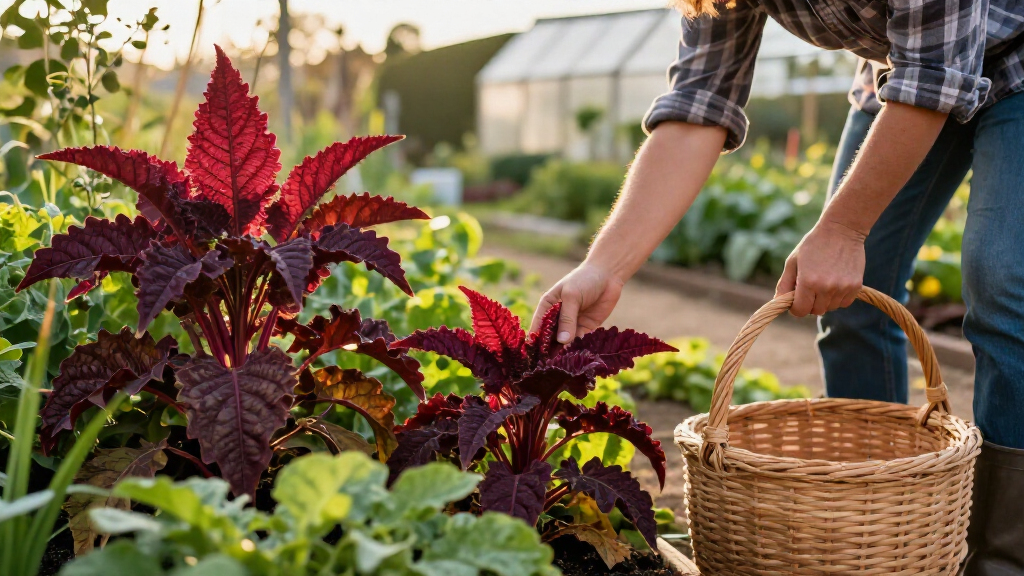
The guide identifies Amaranthus cruentus as one edible species grown for both greens and grain. It advises gardeners to select a variety intended for food: amaranth also includes ornamental types, and seed color and plant size vary. Red or burgundy foliage is common in some varieties, while others are selected for flowers or grain.
For outdoor sowing, the guide says to wait until frost danger has passed and the soil has warmed. It cites Minnesota Extension’s recommendation of soil temperatures near 60°F before sowing. Because seeds are small, sow them shallowly and keep the soil surface moist during germination. The suggested site has full sun, well-drained soil and a pH around 6.0–7.0.
During establishment, gardeners should provide steady moisture and control weeds, but the guide does not recommend heavy fertilizer in every garden. Feeding should depend on soil conditions. It also says amaranth is generally grown as an annual and is killed by frost. Containers are an option, provided they have drainage and enough room for the selected plant’s mature size.
Two Harvests, Different Timelines
The distinction between leaf and seed harvest gives gardeners a practical way to match a variety and planting plan to their intended use. Leaf varieties can provide an earlier harvest, while plants grown for grain need a longer, frost-free period. The guide’s timing estimates are useful planning points, not guarantees: it says cultivar and growing conditions affect how quickly plants mature.
That difference also matters for planting space and expectations. A gardener seeking greens can begin picking tender leaves while leaving enough foliage for continued growth. Someone growing for seed must let the plant mature and monitor the seed heads instead of treating foliage harvest as the end goal. Amaranth’s edible leaves and seeds make it a flexible crop, but gardeners should confirm that their chosen seed is a food variety rather than an ornamental selection.
As an affiliate, we earn on qualifying purchases.
Warm-Season Crop, Local Timing
Amaranth has a long history as a crop in Central America and other parts of the Americas, and it is now grown in North America and elsewhere. The source presents red amaranth as a crop valued for its colorful leaves, flowers and seed, with different types suited to greens, grain or ornament.
The guide cautions that a USDA growing zone alone does not set an exact sowing date. Gardeners need to consider local frost dates and soil warmth. Its cited threshold of about 60°F soil temperature is a reference for outdoor sowing, not a calendar date for every location. Starting seeds indoors is another option, but seedlings should be hardened off gradually before transplanting outside.
Harvest also depends on the intended crop. Minnesota Extension, as cited by Grow Organic, gives about 90–100 days to mature seed. For leaves, that source says picking can begin at roughly 8 inches tall. A separate estimate in Grow Organic’s FAQ says leafy amaranth may be ready in about 30 days under suitable conditions; the two measures describe different harvest cues and can vary by variety and weather.
“Soil temperatures near 60°F before sowing seeds outdoors.”
— Grow Organic, citing Minnesota Extension
As an affiliate, we earn on qualifying purchases.
Weather Shapes Harvest Dates
The source does not give a single planting date or promise that every variety will be ready on the same schedule. Local frost dates, soil temperature, weather and cultivar can change establishment and maturity. Its 90–100-day figure is an approximate period for mature seed, while the roughly 30-day leafy-harvest estimate applies under suitable conditions and is not a universal timetable.
Seed-head color alone is not presented as a dependable sign that grain is ready. The guide says to look for mature seeds that loosen readily when rubbed or shaken. It does not provide variety-by-variety maturity dates, container dimensions, or a region-specific planting calendar. Gardeners should check the seed packet and local growing guidance for details suited to their site.
As an affiliate, we earn on qualifying purchases.
Watch Plants Reach Harvest
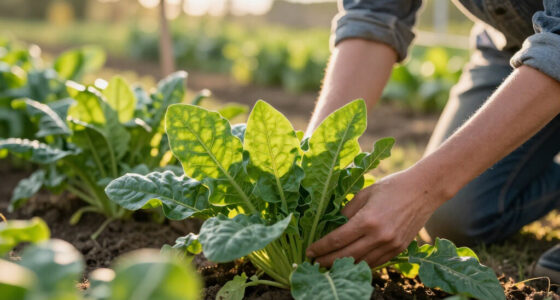
After sowing, gardeners can monitor germination, keep the soil surface moist until seedlings establish, and maintain sunlight, drainage and moisture through growth. Once plants reach about 8 inches tall, tender leaves can be picked while leaving foliage for continued growth. If growing for grain, wait for seed heads to mature and test whether the seeds release easily.
For seed collection, Grow Organic advises cutting mature heads in dry weather and placing them in paper bags or over a clean container. Let the heads dry, then rub or thresh them and separate seed from chaff. Gardeners who want dried decorative stems should cut them before heavy seed shedding begins. The source gives no specific upcoming milestone beyond these plant-based harvest cues.
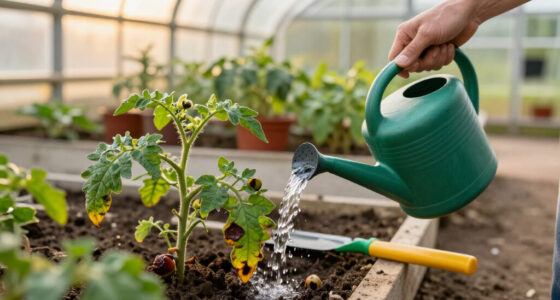
plant watering can with long spout
As an affiliate, we earn on qualifying purchases.
As an affiliate, we earn on qualifying purchases.
Key Questions
When should I sow red amaranth outdoors?
Sow after frost danger has passed and the soil is warm. Grow Organic cites a soil temperature near 60°F as a reference, while advising gardeners to check local frost dates and conditions.
When can I harvest red amaranth leaves?
The guide, citing Minnesota Extension, says leaves can be harvested when plants are about 8 inches tall. Pick tender leaves and leave enough foliage for continued growth.
How long does amaranth take to produce seed?
Mature seed may take about 90–100 days, according to the source’s Minnesota Extension reference. Variety and weather can change the timing; look for seeds that loosen readily from mature heads.
Can red amaranth grow in a pot?
Yes. The guide says containers can work if they have drainage holes, suitable potting mix, adequate sunlight and enough space for the plant’s mature size. Monitor moisture as the potting mix dries.
Does red amaranth return each year?
It is generally grown as an annual and is killed by frost. Fallen seeds may germinate and produce new plants, but that does not make the crop a perennial.
Source: rss
Halloween Picks
halloween
As an affiliate, we earn on qualifying purchases.