TL;DR

Get garden gear delivered free with Prime
- Fast, free delivery on millions of items
- Prime Video, Amazon Music and more included
- Member-only deals all year
Gardening Know How published an eight-step fall plan for making frequently used garden areas less attractive to snakes, with October identified as a useful time to act. The advice focuses on reducing cover, prey and access points; it does not establish that these steps will keep every snake away, and local conditions vary.
Gardening Know How has published an eight-step fall plan for reducing the places snakes can shelter and find prey in gardens, naming October as a useful time to make changes before some reptiles seek winter cover. The advice is aimed at areas people regularly use; it does not suggest that all snakes are dangerous or that the measures guarantee a snake-free yard.
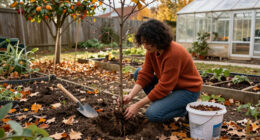
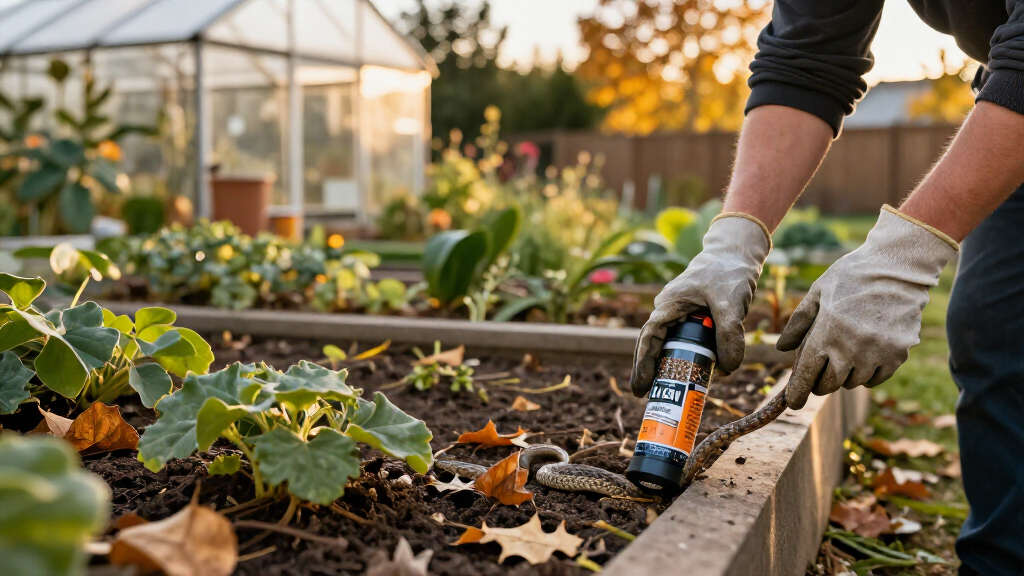
The guide says snakes may seek frost-free places to spend winter as temperatures fall, and recommends removing hiding spots near homes and frequently used parts of a yard. Its first steps are to clear clutter and fallen leaves, keep grass short, and prune low shrub branches so the ground beneath them is more exposed. It advises using tools rather than reaching by hand into areas that could conceal an animal.
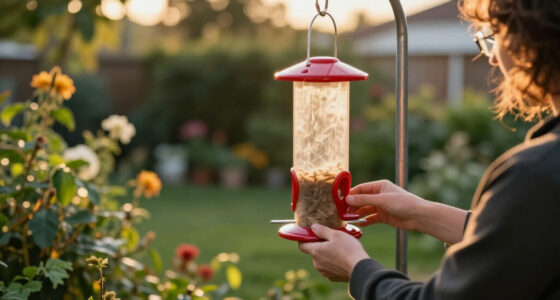
Other recommendations target shelter and food. The article suggests using fine compost rather than coarse bark or straw mulch, and reducing spilled seed around bird feeders because the seed can attract rodents and insects that snakes prey on. It also advises inspecting sheds and other structures for gaps and closing potential entry points. These are the publication’s recommendations, not a guarantee of results; the source provides no controlled evidence comparing their effectiveness.
Gardening Know How describes October as a period when snakes may be actively seeking food and winter shelter. It says to make repairs during the warmer part of the day, when snakes are more likely to be away from a sheltered opening. That timing is general guidance in the article, not a substitute for local wildlife advice or a reason to handle a snake.
Reducing Shelter Near Garden Paths
The practical value of the recommendations is in making frequently used areas less attractive, rather than trying to eliminate snakes from the wider environment. Clearing dense cover and fallen debris can make it easier to see what is on the ground, while keeping potential prey and access points under control may reduce reasons for some snakes to linger near a home.
The article also stresses that snakes can play a role in garden ecosystems. It says many species eat rodents, slugs or insects, and reports that about one-quarter of native U.S. snake species are venomous. That figure is presented by the source without a specific study or geographic breakdown. The distinction matters: the advice is about setting boundaries around places people use, not treating all snakes as pests. If a snake is present, readers should avoid handling it and seek local wildlife guidance where needed.
long handled garden rake for clearing leaves and debris
As an affiliate, we earn on qualifying purchases.
As an affiliate, we earn on qualifying purchases.
Why October Is the Focus
The report links its timing to seasonal behavior. As fall temperatures drop, some snakes look for sheltered locations to spend the colder months in a state called brumation, which the article compares with hibernation but describes as less deep. It says snakes may also be hungry during October as they build body reserves before winter.
Gardening Know How further says snakes may return to the same places to brumate and breed, and that a typical female may produce 10 to 30 young. Those are broad claims in the source; snake behavior and reproductive patterns differ by species and location. The article’s eight actions are: find and clear selected hiding places, mow grass, raise shrubs by pruning lower branches, use fine-compost mulch, reduce food sources, seal gaps, and take care when clearing or repairing areas—steps that group into reducing cover, prey and access.
““October is the very best time of the year to make your yard inhospitable to snakes.””
— Gardening Know How
heavy duty garden pruning shears for low shrub branches
As an affiliate, we earn on qualifying purchases.
As an affiliate, we earn on qualifying purchases.
Local Conditions Affect the Advice
The source does not identify a particular state, climate zone or snake species, and it does not provide research showing how much each measure reduces snake encounters. October’s usefulness will depend on local temperatures and wildlife patterns, so readers should not assume the same timing applies everywhere. The report also does not say that removing cover or food will prevent snakes from entering a yard.
Its numerical claims about venomous species and litter sizes are not tied in the article to named studies. Nor does it specify local rules for relocating or dealing with snakes. Where identification or removal is needed, readers should consult a qualified local wildlife service rather than attempt to capture an animal themselves.
fine compost mulch for garden beds
As an affiliate, we earn on qualifying purchases.
As an affiliate, we earn on qualifying purchases.
Check Yard Conditions This Fall
The report recommends inspecting the areas around homes, sheds and garden paths during fall, then addressing cover, spilled bird seed and gaps where appropriate. Homeowners should adapt the steps to local conditions and use tools when clearing concealed spaces. If they find a snake, they should keep their distance and contact local wildlife professionals for guidance. The publication does not announce a follow-up study or report measuring the results of the eight steps.
rodent-proof bird feeder seed catcher tray
As an affiliate, we earn on qualifying purchases.
As an affiliate, we earn on qualifying purchases.
Key Questions
Why does the guide recommend October?
Gardening Know How says some snakes seek sheltered places for winter brumation as fall temperatures drop, and may be active while looking for food and cover. The timing can vary by region and species.
What are the main steps for discouraging snakes?
The guide recommends reducing clutter and leaf piles, mowing grass, pruning low shrub branches, using fine compost instead of coarse mulch, limiting spilled bird seed, and sealing gaps in sheds or other structures. It does not claim these steps will keep every snake away.
Are all garden snakes dangerous?
No. The source says many snakes are useful predators of rodents and garden pests, while some species are venomous. Because identification can be difficult, do not handle a snake; seek local expert advice if one is found near a frequently used area.
Should I clear a suspected hiding place by hand?
No. The report advises using tools rather than reaching into concealed spaces. Keep distance from any snake and contact local wildlife professionals if you need help.
Source: rss
Fall yard work Picks
leaf blowers
As an affiliate, we earn on qualifying purchases.