
TL;DR

Get garden gear delivered free with Prime
- Fast, free delivery on millions of items
- Prime Video, Amazon Music and more included
- Member-only deals all year
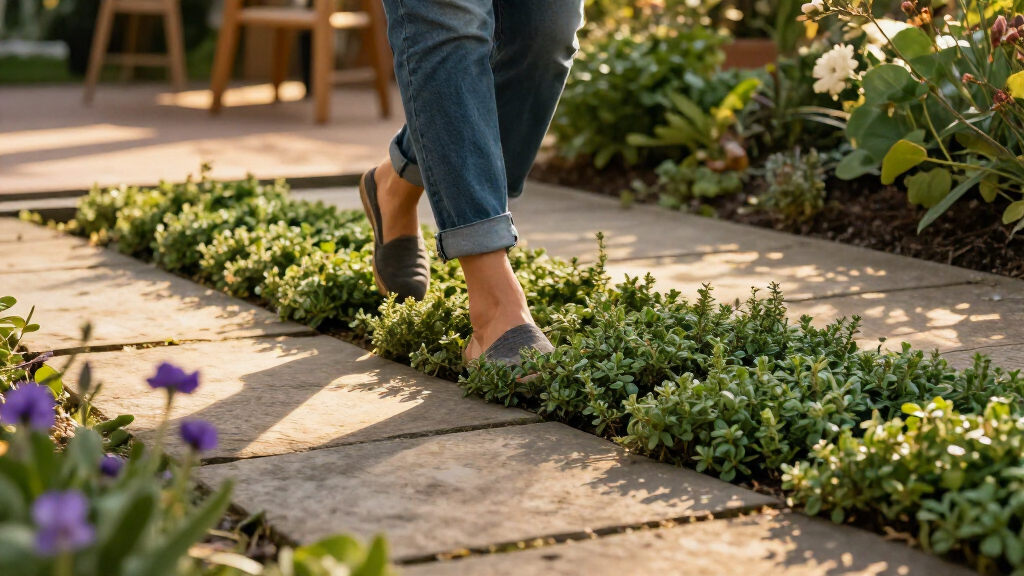
Low-water ground covers can soften paver paths, but most tolerate occasional steps better than repeated daily traffic. In hot, dry gardens, start with locally adapted plants such as creeping thyme or low mat-forming sedums for sunny, well-drained joints, then match each choice to your site and water it while it establishes. Keep pavers stable and let them carry the walking load.
Desert heat can turn a paver path into a row of warm stone plates, and the bare joints between them often collect weeds and dust. A living ground cover can soften that hard edge, but there’s a catch: a plant that survives a dry yard may still struggle when you step on it every day.
This guide helps you pick low-water ground covers for the actual conditions between your pavers: sun, soil depth, drainage, and how often people walk there. You’ll see which plants suit sunny or partly shaded joints, how to give new plugs a fair start, and when it makes more sense to widen the pavers than to ask a plant to take the pressure.
Make stable pavers carry regular walking traffic; reserve plants for joints that get occasional steps.
Match plants to the actual sun, soil depth, drainage, and climate of each joint.
Consider creeping thyme or low mat-forming sedum for sunny, well-drained, lightly used joints, with local climate caveats.
Use plugs for narrow gaps, prepare the soil, and water consistently while roots establish.
Trim growth off the pavers, monitor weeds, and treat repeated plant failure as a sign to change the plant or path layout.
Garden field guide · Water wise planting
Low-Water Ground Covers That Handle Foot Traffic Between Pavers
A living seam can soften a hot, hard path. Choose for the light, soil, drainage, and real walking pattern in each gap—and let stable pavers take the daily load.
Design the path around feet first
Most low-growing covers cope with a stray step better than repeated, concentrated trampling. A daily route needs dependable footing and less pressure on the plants.
Keep the walking line clear
Set broad, stable stones close enough for a natural stride. Use plants as green seams in joints that shoes rarely touch.
Read each joint
Full sun, shallow compacted soil, and fast drainage make a different planting spot from a cool, deeper shaded gap.
Protect the edge
Trim growth off pavers, avoid slick mats on the walking line, and keep flowering plants away from barefoot routes.
Match the cover to the conditions
These are starting points, not universal picks. Confirm local hardiness, water needs, growth habit, and whether a species is invasive in your region.
| Ground cover | Good fit | Watch for |
|---|---|---|
| Creeping thyme Thymus species |
Sunny, well-drained joints; light or occasional steps | May thin under repeated trampling; flowers can attract bees. |
| Low mat-forming sedum | Sunny, dry joints with minimal stepping | Fleshy stems and leaves can break underfoot. |
| Irish moss Sagina subulata |
Cooler, moist but well-drained spots | Less suited to hot, dry conditions. |
| Corsican mint Mentha requienii |
Mild, partly shaded areas kept lightly moist | More sensitive to drought and cold than many expect. |
| Dwarf mondo grass Ophiopogon japonicus ‘Nana’ |
Part shade in relatively mild climates | Slow to fill; harsh winters or very dry sites can cause decline. |
| Blue star creeper Isotoma fluviatilis |
Mild sites with moderate moisture | Can spread beyond joints and struggle in dry or cold sites. |
| Native or regional cover | Locally adapted climate and habitat | Confirm it suits the site and will not spread invasively. |
Water needs shift as roots grow
Use the graphic as a practical comparison of care demands—not a measured watering schedule. Site and weather change how quickly a joint dries.
Establishment attention
Water new plugs while roots settle in. Later, reduce watering according to species, local rainfall, and soil moisture.
Pressure from foot traffic
Repeated trampling removes leaf area and recovery time. Add or widen pavers where people walk often.
Creeping thyme and low mat-forming sedums can suit sunny, well-drained joints with occasional steps once established. In exposed desert heat, even new drought-tolerant plants can dry quickly; check local fit and water carefully as roots establish.
Give small plugs a fair start
Prepare the gaps before planting. Narrow joints are easier to fill with small plugs than seed, which can wash away or fail to reach the soil.
Clear and loosen
Remove weeds and loosen compacted soil where possible. Add suitable planting medium with enough depth for roots.
Set plugs in joints
Choose plants suited to the joint’s sun, drainage, climate, and available soil. Keep the planting surface below the paver tops.
Water consistently
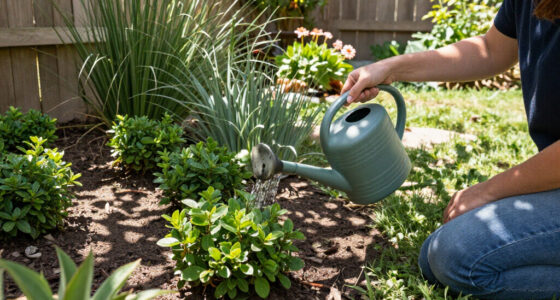
Use careful hand watering or drip during establishment, especially when hot weather and shallow gaps dry roots quickly.
Trim and reassess
Reduce water as roots settle in. Trim spillover, monitor weeds, and replace plants that repeatedly fail in that joint.
A path that works with the plants
Let the pavers take the steps and the plants soften the joints
Low-water ground covers that handle foot traffic between pavers work best when they take only occasional steps, while the pavers carry most of your weight. Few plants tolerate repeated, concentrated trampling, especially when hot stones dry their roots and leave little room for recovery. A plant that is flattened over and over has less leaf area to make energy and less time to replace damaged growth, so even a drought-tolerant choice may thin out along the busiest line.
Think of a path to the mailbox differently from a patio edge you cross once a week. On a daily route, set broad, stable pavers close enough for a natural stride and reserve the plants for the joints that your shoes rarely touch. On a stepping-stone path through a side garden, a low mat can fill the visual gaps and make the stones blend into the garden. The tradeoff is space: closer stones leave less room for greenery, but they also reduce missed steps, plant damage, and the temptation to add water to rescue a mat that is being walked on too often.
That distinction also affects safety. A plant that grows over a paver edge can hide a height difference, while a dense, damp mat may feel slick underfoot. Flowering plants can draw bees to the same place where someone walks barefoot. Keep the walking line clear, and use flowering or soft-textured plants in less-traveled joints.
For example, if you take the same route from the back door to a garden gate several times a day, put stable stones where your feet land and plant only along the edges. The ground cover becomes a green seam, not a doormat.
Popular right now

Ninja Foodi 10-Quart DualZone 6-in-1 Air Fryer, Black, DZ302

De'Longhi Rivelia Automatic Espresso Machine with Milk Frother – White

Dyson Ball Animal 3 Corded Upright Vacuum
As an affiliate, we earn on qualifying purchases.
Check sun, soil depth, and water before picking a plant
Low-water ground covers that handle foot traffic between pavers need enough suitable soil and the right light to recover from dry spells and stray footsteps. A narrow, compacted joint in blazing afternoon sun has different demands from a deep gap under a tree, even if both paths sit in the same yard. Those differences matter because a plant’s roots can only use the soil and water the joint holds; a hardy species cannot compensate for a gap that is too shallow or drains before water reaches its roots.
Start by watching the path through a full day. A sunny joint heats up quickly and usually dries faster; a shaded joint may stay cooler but hold moisture longer. Then check whether you can loosen the soil and how deep it is. Very shallow joints give roots little room, and water can run off before it reaches them. That can mean more frequent attention during establishment, while a deeper joint may buffer short dry spells but can also hold too much moisture for plants that need sharp drainage.
“Drought tolerant” describes how a plant copes once established; it doesn’t mean new plants need no water. Newly planted plugs in a hot Phoenix yard may need careful, consistent watering while roots settle, even if the mature plant can handle dry conditions. Reduce water later according to the species, weather, and soil rather than following a fixed schedule. Watering too little can prevent roots from expanding, but keeping a dry-site plant constantly wet can cause decline; the aim is enough moisture to root in, followed by the leaner conditions the mature plant prefers.
Also look beyond the path: does the plant creep into a lawn or bed? Will its flowers sit beneath bare feet? These details can turn a suitable plant into a frustrating choice. A small test patch in one sunny and one shaded joint can show you how fast each spot dries before you fill the whole path, and can reveal whether the upkeep needed to keep it healthy fits your routine.
Compare ground covers by the conditions your path can offer
Low-water ground covers that handle foot traffic between pavers are site-specific choices, not a universal plant list. Creeping thyme and low, mat-forming sedums can suit sunny, well-drained joints after they establish, but repeated steps can thin thyme or crush sedum’s fleshy growth. Their fit depends on the balance between light, moisture, and use: a plant that thrives in a sunny dry seam may be a poor choice for a shaded gap that stays damp, even though both are between pavers.
| Ground cover | Good fit | Watch for |
|---|---|---|
| Creeping thyme | Sunny, well-drained joints; occasional steps | May thin under repeated trampling; flowers can attract bees |
| Low mat-forming sedum | Sunny, dry joints with minimal stepping | Fleshy stems and leaves can break underfoot |
| Irish moss | Cooler, moist but well-drained spots | Less suited to hot, dry sites |
| Corsican mint | Mild, partly shaded areas kept lightly moist | More sensitive to drought and cold |
| Dwarf mondo grass | Part shade in relatively mild climates | Slow to fill and may suffer in harsh winters or very dry sites |
| Blue star creeper | Mild sites with moderate moisture | Can spread beyond joints and struggle in dry or cold sites |
Use the table as a first pass, then confirm the plant’s local climate fit and growth habit. In a hot, dry yard, a plant often sold as a soft, stepable mat may need more moisture than your path can support. A locally adapted ground cover can be a better starting point if you confirm that it won’t spread invasively. Also weigh the time each option takes to fill: a slow-growing plant may need less trimming once established, but leaves open soil longer for weeds; a faster creeper covers gaps sooner but can spill onto pavers or nearby beds.
Picture a shaded courtyard in a mild climate: Corsican mint may suit a lightly moist joint there, while the same plant in an exposed desert walkway could dry out quickly. The location changes the recommendation because shade reduces heat stress, but it does not make a moisture-loving plant drought tolerant.
Plant plugs with a simple routine that helps them settle in
Low-water ground covers that handle foot traffic between pavers have a better chance when you prepare the joints before planting. Small plugs are often easier to place than seed, which may wash or blow away before it takes root, especially in a shallow, sun-baked gap. Plugs also let you start with established roots, though they cost more per plant and still need careful watering until those roots grow beyond the original root ball.
- Clear the joint. Remove weeds and loose debris so the new plant doesn’t compete for its small patch of soil.
- Loosen what you can. Break up compacted soil carefully and add suitable planting medium if the joint needs more rooting space. Avoid creating a pocket that holds water around a plant that needs well-drained soil.
- Set the plug below the paver tops. Keep growth from immediately spilling onto the walking surface, and avoid burying the crown too deeply. This leaves room for the plant to spread without creating a raised, slippery edge.
- Water while roots establish. Check the planting medium regularly, especially during hot, dry weather, and use careful hand watering or a drip line to limit runoff. The shallow joint may dry faster than nearby beds, so check the actual root zone instead of assuming the path needs the same amount as the rest of the garden.
- Watch and adjust. Trim growth over pavers and replace plants that repeatedly fail in a specific joint. A pattern of failure may point to too much traffic, poor drainage, or insufficient soil depth rather than a need for more water.
For example, plant a few plugs along a sunny, well-drained stretch first. If they dry between waterings, try a deeper joint or a species better suited to that heat before filling the entire path. If they stay soggy or collapse, improve drainage or choose a plant suited to the moisture rather than watering less by guesswork.
Keep the planting surface below the paver tops so roots can spread without turning the path into a bumpy, slippery carpet. Once the plants settle in, cut back watering in line with the species and local rainfall. Don’t keep adding water indefinitely to rescue a plant poorly matched to the site.
Use a small trial patch to avoid a path-wide replant
Low-water ground covers that handle foot traffic between pavers still need a little observation before you commit a whole walkway. A trial patch lets you see how a plant responds to the exact sun, reflected heat, drainage, and stray footfalls in your yard. That matters because catalog descriptions describe general performance, while a narrow joint beside hot stone can create a harsher root environment than an open garden bed.
Choose several joints with different conditions: one that gets morning sun, another that bakes in the afternoon, and one that stays shaded. Plant a few plugs in each, label them, and check them after hot afternoons and after watering. A plant that looks perky in the morning but wilts by evening may be taking more heat than that joint can support. If the same plant does well in shade but not in afternoon sun, you have learned that light and reflected heat, rather than the species alone, are driving the difference.
Watch the traffic too. If shoes repeatedly flatten one patch while nearby growth stays upright, change the paver layout so the walking line lands on stone. This can solve the problem without more irrigation or constant replacement. Where the path is narrow and used every day, wider pavers may give you a better long-term result than trying a tougher plant. The added stone reduces planting area, but it makes each step more predictable and leaves the plants to do the job they handle well: covering the joints.
A small trial also reveals spread. Some ground covers creep over stone or into adjoining beds. If a patch pushes beyond its allotted joint, decide whether occasional trimming suits your routine or whether a slower-growing choice makes more sense. A month or two of observation can save a full season of pulling back an enthusiastic mat.
Keep the path tidy without watering it like a lawn
Low-water ground covers that handle foot traffic between pavers can reduce exposed soil and soften hardscape, but they won’t erase every weed or maintenance task. Dense growth can leave fewer open spots for weeds to sprout, yet seeds still arrive on the wind and can take root wherever a gap opens. A filled joint may make routine weeding easier, but only if the chosen plant remains healthy and does not demand more pruning or water than the bare joint did.
In a desert garden, inspect the joints after a windy spell or a summer storm. Pull small weeds before they set seed, trim any growth that drapes over the walking surface, and replace plants that repeatedly fail rather than increasing watering year after year. Keep the tops of pavers visible so you can see uneven edges and spot stones that shift. That visibility helps catch trip hazards early, while trimming keeps a ground cover from turning a clear step into a narrow or slick one.
Water efficiency comes from matching the plant to the place and then watering with care. A short, targeted hand watering or well-placed drip emitter during establishment can be more useful than spraying the whole path. After roots settle in, adjust to the species and current weather; a prolonged heat wave may still call for attention even from a drought-tolerant plant. The practical goal is to reduce unnecessary water once the plant can use the joint’s normal moisture, not to let it dry out during the period when roots are still expanding.
If bees visit flowering thyme or another flowering mat, leave that growth in joints away from a barefoot route. You can keep a low, nonflowering or less attractive walking line near a pool gate and let the blooms sit along a garden edge instead. That small layout choice supports pollinators while keeping the path comfortable to use.
Frequently Asked Questions
Can ground cover withstand people walking on it?
Some ground covers tolerate occasional steps, especially in joints between widely spaced pavers. Repeated daily traffic can flatten or kill many plants, so use stable pavers for your main walking line and treat the plants as joint filler.
Which ground cover needs the least water?
Low mat-forming sedums and creeping thyme are often considered for sunny, well-drained, dry sites once established. Both still need water while settling in, and neither is a fit for every climate or for repeated trampling.
Will ground covers grow in narrow joints?
They may, but very narrow or shallow joints limit root space and can dry quickly in hot weather. Give plugs the deepest, best-drained joints available and test a small area before planting the full path.
Should I sow seed or plant plugs between pavers?
Plugs or small plants are often more reliable in narrow joints because seed can blow or wash away and young seedlings dry out easily. Prepare the gap first and water the plugs consistently while their roots establish.
Do drought-tolerant plants still need water?
Yes. Drought tolerance applies after establishment, not from the day you plant. Water new plants carefully, then reduce watering based on the species, soil, and local weather.
Can ground cover stop weeds between pavers?
A healthy, dense mat can reduce exposed soil where weeds might sprout, but it won’t eliminate them. Pull weeds that appear in gaps before they spread or set seed.
Conclusion
Let stable pavers carry your daily steps, then choose a locally suited ground cover to soften the joints around them. Start with a small patch, watch how it handles the heat and water available, and give new plugs steady care while their roots settle in.
The best path is the one that still feels sure beneath your shoes, with a little green tucked between the stones.