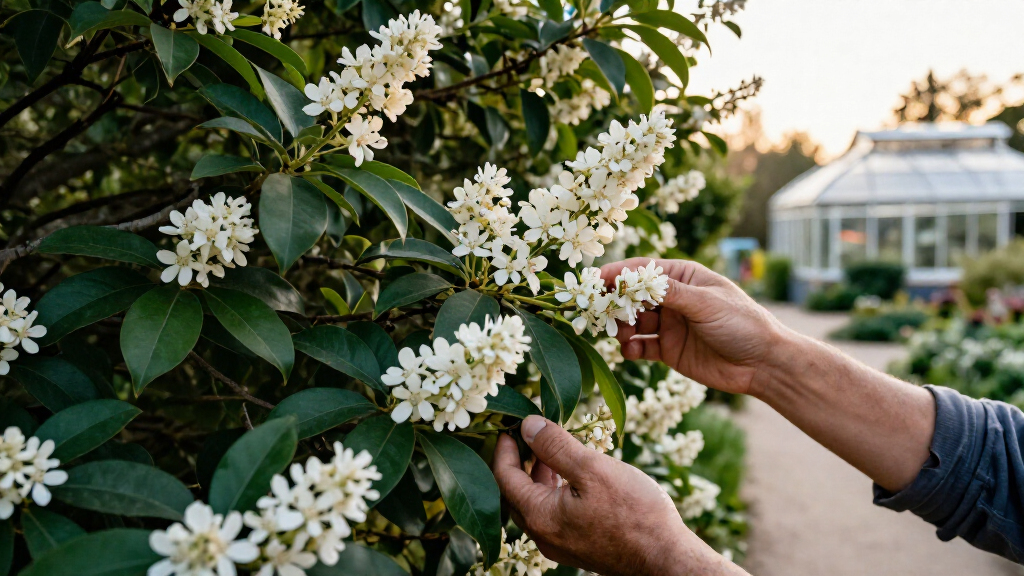

Choosing the best flowering evergreen trees requires balancing year-round foliage with seasonal blooms, a tradeoff that defines this category. My top overall pick is the Little Gem Magnolia, which offers a rare combination of compact size, fragrant flowers, and manageable maintenance. For those seeking vibrant color and drought tolerance, the Red Cluster Bottlebrush stands out as a robust alternative, while the Dahoon Holly provides unique structural interest with its red berries. The primary challenge buyers face is matching the tree’s mature height to their available space, as many evergreens grow far larger than expected. Continue reading to compare these seven options and determine which tree aligns with your specific landscape needs.

Get garden gear delivered free with Prime
- Fast, free delivery on millions of items
- Prime Video, Amazon Music and more included
- Member-only deals all year
Complete the kit


Key Takeaways
- The Little Gem Magnolia dominates the compact category due to its ability to flower at a young age, unlike larger magnolias that take years to bloom.
- Red Cluster Bottlebrush offers the highest visual impact for pollinators but requires full sun and well-draining soil to prevent root rot.
- Bulk purchases like Loblolly Bay and Southern Magnolia are cost-effective for hedging but demand significant upfront labor for planting and initial care.
- Size variation is critical: the Bracken’s Brown Magnolia is a mid-sized option, while Little Gem varieties range from saplings to established trees, affecting immediate curb appeal.
- Maintenance needs vary widely; Dahoon Holly is low-maintenance once established, whereas magnolias may require regular pruning to maintain shape and remove dead branches.
| Red Cluster Bottlebrush Live Plant, 1 Gallon |  | Best for Repeat Blooms in a Small Yard | Botanical name: Callistemon citrinus | Plant type: Shrub or small tree | Container size: 1 gallon | VIEW LATEST PRICE | See Our Full Breakdown |
| Dahoon Holly Evergreen Tree, 18–24 in., 5-Gallon Nursery Pot |  | Best for Berries and a Formal Evergreen Shape | Plant type: Broadleaf evergreen tree | Height at shipment: 18–24 inches | Pot size: 5 gallons | VIEW LATEST PRICE | See Our Full Breakdown |
| Loblolly Bay (Gordonia lasianthus), 10 Live Plants |  | Best for Wet Sites and Multi-Plant Coverage | Scientific name: Gordonia lasianthus | Plant type: Evergreen flowering tree | Quantity: 10 plants | VIEW LATEST PRICE | See Our Full Breakdown |
| Perfect Plants Little Gem Magnolia Tree, 1–2 ft Live Plant |  | Best Compact Magnolia for Narrow Spaces | Variety: Little Gem Magnolia (Magnolia grandiflora) | Current height: 1–2 feet | Mature height: 20–25 feet | VIEW LATEST PRICE | See Our Full Breakdown |
| Perfect Plants Bracken’s Brown Magnolia Tree, 5–6 ft, Live Plant |  | Best for a Mature-Scale Specimen or Privacy Screen | Plant height: 5–6 feet | Mature height: 30–40 feet | Mature width: 15–25 feet | VIEW LATEST PRICE | See Our Full Breakdown |
| Southern Magnolia (Magnolia grandiflora), 10 Live Trees |  | Best for Privacy Planting | Plant type: Evergreen tree | Quantity: 10 live trees | Foliage: Glossy green | VIEW LATEST PRICE | See Our Full Breakdown |
| Perfect Plants Little Gem Magnolia Live Tree, 4–5 ft |  | Best Compact Magnolia | Botanical name: Magnolia grandiflora ‘Little Gem’ | Plant height: 4–5 ft | Mature height: 20–25 ft | VIEW LATEST PRICE | See Our Full Breakdown |
| flowering evergreen tree | Plant type | Sunlight exposure | Mature height |
|---|---|---|---|
| Red Cluster Bottlebrush Live P | Shrub or small tree | Full sun | — |
| Dahoon Holly Evergreen Tree | Broadleaf evergreen tree | — | Up to 30 feet; listed expected height is 15 feet |
| Loblolly Bay | Evergreen flowering tree | Full sun to partial shade | — |
| Perfect Plants Little Gem Magn | — | Full sun | 20–25 feet |
| Perfect Plants Bracken’s Brown | Live flowering evergreen tree | Full sun to partial shade | 30–40 feet |
| Southern Magnolia | Evergreen tree | — | — |
| Perfect Plants Little Gem Magn | — | — | 20–25 ft |
More Details on Our Top Picks
Red Cluster Bottlebrush Live Plant, 1 Gallon
Red Cluster Bottlebrush is the most flexible choice here if you want an evergreen flowering plant that can be kept shrub-sized or trained into a small tree. Its red brush-shaped flowers appear intermittently through the year, with stronger flowering in warm months, while the prunable rounded crown helps it fit landscape accents and tighter yards. Compared with the Little Gem Magnolia, it offers a less formal shape and a longer potential flowering window, but its blooms are less like the magnolia’s large, fragrant flowers. It also asks for patience: drought tolerance applies only after establishment, and flowers attract honeybees, making a spot beside a busy doorway less suitable. Choose it for adaptable form and hummingbird- and butterfly-attracting blooms, not for a tidy, low-maintenance specimen from day one.
Pros:- Can be grown as a shrub or trained into a single- or multi-trunk small tree
- Intermittent red blooms can appear throughout the year, especially in warm months
- Evergreen foliage and flowers attract hummingbirds and butterflies
- Drought-tolerant once established and moderately salt-tolerant
Cons:- Attracts honeybees, which may be inconvenient beside doors or high-traffic seating areas
- Needs regular attention to water while establishing before drought tolerance applies
- Its shrub-like, prunable form is less naturally formal than the pyramidal Dahoon Holly
Best for: Gardeners in warm climates who want an evergreen plant that can be pruned as a small tree and offers recurring blooms for pollinators.
Not ideal for: Households seeking a bee-free planting near an entryway, or buyers who need a drought-tolerant plant immediately after planting.
- Botanical name:Callistemon citrinus
- Plant type:Shrub or small tree
- Container size:1 gallon
- Foliage:Evergreen
- Sunlight exposure:Full sun
- Expected blooming period:Year-round, spring, and summer
- Moisture needs:Drought-tolerant once established
- Salt tolerance:Moderate
Our verdict“Pick Red Cluster Bottlebrush if you want a shapeable evergreen small tree with recurring red blooms and can allow for bees and establishment watering.”
Dahoon Holly Evergreen Tree, 18–24 in., 5-Gallon Nursery Pot
The Dahoon Holly earns its place for buyers who want more than a flowering season: its glossy, dense pyramidal foliage stays green, summer-to-fall flowers give way to red berries, and pruning can refine its shape. Against the Red Cluster Bottlebrush, the holly trades conspicuous, repeat red flower brushes for a more restrained display followed by seasonal berry color. It also arrives at 18–24 inches in a 5-gallon pot, giving it a substantial root-container size for a young tree, though it still needs time to reach its listed mature dimensions. The tradeoff is moisture: it prefers consistently moist, well-drained soil and regular watering, unlike the bottlebrush once that plant is established. Its berries may cause mild digestive upset if eaten, so it is a poor fit where children or pets are likely to sample them.
Pros:- Glossy evergreen foliage forms a dense, naturally pyramidal tree
- Small white flowers are followed by red berries in fall and winter
- Can be shaped through pruning, including hard pruning
- Ships in an 18–24-inch plant in a 5-gallon nursery pot
Cons:- Needs regular watering and consistently moist, well-drained soil
- Berries may cause mild digestive upset if eaten by people or pets
- Shipping is restricted to California, Arizona, Alaska, and Hawaii
Best for: Gardeners in USDA zones 7–11 who want a shaped broadleaf evergreen with white flowers and red fall-and-winter berries, and can provide regular moisture.
Not ideal for: Dry-garden owners or households where children or pets may eat berries; also skip it if shipping to California, Arizona, Alaska, or Hawaii.
- Plant type:Broadleaf evergreen tree
- Height at shipment:18–24 inches
- Pot size:5 gallons
- Mature height:Up to 30 feet; listed expected height is 15 feet
- Mature spread:Around 15 feet
- USDA hardiness zones:7–11
- Blooming period:Summer to fall
- Soil moisture:Regular watering; consistently moist, well-drained soil
- Flower and berry color:White flowers; red berries
Our verdict“Choose Dahoon Holly for a formal evergreen silhouette and red winter berries if you can keep its soil moist and manage access to the fruit.”
Loblolly Bay (Gordonia lasianthus), 10 Live Plants
Loblolly Bay is the specialized pick in this group: its fragrant white summer flowers and glossy evergreen leaves suit rain gardens, pond margins, and ground that stays wet or is periodically flooded. The key difference from the Dahoon Holly is its comfort with boggy conditions; the holly asks for consistently moist, well-drained soil, while Loblolly Bay is intended for wetter ground. The listing supplies 10 live plants, making it a better fit for establishing a screen or planting several parts of a damp site than buying one standout specimen. That quantity is less useful if you only have room for a single tree. It also needs moist soil to thrive and prefers full sun to partial shade, so it is not the adaptable choice for a dry, shaded corner. Treat the supplied count as a planting opportunity, not a promise of instant mature screening.
Pros:- Fragrant white flowers bloom in summer against glossy evergreen foliage
- Tolerates moist, boggy, and periodically flooded soil
- Ten plants can support a grouped planting or privacy screen
- Can serve as a shade tree, screen, or specimen plant once established
Cons:- Needs moist soil, making it a poor match for dry sites
- Prefers full sun to partial shade rather than deep shade
- A 10-plant quantity may be excessive for buyers seeking one accent tree
Best for: Landowners with a pond edge, rain garden, or periodically flooded area who want multiple evergreen plants for a screen or grouped planting.
Not ideal for: Gardeners with dry soil, deep shade, or space for only one specimen; its moisture preference and 10-plant quantity may not suit those needs.
- Scientific name:Gordonia lasianthus
- Plant type:Evergreen flowering tree
- Quantity:10 plants
- Sunlight exposure:Full sun to partial shade
- Soil preference:Moist, boggy, or periodically flooded soil
- Flowering season:Summer
- Flower color:White
- Primary uses:Shade tree, privacy screen, or specimen planting
Our verdict“Choose Loblolly Bay for a damp landscape where you can use all 10 plants; pick the Little Gem Magnolia instead for a narrower single-tree planting.”
Perfect Plants Little Gem Magnolia Tree, 1–2 ft Live Plant
Little Gem Magnolia is the strongest fit here when a flowering evergreen tree needs to stay comparatively narrow. Its listed mature size of 20–25 feet tall and 10–15 feet wide is easier to place beside a building or in a landscape bed than the much larger Bracken’s Brown Magnolia, which can reach 30–40 feet tall and 15–25 feet wide. Glossy dark foliage and fragrant, creamy white 4–6-inch flowers bring the classic magnolia look, while the naturally narrow habit avoids a routine pruning job. That convenience does not make it a tiny tree: the young plant ships at just 1–2 feet and still needs room to mature. It is listed for full sun and moderate watering, and sandy soil is specified. Shipping is unavailable to Arizona and California, which rules it out for some buyers.
Pros:- Narrow growth habit suits beds, entryways, and building corners
- Glossy evergreen leaves provide year-round foliage
- Fragrant creamy white flowers measure 4–6 inches
- Naturally maintains its shape without requiring pruning
Cons:- Mature size of 20–25 feet tall and 10–15 feet wide still needs meaningful space
- Ships at only 1–2 feet, so it requires time to become a landscape feature
- Does not ship to Arizona or California
Best for: Homeowners with a sunny, narrow planting area who want a fragrant, evergreen magnolia and can wait for a 1–2-foot plant to mature.
Not ideal for: Buyers seeking a genuinely small patio tree, a larger planting specimen on arrival, or delivery to Arizona or California.
- Variety:Little Gem Magnolia (Magnolia grandiflora)
- Current height:1–2 feet
- Mature height:20–25 feet
- Mature width:10–15 feet
- Flower color and size:Creamy white; 4–6 inches
- Bloom period:Spring to summer; listing also notes summer to fall
- Sunlight exposure:Full sun
- Watering:Moderate
- Shipping restriction:Does not ship to Arizona or California
Our verdict“Choose this Little Gem if you want fragrant magnolia flowers in a naturally narrow form and have room for its eventual 20–25-foot height.”
Perfect Plants Bracken’s Brown Magnolia Tree, 5–6 ft, Live Plant
Bracken’s Brown Magnolia is the large-scale choice for buyers who want a substantial evergreen presence rather than the tighter footprint of the Little Gem Magnolia. It arrives at 5–6 feet tall, compared with Little Gem’s 1–2 feet, and its mature reach of 30–40 feet tall and 15–25 feet wide supports use as a specimen, flowering hedge, or privacy screen. Leathery green leaves show copper-brown undersides, adding a foliage detail the Little Gem’s listing does not emphasize. This tree tolerates heat and drought, but it performs best in full sun and still needs moderate watering; drought tolerance is not a reason to ignore establishment care. Its size can overwhelm a compact yard, and the listing excludes shipping to Arizona and California. Choose it for space and screening, not for a restrained planting.
Pros:- Ships at 5–6 feet, substantially taller than the 1–2-foot Little Gem in this roundup
- Mature size can provide meaningful screening at 30–40 feet tall
- Leathery green leaves have distinctive copper-brown undersides
- Tolerates heat and drought and can grow in full sun to partial shade
Cons:- Mature dimensions of 30–40 feet tall and 15–25 feet wide require ample room
- Performs best in full direct sunlight, limiting placement in shaded yards
- Does not ship to Arizona or California
Best for: Owners of larger sunny properties who want a taller evergreen magnolia for a specimen planting, hedge, or privacy screen.
Not ideal for: Small-yard gardeners, buyers who need a compact tree, or shoppers in Arizona and California where shipping is unavailable.
- Plant height:5–6 feet
- Mature height:30–40 feet
- Mature width:15–25 feet
- Plant type:Live flowering evergreen tree
- Sunlight exposure:Full sun to partial shade
- Soil type:Loam
- Soil moisture:Moderate watering
- Included:Plant food and care guide
- Shipping restriction:Does not ship to Arizona or California
Our verdict“Pick Bracken’s Brown Magnolia when you have room for a tall, broad evergreen screen and want a larger plant on arrival than the compact Little Gem.”
Southern Magnolia (Magnolia grandiflora), 10 Live Trees
This set suits buyers who want several evergreen magnolias for a screen, windbreak, or larger landscape rather than one specimen tree. Glossy foliage and fragrant, creamy-white flowers bring year-round visual interest, while the dense canopy can add shade as the trees mature. Compared with the Little Gem Magnolia, this selection is the better fit for planting multiple trees across a broad area; Little Gem is easier to place where mature width is limited. The tradeoff is space: Southern magnolias develop wide-spreading branches, so close spacing or a small yard can lead to crowding. The listing also gives mixed soil cues—clay soil in the specs, but well-drained soil in the care guidance—so buyers should check drainage at the planting site. It is listed for spring planting and moderate watering.
Pros:- Ten trees support a multi-planting screen or landscape project
- Glossy evergreen foliage provides year-round coverage
- Fragrant, creamy-white blooms add ornamental interest
- Dense mature canopy can provide shade and privacy
Cons:- Wide-spreading branches require generous spacing
- A 10-tree set may be excessive for buyers needing only one specimen
- Soil guidance is mixed, listing clay soil while also calling for well-drained conditions
Best for: Property owners planting a multi-tree privacy screen or shade canopy where there is ample room for broad, mature magnolias
Not ideal for: Small-yard gardeners or anyone seeking a single compact flowering tree; the 10-tree quantity and wide-spreading growth need substantial space
- Plant type:Evergreen tree
- Quantity:10 live trees
- Foliage:Glossy green
- Flowers:Fragrant, creamy white
- Sun exposure:Full sun
- Expected blooming period:Winter, year-round
- Watering:Moderate
- Planting period:Spring
Our verdict“Choose this set for a spacious property that needs multiple flowering evergreen trees, but pick Little Gem Magnolia for a more compact planting.”
Perfect Plants Little Gem Magnolia Live Tree, 4–5 ft
For a buyer who wants magnolia flowers without the broad footprint of a standard Southern magnolia, Little Gem is the more manageable choice. This 4–5-foot live tree has a listed mature size of 20–25 feet tall and 10–15 feet wide, with dark-green evergreen leaves and rusty-brown undersides. Its fragrant white flowers arrive from summer into fall, giving it a different bloom window from the Southern Magnolia set, which is positioned for a larger, multi-tree screen. Little Gem also suits coastal gardens, but its slow growth means it will take time to become a substantial focal point or privacy plant. It prefers moderate watering and is described as intolerant of soil extremes, so it is less forgiving of difficult planting conditions. The included fertilizer blend and planting guide add practical support for first-time growers.
Pros:- Narrower mature form fits smaller gardens better than broad Southern magnolias
- Evergreen leaves have dark-green tops and rusty-brown undersides
- Fragrant white flowers bloom from summer to fall
- Includes a fertilizer blend and planting guide
Cons:- Slow growth delays shade and screening benefits
- Intolerant of soil extremes, limiting suitability for challenging sites
- Listed as unavailable for orders to California and Arizona
Best for: Gardeners with limited space who want one evergreen flowering magnolia, especially in a coastal landscape within zones 7–9
Not ideal for: Buyers seeking fast shade or an immediate privacy screen, or gardeners with extreme soil conditions or planting sites outside zones 7–9
- Botanical name:Magnolia grandiflora ‘Little Gem’
- Plant height:4–5 ft
- Mature height:20–25 ft
- Mature width:10–15 ft
- Foliage:Evergreen; dark green above, rusty-brown below
- Bloom period:Summer to fall
- Sunlight:Full sun to partial shade
- USDA hardiness zones:7, 8, 9
- Watering:Moderate
Our verdict“Choose Little Gem for a single, space-conscious magnolia with summer-to-fall flowers, not for quick screening or rapid shade.”
How We Picked
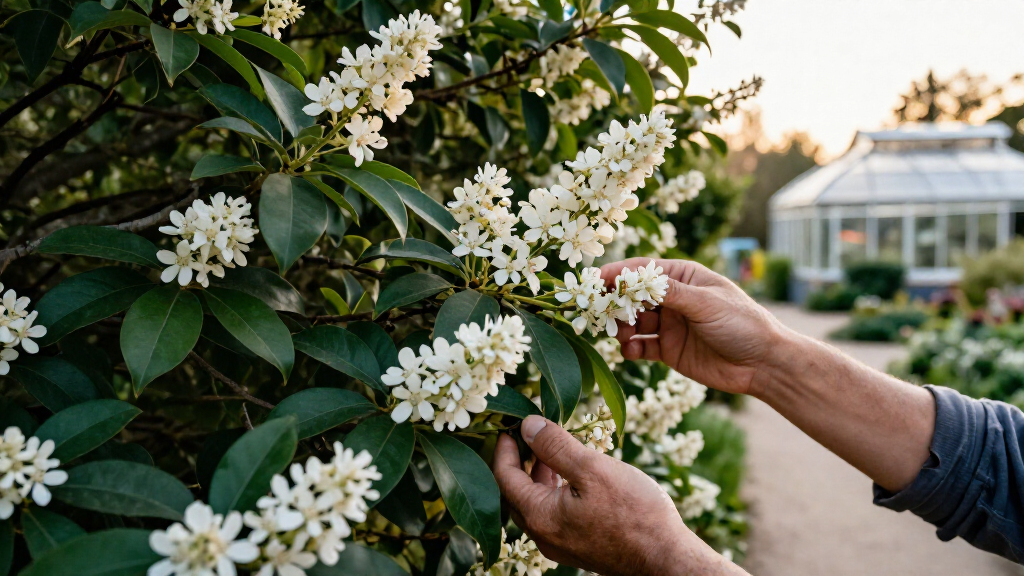
I evaluated these trees based on flowering reliability, mature size, and hardiness. Not all evergreens flower abundantly, so I prioritized species known for consistent blooms rather than occasional displays. I also assessed the plant-to-plant consistency in bulk options, noting that single-species bundles like Loblolly Bay offer uniformity for hedging, while mixed-quality nursery pots can vary. Climate adaptability was another key factor, distinguishing between trees suitable for mild winters versus those requiring strict frost protection.
My ranking logic favors versatility and ease of care for most homeowners. The Little Gem Magnolia ranks highest because it fits small yards and large estates alike, whereas the Southern Magnolia is ranked lower for general buyers due to its massive footprint. I also considered value per plant for bulk options, recognizing that planting ten trees requires a different budget and skill level than buying one established specimen.
| flowering evergreen tree | Plant type | Sunlight exposure |
|---|---|---|
| Red Cluster Bottlebrush Live P | Shrub or small tree | Full sun |
| Dahoon Holly Evergreen Tree | Broadleaf evergreen tree | — |
| Loblolly Bay | Evergreen flowering tree | Full sun to partial shade |
| Perfect Plants Little Gem Magn | — | Full sun |
| Perfect Plants Bracken’s Brown | Live flowering evergreen tree | Full sun to partial shade |
| Southern Magnolia | Evergreen tree | — |
| Perfect Plants Little Gem Magn | — | — |
Factors to Consider When Choosing Best Flowering Evergreen Trees
Selecting the right flowering evergreen involves more than just picking a pretty flower. These factors will help you avoid common landscaping mistakes and ensure long-term success.Mature Size vs. Current Height
Buyers often mistake the height of a sapling for its mature size. A 1–2 ft Little Gem Magnolia might look small now, but it will eventually reach 20–30 feet if left unpruned. Always check the ultimate spread and height before planting near foundations or power lines. Conversely, a 5–6 ft Bracken’s Brown Magnolia offers immediate impact but may require staking to prevent wind damage during its first year. Matching current height to future space prevents the need for expensive removal later.
Flower Timing and Pollinator Value
Not all flowering evergreens bloom at the same time. Bottlebrush provides vivid red flowers that attract hummingbirds during warmer months, while Magnolias offer large, fragrant white blooms in late spring. If you want year-round interest, consider pairing Dahoon Holly, which produces berries after flowering, with spring-blooming trees. Understanding bloom cycles helps you design a garden that remains visually engaging throughout the seasons, rather than having a single burst of color followed by months of plain green.
Soil Drainage and Root Health
Most flowering evergreens, particularly Magnolias and Bottlebrush, suffer in waterlogged soil. Before planting, assess your site’s drainage; if water pools after rain, choose raised beds or amend the soil heavily with organic matter. Loblolly Bay is more tolerant of wet conditions, making it a better choice for soggy areas where other options would fail. Ignoring soil conditions is the leading cause of failure in this category, often resulting in root rot within the first two years.
Bulk Planting vs. Single Specimens
Purchasing 10 live trees like the Southern Magnolia or Loblolly Bay offers significant savings per unit but requires a larger investment in time and tools. Bulk orders arrive as young saplings that need consistent watering and protection for the first few years. In contrast, buying a single 4–5 ft Little Gem provides instant gratification and reduces the risk of early-stage loss. Decide if you prioritize cost efficiency and long-term landscaping or immediate visual impact with lower risk.
Pruning Requirements and Shape Retention
Some trees, like the Red Cluster Bottlebrush, can become leggy if not pruned regularly to encourage branching and flowering. Magnolias generally require less structural pruning but benefit from the removal of dead or crossing branches to maintain air circulation. Dahoon Holly is often left in its natural form, requiring minimal intervention. If you dislike maintenance, choose species that hold their natural shape well, such as Hollies, rather than those that demand annual shearing to look tidy.
Frequently Asked Questions
Can I grow Little Gem Magnolias in containers?
Yes, Little Gem Magnolias are one of the few magnolia varieties that thrive in containers due to their slower growth rate and compact root system. Use a large pot with excellent drainage and a high-quality potting mix enriched with compost. You will need to water more frequently than in-ground trees, especially during summer, and fertilize annually to support flowering. This makes them an excellent choice for patios or small urban gardens where ground planting is impossible.How long does it take for Bottlebrush to flower?
Red Cluster Bottlebrush plants typically begin flowering within 2–3 years of planting, provided they receive full sun and adequate water during establishment. Young plants may produce fewer blooms initially, but the display intensifies as the shrub matures. To encourage earlier and more prolific flowering, avoid high-nitrogen fertilizers, which promote leaf growth at the expense of buds. Patience is key, as the plant prioritizes root development in its first year.Are Dahoon Hollies deer resistant?
Dahoon Holly is generally considered deer resistant due to its leathery, thick leaves and bitter taste. While hungry deer may sample it during harsh winters, it is rarely damaged as severely as softer-leaved evergreens like Azaleas or Hollies with thinner foliage. This makes it a reliable choice for rural properties or areas with high deer populations. However, young plants may still need temporary fencing until they establish a robust size.What is the difference between Bracken’s Brown and Little Gem Magnolia?
The primary difference lies in mature size and flower color. Little Gem grows to 20–30 feet with pure white flowers, while Bracken’s Brown is a hybrid that often displays brownish-bronze undersides on leaves and can grow slightly larger depending on conditions. Little Gem is more widely available and proven in diverse climates, whereas Bracken’s Brown offers a unique aesthetic for collectors. For most homeowners, Little Gem is the safer, more versatile choice.Do I need to buy multiple Southern Magnolias for pollination?
No, Southern Magnolias are self-fertile, meaning a single tree can produce flowers and fruit without a partner. However, buying multiple trees, such as the 10 Live Trees pack, is usually for hedging or creating a visual screen rather than pollination purposes. If you only need one focal point tree, a single specimen is sufficient. Ensure you have enough space, as these trees can grow over 60 feet tall and spread widely.Conclusion
For the best overall balance of size, beauty, and ease, the Little Gem Magnolia remains the superior choice for most gardens. If you prioritize value and bulk planting, the Loblolly Bay or Southern Magnolia packs offer excellent economics for hedging, provided you have the space and patience. For beginners wanting low maintenance and deer resistance, the Dahoon Holly is a resilient, no-fuss option. Finally, if you seek immediate impact in a smaller footprint, the 4–5 ft Little Gem provides instant curb appeal without the years of waiting associated with saplings. Choose based on your available space and how much maintenance you are willing to commit to yearly.