
TL;DR

Get garden gear delivered free with Prime
- Fast, free delivery on millions of items
- Prime Video, Amazon Music and more included
- Member-only deals all year
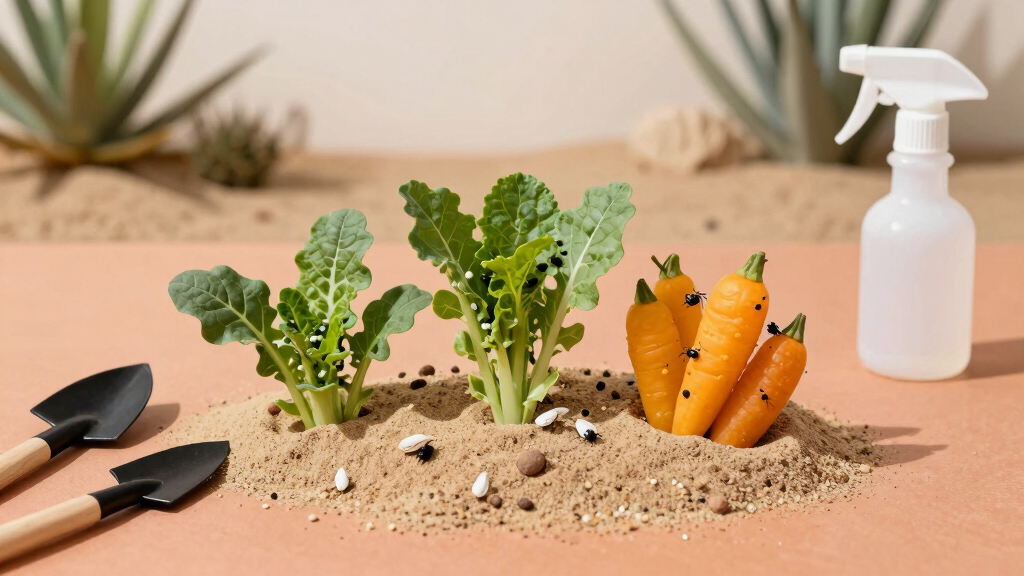
Aphids and whiteflies spread quickly on desert vegetables, but low-toxicity control methods like beneficial insects, neem oil, and physical barriers work well. Combining these approaches keeps your garden healthy and pest-free without harming the environment.
Imagine standing in your desert garden, fresh vegetables just starting to thrive—then you spot tiny whiteflies fluttering around or clusters of green aphids munching on your tomatoes. These pests are relentless, especially in our dry, hot climate. Yet, you don’t have to reach for harsh chemicals that threaten the delicate desert ecosystem.
This guide is your practical, no-nonsense approach to managing aphids and whiteflies with low-toxicity methods. You’ll learn how to identify these pests, what natural allies you can deploy, and simple cultural tricks to keep your crops healthy and pest-free.
Early detection and regular monitoring are your best tools against aphids and whiteflies.
Beneficial insects like lady beetles and parasitic wasps can drastically reduce pest populations naturally.
Organic sprays like neem oil and insecticidal soaps are effective low-toxicity options—use them regularly and correctly.
Physical barriers such as row covers and sticky traps provide chemical-free pest prevention.
Healthy, resilient plants are less attractive to pests—keep your desert garden robust.
Aphids & Whiteflies Without the Harsh Chemicals
These sap-feeding pests multiply fast in hot, dry gardens—but early detection, natural predators, targeted sprays and physical barriers can stop an outbreak while protecting pollinators, soil life and scarce water.
Know which pest is on the plant
Inspect new growth, stems and leaf undersides at least weekly. Sticky honeydew, curled leaves and black sooty mold often reveal feeding before the insects become obvious.
Clustered sap suckers
Small, soft-bodied insects—often green, black or yellow—that crowd around tender shoots and stems.
- Dense colonies on new growth
- Curled, distorted or stunted leaves
- Sticky honeydew and sooty mold
- Some adults may develop wings
A cloud when disturbed
Tiny, white, moth-like adults that gather beneath leaves and rise together when a plant is shaken.
- White adults beneath foliage
- Scale-like immature stages on leaves
- Yellowing and reduced plant vigor
- Honeydew followed by sooty mold
Turn over three leaves from the lower, middle and upper canopy. Then gently shake the plant. Clusters point toward aphids; a rising white cloud points toward adult whiteflies.
Four controls that work together
Integrated pest management combines complementary tools. Physical prevention reduces arrivals, predators suppress colonies and selective sprays handle localized flare-ups.
Beneficial insects
Lady beetles and lacewing larvae attack aphids. Parasitic wasps target whiteflies and help sustain long-term suppression.
Neem & soap
Target soft-bodied pests directly. Thorough leaf coverage matters because these treatments have limited residual action.
Physical barriers
Row covers block new arrivals, while reflective mulch disrupts whiteflies’ visual landing cues.
Sticky monitoring
Yellow cards capture adult whiteflies and reveal whether pressure is rising or falling. They do not control immature stages.
Choose the least disruptive effective tool
Start with prevention and biological control. Add a contact treatment only where monitoring shows that natural suppression is not keeping pace.
| Method | Best target | Effectiveness | Environmental impact | Ease | Key limitation |
|---|---|---|---|---|---|
| Lady beetles / parasitic wasps | Aphids / whiteflies | ✓ High | ✓ Minimal | ~ Moderate | Need habitat, mild weather and pesticide protection |
| Neem oil | Both pests | ✓ Moderate–high | ✓ Low when directed | ✓ Easy | Requires coverage and repeat timing |
| Insecticidal soap | Soft-bodied stages | ✓ Effective on contact | ✓ Very low residual | ✓ Easy | Missed insects survive; heat can stress leaves |
| Row covers / reflective mulch | Incoming adults | ✓ High preventively | ✓ None chemically | ~ Installation needed | Covers must be adjusted for growth and pollination |
| Yellow sticky traps | Adult whiteflies | ~ Useful support | ✓ Low | ✓ Very easy | Does not reach eggs or immature stages |
Effectiveness varies with pest pressure, application quality, crop canopy, temperature and the survival of beneficial insects.
Release beneficial insects without losing them
A purchased predator is only useful if it survives, stays near the crop and finds prey. Habitat and timing are part of the treatment.
Aphid reduction in two weeks
The supplied Gardener AZ figure illustrates the potential of lady beetles when releases are well timed and broad-spectrum insecticides are avoided.
Outcome depends on site conditions and predator retention
Make the garden harder to invade
Healthy plants tolerate light feeding and support natural control. Avoid the tender, nitrogen-heavy growth that often attracts sap-feeding pests.
Water consistently
Use deep, appropriate irrigation and mulch to limit drought stress without leaving roots continuously saturated.
Fertilize moderately
Excess nitrogen produces lush growth that aphids and whiteflies can exploit. Feed according to crop need.
Sanitize hotspots
Remove severely infested leaves, control nearby weeds and clear exhausted crops that can shelter new generations.
Rotate crop families
Changing planting locations helps interrupt persistent pest and disease cycles around preferred hosts.
Use reflective mulch
A reflective surface can confuse incoming whiteflies and reduce successful landings during establishment.
Inspect new plants
Check transplants before they enter the garden. Quarantine or treat any plant carrying adults, nymphs or colonies.
From first clue to stable control
Every intervention should lead back to monitoring. A falling count means the system is working; a rising count signals the need for another compatible layer.
Check stems, new growth and leaf undersides.
Identify predators before choosing treatment.
Add covers, mulch or sticky monitoring cards.
Use neem or soap with complete, targeted coverage.
Track the same leaves and adapt the next step.
Keep the response precise and gentle
- Detect colonies early, before leaves curl and populations surge.
- Use lady beetles, lacewings and parasitic wasps as active partners.
- Reserve neem oil and insecticidal soap for targeted contact treatment.
- Apply sprays during cooler hours and test a small leaf area first.
- Use row covers, reflective mulch and yellow cards to reduce arrivals.
- Support resilient plants with balanced water, nutrition and sanitation.
Avoid spraying heat-stressed foliage or applying oils during intense sun. Follow the product label, protect pollinators and treat only where pest counts justify action.
Monitor → act → recountHow to Spot Aphids and Whiteflies Before They Take Over
Quick answer: Aphids are tiny, soft, and often green or black, clustering on new growth. Whiteflies are small, white, moth-like insects that fly up in clouds when disturbed. Spotting these pests early is your best defense.
Picture this: you notice a sticky sheen on your pepper leaves and small green bugs clustered on the stems. Or you shake a tomato plant and a cloud of tiny white insects rises. Regularly inspecting your plants, especially the undersides of leaves, catches infestations early.
Look for curled leaves, honeydew, and sooty mold—signs that pests are feeding and causing trouble. Recognizing these early signs is crucial because it allows you to intervene before the pests multiply and cause significant damage. Early detection also helps you choose targeted, low-toxicity treatments, reducing unnecessary chemical use and preserving beneficial insects that naturally control pest populations.
beneficial insect lady beetles for garden pest control
As an affiliate, we earn on qualifying purchases.
As an affiliate, we earn on qualifying purchases.
Why Low-Toxic Control Is Best for Desert Gardens
In desert environments, water conservation and ecological health are king. Chemical pesticides can harm beneficial insects, disrupt soil life, and even pollute scarce water sources. These impacts can lead to a less resilient garden ecosystem, making plants more vulnerable over time.
Low-toxicity options like neem oil, insecticidal soaps, and natural predators are gentle on your plants, soil, and the wider ecosystem. They target pests effectively without the collateral damage that broad-spectrum chemicals cause. Using these methods helps maintain a balanced environment where natural pest control mechanisms—like predatory insects and beneficial microbes—can thrive, reducing the need for repeated interventions.
For example, neem oil interferes with pest hormone systems, reducing populations without harming bees or other beneficial insects. This selective action supports the overall health of your garden, ensuring that natural relationships between plants, pests, and predators remain intact, which is essential for sustainable gardening in arid climates.
organic neem oil for vegetable plants
As an affiliate, we earn on qualifying purchases.
As an affiliate, we earn on qualifying purchases.
Top Natural Ways to Keep Aphids and Whiteflies Away
Here’s the good news: you can control these pests with simple, low-toxicity strategies that work synergistically. Each method offers different benefits and potential tradeoffs, so combining them provides a more resilient defense.
- Deploy beneficial insects: Lady beetles feast on aphids, while parasitic wasps target whiteflies. These natural predators are highly effective but depend on a healthy habitat and can be influenced by environmental conditions. Ensuring a continuous supply of flowering plants or providing shelter increases their survival and effectiveness.
- Use organic sprays: Neem oil, insecticidal soaps, and garlic or chili pepper sprays act as repellents or killers. They are generally safe but require correct application timing and frequency to avoid stressing plants or disrupting beneficial insects. Overuse can lead to pest resistance, so integrated timing is essential.
- Physical barriers: Reflective mulches and row covers physically block or disorient pests, preventing infestations. These barriers are highly effective but may require initial investment and regular adjustments to maintain coverage, especially as plants grow.
- Trap pests: Yellow sticky traps attract and catch adult whiteflies—reducing the mating pool and slowing population growth. They are simple to use but only target flying adults; thus, combining traps with other methods amplifies control efficiency.
For instance, setting out yellow sticky traps in your tomato patch can cut whitefly numbers by 60% in just two weeks, but pairing this with beneficial insects can bolster long-term suppression and reduce chemical dependence.
physical row covers for vegetable garden
As an affiliate, we earn on qualifying purchases.
As an affiliate, we earn on qualifying purchases.
Compare Natural Pest Control Options in a Nutshell
| Method | Effectiveness | Environmental Impact | Ease of Use |
|---|---|---|---|
| Beneficial insects (ladybugs, parasitic wasps) | High, with quick population suppression | Minimal, promotes natural balance | Moderate, requires habitat management |
| Neem oil | Moderate to high, especially with regular application | Low, biodegradable, safe when used as directed | Easy to apply, can be used preventatively |
| Insecticidal soaps | Effective on soft-bodied pests | Very low, breaks down quickly | Simple spray-on application |
| Physical barriers (row covers, sticky traps) | High for adult pests, prevents new infestations | None, physical methods | Easy, but needs installation |
sticky traps for whiteflies and aphids
As an affiliate, we earn on qualifying purchases.
As an affiliate, we earn on qualifying purchases.
How to Use Beneficial Insects Without Killing Them
Beneficial insects are your allies, but they’re delicate. To keep them thriving:
- Buy from reputable suppliers or encourage them naturally by planting native flowering plants. This supports their survival and reproduction, ensuring a steady natural pest control workforce.
- Avoid broad-spectrum insecticides that kill beneficials—stick to organic options like neem or soaps. These selective treatments preserve the beneficial insect populations that keep pests in check.
- Provide habitat: leave some leaf litter or plant perennial flowers nearby to shelter predators. A diverse plant environment fosters a balanced ecosystem, enabling beneficial insects to establish and persist.
- Release ladybugs or parasitic wasps early in the season—preferably in the evening to avoid heat stress. Timing releases during cooler parts of the day maximizes survival and impact.
Imagine releasing a batch of ladybugs in early spring, watching them settle on your infested tomato plants, and within days, aphids diminish significantly. This approach creates a self-sustaining pest control system that reduces reliance on external interventions and chemical treatments.
Prevent Pest Problems Before They Start
Prevention beats cure, especially in desert gardens. Maintaining healthy plants is fundamental because robust plants are naturally more resistant to pest invasions. When plants are stressed or weak, pests find it easier to establish and proliferate, creating a cycle that’s hard to break. Using reflective mulches disorients whiteflies by confusing their visual cues, making it harder for them to land and feed, thus reducing initial infestation chances. Crop rotation disrupts pest life cycles by removing their preferred host plants from the immediate environment, which can significantly lower pest population buildup over seasons. Removing weeds and debris eliminates hiding spots and breeding grounds, directly reducing pest habitat. For example, planting marigolds near your tomatoes not only beautifies the garden but also emits natural repellents that deter whiteflies, creating an additional layer of defense that supports your integrated pest management strategy.
Frequently Asked Questions
Can I use homemade remedies to control aphids and whiteflies?
Absolutely. Solutions like garlic spray, chili pepper repellent, or neem oil mixed with water are effective when applied regularly. These homemade remedies work because they either repel or disrupt pest behavior, reducing their ability to colonize your plants. However, their effectiveness depends on consistent application and proper timing, especially during active infestations. Overusing homemade solutions or applying them at the wrong time can stress plants or be less effective, so understanding pest life cycles and applying treatments accordingly maximizes benefits while minimizing risks.
How often should I apply organic treatments?
Most organic sprays work best when applied every 5-7 days during active pest outbreaks. Regular application ensures pests are consistently exposed to the treatment, preventing them from developing resistance and allowing natural predators to keep up with pest reproduction. Monitoring your plants closely helps determine if more frequent applications are necessary, especially in periods of high pest activity or adverse weather conditions that may wash away sprays. Proper timing and consistent use are key to integrating organic treatments effectively into your pest management plan.
Are beneficial insects safe around pets and children?
Yes. Beneficial insects like ladybugs and parasitic wasps are harmless to humans and pets. They are natural components of your garden ecosystem and do not pose health risks. Their role is to keep pest populations in check, and they typically do not bite or sting. Ensuring that releases are done thoughtfully and avoiding chemical treatments that could harm beneficial insects further enhances garden safety for your family and pets.
What’s the best way to prevent pests from returning?
Maintaining plant health through proper watering, fertilization, and crop rotation is fundamental because healthy plants are less attractive to pests. Using physical barriers like row covers prevents pests from reaching plants, while encouraging natural predators maintains a balanced ecosystem that naturally suppresses pest populations. Regularly removing weeds and debris minimizes hiding spots and breeding sites. Combining these practices creates a hostile environment for pests, disrupting their life cycles and reducing the likelihood of infestations recurring. This integrated approach fosters a resilient garden that can withstand pest pressures over time.
Conclusion
Controlling aphids and whiteflies in your desert garden doesn’t mean sacrificing ecological health. By combining beneficial insects, organic sprays, and smart cultural practices, you can keep pests down and your plants thriving.
Think of your garden as a balanced ecosystem—protect it, and it’ll protect your harvest. Next time you see those tiny whiteflies or green clusters, remember: nature’s allies are just a few steps away.
Fall Picks
fall essentials
As an affiliate, we earn on qualifying purchases.