
TL;DR

Get garden gear delivered free with Prime
- Fast, free delivery on millions of items
- Prime Video, Amazon Music and more included
- Member-only deals all year
White fuzz on prickly pear is likely cochineal scale. These tiny, sap-sucking insects weaken plants and produce a cottony appearance. Early detection and natural controls can keep them in check without chemicals.
That fuzzy white stuff on your prickly pear? It’s not mold or powdery mildew—it’s probably cochineal scale insects. These tiny pests have a big impact, weakening your cactus and even giving it a cottony look. But understanding what they are and how to handle them can save your plant and keep your desert garden healthy.
If you’ve ever looked closely at a prickly pear and noticed those soft, white patches, you’re seeing a common desert pest with a fascinating history. From damaging plants to fueling a centuries-old dye industry, cochineal insects are more important than they appear. In this guide, we’ll break down what they are, how to spot them, and simple ways to keep them under control—without turning to harsh chemicals.
Identify cochineal scale by white, fuzzy patches along areoles and spines on prickly pear.
Early detection and gentle removal prevent severe damage and mold buildup.
Natural predators like lady beetles can control populations without chemicals.
Avoid stressing plants; healthy cacti resist pests better.
Regular inspections and quarantine keep infestations from spreading.
White Fuzz on Prickly Pear: Cochineal Scale Explained
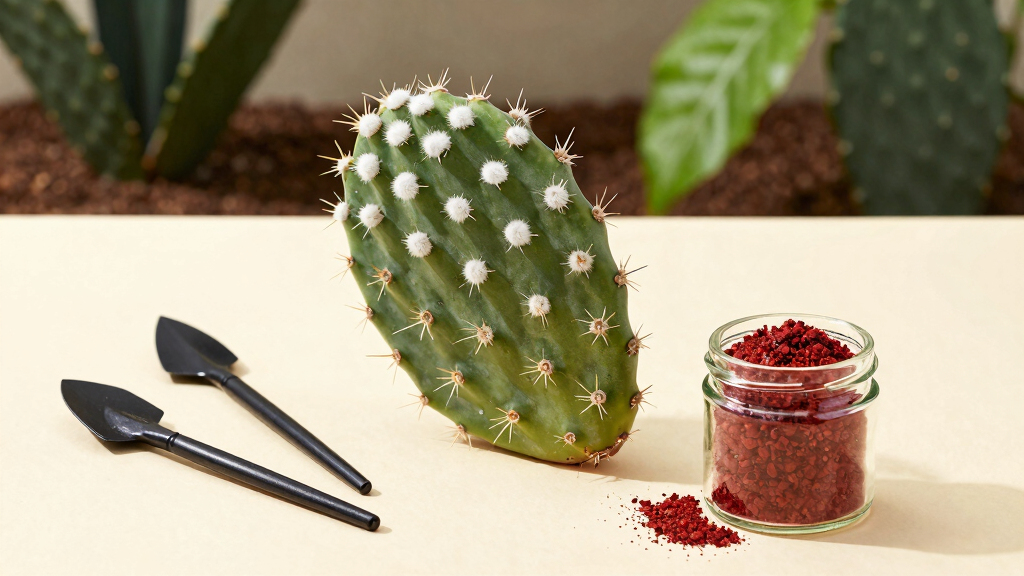
That cottony coating is probably not mold. It is the waxy shelter of tiny sap-sucking insects clustered around the cactus’s areoles and spines. Catch them early and gentle, low-impact controls can protect the plant without harsh chemicals.
Read the cactus, not just the color
Cochineal insects are difficult to see individually, but the protective white wax around them is conspicuous. Inspect the plant’s structure closely: infestations tend to gather where pads, areoles and spines offer shelter.
Cotton-like clusters
Look for soft, irregular white or off-white patches that resemble small pieces of cotton wool attached to the pad.
Areoles and spines
Clusters commonly settle around the raised areoles where spines emerge, along pad edges and in protected creases between pads.
Yellow, dull or limp pads
Sap loss can produce yellowing, wilting, reduced vigor or dieback. Sticky residue and dark sooty mold suggest a more established problem.
A quick confirmation clue
With gloves on, gently press a small sample of the fuzz. A deep red or magenta smear strongly points toward cochineal pigment. Use care around glochids and spines.
A slow chain of plant stress
A light infestation is manageable. Left unchecked, repeated feeding drains plant resources, compounds environmental stress and creates conditions for secondary problems.
Pressure rises with plant stress
Qualitative risk scale: heat can accelerate pest activity, while weakened plants have fewer resources for defense and recovery.
Spot an infestation before it spreads
Weekly inspection during warm periods is a simple advantage. Check newly purchased plants separately and clean tools after working around suspected colonies.
| Diagnostic clue | Cochineal scale | Powdery mildew | Mineral residue |
|---|---|---|---|
| Raised, cottony clusters | ✓Strong match | ✗Usually flatter | ✗Usually crusty |
| Concentrated at areoles | ✓Typical | ~Not specific | ~Depends on spray pattern |
| Red or magenta when crushed | ✓Key clue | ✗No | ✗No |
| Wipes away as a chalky film | ~Wax may lift in clumps | ~Possible | ✓Common |
| Living insects under coating | ✓Confirmatory | ✗No | ✗No |
Start gentle. Escalate only as needed.
Integrated pest management combines observation, physical removal, biological controls and careful plant care. Repeat treatments matter because waxy shelters can protect insects from a single application.
Brush or rinse clusters away
Use a soft toothbrush, tweezers or a controlled stream of water. Wear gloves and avoid damaging the pad surface.
Use soap or horticultural oil
Apply insecticidal soap or a labeled horticultural oil in the cool morning or evening. Test a small area first to reduce burn risk.
Protect natural predators
Lady beetles—including Cryptolaemus montrouzieri—and other beneficial insects can suppress young colonies when broad-spectrum pesticides are avoided.
Prune the worst pads
Remove severely affected pads with clean tools. Bag or isolate the cuttings rather than leaving them beside healthy host plants.
Keep the cactus resilient
Water deeply but sparingly, maintain drainage and avoid unnecessary injury. Balanced care improves recovery without creating excess moisture.
Recheck and repeat
Inspect again after treatment and continue weekly monitoring. Clean tools before moving to another cactus to reduce accidental transfer.
From cactus insect to historic red dye
Cochineal has another identity: a source of carminic acid. Indigenous American producers developed sophisticated cultivation and processing traditions long before the pigment became a globally traded colorant.
Related does not always mean harvest-ready
The species cultivated specifically for commercial dye is Dactylopius coccus. A random colony found on a garden prickly pear should be treated as a plant-health issue, not assumed to be the same managed dye-producing stock.
Carmine remains valued as a vivid natural red used in selected textiles, cosmetics and food products. Its story connects desert ecology, agriculture, trade and color technology.
What Are Cochineal Scales? Here’s How to Recognize Them Fast
Cochenail scale insects are tiny, sap-sucking pests that look like white, fuzzy patches on cactus pads. They measure less than 5 mm, so they’re almost impossible to see without a magnifier, but their cottony appearance makes them stand out. You’ll mostly find them along the areoles—the little bumps where spines grow—or near spines and pads.
Imagine a small piece of cotton wool glued to your cactus—this is the classic look. They often appear in clusters, giving the plant a fuzzy, white coat that’s easy to spot during inspections. If you see this on your prickly pear, you’re dealing with cochineal scale insects.
Recognizing these pests quickly is crucial because their presence indicates an active infestation that can weaken your plant. Early detection allows for less invasive control methods and prevents the pests from spreading or causing irreversible damage. The cottony appearance also signals that the infestation has reached a stage where natural predators or gentle removal methods can be most effective, reducing the need for chemical intervention.
As an affiliate, we earn on qualifying purchases.
Why These Tiny Pests Are More Than Just Ugly Spots
These insects feed on the cactus’s sap, weakening the plant over time. You might notice yellowing or wilting of pads, or even dieback if the infestation gets severe. Plus, they excrete honeydew—like a sticky, sweet dew—that can grow mold and further block sunlight from reaching the plant’s surface.
For example, I once saw a prickly pear in my neighbor’s yard looking limp and dull. A quick peek revealed clusters of white fuzz—cochineal scale. After a few weeks of treatment, the plant bounced back, but left untreated, this tiny pest can cause real damage.
The impact of cochineal scale goes beyond the plant’s appearance. As they weaken the cactus, they make it more vulnerable to other stressors like drought, disease, or further pest infestations. This can lead to a cycle of decline, where the plant’s natural defenses are compromised, making management more difficult and costly. Understanding these implications highlights why early intervention is essential—not just for aesthetics, but for the plant’s overall health and longevity.
natural cochineal scale insect treatment
As an affiliate, we earn on qualifying purchases.
As an affiliate, we earn on qualifying purchases.
How Climate and Environment Make Cochineal Worse
Warm, dry conditions—like those in the desert—favor cochineal proliferation. Drought-stressed plants are especially vulnerable because their defenses weaken. Global trade and plant movement have spread these pests beyond their native Central and South America, making infestations common in desert regions worldwide.
For instance, a recent outbreak in Arizona spread rapidly on weakened cacti, showing how climate stress and movement of plants can turn a minor annoyance into a serious problem.
Advances in detection, like AI imaging, now help identify infestations early, giving gardeners a fighting chance to control them before they take over.
Understanding how environmental factors influence cochineal populations is key to managing their spread. Hot, dry conditions accelerate their life cycle, leading to faster infestations. Conversely, overly irrigated or poorly maintained plants may temporarily resist pests, but excessive moisture can also foster mold and other secondary problems. Recognizing these tradeoffs helps gardeners implement more effective, context-specific control strategies, emphasizing the importance of balanced watering and proper plant care to reduce vulnerability.
As an affiliate, we earn on qualifying purchases.
Simple Steps to Spot Cochineal on Your Cactus — Fast & Easy
- Inspect regularly: Look along the areoles and spines—white, fuzzy patches are dead giveaways.
- Check for honeydew: Sticky residue or black mold indicates active infestation.
- Use a magnifier: Tiny insects hide in the fuzz, so a close look helps confirm presence.
- Monitor plant health: Yellowing or wilting can be signs of sap loss from cochineal feeding.
- Compare with photos: Many local garden centers or online resources offer images for quick ID.
Early detection is vital because once the infestation becomes widespread, it’s harder to control and can lead to significant plant stress or death. Regular inspections allow you to catch problems early, minimizing the need for more aggressive treatments and helping maintain a healthy, resilient cactus.
As an affiliate, we earn on qualifying purchases.
Best Ways to Control Cochineal Scales Without Harming Your Garden
Managing cochineal scale insects is about gentle, natural methods that protect beneficial insects and your cactus. Here are proven tactics:
- Mechanical removal: Use a soft toothbrush or tweezers to gently brush off clusters.
- Horticultural oils: Apply neem or insecticidal soap, which smothers the pests without harsh chemicals. Spray early morning or late evening to avoid sunburn.
- Introduce natural predators: Lady beetles (*Cryptolaemus montrouzieri*) love feasting on cochineal. Release them in early infestation stages for best results.
- Prune heavily infested pads: Dispose of cuttings away from other plants.
- Maintain plant vigor: Water deeply but sparingly, and avoid stress that invites pests.
Implementing these methods supports a balanced ecosystem, reducing reliance on chemical pesticides that can harm beneficial insects or pollute your soil. Each approach works best when tailored to the infestation level and environmental conditions, emphasizing the importance of integrated pest management for sustainable gardening.
Can Cochineal Be Used for Dye? Here’s the Truth
Yes, but not the same cochineal insects on your cactus. The insects used for dye production are *Dactylopius coccus*, cultivated specifically on cochineal farms for their vibrant red pigment called carmine.
In fact, the bright red dye comes from harvesting these insects, then drying and grinding them into powder. It’s a centuries-old process, dating back to the Aztecs, and still valued for organic and natural products today.
So while your prickly pear’s cochineal aren’t used for dye, understanding their connection highlights their ecological role and the importance of sustainable harvesting.
This distinction matters because harvesting insects from wild cacti can harm local populations and disrupt ecological balances. Cultivated cochineal farming allows for sustainable production without overharvesting wild populations, ensuring the insects’ ecological roles are preserved while still producing a valuable dye. Recognizing this relationship underscores the importance of supporting responsible, eco-friendly practices in dye manufacturing and pest management.
Spread and Risks: How to Keep Cochineal From Invading More Plants
These pests spread easily through contact—on tools, hands, or neighboring infested plants. They thrive in clusters, so once one plant gets them, nearby plants can quickly follow. Regular inspection and quarantine of new plants are key.
For example, I once moved a new cactus into my yard without checking, and within weeks, cochineal appeared. Now, I always isolate new plants for a month.
Using clean tools and removing infested pads promptly reduces the risk of spread.
Preventing the spread of cochineal is vital because once established, they can rapidly infest an entire garden, making control more difficult and costly. The pests’ ability to hitchhike on tools, clothing, and new plants means that even a single overlooked plant can seed an outbreak. This underscores the importance of sanitation, quarantine procedures, and vigilant monitoring in maintaining a healthy, pest-free environment. Investing in these preventative measures is a small effort that pays off by saving time, money, and the health of your garden in the long run.
Frequently Asked Questions
Can I use household soap to get rid of cochineal scale on my cactus?
Yes, a few drops of dish soap mixed with water can help smother small infestations. Spray lightly, ensuring you cover all affected areas, and avoid applying in the hottest part of the day to prevent sunburn.Are cochineal insects dangerous to pets or kids?
Generally, cochineal insects are not toxic. However, honeydew and mold produced by the pests can cause mold allergies or skin irritation. Keep infested plants clean and out of reach if you have pets or children.How often should I inspect my prickly pear for cochineal?
Check your plants once a week during the growing season, especially in late summer and fall when infestations tend to appear. Early detection is key to keeping them manageable.Is there a way to prevent cochineal from returning after treatment?
Maintaining plant health, inspecting regularly, and removing any new clusters promptly help prevent reinfestation. Quarantining new plants for a month also reduces risk.Conclusion
Cochineal scale insects might be tiny, but their impact is real. Catching them early with a keen eye and treating them gently can save your cactus and keep your desert garden thriving. Remember, understanding these pests turns an eyesore into eco-friendly control.
Next time you see that white fuzz, think of it as a sign—an opportunity to act before they take over. With patience and the right approach, your prickly pear can stay healthy and beautiful for years to come.
Fall Picks
fall essentials
As an affiliate, we earn on qualifying purchases.