
TL;DR

Get garden gear delivered free with Prime
- Fast, free delivery on millions of items
- Prime Video, Amazon Music and more included
- Member-only deals all year
Search interest in hummingbird feeding tips is rising this fall, driven by bird enthusiasts seeking ways to attract and protect hummingbirds. Experts recommend five key strategies to ensure safe and effective feeding.
Amid rising interest in attracting hummingbirds this fall, experts emphasize five key strategies to help bird enthusiasts feed hummingbirds safely and effectively. These tips aim to improve hummingbird health and ensure their well-being during seasonal migration periods.
Recent data indicates a spike in online searches related to hummingbird feeding, suggesting increased engagement from bird watchers and nature enthusiasts. The five secrets focus on optimal nectar preparation, proper feeder placement, hygiene practices, and seasonal adjustments to feeding routines. These measures are supported by ornithologists and experienced birders who stress the importance of safety and habitat considerations during fall migration.
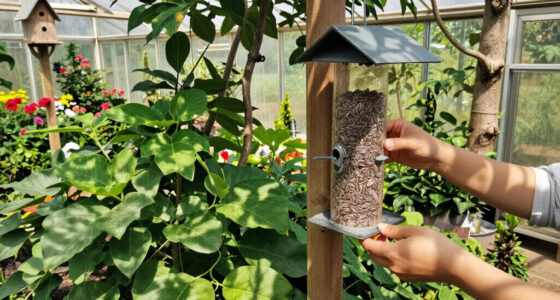
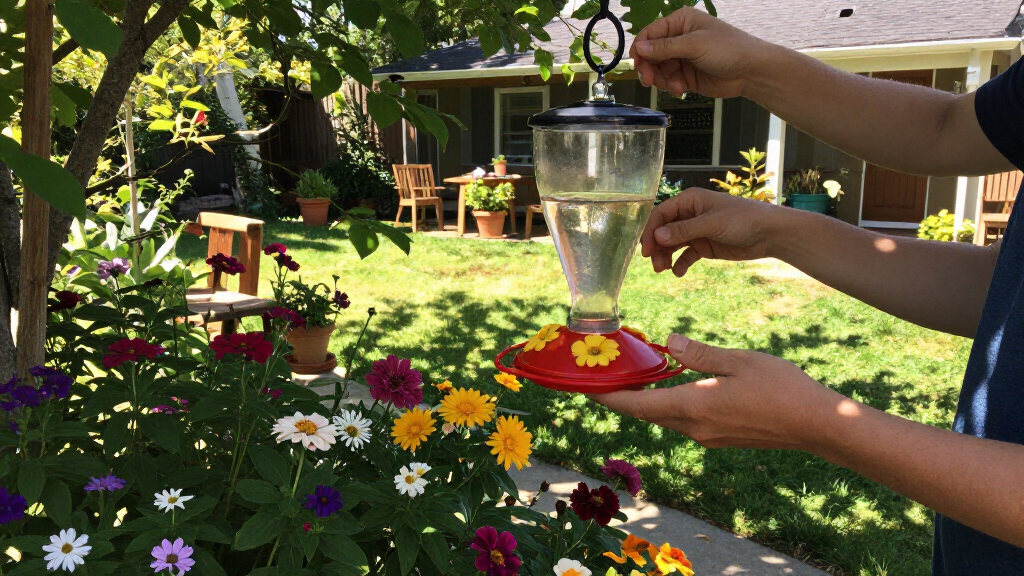
One confirmed recommendation is to use a 4:1 ratio of water to sugar when preparing nectar, avoiding artificial sweeteners or red dyes, which can harm hummingbirds. Experts also advise placing feeders in shaded, sheltered locations away from predators and harsh weather, ensuring easy access for hummingbirds while minimizing risks. Regular cleaning of feeders with hot water is another confirmed practice to prevent mold and disease transmission. Additionally, adjusting feeding schedules to match hummingbird migration patterns helps sustain their energy levels during their long journey.
While these tips are widely endorsed by bird conservation groups, it is still unclear how much impact individual feeding habits have on hummingbird migration success or overall populations. The trend appears to be driven by a mix of confirmed best practices and anecdotal reports, with ongoing research needed to quantify effects.
Why Proper Fall Feeding Matters for Hummingbird Conservation
Following these five secrets can significantly improve the safety and health of hummingbirds during fall, especially as they prepare for migration. Proper feeding practices help sustain hummingbirds’ energy, reduce risks of disease, and support local populations. For bird enthusiasts, adopting these strategies fosters responsible wildlife stewardship and enhances their connection with nature during this critical season.
As an affiliate, we earn on qualifying purchases.
Seasonal Trends and Growing Interest in Hummingbird Care
Interest in hummingbird feeding peaks during spring and fall, coinciding with migration periods when these birds are most active around feeders. The current spike in search activity during fall 2023 may be linked to increased media coverage, social media sharing, and a broader push for wildlife-friendly gardening. Historically, hummingbird feeding has been a popular hobby, but recent trends suggest a shift toward more informed and responsible practices, driven by conservation awareness and health concerns for the birds.
Experts note that the unconfirmed rise in public interest may also reflect a desire to connect with nature amid ongoing environmental challenges. However, it remains unclear whether this increased attention will lead to measurable benefits for hummingbird populations or if it is primarily driven by seasonal curiosity.
As an affiliate, we earn on qualifying purchases.
Unconfirmed Impact of Feeding Practices on Migration Success
While the recommended feeding strategies are supported by experts, it is not yet clear how much individual practices influence hummingbird migration success or population health. Ongoing research is needed to determine the actual ecological impact of these habits, and whether widespread adoption can meaningfully support conservation efforts.
hummingbird nectar recipe 4:1 water sugar
As an affiliate, we earn on qualifying purchases.
As an affiliate, we earn on qualifying purchases.
Monitoring and Promoting Responsible Hummingbird Feeding
Bird conservation groups and researchers plan to monitor the effects of these recommended practices over the coming migration seasons. Increased education efforts and community engagement are expected to promote responsible feeding behaviors. Future studies may clarify the long-term benefits of these strategies for hummingbird populations and migration health.
As an affiliate, we earn on qualifying purchases.
Key Questions
What is the best nectar recipe for hummingbirds this fall?
The recommended mixture is 4 parts water to 1 part white granulated sugar, heated until dissolved, then cooled before filling feeders. Avoid artificial sweeteners and red dyes.
How often should I clean my hummingbird feeders?
It is advised to clean feeders thoroughly with hot water at least once a week, more frequently in hot weather, to prevent mold and bacteria buildup.
Where should I place my hummingbird feeders for safety?
Place feeders in shaded, sheltered locations away from predators like cats, and ensure they are easily accessible for cleaning and refilling.
Can feeding hummingbirds impact their migration?
There is no conclusive evidence that feeding affects migration timing or success. Proper feeding supports their energy needs during critical periods, but its ecological impact remains under study.
Are there any risks to hummingbirds from feeding?
Yes, improper feeding practices, such as using contaminated nectar or placing feeders in exposed areas, can pose health risks or increase predation. Following recommended guidelines minimizes these risks.
Source: rss
Fall yard work Picks
leaf blowers
As an affiliate, we earn on qualifying purchases.