TL;DR

Get garden gear delivered free with Prime
- Fast, free delivery on millions of items
- Prime Video, Amazon Music and more included
- Member-only deals all year
Using netting, habitat management, and visual deterrents helps protect your vegetables from birds without harming them. Rotating scare tactics and providing alternative food sources keep birds from becoming pests.
Picture your lush vegetable garden, ripe tomatoes and tender greens just waiting to be harvested. Now imagine a flock of sparrows or finches swooping in, pecking away at your hard work. It’s frustrating — but harming the birds isn’t the answer. Instead, you can protect your crops humanely and keep your garden bird-friendly.
This guide covers practical ways to deter birds without hurting them. You’ll learn which methods work best, how to implement them, and how to strike a balance between garden protection and wildlife respect. After all, birds play a vital role in ecosystems, even if they sometimes nibble on your veggies.
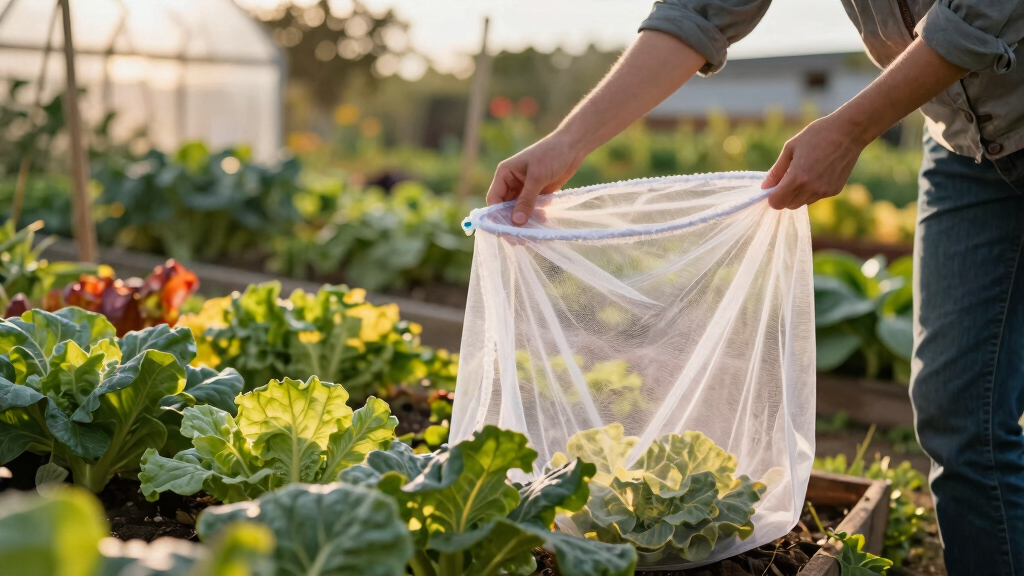
Netting provides the most reliable, humane protection against bird damage.
Rotating visual and sound deterrents prevents birds from getting used to them.
Relocating bird feeders and removing attractants reduces the chances of birds targeting your crops.
Timing plantings and using row covers during vulnerable periods minimizes damage.
A layered approach—combining barriers, habitat management, and deterrents—works best for coexistence.
Protecting a Vegetable Garden From Birds Without Harming Them
Keep ripe tomatoes, tender greens, seeds, and seedlings safe with a layered strategy built around exclusion, smart timing, changing deterrents, and a bird-friendly zone away from the beds.
Properly tensioned barriers offer reliable access prevention without injuring or stressing birds.
Small openings help exclude tiny visitors such as finches; seal the edges and eliminate loose folds.
Match the method to the crop, species, season, and point of entry.
Reported potential from correctly installed crop netting.
Relocate feeders away from vegetable beds to redirect activity.
Barriers, habitat management, and rotating deterrents.
Birds learn quickly when a supposed threat never moves.
Behavior is the first barrier
Birds are not simply pests. They eat insects, move seeds, and contribute to a functioning ecosystem. Identify the species, food target, and time of damage before deciding how much protection is needed.
Seeds & seedlings
Freshly planted rows and emerging shoots are most vulnerable. Use row covers immediately, then remove them once plants are established and risk falls.
Ripening fruit
Finches and sparrows may intensify foraging as fruit colors and softens. Install barriers before the first peck, not after a feeding pattern forms.
Perches & pathways
Fences, ledges, nearby shrubs, water, and open compost can create convenient staging points. Adjust the route instead of excluding birds everywhere.
Choose protection by function
The strongest methods prevent access. Scare tactics can reinforce those barriers, but their effect weakens when birds encounter the same signal repeatedly.
| Method | Humane fit | Reliability | Best use | Watch for |
|---|---|---|---|---|
| Fine-mesh netting | ✓ Excellent | ✓ High | Ripening fruit and targeted beds | Loose edges, sagging, or entanglement risk |
| Light row cover | ✓ Excellent | ✓ High | Seeds, seedlings, and vulnerable periods | Ventilation, pollination, and plant growth |
| Reflective tape | ✓ Good | ~ Temporary | Short-term reinforcement near fruit | Move often; retrieve damaged material |
| Predator decoy | ✓ Good | ~ Variable | Brief, localized pressure | Static placement invites habituation |
| Predator sounds | ~ Use carefully | ~ Variable | Motion-triggered, limited use | Neighbors and non-target wildlife |
| Sticky traps or poisons | ✗ Avoid | ✗ Unsuitable | Never part of humane protection | Injury, suffering, and legal consequences |
Build a humane defense in layers
No single scare tactic solves every situation. Start with observation, protect the crop physically, reduce nearby rewards, and rotate secondary cues before birds learn that they are harmless.
Identify the pressure
Note the species, crop, feeding time, access route, and vulnerable growth stage.
Block crop access
Use fine mesh or a lightweight row cover with no gaps, loose loops, or exposed edges.
Redirect activity
Move feeders, water, compost, and attractive habitat away from productive beds.
Rotate & review
Change reflective cues or decoy locations, inspect barriers, and remove protection when risk passes.
Exclusion beats intimidation. A well-installed physical barrier protects crops without forcing birds into repeated stress responses. Visual and sound devices work best as temporary supporting tools.
Make the garden less tempting
Habitat management does not mean removing wildlife value. It means separating the productive zone from the bird-friendly zone so both can function with less conflict.
Move feeders outward
Place bird feeders 20–30 feet away from vegetable beds. Keep spilled seed cleaned up so it does not create a feeding corridor back to the crops.
Manage compost & water
Cover open compost, harvest ripe produce promptly, clear fallen fruit, and avoid uncovered water directly beside the vegetable patch.
Time barriers precisely
Cover crops during germination and fruit ripening, when damage pressure is highest. Early indoor starts can shorten the vulnerable seedling period.
Designate a bird zone
Locate native grasses, shrubs, seed plants, nesting habitat, water, and feeders away from vegetables to support birds without inviting them into the beds.
A simple deterrent rotation
Adapt frequency to observed bird behaviorThe coexistence chain
A protected harvest and a wildlife-friendly garden are compatible when each action follows evidence from the garden.
Why Bird Behavior Matters More Than You Think
Understanding how birds behave in your garden is your first step. Birds aren’t just pests; they’re also beneficial, controlling insects and spreading seeds. Recognizing which species are causing trouble enables you to tailor your deterrents to specific behaviors, reducing unnecessary stress on beneficial birds. For instance, finches are often attracted to seeds and ripening fruits, so strategies targeting their food sources can be more effective than broad-spectrum methods.
Knowing their habits helps you anticipate when and where damage is most likely to occur. For example, during peak fruiting, birds tend to be more aggressive in foraging, which means deploying barriers or deterrents during these periods can significantly cut damage. Moreover, understanding that some species prefer perching on fences or ledges suggests that installing perching deterrents like spikes can be highly targeted and humane. The deeper insight into bird behavior allows you to adopt more precise, less intrusive measures, fostering a respectful coexistence while protecting your crops.
Ultimately, this knowledge informs the trade-offs you face: aggressive deterrents might be effective but could harm or stress beneficial species, while subtle, species-specific tactics support a healthier ecosystem. Balancing these considerations is key to sustainable garden management.
fine mesh bird netting for vegetable garden
As an affiliate, we earn on qualifying purchases.
As an affiliate, we earn on qualifying purchases.
Physical Barriers That Keep Birds Out Without Stressing Them
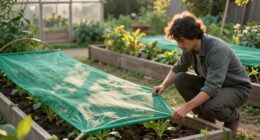
Netting and row covers serve as physical barriers that physically prevent birds from accessing your crops, but their effectiveness hinges on understanding how they impact the ecosystem. A fine mesh net—about 1/4 inch—can be draped over vulnerable plants, effectively blocking even tiny birds like finches. This method ensures that birds are not harmed or stressed, as it merely prevents access without causing injury. Lightweight row covers provide a similar barrier while allowing sunlight, rain, and airflow, which supports plant health. The key is to ensure these barriers are properly installed—tight-fitting and without gaps—to prevent birds from slipping through or damaging the netting.
Using barriers thoughtfully can minimize the need for more disruptive deterrents. For example, during tomato season, covering plants during peak bird activity protects ripening fruit without harming the birds or disrupting their natural foraging behaviors. Reusable and easy to install, these barriers also promote sustainability and reduce long-term costs.
Combining different physical barriers, such as installing bird spikes on ledges or fences where birds perch, can create layered protection. However, it’s important to recognize that over-reliance on barriers might limit beneficial bird activity, so strategic placement is essential. The tradeoff lies in balancing crop protection with maintaining a healthy, bird-friendly environment—using barriers as a humane, targeted solution rather than a broad, exclusionary tactic.
humane bird deterrent visual scare devices
As an affiliate, we earn on qualifying purchases.
As an affiliate, we earn on qualifying purchases.
Visual and Sound Deterrents That Actually Work — Sometimes
Visual cues like shiny aluminum foil strips, old CDs, or reflective tape shimmer and move in the breeze, startling birds away from your crops. These deterrents work best when they mimic the movement and reflections of natural predators or unfamiliar objects, creating a sense of danger. Their effectiveness depends on their ability to keep birds alert; static or predictable deterrents quickly lose their impact as birds habituate.
For example, hanging strips of aluminum foil near your tomato plants during the early morning can scare off birds initially, but over time, birds may ignore them if not rotated regularly. The key is to change the placement, type, or appearance of these deterrents frequently, preventing habituation. Using decoys like plastic owls or hawks can be effective if they are moved regularly, as static decoys become less convincing over time.
Sound devices that mimic predator calls can be useful, but their success hinges on careful timing and variation. Overuse or predictable patterns can lead birds to ignore or even become accustomed to the sounds, diminishing their deterrent effect. Moreover, excessive noise can disturb your household or neighborhood wildlife, so moderation is essential. The tradeoff is between short-term effectiveness and potential habituation or disturbance, so combining visual and auditory methods with habitat management often yields the best results.
garden row covers for vegetable protection
As an affiliate, we earn on qualifying purchases.
As an affiliate, we earn on qualifying purchases.
Habitat Hacks That Keep Birds Away From Your Veggies
Changing your garden’s layout and surroundings can influence bird presence by making the area less attractive or accessible. Removing open compost piles, uncovered water sources, and dense shrubbery near your vegetable patch not only reduces attractants but also discourages birds from settling nearby. These habitat modifications can have long-term benefits—fewer birds will be tempted to forage if the environment doesn’t provide easy food or nesting sites.
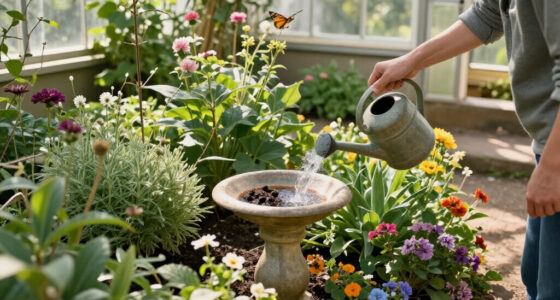
Relocating bird feeders at least 20-30 feet away from your garden can divert their attention, but this also means providing alternative food sources that are less tempting to your target pests. Planting tall, dense shrubs or native grasses around your garden acts as a natural barrier, creating a visual and physical obstacle that makes access more difficult and less appealing. This encourages birds to stay in designated areas, reducing their likelihood of damaging your vegetables.
Offering a separate, bird-friendly zone away from your vegetable beds—such as a dedicated seed or nesting area—can satisfy their foraging instincts and minimize their interest in your crops. Additionally, avoid planting highly attractive berries or seeds near your vegetable beds, as these can act as magnet attractants. These habitat tweaks create a balanced environment where birds can thrive without causing harm to your garden, emphasizing the importance of managing attractants and providing alternative habitats to promote coexistence.
reusable bird deterrent reflective tape
As an affiliate, we earn on qualifying purchases.
As an affiliate, we earn on qualifying purchases.
Timing and Crops: When and What to Plant to Avoid Bird Damage
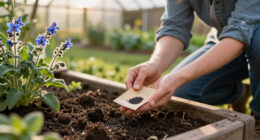
Timing your planting can significantly influence bird activity and damage levels. Starting seedlings early indoors or delaying planting until after peak bird activity can reduce initial foraging pressure on vulnerable crops. For example, planting tomatoes in late spring after the main migratory and foraging periods have subsided minimizes exposure to hungry flocks.
Using row covers during critical periods adds an extra layer of protection, especially when crops are at their most tender and attractive. Choosing crops that are less appealing or that mature quickly—such as radishes, beans, or crops with bitter or unpalatable flavors—can also reduce the likelihood of damage during peak seasons. These strategies aim to shift the risk window, making your garden less attractive during times when birds are most active, thereby reducing the need for more aggressive deterrents. The core implication is that proactive planning and crop selection can work hand-in-hand with physical barriers to foster a more harmonious coexistence with local bird populations.
Integrating Strategies for a Bird-Friendly, Pest-Resistant Garden
The most effective approach combines various methods—physical barriers, habitat management, timing, and visual deterrents—into a layered protection plan. This integrated strategy minimizes reliance on any single tactic, reducing the risk of birds habituating or finding ways to bypass protections. For example, using netting over vulnerable seedlings, hanging reflective tapes around the perimeter, and establishing a dedicated bird zone away from your vegetables creates a multi-faceted defense that addresses different bird behaviors.
Rotating scare tactics regularly—such as changing decoys’ positions or switching between visual deterrents—keeps birds wary and prevents them from becoming accustomed. This layered approach acknowledges that no single method is foolproof; instead, it emphasizes the importance of diversity in tactics to maintain effectiveness over time. The underlying philosophy is to foster a balanced environment where both your crops and local birds can coexist peacefully—protecting your harvest without disrupting the natural order. This holistic strategy not only enhances crop security but also promotes ecological health, making your garden a model for sustainable coexistence.
Frequently Asked Questions
How can I protect my vegetable garden from birds without harming them?
Use physical barriers like fine mesh netting and row covers to block access. Combine with visual deterrents such as reflective tapes or decoys, and manage habitat by removing attractants. These methods keep birds safe while shielding your crops effectively.
What are the most humane and effective bird deterrents?
Netting and row covers are the most humane. Visual deterrents like reflective tape and decoys work well short-term. Rotating scare tactics prevents birds from becoming accustomed. Avoid harming or stressing birds—these methods protect both your garden and wildlife.
Are there natural ways to keep birds away from my crops?
Yes. Planting dense shrubs or native grasses around your garden creates a natural barrier. Moving bird feeders away from your garden reduces attraction. Providing alternative food sources elsewhere can also divert birds from your vegetables.
Will scare devices work long-term, or do birds get used to them?
Birds can get used to static scare devices quickly. To keep them effective, rotate tactics weekly—change placement, switch decoys, or use different reflective materials. This prevents habituation and maintains their deterrent effect.
What legal considerations should I be aware of when deterring birds?
Many bird species are protected by law, such as under the Migratory Bird Treaty Act. It’s illegal to harm or kill protected birds. Use only humane deterrents and avoid lethal methods. Always check local regulations before implementing bird management strategies.
Conclusion
Protecting your vegetable garden from birds doesn’t mean fighting them. It’s about smart, humane methods that keep your plants safe while respecting their role in nature. Think of your garden as a shared space—carefully designed to benefit both your harvest and local wildlife.
Next time you see a bird eyeing your tomatoes, remember: a little habitat tweak and some simple barriers can make all the difference. It’s a win for your garden, and a win for the birds.
Fall yard work Picks
leaf blowers
As an affiliate, we earn on qualifying purchases.