TL;DR

Get garden gear delivered free — and shop member deals
- Fast, free delivery on millions of items
- Access to Prime Big Deal Days deals on October 6–7
- Prime Video, Amazon Music and more included
Michigan State University Extension guidance describes thrips management in field-grown specialty cut flowers as a risk-management task, not a one-treatment fix. It emphasizes regular scouting, healthy crops, weed control, timely action and attention to pollinators and beneficial insects; the source does not identify a new trial or universal treatment threshold.
Michigan State University Extension guidance for field-grown specialty cut flowers frames thrips control as a balance between preventing economically significant crop damage and limiting harm to pollinators and beneficial insects. A report from Greenhouse Grower says pressure can vary widely from field to field, making routine scouting and timely, integrated decisions more dependable than relying on a single treatment.
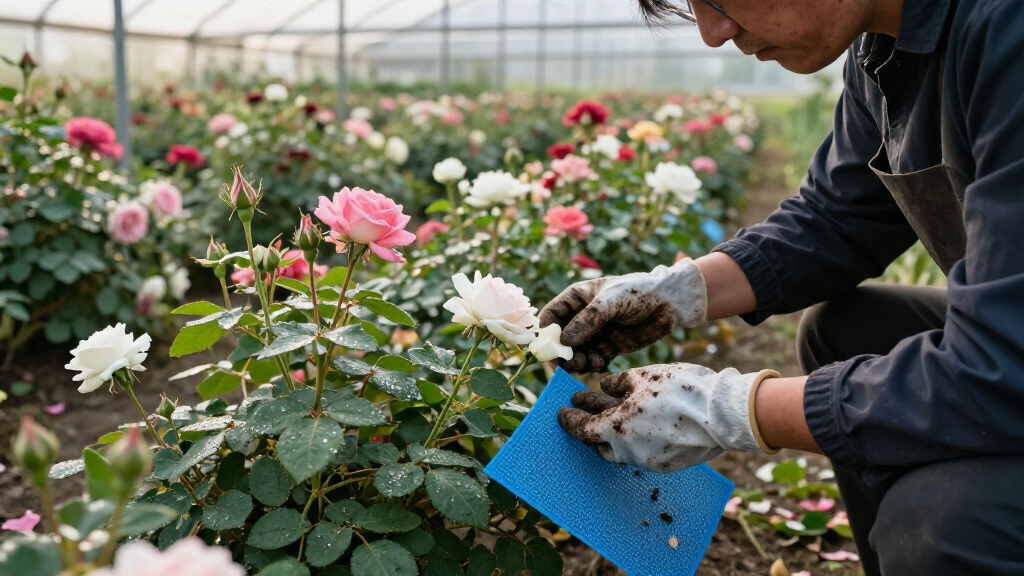
Thrips are difficult to find because adults and immature stages are tiny and often feed inside flowers, developing buds or other protected plant parts. Some species pupate in soil. Damage may become visible only after an infestation has become established, and protected feeding sites can make insecticide coverage less effective. The report identifies thorough scouting and spray coverage as central parts of management.
Populations can build quickly: in mild temperatures, thrips may complete development in two to three weeks, while warmer conditions can allow multiple overlapping generations in a shorter period. Adults can move among flowering crops, weeds and nearby vegetation, and wind can carry them into fields. As a result, treated fields may face renewed pressure during the season; one successful application does not necessarily provide lasting control.
The guidance recommends building an integrated pest management program before outbreaks occur. Maintaining appropriate fertility, irrigation, drainage and spacing supports plant vigor, while excessive fertility may make plants more suitable for pests and raise costs. Weed control also matters because weeds and unmanaged field edges can host thrips and provide food or shelter. The source says product failures can reflect resistance, but also delayed treatment, poor coverage or concealed feeding; it does not name a product or prescribe a universal spray schedule.
Protecting Flower Quality and Beneficial Insects
For cut-flower growers, relatively minor feeding injury can lower the appearance and marketability of stems, making early detection economically relevant. Yet flowering crops also provide forage for bees, butterflies and other beneficial insects that contribute to pollination and natural pest suppression. Management choices therefore affect both saleable crop quality and organisms that support the field.
The report presents this as a variable, site-specific risk rather than a pest problem that affects every farm equally each year. Scouting can help growers distinguish low pressure from a developing outbreak and consider whether intervention is warranted. Integrating cultural practices and carefully timed treatment may reduce unnecessary applications and their potential effects on beneficial insects, while recognizing that severe pressure can still cause losses.
As an affiliate, we earn on qualifying purchases.
Why Field Pressure Varies
The report distinguishes outdoor production from greenhouse and high-tunnel systems, where thrips may need attention throughout the season. In fields, weather, surrounding vegetation, nearby crops and natural enemies influence population levels. Some production areas may see little economically important damage in a given year, while others experience substantial losses.
Thrips are attracted to pollen and nectar, so flowering crops can draw insects from surrounding habitats. Their movement into a planting, along with hidden life stages, complicates both monitoring and control. The guidance therefore places prevention, repeated scouting and timely decisions alongside any pesticide use, rather than treating an application as a season-long solution.
“Managing thrips in field-grown specialty cut flowers is an exercise in risk management.”
— Greenhouse Grower report, summarizing Michigan State University Extension guidance
As an affiliate, we earn on qualifying purchases.
Limits of the Available Guidance
The supplied report excerpt does not provide a specific economic threshold, scouting interval, pesticide list, application rate or crop-by-crop recommendation. It also does not report results from a new field trial or quantify how much any particular practice reduces damage. Recommendations should not be read as a universal treatment prescription.
Actual risk remains dependent on local conditions and the thrips species present. The excerpt notes that resistance occurs in some species, but does not identify where or how commonly it is affecting field-grown cut flowers. Growers need locally relevant identification and product guidance before making treatment decisions.
As an affiliate, we earn on qualifying purchases.
Scouting and Local Treatment Decisions
Growers should continue monitoring flowers, developing buds and other likely feeding sites for thrips and injury, while keeping track of field conditions and nearby sources of pests. Where an intervention is considered, the report supports acting before damage becomes widespread and checking that the selected method can reach concealed insects.
Any pesticide use should follow the product label, including required protective equipment and restrictions that protect pollinators. The supplied material gives no schedule or named product; the next decision is therefore field-specific, based on scouting, crop value, pest pressure and current local recommendations.
organic thrips control for cut flowers
As an affiliate, we earn on qualifying purchases.
As an affiliate, we earn on qualifying purchases.
Key Questions
Why are thrips hard to detect in cut flowers?
Thrips are tiny and often feed inside flowers and developing buds. Some life stages may also be in soil, so routine visual checks can miss an established population.
Can one treatment control thrips for the season?
Not necessarily. Thrips can reproduce quickly in warm conditions and move into fields from surrounding crops and vegetation, so the report recommends regular scouting and consistent management.
What nonchemical practices does the report describe?
It points to supporting plant vigor through appropriate fertility, irrigation, drainage and spacing, and managing weeds that can host thrips. These practices may reduce pressure but cannot prevent every outbreak.
Does the guidance name a pesticide or treatment threshold?
No. The supplied report excerpt gives no named product, application rate, spray schedule or economic threshold. Growers should use current local guidance and follow all product-label directions if applying a pesticide.
Source: rss
Fall Picks
fall essentials
As an affiliate, we earn on qualifying purchases.