TL;DR
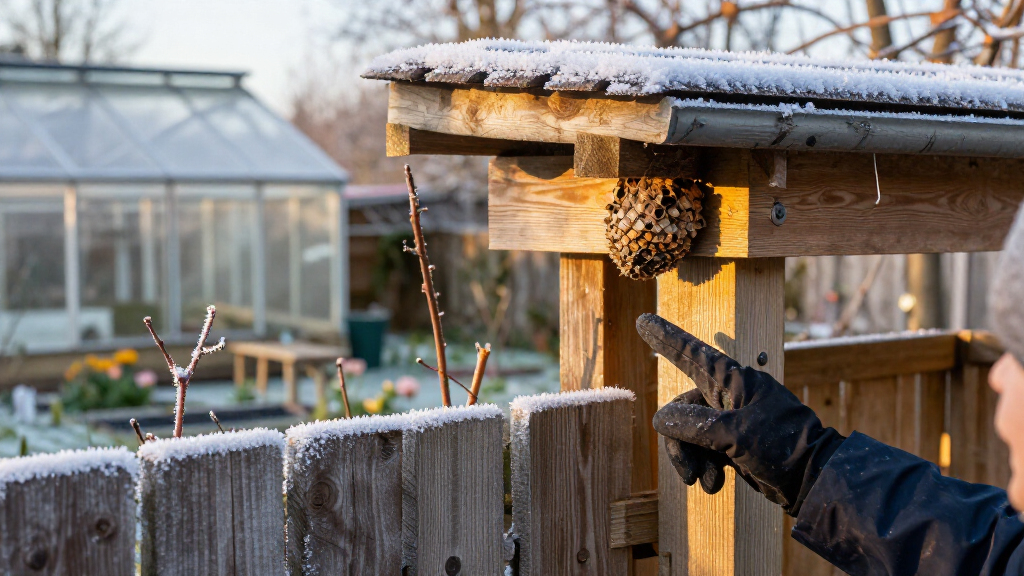
The annual colonies of yellowjackets, paper wasps and hornets generally die off in winter, but mated queens can survive in sheltered places and start new colonies in spring. They may shelter in leaf litter, woodpiles, loose bark, buildings or soil cavities; most do not need to be removed unless they pose a household risk.
After a hard frost, most of the yellowjackets, paper wasps and hornets seen during summer are gone, but mated queens can survive the winter in sheltered places and establish colonies in spring. The colonies themselves generally last one season: workers, males and the old queen die, while young queens leave the nest to overwinter alone or, for some paper wasps, in clusters.

Get garden gear delivered free with Prime
- Fast, free delivery on millions of items
- Prime Video, Amazon Music and more included
- Member-only deals all year
The annual cycle explains why an apparently empty nest is not the source of next year’s colony. In spring, a surviving queen starts a new nest and raises its first workers. The colony expands during summer; by late summer it produces males and new queens. After mating in fall, those young queens leave. The old nest is abandoned rather than reused, according to the source material.
Queens may shelter beneath fallen leaves, mulch, loose tree bark, logs or firewood, or in gaps around sheds, garages and other outbuildings. Some use soil cavities, such as empty rodent burrows, or pockets in compost piles. Others enter wall voids or attics through gaps around siding, windows and trim. Paper wasps may overwinter together in sheltered, high spots such as roof peaks or rafters.
Cold, still queens can be difficult to notice. A queen tucked into a piece of firewood may become active when brought into a warm room, so inspect wood before carrying it indoors and bring in only what will be burned that day. If a queen is found beneath bark or in another sheltered spot, replacing the cover is usually enough; the source advises moving slowly and wearing gloves when turning a winter compost pile.
Winter Wasps: Where Next Year’s Queens Shelter
Most social-wasp colonies die in winter, but some mated queens survive in sheltered places and start new colonies in spring. Knowing the seasonal cycle can help residents manage household risks without disturbing harmless outdoor shelter.
The One-Season Colony Cycle
A surviving queen starts a separate nest in spring; the old nest is abandoned.
A queen begins a nest and raises its first workers.
Workers help the colony expand.
After mating, young queens leave to overwinter alone or, for some paper wasps, in clusters.
Workers, males and the old queen die; surviving queens may start anew in spring.
Possible Winter Shelters
Shelter varies by species and local conditions; these locations do not confirm a queen is present.
Leaves and wood
Queens may shelter in leaf litter, mulch, loose bark, logs or firewood.
Hidden cavities
Possible spots include empty rodent burrows and pockets in compost piles.
Gaps and voids
Sheds, garages, wall voids and attics may offer shelter; paper wasps may cluster in roof peaks or rafters.
Reduce Household Risk
Time prevention for fall, then check likely nesting spots as spring warms.
- Close gaps around doors and windows.
- Maintain fitted screens and cover open vents with suitable mesh.
- Inspect firewood before bringing it indoors; bring in only what will be burned that day.
- Periodically check eaves and porch ceilings for new nests.
- Get professional help for large nests, ground nests or nests near entrances and play areas.
- Seek professional advice if anyone in the household has a sting allergy.
Where Spring Colonies Begin
Knowing that one season’s colony does not survive intact can help residents avoid treating every empty nest or winter shelter as an active infestation. A queen sheltered at the far end of a yard poses little immediate risk, and wasps can provide benefits: yellowjackets and paper wasps hunt caterpillars and other soft-bodied insects for their young, while adults visit flowers for nectar and may move some pollen.
The household risk is different when wasps nest in a wall, near a doorway or around a play area. Prevention is best timed before fall, when queens seek shelter: close gaps around doors and windows, maintain fitted screens and cover open vents with suitable mesh. In spring, an early look at eaves and porch ceilings can identify a small new nest before it grows. Large nests, nests in the ground, or situations involving someone with a sting allergy warrant professional pest-control help.
Popular right now

Vitamix 5-Speed Immersion Blender, 625-Watt, Stainless Steel/Black

KitchenAid 5.5-Quart Bowl-Lift Stand Mixer, Porcelain White

Roborock Q10 S5+ Robot Vacuum and Mop with Self-Emptying Station
As an affiliate, we earn on qualifying purchases.
The One-Season Colony Cycle
The source describes a recurring pattern among common social wasps: a queen begins a nest in spring, and the first workers help the colony grow. Later in the season, the colony produces reproductive males and new queens. The newly mated queens disperse before winter, while the rest of the colony dies as cold weather sets in.
Winter survival is not guaranteed. Many queens do not make it to spring, and the surviving queens do not return to their previous nests. Each begins the cycle again by starting a separate colony. The source does not provide survival rates or a count of how many queens typically make it through winter.
Survival Depends on Shelter
The source lists possible overwintering locations but does not quantify how often queens use each one or how many survive until spring. Shelter choice can vary by species and local conditions; the described locations should be treated as possibilities, not evidence that a queen is present in any particular pile of leaves, wall or wood stack.
A slow wasp seen indoors in winter is described as likely to be a queen that has emerged from a wall or other sheltered space, but appearance alone does not establish where it came from. Nor does a single sighting prove that an active colony is inside a building. The source says that steady wasp traffic in and out of the same opening in summer or early fall can point to a nest in a wall. It also cautions against sealing that opening while a colony is active, because wasps may chew through toward the interior.
Check Eaves as Spring Warms
As temperatures rise, residents can periodically inspect eaves and porch ceilings for new nests. The source describes an early nest as about the size of a golf ball, tended by the queen before workers take over. If a nest is near an entrance or play area, or if anyone in the household is allergic to stings, contact a pest-control professional rather than handling a hazardous nest.
For prevention, close exterior gaps before queens begin seeking winter shelter in fall, and keep window screens in good condition. Do not seal an opening that appears to lead to an active nest; seek professional advice about managing it safely. The source offers general seasonal guidance, not a local inspection or a guarantee that any particular prevention step will keep wasps away.
Key Questions
Do all wasps die in winter?
Most members of a social-wasp colony die, including workers, males and the old queen. Mated young queens may survive in sheltered locations and start colonies in spring.
Do wasps reuse the same nest next year?
No. The source says the old nest is abandoned after the colony dies. A surviving queen starts a new colony rather than returning to that nest.
Where might a wasp queen hide in winter?
Possible shelters include leaf litter, mulch, woodpiles, fallen logs, loose bark, soil cavities, compost piles, sheds and wall voids. These are examples, not confirmation that a queen is present in a particular spot.
Should I remove a queen I find outdoors?
Usually not, if it is in a sheltered spot away from people. The source notes that wasps prey on garden insects and advises replacing bark or other cover if a queen is found there.
When should I call pest control?
Contact a professional for large nests, ground nests, nests in risky locations, or when someone in the household has a sting allergy. Do not seal an opening while a colony is active.
Source: gardeningknowhow.com