

TL;DR
Open a free Amazon Business account
Business pricing, bulk buying and tax-exempt orders.
Create a free accountAs an affiliate, we earn on qualifying purchases.
Pack rats build large nests called middens that can damage property and carry disease. Prevention through habitat cleanup, exclusion, and humane traps is most effective, keeping your yard safe and tidy.
Ever spotted a big, chaotic heap of twigs, leaves, and debris in your yard and wondered what creature made it? Chances are, it’s a pack rat—also known as a woodrat—an expert builder and scavenger in desert landscapes. These critters aren’t just nuisances; they can cause real damage and pose health risks if left unchecked.
In this guide, you’ll learn how to spot their nests, the best ways to remove them humanely, and simple steps to keep pack rats from moving back in. No fancy traps or chemicals—just practical, water-wise tips tailored for desert gardens and arid environments.
Identify pack rat nests by their large, messy structures of twigs and debris, often in shrubs or cluttered areas.
Use humane traps and habitat modification—like clearing debris and sealing entry points—to remove and prevent nests.
Install physical barriers such as hardware cloth and use natural repellents like peppermint oil for ongoing deterrence.
Avoid leaving gaps, clutter, or food sources that invite pack rats back into your yard.
Combine exclusion, habitat cleanup, and humane trapping for the most effective, eco-friendly control.
Pack Rats in the Yard
A practical guide to spotting middens, removing active nests humanely, and building a layered defense that keeps woodrats from moving back into arid and water-wise landscapes.
Typically gray or brown with a bushy tail.
A layered structure of twigs, leaves and found debris.
Cleanup, exclusion and humane trapping.
Seeds, fruits and other available vegetation.
Is that messy heap an active midden?
Pack rat nests often look like a small bush turned inside out. The structure alone is suggestive; fresh droppings, new gnawing and repeated nighttime movement are stronger evidence of current activity.
Large, chaotic pile
Look for interwoven twigs, leaves and plant material tucked into shrubs, trees, woodpiles or sheltered clutter.
Shiny or shredded debris
Paper, plastic and small collected objects may be woven through the midden alongside natural materials.
Droppings and disturbance
New debris, fresh droppings or a pile that changes between checks can indicate recent occupation.
Gnawed wires or wood
Chewed insulation, wiring and timber raise the urgency because damage can become structural or create fire risk.
Nocturnal movement
Repeated rustling or animal activity after dark near the same sheltered pile is a strong behavioral clue.
Dense, protected cover
Check under decks, beside sheds, inside dense shrubs and around stored materials where daytime shelter is available.
A safer removal sequence
Confirm activity before dismantling a nest. The goal is to avoid trapping an animal inside a structure or simply pushing it into another corner of the yard.
Reduce hiding cover
Clear loose debris, brush and clutter around the area while keeping a safe distance from the midden.
Trap near activity
Place an appropriate humane live trap near the active route and bait it with nuts or dried fruit.
Check every day
Daily monitoring limits heat, thirst and stress. Never leave a set trap unattended for long periods.
Remove the midden
Once activity has ceased, use gloves and protective gear to bag and remove nesting debris carefully.
Seal and monitor
Close gaps with metal mesh or hardware cloth, then watch for fresh debris and gnawing.
Control dust and direct contact
- Wear durable gloves, closed shoes and protective clothing.
- Avoid sweeping or disturbing dry droppings in ways that create airborne dust.
- Keep children and pets away from traps, droppings and dismantled nest material.
- Use professional help for extensive contamination or inaccessible nests.
Check local rules first
Wildlife relocation rules vary by location, and moving an animal can transfer the problem or reduce its chance of survival. Follow local guidance or contact a licensed wildlife professional before release.
Barriers and deterrents at a glance
Physical exclusion provides the most dependable foundation. Scent deterrents may add pressure, but weather and habituation make them less reliable when used alone.
| Method | How it works | Durability | Best feature | Main tradeoff |
|---|---|---|---|---|
| Hardware cloth | Creates a chew-resistant physical barrier around vulnerable openings. | Very effective and long-lasting. | Costs more and requires careful installation. | |
| Sealed entry points | Closes access around vents, pipes, doors, windows and structural gaps. | Stops entry when every opening is addressed. | Thorough inspection can be labor-intensive. | |
| Peppermint oil | Uses a strong odor to make sheltered areas less appealing. | Easy to apply in targeted locations. | Needs frequent renewal, especially after wind or rain. | |
| Predator scent | Simulates the presence of foxes, coyotes or other predators. | Can add another deterrent signal. | Odor may bother people and animals may habituate. |
Build from structure outward
These bars show practical priority, not laboratory efficacy. Start with exclusion and habitat work; use odor-based deterrents only as supporting measures.
The prevention chain
Pack rats are resilient. Long-term control works when each action removes a different advantage: shelter, entry, food or an established animal.
Thin dense cover
Prune crowded shrubs, remove fallen leaves and lift stored firewood off the ground.
Close small gaps
Inspect doors, vents, pipe penetrations, rooflines, sheds and spaces beneath decks.
Remove rewards
Secure trash, collect fallen fruit and avoid leaving pet food or seed accessible overnight.
Catch the return early
Check repaired areas for new gnawing, droppings, tracks or fresh nesting material.
Four common gaps in the plan
DIY or call a professional?
Small, accessible and low-risk
A careful homeowner may be able to manage a limited outdoor problem when the nest is accessible and contamination is minimal.
- You can inspect the full area safely.
- There is no major wiring or structural damage.
- Activity appears limited to one accessible location.
- You can monitor traps and repaired gaps consistently.
Large, persistent or hazardous
Escalate when safe removal, cleanup or complete exclusion is beyond the practical reach of household tools.
- Middens are large, numerous or hard to reach.
- Droppings or nesting material are extensive.
- Wiring, insulation or structural materials are damaged.
- Activity continues after cleanup and exclusion.
The durable formula: cleanup + exclusion + humane control
Each layer addresses a separate cause. Combining all three is more sustainable than repeatedly removing nests after they appear.
How to Spot a Pack Rat Nest and Know You’re Dealing with One
Pack rat nests, called middens, are unmistakable: big, messy structures made of twigs, leaves, and debris, often in shrubs, trees, or hidden in clutter piles. They can be up to 6 feet across—like a small bush turned inside out. You might see shredded paper, shiny objects, or even bits of plastic woven into their homes.
Look for signs like fresh droppings nearby, gnawed wires, or chewed wood. If your yard has a large, unkempt pile that suddenly becomes a hotspot for activity at night, it’s a strong clue that pack rats are nesting there.
Understanding these signs is crucial because the presence of a nest indicates ongoing activity or recent occupation. Recognizing these clues early can prevent further damage, such as chewed wiring leading to electrical fires or structural harm from gnawed wood. The size and location of the nest can also inform your approach; larger, well-hidden middens might require more intensive removal strategies, while smaller, accessible nests can be dealt with more easily.

Anyhall 2-Pack Rat Traps Humane Live Mouse Vole Chipmunk Trap Cage (Black)
- Trap Dimensions: 12.5 x 5.5 x 4.5 inches
- Humane Catch & Release: Relocate rats, mice, chipmunks humanely
- Sensitive Trigger Pedal: Larger and more responsive trigger
As an affiliate, we earn on qualifying purchases.
As an affiliate, we earn on qualifying purchases.
Quick Guide to Removing Pack Rat Nests Without Making Things Worse
- Start by clearing debris, clutter, and brush around your yard. Pack rats love hiding spots—eliminate those. This reduces the chances of them settling in new areas and makes existing nests easier to find and remove.
- Set humane live traps near active nests, baited with nuts or dried fruits. Check traps daily to avoid stressing or harming the animals. Using traps not only captures the pests but also prevents them from establishing new nests nearby, creating a safer environment.
- Wear gloves and protective gear when handling traps or nests—these creatures can carry parasites or diseases like hantavirus. Proper handling minimizes health risks and ensures humane treatment.
- Relocate trapped rats at least a mile away, in a safe, natural area where they won’t find their way back. This distance helps prevent immediate return, but also ensures the animals are placed in a suitable habitat where they can survive without causing damage elsewhere.
- Seal up entry points in sheds, fences, and your house with hardware cloth or metal mesh. Pay special attention to gaps around pipes, vents, and windows. Sealing prevents new rats from entering, which is essential because removal without exclusion often leads to re-infestation.
Patience is key. Removing nests can be a quick fix, but preventing their return takes consistent effort. Combining removal with habitat modification and exclusion techniques is the most sustainable approach to long-term control.
Tradeoffs exist: humane traps require ongoing effort and management, while sealing entry points can be labor-intensive but offers lasting protection. Weigh these options based on your yard’s size and your willingness to maintain these measures.

HUNKA Hardware Cloth 1/2 Inch 36 X 50 ft 19 Gauge Chicken Coop Wire Fencing
- Mesh Size: 1/2 inch by 1/2 inch mesh
- Dimensions: 36 inches wide by 50 feet long
- Gauge: 19 gauge wire
As an affiliate, we earn on qualifying purchases.
As an affiliate, we earn on qualifying purchases.
Compare Barriers and Deterrents to Keep Pack Rats Out of Your Yard
| Method | How It Works | Pros | Cons |
|---|---|---|---|
| Hardware Cloth | Physical barrier blocking entry points | Very effective; long-lasting | Can be costly; requires installation effort |
| Peppermint Oil & Natural Repellents | Strong smell discourages nesting | Eco-friendly; easy to apply | Needs frequent reapplication; less effective in wind/rain |
| Predator Urine (fox, coyote) | Simulates predator presence, scaring rats away | Natural deterrent | Smell may be off-putting to humans; needs regular reapplication |
| Sealed Entry Points | Prevents rats from entering structures | Highly effective if done thoroughly | Requires inspecting and sealing all access points |
Layering these methods creates a strong defense. For example, sealing entry points first, then installing physical barriers, plus natural repellents, offers the best long-term protection. Combining these strategies addresses different vulnerabilities, making it harder for pack rats to find entry points or suitable nesting sites. While each method has its own limitations, their combined use significantly reduces the likelihood of re-infestation, ultimately saving time and effort in the long run.

Mighty Mint Peppermint Oil Rodent Repellent Spray, 16 oz
- Pet and Family Safe: Non-toxic, chemical-free pest control
- Plant-Based Formula: Contains extra-concentrated peppermint oil
- Indoor & Outdoor Use: Suitable for various surfaces and areas
As an affiliate, we earn on qualifying purchases.
As an affiliate, we earn on qualifying purchases.
The Most Common Mistakes That Let Pack Rats Come Back
Many folks think a quick cleanup or trap is enough. But ignoring the tiny gaps around doors, vents, or under decks can give pack rats easy access again. Leaving a cluttered yard or unsealed shed invites them right back. These small entry points are often overlooked but are critical vulnerabilities—sealing them is essential for long-term success.
Overusing chemicals or bait stations without sealing entry points can also backfire, attracting more pests or harming beneficial wildlife. Relying solely on chemical deterrents may give a false sense of security, while neglecting habitat modification can allow new nests to form nearby. Remember, these animals are resilient and adaptable—your goal is to make your yard a less inviting place overall. Consistent, integrated strategies that include sealing, habitat cleanup, and humane trapping are the most effective approach.
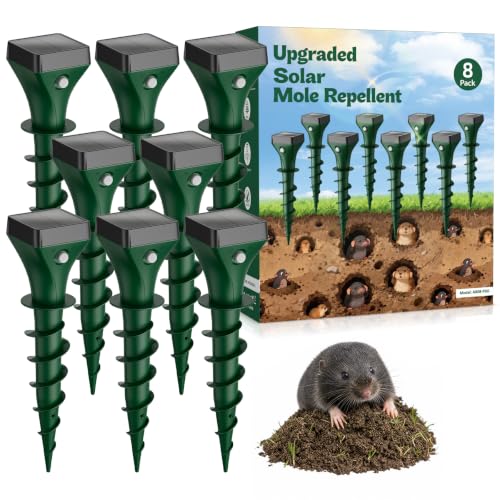
8 Pack Mole Repellent Solar Powered, Gopher Repellent Ultrasonic stakes for Lawns, IP65 Waterproof Mole Deterrent for Yard, Outdoor Rodent Control for Groundhog, Vole, Armadillo, Chipmunk, Snake
- Effective Ultrasonic Pest Repellent: Repels underground rodents within 2-3 weeks
- Solar Powered & Waterproof: Uses solar energy; IP65 waterproof for outdoor use
- Safe for People and Pets: Non-toxic, no harm to family, kids, or pets
As an affiliate, we earn on qualifying purchases.
As an affiliate, we earn on qualifying purchases.
Eco-Friendly Tricks to Deter Pack Rats Naturally
Looking for gentle, desert-friendly solutions? Try sprinkling peppermint oil-soaked cotton balls around nesting areas. The strong smell irritates pack rats’ sensitive noses. You can also scatter predator urine in problem zones—fox or coyote scents mimic natural predators.
Another trick: keep your yard tidy. Remove fallen leaves, prune dense shrubs, and keep firewood off the ground. The less cover, the less appealing the space becomes for these clever critters.
Remember, natural deterrents work best when combined with habitat cleanup and exclusion barriers. While these methods are less invasive, their effectiveness depends heavily on consistent application and the overall attractiveness of your yard. Combining multiple eco-friendly tactics creates a layered defense, making your yard less hospitable and reducing the likelihood of pack rat visits over time.
Frequently Asked Questions
How do I tell if a nest is active?
Look for fresh droppings, signs of recent disturbance, or nocturnal activity around the structure. Regularly check for new debris or gnawed materials.Can I remove a nest myself without harming the animals?
Yes, use humane traps to catch and relocate pack rats. Always wear protective gear, and relocate them at least a mile away to prevent quick returns.Are pack rats dangerous to my pets or family?
While not aggressive, they can carry parasites and diseases like hantavirus. Avoid direct contact and keep pets away from nests or traps.What’s the best way to prevent pack rats from returning?
Seal all entry points, clear debris and dense vegetation, and use natural repellents regularly. Consistency is key.Are chemical baits safe around children and pets?
Rodenticides should be used with caution, following all safety guidelines. Consider humane, non-toxic alternatives first.Conclusion
Keeping pack rats out of your yard isn’t about one quick fix. It’s a steady game of removal, sealing, and making your space less inviting. Stay vigilant, keep clutter at bay, and use natural deterrents to make your desert garden a fortress.
Think of your yard as a desert oasis—spare it from unwanted guests with simple, consistent steps. Your plants—and your peace of mind—will thank you.
Summer Picks
summer essentials
As an affiliate, we earn on qualifying purchases.