TL;DR

Get garden gear delivered free with Prime
- Fast, free delivery on millions of items
- Prime Video, Amazon Music and more included
- Member-only deals all year
Pruning Palo Verde and Mesquite trees carefully during late winter or early spring keeps their shape intact and encourages healthy growth. Limit cuts to 25-30%, use sharp tools, and avoid severe topping to prevent stress and deformity.
Few things are more satisfying than a healthy, well-shaped desert tree standing proud in your yard. But prune it wrong, and you risk ruining its natural grace—plus, inviting stress, pests, and disease. The trick is knowing how to trim without turning a beautiful, resilient tree into a mangled mess.
This guide digs into how to prune Palo Verde and Mesquite trees. You’ll learn when to prune, how much to cut, and the best techniques to keep their shape and health intact. It’s about respecting their wild, natural forms while giving them a little help to thrive.
Prune during late winter or early spring to minimize stress and encourage healthy growth.
Limit pruning to 25-30% of the canopy at a time to avoid weakening the tree.
Use sharp, clean tools and make clean cuts just outside the branch collar.
Avoid heavy pruning or topping—these can ruin natural shape and cause long-term damage.
Regular, light pruning preserves the tree’s natural beauty and health.
Pruning Palo Verde & Mesquite Without Ruining Their Shape
A good pruning cut guides the tree without erasing its character. Work during the cool season, remove only what is necessary, and preserve the open, spreading silhouette that makes these desert trees distinctive.
Exceeding this limit can trigger stress, weak regrowth and lasting distortion.
Many trees need only dead, broken or crossing branches removed.
Severe cuts ruin the canopy line and stimulate unstable shoots.
Prune when the tree can recover
Late winter through early spring—before vigorous new growth—reduces water stress and supports faster recovery. Postpone the work during extreme heat, drought or wet conditions.
Green light: cool and dormant
Inspect after winter storms and before leaf-out. Remove damaged wood while the canopy is easy to read.
Red light: hot, dry or wet
Summer heat compounds water loss; wet conditions can increase infection risk around fresh wounds.
Shape the canopy. Never strip it.
Removing more than one-quarter to one-third of the living canopy can reduce shade, expose bark, weaken structure and provoke dense, poorly attached shoots. Mature trees may need corrective work spread across several seasons.
Preserve the wild silhouette
Prioritize tree health before aesthetics. After every few cuts, step back and read the entire canopy from more than one angle.
Sterilize tools
Disinfect sharp loppers, saws and pole pruners with alcohol or an appropriate bleach solution.
Remove the three Ds
Start with dead, damaged and diseased wood, then address branches that rub or cross.
Cut at the collar
Place each clean cut just outside the swollen branch collar. Do not cut flush to the trunk.
Thin selectively
Open congested pockets for light and airflow while retaining the tree’s main framework.
Pause and assess
Stop before the canopy looks sparse, boxy or symmetrical. Desert trees should still look natural.
Choose the least disruptive cut
The safest technique solves a specific problem without rewriting the tree’s architecture. Selective thinning is the default; heading cuts require restraint; topping is never a shaping method.
Selective thinning
Removes an entire branch at its point of origin. It improves airflow, reduces rubbing and keeps the open, feathery canopy intact.
Preferred / low impactHeading back
Shortens a branch to a suitable lateral or bud. Use sparingly because it can stimulate bushier growth and tighten the outline.
Limited / targeted useTopping
Severs major limbs indiscriminately. The result is a deformed crown, weakly attached shoots, stress and greater pest exposure.
Avoid / severe damageWhat each technique does
Match the method to the objective. Crown reduction and heading work belong in experienced hands when large or structurally important branches are involved.
| Technique | Natural shape | Airflow | Stress risk | Best use |
|---|---|---|---|---|
| Selective thinning | ✓Preserves | ✓Improves | Low when moderate | Dead, crossing or crowded branches |
| Heading back | ~May tighten | ~Variable | Moderate | Minor length adjustments |
| Crown reduction | ~Skill dependent | ✓Can improve | Moderate | Mature trees requiring size control |
| Topping | ✗Destroys | ✗Dense regrowth | Severe | Not recommended |
One careful decision protects the whole tree
Good pruning is a connected system: clean tools and precise cuts reduce infection risk, while a balanced canopy supports resilience through desert heat and drought.
Four ways shape gets ruined
Damage often begins with a shortcut: too much canopy removed, a poorly positioned cut or work performed when the tree is already under environmental stress.
Topping major limbs
Creates abrupt stubs, weak shoots and a canopy that may take years to regain balance.
Pruning in extreme heat
Adds wound and water-loss stress when the tree is already working hardest to survive.
Using dull or dirty tools
Jagged, contaminated cuts heal poorly and can provide an entry point for disease.
Forcing a formal outline
Boxing or over-lifting the crown erases the broad, irregular form that belongs in a desert landscape.
Care after the final cut
Most properly placed pruning wounds do not need dressing. Clean workmanship, sensible timing and appropriate watering are usually more important.
Aftercare checklist
- Inspect every cut for a clean edge and intact branch collar.
- Remove pruned debris that may shelter insects or pathogens.
- Water appropriately during hot spells without saturating the root zone.
- Monitor for wilting, unusual shoots, cankers or pest activity.
- Leave additional shaping for a later season if the canopy limit is reached.
Can a homeowner prune these trees?
Yes—small, reachable branches and light maintenance are manageable with sharp tools. Large, high or structurally complex cuts belong to a certified arborist.
How often should pruning happen?
Inspect annually, but prune only when needed. Many healthy Palo Verde and Mesquite trees require light work every year or two.
Will pruning change the shape long-term?
Every cut influences future growth. Selective, moderate cuts can refine the form; heavy pruning can create deformities that persist for years.
When is professional help essential?
Call an arborist for major limbs, storm damage, work near utilities, climbing, advanced decay or any cut that could affect structural safety.
Guide the tree. Do not force it.
Respect the open canopy, twisted structure and feathery edges that define these desert natives. Prune lightly, choose each cut for a reason, and stop while the tree still looks unmistakably like itself.
How to Tell When Your Palo Verde and Mesquite Need Pruning
Pruning these trees at the right time is half the battle. The best window? Late winter or early spring, before they start leafing out. This period minimizes stress and helps the tree heal quickly.
Look for dead, broken, or crossing branches—these can cause problems down the line. For example, a Palo Verde with a few snapped limbs from a winter storm benefits from light trimming to keep it safe and looking tidy.
Avoid pruning in the blazing summer heat or fall, when the trees are already under stress from drought. Cutting during hot, dry days can weaken the tree further and slow recovery.
As an affiliate, we earn on qualifying purchases.
How Much Can You Prune Without Ruining the Tree?
Limit your cuts to about 25-30% of the canopy at a time. Removing too much leaves the tree vulnerable, stresses it out, and can distort its natural shape. Think of it like trimming a bush—you want to shape it, not strip it down.
For example, if your Mesquite’s spread is 8 feet across, don’t cut more than 2 feet in one session. Spread out the pruning over a couple of seasons if needed.
Moderation is key. Remember, these trees are tough but not invincible. Gentle, consistent trimming keeps them healthy and looking natural.
Understanding these boundaries helps prevent over-pruning, which can lead to long-term deformities and weaken the tree’s structural integrity. By respecting these limits, you maintain the natural silhouette and ensure the tree’s resilience against environmental stresses.
As an affiliate, we earn on qualifying purchases.
Step-by-Step: How to Prune Your Trees Without Changing Their Natural Shape
- Start by sterilizing your tools—disinfect with alcohol or a bleach solution to prevent disease.
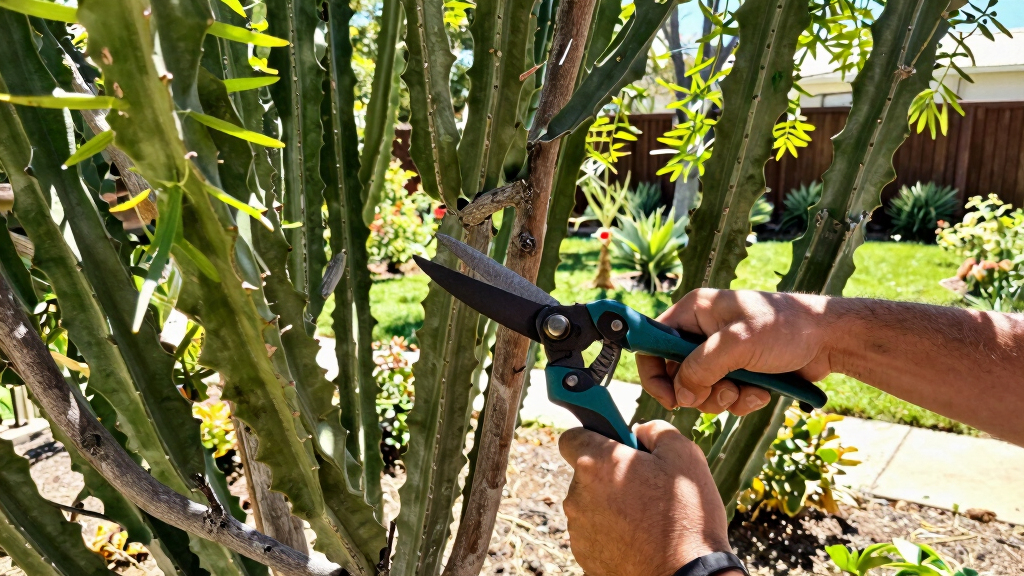
- Remove dead, broken, or crossing branches first. Cut just outside the branch collar—this is the swollen area where the branch joins the trunk.
- Thin out crowded areas to improve airflow. For example, open up the canopy of your Mesquite to prevent pests from hiding and to let sunlight reach the interior.
- Lightly shape the edges by trimming back overly long or unruly branches. Keep the natural, wispy look of the foliage intact.
- Step back frequently to assess your work. Avoid over-pruning—less is more.
For instance, a Palo Verde with a dense center might get a few selective cuts to open it up, but the overall shape remains wild and vibrant, not boxy or forced.
tree pruning saw for Palo Verde and Mesquite
As an affiliate, we earn on qualifying purchases.
As an affiliate, we earn on qualifying purchases.
Comparison: Pruning Techniques That Keep or Ruin Their Shape
| Technique | Impact on Shape | Best For |
|---|---|---|
| Selective Thinning | Preserves natural form, enhances airflow | Light shaping, removing crossing branches |
| Heading Back | Encourages bushier growth, can tighten shape | Minor adjustments, overgrown areas |
| Topping | Ruins natural shape, causes stress | Generally avoided in desert trees |
As an affiliate, we earn on qualifying purchases.
Avoid These Common Mistakes That Ruin Your Trees’ Shape
Never top or severely cut the main limbs—this causes ugly suckers and weak growth. It’s like giving a tree a bad haircut that takes forever to grow out.
Don’t prune during extreme heat or drought. Cutting stress during these times can make the tree drop leaves or become susceptible to pests.
Use dull tools or make jagged cuts—these wounds won’t heal well and invite disease. Always keep your tools sharp and clean.
Over-pruning is a shortcut to disaster. Remember, these are tough trees, but they need a gentle touch to stay beautiful and healthy.
How to Keep Your Trees Healthy After Pruning
Clean tools prevent infections. Use alcohol or a bleach solution to disinfect every cut.
Avoid pruning in wet conditions—wounds won’t heal properly, and disease can set in.
If you cut large branches, consider applying a tree wound dressing—though many experts say it’s not always necessary, keeping the wound clean matters more.
Follow with regular watering during hot spells to help the tree recover quickly from pruning stress.
Frequently Asked Questions
Can I prune Palo Verde and Mesquite trees myself?
Yes, small, light pruning can be done by homeowners. Use sharp tools and follow proper techniques. For large or complex cuts, hiring a certified arborist is safer and more effective.
What’s the worst mistake I can make when pruning?
The worst mistake? Topping or heavy pruning. It weakens the tree, ruins its natural shape, and invites pests and disease. Always prune lightly and selectively.
How often should I prune these trees?
Lightly prune once a year or every couple of years, mainly to remove dead or crossing branches. Avoid overdoing it—let their natural form shine through.
What tools do I need for pruning?
Sharp loppers, pruning saws, and pole pruners work best. Disinfect tools before use to prevent disease transmission. Dull or dirty tools cause jagged cuts and slow healing.
Will pruning affect the tree’s shape long-term?
Yes, but if you prune thoughtfully and sparingly, you can maintain or subtly improve their natural shape. Heavy or improper cuts can cause deformities that last for years.
Conclusion
Respect the wild elegance of Palo Verde and Mesquite trees. Prune lightly, at the right time, and with care—your trees will reward you with enduring beauty and resilience. Think of pruning as guiding, not forcing, their natural forms to flourish.
Next time you reach for the shears, remember: less is more. Your desert landscape’s character depends on it. Give your trees the gentle touch they need to thrive in the harshest conditions — and they’ll thank you by standing tall for decades to come.
Halloween Picks
halloween
As an affiliate, we earn on qualifying purchases.