
TL;DR

Get garden gear delivered free with Prime
- Fast, free delivery on millions of items
- Prime Video, Amazon Music and more included
- Member-only deals all year
Javelina tip potted plants mainly to investigate moisture, scents, or food. The best protection combines physical barriers, removing attractants, and safeguarding containers — relying on smell-based repellents or gadgets rarely works long-term.
Ever had a potted plant suddenly toppled, only to find no clear reason? Chances are, javelina did it. These desert creatures are expert rooters, sniffing out moisture, food, or interesting scents, and they leave a trail of overturned pots behind.
Understanding why javelina tip plants and what actually keeps them away can save your garden from damage. Forget quick fixes like sprays or noise-makers; the real key lies in eliminating what draws them and physically blocking their access.
This guide walks you through their behavior, the best ways to protect your plants, and what methods are just noise without results. Ready to keep your potted plants safe from these curious foragers? Let’s dig in.
Why Do Javelina Tip Potted Plants? The Surprising Truth
Javelina tip over potted plants mainly because they’re investigating. Their strong snouts hunt for moisture, insects, roots, or new scents that catch their interest.
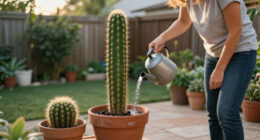
A typical scene: a sunny afternoon, your favorite cactus in a lightweight pot. A javelina sniffs around, pushes, and suddenly, the pot topples—often before they even decide if the plant is edible. They’re not destructive for fun; they’re searching. Recent watering, organic fertilizers, or compost can smell like a treasure trove of food and moisture.
For example, a gardener who watered their succulents the evening before might find a toppled pot the next morning. The scent of damp soil and organic fertilizer is irresistible to a javelina hunting for water or insects. This behavior isn’t about destroying; it’s about foraging.
Understanding this distinction is important because it shifts the focus from trying to prevent “destruction” to managing the environmental cues that prompt investigation. If you realize that the tipping is driven by curiosity and resource-seeking, then strategies should center around making your plants less appealing rather than trying to stop random acts of “destruction,” which are often misinterpreted. This insight helps prioritize removing attractants and physically protecting your containers, which directly address the root cause of the behavior.
As an affiliate, we earn on qualifying purchases.
What Attracts Javelina to Your Potted Plants and How to Stop It
Javelina are drawn to moisture, scent, and accessible food sources. Think: recently watered soil, organic fertilizers, fallen fruit, or pet food left outside.
Here’s what attracts them:
- Moist potting soil: Recently watered containers smell like roots and fungi, signaling a water source or breeding ground for insects, which javelina find irresistible for hydration and foraging.
- Food smells: Fertilizers like blood meal or fish emulsion emit strong, food-like odors that mimic natural food sources, encouraging investigation.
- Accessible water: Leaking hoses or birdbaths provide hydration, which javelina actively seek, especially in arid environments where water is scarce.
- Fallen fruit and pet food: These are rich, easy-to-access calories that can lure javelina into your yard, increasing their curiosity about nearby plants.
Removing these attractants is crucial because it directly reduces the environmental cues that trigger investigation. When the scent of water, food, or fungi is eliminated, javelina are less likely to be drawn in. This isn’t just about protecting individual plants but about making your entire yard less appealing as a resource-rich environment. The tradeoff here is that it requires ongoing vigilance—regularly cleaning up fallen fruit, securing trash, and avoiding overwatering—since any lapse can reignite their interest. Recognizing that these attractants are the root of their curiosity helps you develop more effective, long-term strategies rather than relying on temporary deterrents.
As an affiliate, we earn on qualifying purchases.
How to Protect Potted Plants from Javelina — The Best Long-Term Fixes
The most reliable way to keep javelina away is a combination of physical barriers and removing attractants. Here’s a simple plan:
- Build a sturdy fence: Use welded wire or masonry, about four feet high, with no gaps at ground level. Electric fencing can add extra protection where legal.
- Remove all food and water sources: Secure garbage, eliminate fallen fruit, and don’t leave pet food outside.
- Relocate or shield containers: Place valuable pots behind a locked gate or inside a courtyard. Heavy, broad-based containers are harder to tip, but anchoring helps.
- Use motion-activated deterrents: Sprinklers and lights that trigger when javelina approach work best if moved periodically.
Implementing these measures is more than just a temporary fix; it’s about creating an environment that discourages investigation and access in the long term. For example, moving your plants into a secure courtyard not only physically blocks access but also signals to javelina that the area isn’t worth the effort. Combining physical barriers with regular removal of attractants addresses both the curiosity and resource-seeking behaviors of javelina, reducing their visits over time. It’s a tradeoff—more effort upfront but significantly fewer problems down the line.
Remember: the key is consistency. The more persistent you are in maintaining barriers and removing temptations, the more effective your long-term protection will be. This approach recognizes that javelina are adaptable but not invincible, and environmental management is their biggest deterrent.
moisture and scent deterrent for animals
As an affiliate, we earn on qualifying purchases.
As an affiliate, we earn on qualifying purchases.
Why Relying on Scents and Gadgets Usually Fails
Many gardeners try sprays, scents, or noise devices, but most don’t last long. Javelina quickly habituate to predictable stimuli, making these methods unreliable.
For example: a homeowner who used a predator urine spray found that after a few days, the javelina ignored it entirely. Similarly, ultrasonic devices that produce high-frequency noise often lose effectiveness once animals get used to the sound. This habituation means that these methods can give a false sense of security, leading gardeners to believe they are protected when, in reality, javelina simply learn to ignore the signals.
Other tactics, like soap or ammonia sprays, can damage plants or create unpleasant fumes without deterring javelina. Hot pepper sprays need frequent reapplication and may irritate pets and children. The tradeoff is that these methods often require continuous effort and may have unintended side effects, such as harming your plants or creating an unpleasant environment. They also do not address the underlying reasons why javelina are interested in your yard, which is why they tend to fail over time.
The core issue is that these tactics focus on scare tactics or temporary odors that animals quickly habituate to. Without addressing the environmental cues—like attractants or access points—they’re unlikely to provide lasting protection. Recognizing their limitations helps you prioritize more sustainable solutions like physical barriers and environmental management.
animal repellent for potted plants
As an affiliate, we earn on qualifying purchases.
As an affiliate, we earn on qualifying purchases.
The Real Deal: What Actually Works to Keep Javelina Away
Research shows that the best protection involves a mix of physical barriers and removing incentives. Here’s what truly works:
- Strong, well-built fences: Welded wire, masonry, or electric fences stop most javelina from entering. The effectiveness of these barriers depends on their integrity and placement; gaps or low fences can be easily bypassed, so careful installation is key.
- Eliminating attractants: Securing trash, picking up fallen fruit, and avoiding leaving pet or livestock feed outside reduces the resource cues that encourage javelina to explore your yard.
- Protecting containers: Placing pots behind gates or inside enclosed courtyards makes tipping more difficult. Heavier pots or anchoring devices add an extra layer of security, but environmental management remains essential.
- Using motion devices in conjunction: Changing sprinkler positions and patterns periodically prevents javelina from habituating, maintaining their effectiveness as deterrents.
For example, a homeowner who combined a four-foot welded wire fence with consistent attractant removal successfully kept javelina out during peak seasons. This integrated approach addresses both physical barriers and environmental cues, making the yard less inviting and accessible, which ultimately reduces visits. The tradeoff is that it requires ongoing effort but offers long-term peace of mind, emphasizing that no single method is sufficient alone—combining strategies is key.
Understanding that javelina are adaptable and persistent animals underscores the importance of layered defenses. When physical barriers are complemented by environmental management, the likelihood of successful exclusion increases significantly. This approach aligns with ecological principles of habitat modification and behavioral deterrence, resulting in a more sustainable, effective solution.
What Not to Waste Time on — Ineffective or Risky Tactics
Some common methods just don’t hold up or can even backfire. Relying on predator urine, ultrasonic devices, or homemade sprays often wastes time and effort.
For instance, using predator urine scent products tends to be hit-or-miss, with animals quickly ignoring them. Ultrasonic devices can become background noise, losing their effect after a few days. These methods often create a false sense of security, leading to complacency and leaving your plants vulnerable once javelina habituate.
Homemade hot-pepper sprays require constant reapplication and can irritate your skin, pets, or kids. And some DIY solutions, like bleach or ammonia, risk damaging your plants or creating harmful fumes. They may also scare away other beneficial wildlife, disrupting your yard’s ecological balance. The tradeoff here is that they often provide only temporary relief and can cause unintended side effects, making them unreliable and potentially hazardous.
Recognizing these limitations, it’s better to focus on proven, sustainable methods—such as physical exclusion and environmental management—rather than wasting effort on unreliable scare tactics or chemical repellents that animals quickly learn to ignore.
Living with Javelina: How to Minimize Conflicts and Stay Safe
Sometimes, javelina will visit despite your best efforts. The key is to keep both your family and the animals safe. Never approach or feed them. Keep children and pets indoors, and always keep dogs leashed.
If a javelina is nearby and acting curious or aggressive, make noise or spray water from a safe place. Contact wildlife authorities if the animal shows signs of injury, persists near your home, or acts aggressively.
In urban areas, habituated javelina may lose their fear of humans if repeatedly rewarded with food or water. This can make encounters dangerous for pets and people alike. Always treat them with respect and give them an escape route. Recognizing the behavioral cues that indicate stress or aggression can prevent dangerous situations and foster coexistence.
For example, a homeowner who ignored a habituated javelina feeding on their porch ended up with a charge that could have been dangerous. Staying cautious and calling authorities when needed keeps everyone safe.
Key Takeaways — Protect Your Plants the Smart Way
- Remove attractants: Secure trash, fallen fruit, and pet food to cut off food sources.
- Build sturdy fences: Use welded wire or masonry, about four feet high, without gaps at ground level.
- Relocate or shield containers: Place valuable pots behind locked gates or inside enclosed spaces.
- Use motion-activated deterrents: Sprinklers or lights that are moved periodically keep javelina guessing.
- Don’t rely solely on scents or gadgets: They’re unreliable long-term. Focus on physical barriers and attractant removal.
Keeping javelina out isn’t about a single trick. It’s about making your yard less inviting and less accessible.
Frequently Asked Questions
Why do javelina tip over pots but leave the plant untouched?
They’re investigating moisture, scent, or insects in the soil. The pot can topple before they decide if the contents are edible or interesting enough to eat. It’s more about exploration than destruction.Are javelina pigs?
No. They’re collared peccaries, a different mammal family that looks similar to pigs but is smaller and has distinct behaviors. They’re native to deserts and scrublands.Will coffee grounds or vinegar keep javelina away?
No. There’s no reliable evidence that coffee grounds or vinegar repel javelina effectively. These substances wash away, and rain or wind can diminish their smell quickly.What’s the best way to keep javelina from tipping my pots?
Use heavy, low pots, anchor them securely, or place them behind fences or inside enclosures. Removing attractants and building strong barriers is more effective than relying solely on scent or deterrent sprays.Can I use a dog to chase javelina away?
Not recommended. Dogs may trigger defensive behavior from javelina, risking injury. Keep pets leashed and give javelina a safe escape route instead.Conclusion
Your best bet against javelina tipping over pots is a smart combo: sturdy fencing, removing food and water sources, and protecting your containers. No spray, noise, or hot pepper will do the job alone — it’s about making your yard less tempting and less accessible.
Think of your garden as a fortress, carefully built to keep curious foragers out. When you combine physical barriers with clean-up efforts, you’ll find fewer surprises and healthier plants. So, stay vigilant and keep your garden a safe haven — javelina are clever, but they’re no match for a well-prepared yard.
Fall Picks
fall essentials
As an affiliate, we earn on qualifying purchases.