
TL;DR

Get garden gear delivered free — and shop member deals
- Fast, free delivery on millions of items
- Access to Prime Big Deal Days deals on October 6–7
- Prime Video, Amazon Music and more included
Interest in the harlequin cabbage bug is rising among gardeners and organic farmers. Experts confirm identification methods and organic control options, but some details about its spread remain unclear. This development matters for sustainable pest management.
Gardening enthusiasts and organic growers are increasingly searching for information on the harlequin cabbage bug, a pest known for damaging brassica crops. Experts confirm that accurate identification and organic control methods are essential for managing this pest, but details about its current spread remain limited.
The harlequin cabbage bug, scientifically known as Murgantia histrionica, is a brightly colored insect characterized by its distinctive black, orange, and white markings. It primarily targets cabbage, broccoli, kale, and other cruciferous vegetables, causing significant damage by feeding on plant sap. Recent online search trends indicate a spike in interest among gardeners and organic farmers seeking ways to control this pest without synthetic chemicals.
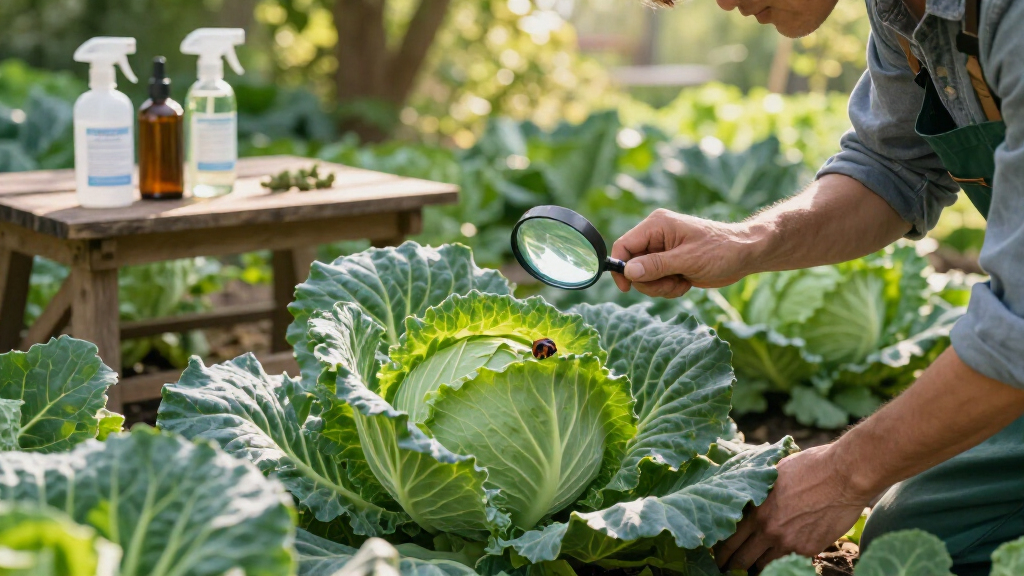
According to entomologists, the bug can be identified by its striking coloration and shield-shaped body, typically measuring about 12-14 millimeters in length. The nymphs are smaller and often more brightly colored than adults, with a similar pattern. Experts recommend inspecting the undersides of leaves and near the stems for the presence of adult bugs or clusters of eggs, which are small, yellowish, and laid in distinctive patterns.
Organic control strategies emphasized by pest management specialists include manual removal, encouraging natural predators such as lady beetles and parasitic wasps, and applying botanical insecticides like neem oil or pyrethrin-based products. It is important to regularly monitor crops and act promptly when infestations are detected to prevent widespread damage. While chemical controls are effective, they are generally discouraged in organic gardening, making identification and early intervention critical.
Why Accurate Identification and Organic Controls Matter
The rising interest in the harlequin cabbage bug underscores the importance of sustainable pest management in organic gardening. Proper identification allows gardeners to distinguish this pest from similar insects, reducing unnecessary pesticide use and promoting ecological balance. Effective organic controls help protect crops without harming beneficial insects, supporting biodiversity and environmental health. As the pest’s presence increases, understanding these methods becomes vital for maintaining healthy, productive gardens and reducing economic losses.
organic cabbage pest control products
As an affiliate, we earn on qualifying purchases.
As an affiliate, we earn on qualifying purchases.
Background and Recent Trends in Harlequin Cabbage Bug Reports
The harlequin cabbage bug has been a known pest in parts of the southern United States for several years, often associated with warm, dry conditions. Recent months have seen a spike in online searches and social media mentions, possibly indicating an expansion of its range or increased awareness among gardeners. However, there is no confirmed data yet on whether the pest is spreading to new regions or if the surge in interest is due to heightened media coverage or local outbreaks. Experts note that environmental factors and climate variability could influence its activity and distribution, but comprehensive surveillance data is still lacking.
Historically, organic growers have relied on manual removal and biological controls to manage this pest, with some success in localized areas. The current trend suggests a growing need for accessible identification guides and organic control advice, especially as more gardeners adopt organic practices and seek sustainable solutions.
As an affiliate, we earn on qualifying purchases.
Current Data Gaps and Spread Uncertainty
While interest in the harlequin cabbage bug is increasing, it is not yet clear whether its range is expanding or if recent reports are localized. There is limited surveillance data on its current distribution, and the factors driving the spike in online interest remain unconfirmed. Researchers caution that the true extent of its spread and the effectiveness of organic controls across different environments are still under investigation.
ladybug and parasitic wasp beneficial insects
As an affiliate, we earn on qualifying purchases.
As an affiliate, we earn on qualifying purchases.
Monitoring and Research Efforts Moving Forward
Experts recommend increased monitoring of brassica crops in affected regions, along with public education on identification and organic management techniques. Future research aims to establish clearer data on its distribution, lifecycle, and control efficacy. As awareness grows, local extension services and organic gardening groups are expected to develop detailed guides and outreach programs to assist growers in managing this pest effectively.
harlequin cabbage bug identification guide
As an affiliate, we earn on qualifying purchases.
As an affiliate, we earn on qualifying purchases.
Key Questions
How can I identify the harlequin cabbage bug in my garden?
The bug is brightly colored with black, orange, and white markings, and measures about 12-14 mm long. Check the undersides of leaves and stems for adults and clusters of small, yellowish eggs.
What are the best organic methods to control this pest?
Manual removal, encouraging natural predators like lady beetles, and applying botanical insecticides such as neem oil or pyrethrin are recommended. Regular monitoring is essential for early detection.
Is the harlequin cabbage bug spreading to new areas?
It is currently unclear whether the pest is expanding its range. Most reports are localized, and comprehensive surveillance data is lacking.
Can I use chemical pesticides against this pest in organic gardening?
No, synthetic pesticides are generally not permitted in organic gardening. Focus on organic controls and manual methods instead.
Why is there increased interest in this pest now?
Search interest has surged recently, possibly due to local outbreaks or media coverage, but the exact cause of the spike remains unconfirmed.
Source: rss
Fall yard work Picks
leaf blowers
As an affiliate, we earn on qualifying purchases.