TL;DR

Get garden gear delivered free — and shop member deals
- Fast, free delivery on millions of items
- Access to Prime Big Deal Days deals on October 6–7
- Prime Video, Amazon Music and more included
I’itoi onions are small, sweet heirlooms native to the Sonoran Desert. Plant in late fall, space 2-3 inches apart, and divide in early spring or fall. They thrive with minimal water and are easy to propagate from bulbs or offsets.
Imagine an onion that thrives in the scorching heat of the Sonoran Desert, needing less water than most vegetables. That’s I’itoi, a tiny heirloom onion native to the Tohono O’odham Nation. It’s not just a plant — it’s a piece of desert history, a cultural staple, and a culinary treasure.
If you’re into native plants or just want a tough, flavor-packed onion for your desert garden, understanding how to plant and divide I’itoi onions is key. This isn’t about high-maintenance veggies — it’s about working with the land, respecting its rhythm, and harvesting something truly unique.
Plant I’itoi onions in late fall or early winter for best results, mimicking native planting times.
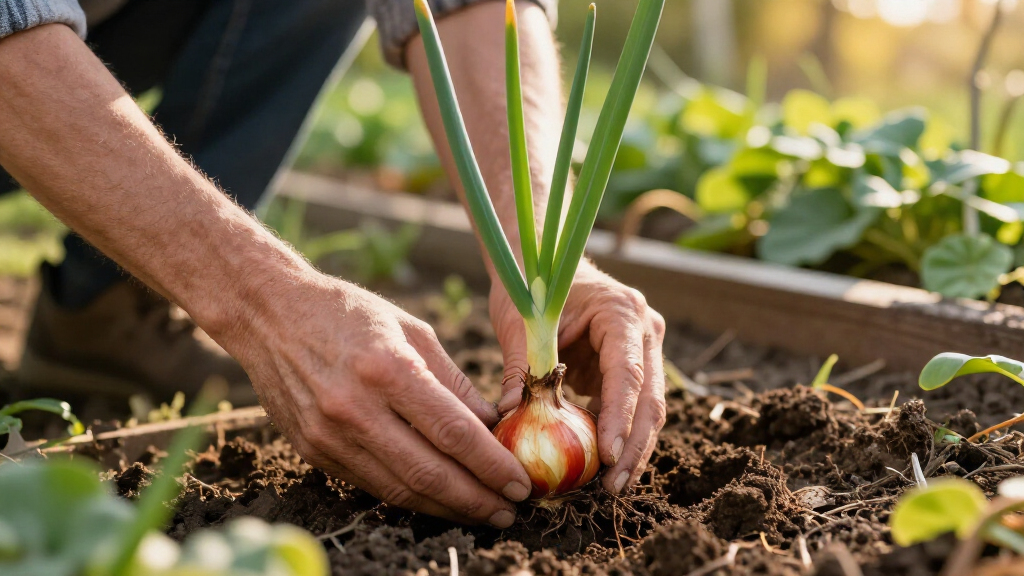
Divide clusters in early spring or fall by carefully separating bulbs, then replant at same depth.
Minimal watering is key — these onions thrive in dry, sandy soil with full sun and good drainage.
Save seeds from mature flower stalks to keep the heirloom alive and adapt to your local climate.
Support native seed groups and nurseries to help preserve the genetic diversity of I’itoi onions.
What Makes I’itoi Onions Special and How to Spot Them
I’itoi onions are tiny, bulbous, and grow in dense clusters. They look like miniature onions, about the size of a golf ball or smaller, with a delicate papery skin that ranges from pale tan to light purple. Their sweet, mild flavor sets them apart from the sharpness of grocery-bought onions.
In the garden, they form tight bunches that spread slowly over time. When you see a cluster of small bulbs, about 2-3 inches apart, you’re likely looking at I’itoi onions. Compared to larger onions or scallions, these are more like a natural patchwork of tiny, tasty bulbs.
Pro tip: their cultural significance is huge — they’re a staple in Tohono O’odham cuisine, used fresh in salsas or roasted for a gentle, sweet flavor that pairs well with desert herbs.
As an affiliate, we earn on qualifying purchases.
How to Plant I’itoi Onions in Your Desert Garden
- Choose the right time: late fall or early winter. This gives the onions time to establish before the heat of summer.
- Pick sandy or loamy soil that drains well. Mimic the native desert’s gritty texture for best results.
- Plant small bulbs or sets about 2-3 inches apart, at a depth of 1-2 inches. Don’t bury them deep — they grow close to the surface.
- Water sparingly. Once established, they need minimal moisture — just enough to keep the soil from completely drying out.
- Ensure full sun. These onions love the desert’s relentless sunlight.
Picture planting a small cluster in a sunny corner, the soil barely moist, and knowing they’ll thrive in months of heat with almost no fuss. That’s the beauty of I’itoi.
As an affiliate, we earn on qualifying purchases.
Dividing I’itoi Onions: The Easy Way to Propagate Your Heirloom
I’itoi onions naturally form dense clusters of tiny bulbs, which makes dividing them an effective way to propagate and expand your garden. This process is more than just splitting plants; it’s about understanding their growth habits and the implications for plant health. By carefully dividing, you can rejuvenate older plants, prevent overcrowding, and select the best offsets for future planting, ensuring a resilient and productive crop. Doing this in early spring or fall aligns with their natural growth cycles, minimizing stress and maximizing success.
Here’s how:
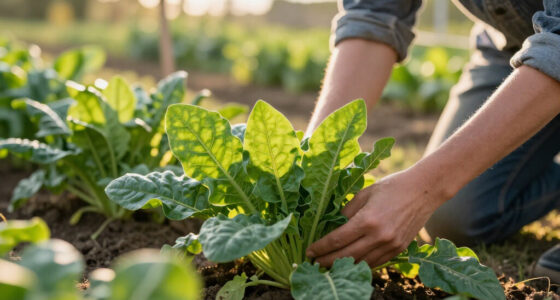
- Gently loosen the soil around the cluster with a small garden fork, taking care not to damage the roots or disturb the delicate bulbs.
- Carefully lift the entire bunch, supporting the roots to prevent breakage. This gentle handling preserves the plant’s ability to recover and regrow.
- Separate the small bulbs or offsets by hand or with clean scissors, ensuring each has enough roots attached to establish quickly in new soil.
- Replant each bulb at the same depth — about 1-2 inches deep — and space them evenly to reduce competition and promote healthy growth.
- Water lightly after planting, maintaining barely moist soil until the new plants are established, which helps prevent rot and encourages rooting.
Imagine a handful of tiny bulbs, each with the potential to grow into a thriving new patch. Dividing is more than just multiplication; it’s about selecting vigorous, healthy offsets that will ensure your heirloom’s resilience and flavor for seasons to come.
As an affiliate, we earn on qualifying purchases.
Why Native and Heirloom I’itoi Are Making a Comeback
Heirloom and native plants like I’itoi onions are gaining ground because they’re tough, drought-resistant, and culturally meaningful. Recent efforts by seed savers and native gardening groups aim to keep these varieties alive and thriving.
According to Gardener AZ, I’itoi onions are increasingly featured in seed exchanges focused on desert adaptation and native resilience. Their ability to survive with minimal water makes them a smart choice now more than ever.
Plus, their cultural significance to the Tohono O’odham Nation adds a layer of importance — growing I’itoi is a way to honor desert traditions and promote biodiversity.
Understanding why these plants are making a comeback highlights the importance of preserving genetic diversity. They offer a way to maintain ecological balance and cultural identity in a changing climate. By choosing native and heirloom varieties, gardeners support the resilience of desert ecosystems and ensure that these valuable genetic traits aren’t lost to modernization or commercial hybridization.
clustering onion bulbs for propagation
As an affiliate, we earn on qualifying purchases.
As an affiliate, we earn on qualifying purchases.
Caring for Your I’itoi Onion Patch Year-Round
Once established, I’itoi onions require almost no fuss. Minimal watering, full sun, and well-draining soil keep them happy. In the hottest months, a light mulch can protect roots from the scorching sun.
Watch for pests like onion maggots or thrips, but generally, they’re resilient. Keep herbicides or pesticides away — they’re best left alone to preserve native biodiversity.
In fall, after harvest, clear out old debris to prevent disease and prepare for planting or dividing in the following seasons. Maintaining a clean, healthy environment supports their native resilience and reduces the need for chemical interventions, which can harm the delicate desert ecosystem.
Best Practices for Harvesting and Saving Seeds
Harvest I’itoi onions when the tops start to yellow and fall over — usually in late spring or early summer. This signals that the bulbs have matured and are ready for collection.
Carefully dig around the bulbs, avoiding damage, and let them cure in a dry, shaded spot for at least a week. Proper curing is essential for long-term storage, as it hardens the skin and prevents rot. Store in mesh bags or paper baskets in a cool, dry place; this allows for good airflow and reduces mold risk.
To save seeds, wait until flower stalks develop seed heads. Collect mature seeds before they disperse naturally, then let them dry thoroughly in a well-ventilated area. Store the seeds in a labeled envelope or small jar in a cool, dark place. This process preserves the genetic integrity of the heirloom, ensuring future generations of the desert’s resilient onion.
Picture a small jar of dried seeds, carefully stored to ensure viability for next season. Saving seeds is a vital step in maintaining the genetic diversity and cultural heritage of I’itoi onions, empowering gardeners to continue this legacy.
Where to Find Authentic I’itoi Onion Seeds or Bulbs
Seek out local native plant nurseries, seed exchanges, or organizations dedicated to desert heirlooms. Gardener AZ recommends supporting Native Seed/SEARCH or similar groups for genuine stock, as they focus on preserving the true genetic and cultural heritage of I’itoi onions.
Beware of imitations or non-native varieties sold as I’itoi. These may lack the genetic traits that make the original so resilient and culturally significant. Authentic bulbs and seeds carry the cultural and genetic legacy of the Sonoran Desert, which is vital for maintaining biodiversity and traditional practices.
Remember: buying from trusted sources not only ensures plant quality but also supports the preservation of native varieties. This helps sustain the ecological and cultural resilience of desert agriculture, keeping the legacy of I’itoi onions alive for future generations.
Frequently Asked Questions
Can I grow I’itoi onions in cooler, non-desert climates?
Yes, you can, but it’s trickier. They need well-draining soil, full sun, and minimal water. In cooler climates, you might need to provide some shade in summer or grow them in containers that can be moved indoors during cold spells.
How long does it take for I’itoi onions to mature?
Typically, I’itoi onions reach maturity in about 6 to 8 months after planting. They’re usually ready for harvest when the tops yellow and fall over, which happens in late spring to early summer.
Are I’itoi onions resistant to pests and diseases?
They are quite resilient, thanks to their native adaptation. However, watch out for pests like thrips and onion maggots. Keep your planting area clean, and avoid overwatering to prevent rot and fungal issues.
How do I store harvested I’itoi onions?
Let them cure in a dry, shaded place for about a week. Store in mesh bags or paper baskets in a cool, dry spot. They can last for several months if kept in the right conditions.
Where can I find authentic seeds or bulbs?
Look for native plant nurseries or seed exchanges focused on desert heirlooms. Support organizations like Native Seed/SEARCH. Avoid buying from general garden centers that might sell non-native or hybrid varieties.
Conclusion
Growing I’itoi onions isn’t just about harvesting a tasty, native delicacy. It’s about respecting desert resilience, conserving a cultural treasure, and creating a garden that thrives with less fuss.
Picture your little patch of tiny onions, thriving in the harsh sun, a living link to the Sonoran Desert’s history. Plant smart, divide carefully, and keep the legacy alive — that’s how you turn a simple bulb into a symbol of native strength.
Fall yard work Picks
leaf blowers
As an affiliate, we earn on qualifying purchases.