
TL;DR

Get garden gear delivered free with Prime
- Fast, free delivery on millions of items
- Prime Video, Amazon Music and more included
- Member-only deals all year
Planet Natural describes a winter microgreen routine using three small trays sown about four days apart. The interval is a scheduling experiment, not a guaranteed harvest timetable; plants are ready according to their development, and trays are cleaned and refilled between crops.
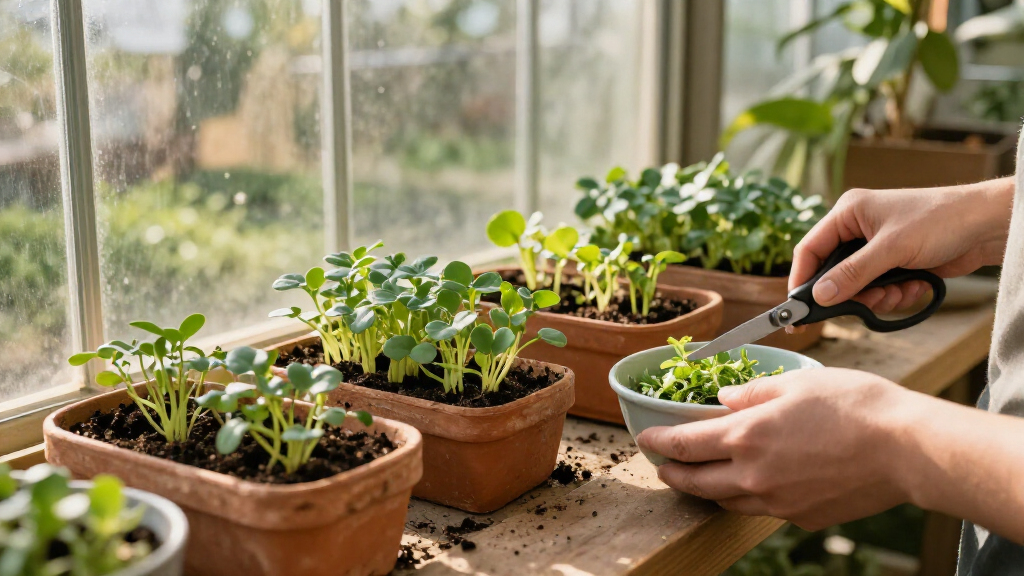
Planet Natural’s winter microgreens guide lays out a small indoor growing routine built around three shallow trays, with new trays sown about four days apart. The stagger is intended to spread harvests through winter, but the guide says timing varies with crop and growing conditions, so readiness should be judged by plant development rather than a fixed date.
The guide recommends starting with one crop per tray, such as radish, broccoli or kale seed sold for microgreen production. Using the same crop across the first three trays makes it easier to compare how a four-day sowing interval works in a particular home. Different species can germinate and mature at different speeds, making mixed trays harder to manage while learning the routine.
A basic shelf can hold three shallow growing containers over catch trays. Planet Natural suggests containers around 5 by 7 inches as one possible setup, with drainage holes, fresh soilless seed-starting or potting mix, and enough space to lift each tray for watering and inspection. The guide advises keeping the growing area clean and away from pets, household chemicals and food-preparation splashes; lights and cords should be positioned to avoid water.
For the first sowing, moisten the mix, scatter seed at the supplier’s recommended rate for the tray area, and follow the crop’s instructions for covering or germination. Label each tray with its crop and sowing date. Start tray B about four days after tray A, then tray C roughly four days later. The University of Maryland guide cited in the report gives a broad seven-to-21-day sowing-to-harvest range, underscoring that the interval is not a promise of a particular harvest date.
A Smaller Winter Harvest Routine
The three-tray approach offers home growers a way to test indoor winter production without dedicating a room or starting with a large quantity of equipment. Staggering sowings may make fresh greens available at intervals, while keeping each crop separate makes it easier to spot differences in germination and growth. The practical value is in a repeatable routine, not a guaranteed continuous supply.
Light, moisture and cleanliness remain important limits. A bright window may work, but winter light can be inconsistent and a cold sill can slow growth. Planet Natural points to a suitable LED grow light as a more predictable option and cites Maryland Extension’s guidance of about 16 hours of total light daily. The right distance depends on the fixture; growers should follow its instructions and watch for weak, elongated stems leaning toward the light.
The guide also stresses that these are cut greens, not sprouts eaten with roots and seed attached. Harvesting with clean scissors above the growing medium and handling the greens safely helps distinguish the method from sprouting. A small, manageable shelf can still require careful water control, clean tools and attention to signs of spoilage.
Popular right now

De'Longhi La Specialista Touch Espresso Machine with Coffee Grinder
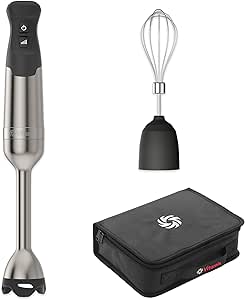
Vitamix 5-Speed Immersion Blender 3-Piece Bundle with Whisk and Storage Case

Apple AirPods Pro 3 Wireless Earbuds with Active Noise Cancellation
As an affiliate, we earn on qualifying purchases.
How the Staggered Cycle Works
The suggested sequence is tray A, then tray B around four days later, followed by tray C about four days after that. Once seedlings emerge, remove or vent any germination cover and provide adequate light. The guide recommends brief daily checks of the growing mix, catch tray and leaves. Keep the medium moist rather than saturated; once roots establish, bottom watering can reduce splashing on the foliage. Remove excess water from the catch tray rather than leaving the container standing in a pool.
Harvest when the crop has developed expanded seed leaves and, where appropriate, its first true leaves. Cut small sections above the mix with clean scissors, then rinse with clean water, dry gently and use promptly or refrigerate. For this beginner rotation, the report advises treating each tray as a single harvest: remove the old medium and roots, clean and sanitize the container according to the product directions, and refill with fresh mix before sowing again.
Harvest Dates Depend on Conditions
The supplied guide does not report a tested harvest schedule for a particular home, crop or shelf. It does not establish that four-day sowing intervals will produce evenly spaced harvests. Crop choice, temperature and light can change germination and growth, and the cited seven-to-21-day range is broad rather than a forecast for any one tray.
Results from a specific setup, including yield and how long the greens remain fresh after harvest, are not given in the material. The guide also cautions that untreated seed is not sterile. If seedlings develop spreading mold, slime, an off odor or decay, it advises discarding the affected crop rather than harvesting around it.
Adjust the Next Three Sowings
After the first cycle, growers can compare the labeled sowing dates with actual emergence and harvest readiness, then adjust the interval to suit their conditions. The guide recommends beginning with one familiar crop per tray and changing the schedule based on what the first harvest shows. Each container should be cleaned and sanitized, drained and refilled with fresh mix before its next sowing.
Anyone trying the routine should also check that each tray receives useful light, water without persistent standing moisture, and enough airflow without drying the mix. The supplied material does not announce a follow-up trial or a fixed schedule; the next step is observation in the home growing setup.
Key Questions
How far apart should the three trays be sown?
Planet Natural suggests starting the second tray about four days after the first, then starting the third about four days later. It describes this as a household scheduling experiment, not a guaranteed timetable.
Which crops does the guide suggest for beginners?
The short starter list is radish, broccoli and kale seed sold for microgreen production. The guide recommends growing one crop per tray at first because different species can develop at different rates.
How long do microgreens take to reach harvest?
The University of Maryland guide cited in the report gives a broad seven-to-21-day sowing-to-harvest range. Actual timing depends on crop and conditions, so check plant development rather than relying on a fixed date.
Can the greens be harvested with their roots attached?
The guide defines microgreens as greens cut above the growing medium; they are not sprouts pulled out with roots and seed attached. It recommends clean scissors and clean handling.
What should growers do if a tray develops mold or decay?
Planet Natural advises discarding a crop if it develops spreading mold, slime, an off odor or collapsing, decayed seedlings. Clean and sanitize the reusable container according to the directions for the product and material.
Source: planetnatural.com