
TL;DR

Get garden gear delivered free — and shop member deals
- Fast, free delivery on millions of items
- Access to Prime Big Deal Days deals on October 6–7
- Prime Video, Amazon Music and more included
Picking melon varieties with a proven desert track record boosts your chances of a successful harvest. Look for drought-resistant, heat-tolerant cultivars and adopt water-wise practices to succeed in arid regions.
Growing melons in the desert isn’t just about planting seeds and hoping for the best. It’s about choosing the right varieties—ones that have shown they can handle the brutal heat, scarce water, and intense sunlight. If you’ve ever tried growing melons in a dry, high-temperature zone and been disappointed, you know what I mean.
This guide will walk you through how to pick melon varieties with real low-desert track records. You’ll learn what traits matter most, recent breakthroughs in breeding, and practical tips to boost your success. No fluff—just solid, actionable info to help your melon patch thrive in the heat.
Choose melon varieties bred specifically for desert conditions, focusing on drought and heat tolerance.
Recent breeding advances and precision watering tools significantly improve success rates.
Look for cultivars with documented desert performance—labels and local trials matter.
Use water-efficient techniques like drip irrigation and mulching to conserve resources.
Plant early and provide shade when possible to protect melons from the hottest part of the day.
What Makes a Melon Variety Truly Desert-Hardy?
Melon varieties proven to thrive in desert conditions share key traits: heat tolerance, drought resistance, and disease resilience. These traits are crucial because they directly impact the plant’s ability to survive and produce fruit under stressful conditions. For example, heat tolerance ensures the plant can maintain cellular functions during scorching days, while drought resistance helps it access and retain moisture without wilting. Disease resilience reduces the risk of crop failure due to pests or pathogens exacerbated by dry, stressed environments.
Choosing varieties with documented low desert variability is vital because it indicates consistent performance despite fluctuating conditions. This consistency means you can rely on the crop’s yield and quality, reducing guesswork and increasing your chances of success. Local growers often rely on cultivars with a proven track record in nearby regions, where conditions closely mirror your own, thus increasing the likelihood of a successful harvest.
Understanding these traits helps you make informed decisions, balancing the plant’s ability to withstand stress with its capacity to produce high-quality fruit. The tradeoff often involves selecting for resilience, which might sometimes slightly compromise flavor or size, but the overall gains in survival and yield in harsh climates make these choices worthwhile.
As an affiliate, we earn on qualifying purchases.
Recent Breeding Breakthroughs Making Desert Growing Easier
Today’s melon breeders are leveraging both traditional crossing techniques and modern genetic tools to develop cultivars that excel in arid environments. These advancements are significant because they directly address the limitations of conventional varieties that often struggle under extreme heat and water scarcity. For instance, breeders are selecting for genes associated with drought tolerance—such as deeper root systems or water-use efficiency—and heat resilience, like cellular protection mechanisms that prevent damage during temperature spikes.
These innovations mean that farmers and home gardeners can now access melon varieties that require less water and can handle higher temperatures without compromising flavor or yield. For example, newer hybrids of Galia and honeydew show up to 20% better performance in dry, hot soils, providing a tangible benefit for growers operating in challenging conditions.
Additionally, the integration of precision agriculture tools—such as drip irrigation, soil moisture sensors, and remote sensing—allows for optimized water delivery and monitoring. These technologies enable growers to fine-tune watering schedules, reducing waste and ensuring plants receive just enough moisture for healthy growth. This synergy between breeding and technology is transforming desert melon cultivation from a gamble into a more predictable, productive endeavor.
Seed companies now offer desert-specific cultivars that have undergone rigorous testing in arid conditions, promising better yields and flavor profiles. Recognizing and adopting these newer options can be a game-changer for anyone serious about growing melons in dry climates.
As an affiliate, we earn on qualifying purchases.
Top 5 Melon Varieties That Hold Up in Desert Heat
| Variety | Key Traits | Performance in Desert |
|---|---|---|
| Crimson Sweet | Sweet, disease-resistant, adaptable | Reliable yield, good flavor, handles heat well |
| Galia | Hybrid, sweet, good disease resistance | Excellent heat tolerance, consistent |
| Honeydew (selected strains) | High sugar, drought-tolerant | Performs well with minimal water |
| Charentais | Sweet, aromatic | Resilient in high temps with proper shade |
| Arava | Resistant to common pests, drought-tolerant | Good in arid soils, steady harvests |
Choosing from these proven performers gives you a head start. Look for seed labels that specify desert or arid-region trials for added confidence.
water-efficient drip irrigation kit
As an affiliate, we earn on qualifying purchases.
As an affiliate, we earn on qualifying purchases.
How to Pick the Right Melon for Your Desert Garden
- Assess your local conditions—how hot, how dry, and what pests are common.
- Check seed labels or supplier info for desert or arid-region testing.
- Choose varieties with a proven track record in similar environments.
- Use water-saving techniques like drip irrigation and mulching.
- Plant early in the season to avoid peak heat stress during fruit ripening.
For example, if you live in a zone where summer days hit 105°F regularly, opt for heat-hardy hybrids like Galia or Crimson Sweet. Pair them with shade cloths or reflective mulches to keep soil cooler and boost fruit quality.
As an affiliate, we earn on qualifying purchases.
Water-Wise Tips for Growing Melons in the Desert
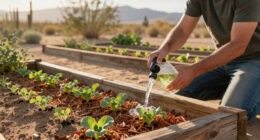
Water efficiency is king in arid regions. Use drip irrigation to deliver water directly to the roots, minimizing loss through evaporation. Mulching around plants keeps soil moisture in and weeds out—saving water and reducing stress.
Schedule watering early in the morning or late evening to reduce evaporation. Consider soil amendments that boost water retention, like compost or desert-friendly organic matter. Keep a close eye on soil moisture levels, adjusting watering based on weather and plant needs.
Remember, overwatering can cause root rot, while underwatering stalls fruit development. Finding that sweet spot is key.
Frequently Asked Questions
What are the best melon varieties for extremely hot desert climates?
Varieties bred for heat tolerance like certain hybrids of Galia, Crimson Sweet, and some honeydews tend to perform best in scorching conditions. Look for cultivars with a history of success in arid regions, and consider local recommendations.How can I tell if a melon variety has a proven desert performance?
Check seed labels or ask suppliers if the variety has been tested in desert or arid environments. Local growers and extension services can also provide insights based on regional trials and experience.Are there specific methods that help melons succeed without much water?
Yes. Use drip irrigation, mulching to keep soil moist, plant early in the season, and employ shade cloths or reflective mulches. These practices help plants thrive while conserving water.How do I protect my melons from pests and diseases in the desert?
Select resistant varieties and maintain good garden hygiene. Cover plants with row covers to deter pests, and monitor regularly for signs of trouble. Proper spacing and crop rotation also help prevent issues.What recent innovations make desert melon growing easier?
Breeding for drought and heat resistance, combined with precision irrigation and soil management techniques, are making it more feasible to grow tasty melons in arid regions.Conclusion
Growing melons in the desert isn’t about chance—it’s about smart choices. Selecting varieties with a proven desert track record, combined with water-wise practices, turns a tough climate into a productive playground.
Imagine ripe, sweet melons cooling in the shade, despite the sizzling heat around you. That’s the power of choosing right and working smart. Your desert garden can produce juicy rewards—if you pick the right melon and give it the care it needs.
Fall Picks
fall essentials
As an affiliate, we earn on qualifying purchases.