TL;DR

Get garden gear delivered free with Prime
- Fast, free delivery on millions of items
- Prime Video, Amazon Music and more included
- Member-only deals all year
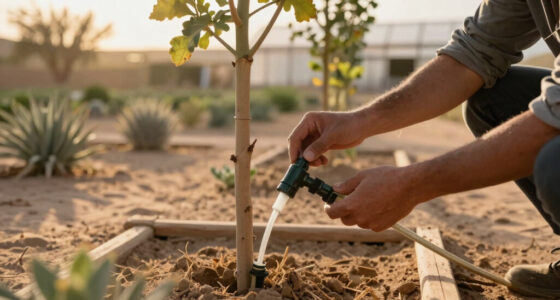
In Zone 9b, set your drip irrigation run times based on the season—spring needs shorter, frequent runs; summer calls for longer, more frequent watering. Using soil moisture sensors and adjusting with weather helps save water and boosts plant health.
Seasonally adjust your drip run times based on temperature, humidity, and plant needs.
Use soil moisture sensors and weather data to fine-tune watering schedules—automation helps.
Deep, infrequent watering encourages healthier roots; shallow, frequent watering weakens plants.
In summer, expect to run your drip system for 45–90 minutes, 3–4 times weekly; cut back in winter.
Regularly check and clean emitters, and keep records to improve your watering plan year by year.
Why Your Garden Needs Different Watering Times Each Season
In Zone 9b, the weather swings from mild winters to blazing hot summers. Your plants’ water needs change just as much. In spring, plants are waking up and establishing roots; in summer, they require more water to cope with heat and evaporation; fall cools things down, reducing their water demand; winter often sees dormant or slow-growing plants needing minimal watering. Recognizing these shifts is crucial because watering too much or too little can harm your plants or waste resources. For example, overwatering in summer can lead to root rot and fungal diseases, while underwatering in winter may stress plants during their vulnerable dormancy. Knowing these seasonal differences helps you set your drip system to deliver just the right amount—avoiding the tradeoff between water waste and plant stress, ensuring healthy growth year-round.
For example, in mid-July, a row of tomatoes might need a solid 60-minute soak two times a week, especially during a heatwave—this prevents dehydration and supports fruit development. Come December, you might only run your system for 10-15 minutes once every couple of weeks—reducing water use when plants are less active and evaporation rates are lower. The key is understanding that plant needs are dynamic. Properly adjusting your watering schedule based on seasonal climate patterns and plant growth cycles minimizes waste, prevents disease, and promotes resilient, thriving plants.
As an affiliate, we earn on qualifying purchases.
How to Adjust Your Drip System for Each Season — Step-by-Step
- Assess your soil type: sandy soils drain fast, clay soils hold water longer. This affects how often and how long you should water; sandy soil requires more frequent, shorter sessions, while clay retains moisture longer, necessitating less frequent but possibly longer watering. Recognizing this helps prevent under- or overwatering, which can lead to stressed plants or water wastage.
- Check your plants’ needs: deep-rooted trees need longer, infrequent watering to encourage strong roots, whereas shallow-rooted herbs prefer shorter, more frequent watering to prevent root rot. Tailoring watering to root depth helps plants develop resilience against drought and reduces vulnerability to pests and diseases.
- Measure your current run times by monitoring soil moisture: use a soil moisture meter or simply dig a small hole to see if the soil is adequately moist at root level. This practice allows you to fine-tune your system, ensuring plants receive enough water without excess that can cause root rot or runoff.
- Use weather data or a smart controller to adapt run times — more during heatwaves or dry spells, less during rainy periods. Weather-aware adjustments prevent overwatering during rain and under-watering during droughts, optimizing water use and plant health.
- Adjust weekly based on recent weather and plant response: keep records of watering times, soil moisture levels, and plant appearance. This ongoing monitoring helps you identify patterns, avoid guesswork, and make precise seasonal adjustments that balance water conservation with plant vitality.
For example, in spring, start with 30-minute sessions, 2-3 times a week, observing soil moisture and plant response. In summer, increase to 45-90 minutes, 3-4 times a week, especially during heatwaves. Fall, cut back to 20-40 minutes once or twice a week as temperatures decline. Winter, only run if you notice signs of drought or for specific plants, minimizing water use during dormancy. This step-by-step approach ensures your drip system adapts to seasonal needs, conserving water and maintaining plant health effectively.
soil moisture sensor for irrigation
As an affiliate, we earn on qualifying purchases.
As an affiliate, we earn on qualifying purchases.
Compare Your Options: Manual, Timer, or Smart Controllers
| Method | Ease of Use | Water Efficiency | Cost |
|---|---|---|---|
| Manual | Low | Variable | Low |
| Timer-based | Moderate | Better | Moderate |
| Smart controllers | High | Best | Higher |
Choosing the right control method depends on your goals, budget, and willingness to monitor. Manual systems are simple but require frequent attention to adjust for seasonal changes, risking inconsistent watering. Timer-based systems improve consistency but still require manual adjustments when seasons change, which can be overlooked or delayed. Smart controllers, however, use weather forecasts, soil moisture sensors, and automation to adapt run times dynamically, providing optimal watering tailored to each season. This reduces waste and ensures plants get what they need without constant oversight. While initial costs are higher, smart systems offer long-term water savings and less manual effort, making them ideal for water-conscious gardeners aiming for precision and convenience.
As an affiliate, we earn on qualifying purchases.
Real-World Example: Summer Watering in a Hot Garden
Imagine mid-July in Zone 9b. Your garden faces 105°F days with dry, gusty winds. You set your drip system to run for 60 minutes, 3 times a week. After a week, soil moisture sensors show the soil is bone dry after each session. You bump it up to 75 minutes, 4 times a week. By August, your tomatoes are lush and ripe, not wilting or yellowing. This example illustrates how responsive adjustments based on real conditions—like temperature, wind, and soil moisture—are essential for maintaining plant health during extreme heat. Ignoring these factors can lead to under- or overwatering, risking plant stress or wastage. The power of seasonal adjustment lies in its ability to optimize water delivery, ensuring plants thrive despite challenging weather, and demonstrating that attentive management can significantly improve garden resilience and productivity.
As an affiliate, we earn on qualifying purchases.
Key Tips for Keeping Your Drip System Working Efficiently Year-Round
- Use soil moisture sensors to avoid over- or underwatering, which can lead to plant stress, disease, or water waste. Properly calibrated sensors provide real-time data, helping you make informed decisions and prevent costly mistakes.
- Check for clogged emitters regularly, especially after heavy rains or dust storms, since debris can block water flow. Clogged emitters cause uneven watering, stressing some plants while overwatering others, reducing overall efficiency and plant health.
- Adjust run times based on recent weather — don’t just set and forget. For example, during a rainy spell, cut back watering to prevent waterlogging; during heatwaves, increase run times to compensate for higher evaporation. This dynamic approach conserves water and safeguards plant roots.
- Protect tubing from sun damage and critters by burying lines or using protective covers. Damaged tubing can leak or collapse, disrupting watering schedules and wasting water.
- Keep records of run times, soil conditions, and plant responses to fine-tune your seasonal watering plan. Over time, this data helps you identify patterns, optimize schedules, and reduce water use while maintaining healthy plants.
Implementing these tips ensures your drip system remains efficient and responsive throughout the year, preventing common issues and maximizing water savings, which ultimately leads to healthier plants and a more sustainable garden.
What Happens If You Over- or Under-Water in Zone 9b?
Overwatering can drown roots, cause fungal diseases, and waste precious water—especially problematic in a climate where water conservation is vital. Excess water fills air pockets in the soil, suffocating roots and creating ideal conditions for root rot and pathogens. It also leaches nutrients away from roots, weakening plants and reducing growth. Overwatering can lead to persistent fungal issues like powdery mildew or mold, which compromise plant health and aesthetics. Conversely, underwatering stresses plants, leading to wilting, leaf scorch, and eventual death if prolonged. Drought-stressed plants are more susceptible to pests and diseases, and their growth can be stunted. The tradeoff is that overwatering wastes water and can damage plants, while underwatering causes stress and reduces productivity. Striking the right balance involves understanding your soil’s water retention capacity, plant water needs, and environmental conditions. Regular soil moisture checks and adjusting run times accordingly help you navigate this balance effectively, ensuring your garden remains healthy, resilient, and resource-efficient.
In practice, overwatering might manifest as yellowing leaves, moldy soil, or persistent root issues, while underwatering shows as wilting, dry soil, and slow growth. Recognizing these signs early allows you to correct your watering schedule before long-term damage occurs. The key is to tailor your watering to seasonal conditions and specific plant requirements, using tools and observation to maintain optimal moisture levels—helping your garden thrive without excess water use or stress.
Frequently Asked Questions
How do I know if my plants are getting enough water?
Check the soil moisture around your plants regularly—dry soil indicates under-watering, while soggy soil suggests overwatering. Wilting during hot days is normal, but persistent wilting signals a need for more water.How long should I run my drip system in summer?
In summer, aim for 45 to 90 minutes per session, 3 to 4 times weekly. Adjust based on weather, soil type, and plant response. Use soil moisture sensors to fine-tune this schedule.Can I automate my drip irrigation for seasonal changes?
Yes, using timers or smart controllers that consider weather forecasts and soil moisture makes seasonal adjustments easy. They help you conserve water and keep plants happy without constant manual tweaks.What’s better: watering deeply or frequently?
Deep, infrequent watering encourages strong root growth and drought resilience. Shallow, frequent watering can lead to shallow roots, making plants more vulnerable during dry spells.What should I do during a drought or heatwave?
Increase run times slightly, check soil moisture often, and water early in the morning. Avoid overwatering—monitor to prevent root rot while giving your plants a hydration boost.Conclusion
Getting your drip irrigation timing right in Zone 9b isn’t magic — it’s observation and adjustment. As temperatures shift, so should your watering. Keep soil moisture in check, use smart tools when possible, and your garden will thank you with lush growth and water savings. Remember, watering smarter beats watering more every time.Columbus Day / Indigenous Peoples' Day Picks
long weekend sales
As an affiliate, we earn on qualifying purchases.